


*Please note: Images are for illustrative purposes only. Actual colors, finishes, and product packaging may vary slightly from what appears online.
ESD-Safe Anti-Static Polycarbonate Sheet
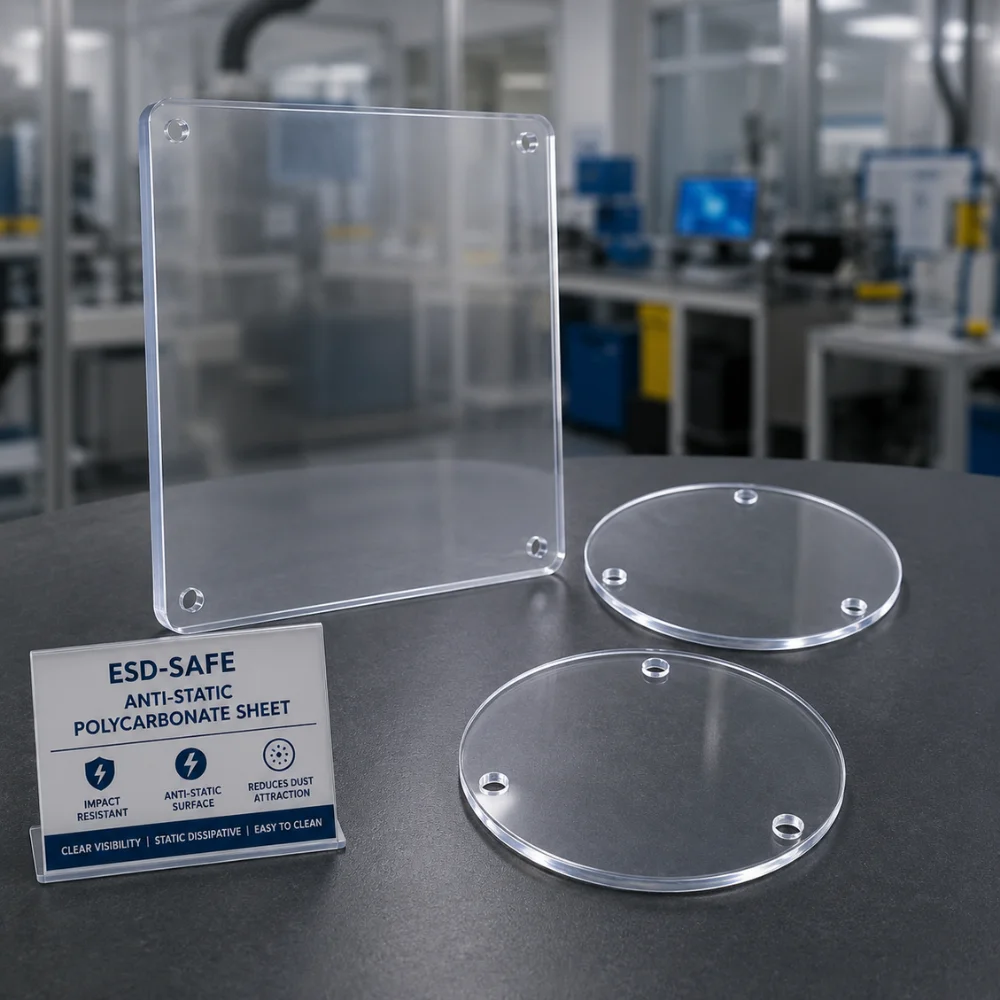
Altius Polymers ESD-Safe Anti-Static Polycarbonate combines the high impact strength and optical clarity of Makrolon® polycarbonate with a specialised static-dissipative surface treatment.
The surface helps control electrostatic charge accumulation, reduce dust and particle attraction, minimise static cling and lower the risk of electrostatic discharge around sensitive equipment and production processes.
The product has been independently tested in Australia for:
- Anti-static electrical resistance
- Finger-burn performance
- Oxygen index
- Compliance with applicable TRG3608 requirements for the tested general-application sample
Contact us for pricing
Description
ESD-Safe Anti-Static Polycarbonate Sheet
Product Positioning
Altius Polymers ESD-Safe Anti-Static Polycarbonate Sheet is a clear, impact-resistant panel manufactured from Makrolon® polycarbonate and finished with a transparent static-dissipative surface.
It is engineered for demanding applications where clear visibility, impact protection, cleanliness, electrostatic control and verified safety performance are critical. Typical environments include cleanrooms, electronics manufacturing, automated machinery, food and confectionery production, money-handling equipment and selected mining and industrial installations.
Product Description
Altius Polymers ESD-Safe Anti-Static Polycarbonate is designed for transparent guarding, viewing windows, equipment enclosures and partitions where conventional clear plastics may accumulate static electricity.
The clear static-dissipative surface allows electrical charge to dissipate in a controlled manner rather than remaining concentrated on the panel. This helps reduce electrostatic discharge events, dust attraction, airborne particle contamination and product sticking caused by static cling.
The Makrolon® polycarbonate base provides high impact resistance and clear visibility, making the product suitable for safety guarding and equipment panels where operators must maintain an unobstructed view of machinery, products or production processes.
The sheet can be cut, drilled, routed and fabricated into custom panels, subject to the recommended fabrication and coating-handling guidelines.
Key Benefits
- Manufactured from clear Makrolon® polycarbonate
- Transparent ESD-safe, anti-static and static-dissipative surface
- Helps reduce surface charge accumulation
- Helps prevent tribocharges substrate
- Helps lower the risk of electrostatic discharge events
- Reduces dust, particle and contamination attraction
- Helps reduce product sticking caused by static cling
- High impact resistance compared with conventional glass
- Clear visibility for machine guards and inspection windows
- Suitable for clean and controlled manufacturing environments
- Suitable for custom cutting, drilling and CNC routing
- Cleanable surface for industrial and production environments
- Independently tested in Australia
- Custom cut-to-size panels available for OEMs, machine builders and maintenance teams
Anti-Static Electrical Resistance
Electrical resistance testing was conducted in accordance with:
- TRG3608, July 2024
| Tested Surface | Individual Results | Mean Result |
|---|---|---|
| Upper surface | 24 MΩ and 30 MΩ | 27 MΩ |
| Lower surface | 38 MΩ and 24 MΩ | 31 MΩ |
The TRG3608 requirement stated that the average electrical resistance of both surfaces must not exceed 300 MΩ.
The tested material complied with the production acceptance testing requirements for anti-static electrical resistance under TRG3608 for General applications.
Compliance Summary
The tested 6 mm Altius Polymers ESD-Safe Anti-Static Polycarbonate sample complied with the report requirements for:
- Finger-burn performance AS 1334.10-1994
- Oxygen-index performance ISO 4589-2:2017
- Anti-static electrical resistance
- TRG3608 production acceptance requirements for anti-static properties under General applications
Technical Positioning
| Property | Product Information |
|---|---|
| Product name | Altius Polymers ESD-Safe Anti-Static Polycarbonate |
| Base material | Clear Makrolon® polycarbonate |
| Surface | Transparent static-dissipative and anti-static surface |
| Thickness independently tested | 6 mm |
| Upper-surface electrical resistance | Mean 27 MΩ |
| Lower-surface electrical resistance | Mean 31 MΩ |
| TRG3608 electrical resistance limit | Not greater than 300 MΩ |
| Oxygen index | 36.6% |
| Finger-burn average flame duration | 6 seconds |
| Finger-burn maximum flame duration | 14 seconds |
| Afterglow duration | 0 seconds |
| Impact performance | High-impact polycarbonate base |
| Fabrication | Cutting, drilling and routing, subject to guidelines |
| Cleaning | Mild soap, water and approved polycarbonate-compatible cleaners |
| Australian testing | Mine Safety Laboratory, Test Report 26-0203/01 |
Applications
Cleanrooms and Controlled Environments
Altius Polymers ESD-Safe Anti-Static Polycarbonate is suitable for cleanroom glazing, equipment enclosures and transparent partitions where visibility and electrostatic control are required.
The static-dissipative surface helps reduce dust and airborne particle attraction, supporting cleaner production and inspection environments.
Applications include:
- Semiconductor manufacturing
- Electronics cleanrooms
- Pharmaceutical production areas
- Biomedical and medical-device manufacturing
- Laminar-flow equipment screens
- Mini-environment glazing
- Cleanroom partitions
- Controlled manufacturing enclosures
Electronics and Machine Manufacturing
Electrostatic discharge can damage sensitive components, circuit boards and testing equipment.
Altius Polymers ESD-Safe Anti-Static Polycarbonate can be used for:
- Machine guards
- Access doors
- Robot-cell windows
- PCB manufacturing equipment
- Test-fixture covers
- Control-cabinet viewing windows
- Assembly-equipment panels
- Automation enclosures
- Optical inspection windows
The transparent panel provides operator visibility while helping control charge accumulation around sensitive electronic components.
Food and Confectionery Manufacturing
Altius Polymers ESD-Safe Anti-Static Polycarbonate is suitable for food, chocolate and confectionery equipment where static cling, dust attraction or product accumulation on clear guards may create cleaning and production problems.
The static-dissipative surface can help reduce the attraction and sticking of:
- Fine powders
- Sugar particles
- Wrapping materials
- Lightweight packaging films
- Food-processing residues
Typical applications include weighing, filling, packaging and product-inspection equipment.
Money-Handling and Security-Printing Equipment
The product can be used for transparent viewing panels, inspection windows and machine guards in:
- Banknote-printing equipment
- Currency-inspection systems
- Cash-counting machines
- Note-sorting equipment
- ATM internal panels
- Automated money-handling machines
- Security-printing machinery
The static-dissipative surface helps reduce dust attraction and static cling around moving sheets, rollers and inspection areas while maintaining clear visibility of the production process.
Mining and Heavy Industrial Applications
Altius Polymers ESD-Safe Anti-Static Polycarbonate may be considered for selected mining and industrial applications requiring impact resistance and static control, including:
- Inspection windows
- Control-panel viewing windows
- Machine guards
- Equipment covers
- Transparent industrial partitions
- Processing-equipment enclosures
- General industrial safety panels
The attached report confirms compliance for the tested sample under the identified General applications category. It should not be interpreted as unrestricted approval for every underground coal mine, hazardous-area, explosive-atmosphere, FRAS or high-voltage application.
Final suitability must be assessed against:
- The complete test report
- The intended installation
- Applicable mine-site requirements
- Bonding and earthing arrangements
- Metallic fixings or components
- Panel thickness and configuration
- Site-specific ignition and static risks
- Approval by the mine operator, engineer or relevant authority
The product dissipates static electricity but is not intended to carry electrical current, provide earthing or function as a high-voltage electrical safety component unless separately tested and approved for that purpose.
Other Suitable Applications
- Cleanroom partitions
- Laboratory enclosures
- Robotic-cell viewing panels
- Machine safety guards
- Automation equipment windows
- Pharmaceutical-production panels
- Medical-device manufacturing areas
- Powder-processing viewing windows
- Packaging-machine guards
- Static-control shields
- Kiosk and ticket-machine windows
- ATM and cash-handling panels
- Control-cabinet windows
- Industrial inspection windows
- Mining equipment guards, subject to approval
Frequently Asked Questions
Find answers to common questions about Anti-Static Polycarbonate, including static dissipation, earthing, explosion-risk control, food manufacturing, mining, electronics, semiconductor applications, fabrication and cleaning.
Anti-static polycarbonate is a transparent, impact-resistant polycarbonate sheet engineered to reduce the generation and accumulation of electrostatic charge.
Depending on the product, its anti-static performance may be created through a permanent clear surface coating or a specially formulated polycarbonate material. Static-dissipative grades provide visibility and physical protection while helping control electrostatic discharge and dust attraction.
For example, SciCron PC-300 uses a permanent, humidity-independent static-dissipative coating on polycarbonate sheet.
Standard polycarbonate is an electrical insulator. Friction, cleaning, contact and separation, moving powders, conveyor belts and nearby machinery can generate static electricity that remains on an insulating surface.
This accumulated charge can:
- Attract dust and airborne contamination
- Discharge into sensitive electronic components
- Cause immediate or latent electronic failures
- Give personnel an unpleasant static shock
- Create an ignition source where combustible dust, gas or vapour is present
- Interfere with the movement of powders, films and lightweight products
Anti-static polycarbonate helps dissipate the charge in a controlled manner while retaining the clarity and impact resistance required for machine guarding and enclosure panels.
The static-dissipative surface provides a controlled electrical path through which accumulated charge can flow to earth rather than remaining concentrated on the sheet.
For the system to work correctly, the sheet normally needs to be suitably bonded to earth through the finished frame or installation. The earthing arrangement should be designed and verified for the particular application.
The polycarbonate itself does not “prevent an explosion.” It helps reduce the possibility of an electrostatic spark becoming an ignition source.
An explosion can occur when combustible gas, vapour or dust is mixed with air and exposed to sufficient ignition energy. If static charge accumulates on an insulating surface, it can discharge suddenly as a spark. A correctly installed static-dissipative sheet allows charge to drain away progressively, reducing this risk.
Anti-static polycarbonate must form part of a complete engineered safety system that may include:
- Earthing and bonding
- Dust extraction and ventilation
- Hazardous-area classification
- Control of gas, vapour and dust concentrations
- Suitable explosion-protected electrical equipment
- Explosion venting, suppression or isolation
- Cleaning, inspection and maintenance procedures
WorkSafe Queensland identifies electrostatic discharge from moving powders, granular materials and conveyor belts as a potential ignition source.
No. Anti-static polycarbonate must not be described as explosion-proof simply because it dissipates static electricity.
It does not automatically provide ATEX, IECEx, hazardous-area or mining approval. The complete product, assembly and installation must be assessed against the standards and certification requirements applying to the site.
Generally, yes. A static-dissipative surface needs a reliable route to earth for accumulated charge to be removed.
Installing the sheet in a completely insulating frame without an approved earthing method may prevent the surface from performing as intended. The finished installation should be tested for electrical continuity and periodically inspected, particularly after cleaning, maintenance or replacement of components.
“Anti-static” is a broad commercial description and does not, by itself, define electrical performance.
- Anti-static material is designed to reduce static-charge generation or accumulation.
- Static-dissipative material allows charge to drain away at a controlled rate.
- Conductive material transfers electrical charge more rapidly and normally has substantially lower electrical resistance.
The required surface resistance, surface resistivity, static-decay time and test method should be specified for every safety-critical application.
As a product-specific example, PC-300 publishes specified surface-resistivity performance and a static-decay time of less than 0.05 seconds. These figures should not be assumed for every anti-static polycarbonate product.
Food and confectionery plants frequently handle powdered sugar, flour, starch, milk powder and other fine ingredients. Movement, grinding, sifting, mixing and conveying can generate both airborne combustible dust and static electricity.
Typical non-food-contact applications include:
- Transparent guards around sugar grinders, mills and sifters
- Mixer, blender and dosing-equipment guards
- Hopper, chute and conveyor covers
- Weighing, filling and bagging-machine enclosures
- Wrapping and packaging-machine guards
- Robotic production-cell panels
- Inspection windows and access doors
- Transparent partitions around powder-handling areas
Anti-static polycarbonate can reduce dust attraction, improve visibility through guarding and help control electrostatic discharge. The UK Health and Safety Executive identifies sugar, flour and dried milk among food dusts capable of explosion and notes that ignition energy can be as low as a static discharge.
No. It reduces one possible ignition mechanism but does not remove the combustible dust or other ignition sources.
Powder-handling areas may still require sealed processing equipment, effective dust extraction, good housekeeping, bonded and earthed machinery, hazardous-area controls and properly engineered explosion protection. The site risk assessment should be completed by a competent person.
Not automatically. Anti-static polycarbonate is commonly used as non-product-contact machine guarding, covers and enclosure panels.
Where the sheet or its coating may contact food, the exact product must have appropriate food-contact documentation for the intended use. Compatibility with wash-down chemicals, sanitisers and cleaning temperatures must also be verified before installation.
Subject to site approval and applicable certification, possible underground-mining applications include:
- Transparent machinery guards
- Instrument and control-panel windows
- Equipment covers and access panels
- Conveyor and material-handling guards
- Inspection windows for process equipment
- Transparent enclosure or partition panels
- Protection around monitoring and communication equipment
These applications can benefit from impact resistance, visibility, reduced dust attraction and controlled static dissipation.
Static control is particularly important in underground coal mines where methane or combustible coal dust may be present. NSW mining guidance requires consideration of earthing, bonding, proven anti-static properties and testing of non-metallic equipment.
No. Anti-static performance is only one component of FRAS—fire-resistant and anti-static—requirements.
A standard anti-static polycarbonate sheet must not be represented as FRAS-approved unless the exact material, thickness and finished product have been tested and documented against the applicable mining requirements. A general flammability rating, such as UL 94, is not the same as approval for underground coal-mine use.
NSW Resources currently lists TRG 3608 for non-metallic materials used in underground coal mines and reclaim tunnels.
Typical applications include:
- Guards and access doors for PCB assembly equipment
- Robotic assembly-cell enclosures
- Conveyor-line covers
- Test and inspection-equipment panels
- Component-handling machine guards
- Transparent workstation partitions
- Covers for sensitive instruments
- Automated soldering and component-placement equipment
Electrostatic discharge can cause an immediate component failure or a latent defect that passes initial testing but fails prematurely.
The ESD Association explains immediate and latent ESD damage
Anti-static polycarbonate complements an established ESD-control program; it does not replace grounded workstations, personnel grounding, suitable flooring, ESD packaging, ionisers or compliance testing.
Semiconductor manufacturing requires both ESD control and extremely high levels of contamination control. Static charge can damage sensitive devices and attract particles to wafers, reticles, equipment and other critical surfaces.
Typical applications include:
- Cleanroom partitions and transparent doors
- Mini-environment glazing panels
- Wafer-handling equipment guards
- Process-tool enclosures
- Reticle and inspection-equipment covers
- Automation and transfer-system guards
- Transparent panels around sensitive manufacturing areas
- Instrument and testing-equipment enclosures
SEMI notes that ESD levels imperceptible to people can still damage nanoscale semiconductor devices and affect yield, quality and reliability.
For cleanroom use, the selected grade should also be assessed for outgassing, particle shedding, chemical resistance, cleaning compatibility and any applicable semiconductor-facility standards.
It depends on the product.
Permanent hard-coated grades can provide long-term, humidity-independent static-dissipative performance. Temporary topical anti-static treatments may wear away, become less effective after cleaning or require periodic reapplication.
The product data sheet should confirm:
- Whether the treatment is permanent or temporary
- Whether it depends on humidity
- Which surfaces are treated
- Surface resistance or resistivity
- Static-decay performance
- Recommended cleaning procedures
Yes, but the fabrication method depends on the coating and product grade.
Flat-sheet grades can generally be cut, routed, drilled and machined. Some hard-coated grades are not suitable for heat bending. For example, SciCron states that PC-300 is intended for flat configurations, while PC-350 is designed for heat-bent components.
View the PC-350 technical reference
Machining, bending, bonding and framing must not damage the functional surface or interrupt the designed earthing path. The completed component should be tested where its ESD performance is critical.
Use a soft, clean cloth with mild soap and water unless the product manufacturer approves another method.
Avoid abrasive pads, abrasive cleaners and unapproved solvents, as these may damage the anti-static coating or reduce optical clarity. Cleaning chemicals and sanitisers used in food, mining or cleanroom environments should be tested for compatibility with the exact grade.
Please provide:
- The industry and intended application
- The type of equipment being guarded
- Any combustible dust, gas or vapour present
- Required sheet dimensions and thickness
- Whether the component is flat or heat-formed
- Required surface resistance or static-decay performance
- Indoor or outdoor exposure
- Cleaning chemicals and operating temperature
- Food-contact or cleanroom requirements
- Impact, fire, FRAS, hazardous-area or other certification requirements
- The proposed framing, bonding and earthing arrangement
This information allows the correct polycarbonate grade and fabrication method to be selected for the application.
ESD-Safe Anti-Static Polycarbonate Sheet
Product Positioning
Altius Polymers ESD-Safe Anti-Static Polycarbonate Sheet is a clear, impact-resistant panel manufactured from Makrolon® polycarbonate and finished with a transparent static-dissipative surface.
It is engineered for demanding applications where clear visibility, impact protection, cleanliness, electrostatic control and verified safety performance are critical. Typical environments include cleanrooms, electronics manufacturing, automated machinery, food and confectionery production, money-handling equipment and selected mining and industrial installations.
Product Description
Altius Polymers ESD-Safe Anti-Static Polycarbonate is designed for transparent guarding, viewing windows, equipment enclosures and partitions where conventional clear plastics may accumulate static electricity.
The clear static-dissipative surface allows electrical charge to dissipate in a controlled manner rather than remaining concentrated on the panel. This helps reduce electrostatic discharge events, dust attraction, airborne particle contamination and product sticking caused by static cling.
The Makrolon® polycarbonate base provides high impact resistance and clear visibility, making the product suitable for safety guarding and equipment panels where operators must maintain an unobstructed view of machinery, products or production processes.
The sheet can be cut, drilled, routed and fabricated into custom panels, subject to the recommended fabrication and coating-handling guidelines.
Key Benefits
- Manufactured from clear Makrolon® polycarbonate
- Transparent ESD-safe, anti-static and static-dissipative surface
- Helps reduce surface charge accumulation
- Helps prevent tribocharges substrate
- Helps lower the risk of electrostatic discharge events
- Reduces dust, particle and contamination attraction
- Helps reduce product sticking caused by static cling
- High impact resistance compared with conventional glass
- Clear visibility for machine guards and inspection windows
- Suitable for clean and controlled manufacturing environments
- Suitable for custom cutting, drilling and CNC routing
- Cleanable surface for industrial and production environments
- Independently tested in Australia
- Custom cut-to-size panels available for OEMs, machine builders and maintenance teams
Anti-Static Electrical Resistance
Electrical resistance testing was conducted in accordance with:
- TRG3608, July 2024
| Tested Surface | Individual Results | Mean Result |
|---|---|---|
| Upper surface | 24 MΩ and 30 MΩ | 27 MΩ |
| Lower surface | 38 MΩ and 24 MΩ | 31 MΩ |
The TRG3608 requirement stated that the average electrical resistance of both surfaces must not exceed 300 MΩ.
The tested material complied with the production acceptance testing requirements for anti-static electrical resistance under TRG3608 for General applications.
Compliance Summary
The tested 6 mm Altius Polymers ESD-Safe Anti-Static Polycarbonate sample complied with the report requirements for:
- Finger-burn performance AS 1334.10-1994
- Oxygen-index performance ISO 4589-2:2017
- Anti-static electrical resistance
- TRG3608 production acceptance requirements for anti-static properties under General applications
Technical Positioning
| Property | Product Information |
|---|---|
| Product name | Altius Polymers ESD-Safe Anti-Static Polycarbonate |
| Base material | Clear Makrolon® polycarbonate |
| Surface | Transparent static-dissipative and anti-static surface |
| Thickness independently tested | 6 mm |
| Upper-surface electrical resistance | Mean 27 MΩ |
| Lower-surface electrical resistance | Mean 31 MΩ |
| TRG3608 electrical resistance limit | Not greater than 300 MΩ |
| Oxygen index | 36.6% |
| Finger-burn average flame duration | 6 seconds |
| Finger-burn maximum flame duration | 14 seconds |
| Afterglow duration | 0 seconds |
| Impact performance | High-impact polycarbonate base |
| Fabrication | Cutting, drilling and routing, subject to guidelines |
| Cleaning | Mild soap, water and approved polycarbonate-compatible cleaners |
| Australian testing | Mine Safety Laboratory, Test Report 26-0203/01 |
Applications
Cleanrooms and Controlled Environments
Altius Polymers ESD-Safe Anti-Static Polycarbonate is suitable for cleanroom glazing, equipment enclosures and transparent partitions where visibility and electrostatic control are required.
The static-dissipative surface helps reduce dust and airborne particle attraction, supporting cleaner production and inspection environments.
Applications include:
- Semiconductor manufacturing
- Electronics cleanrooms
- Pharmaceutical production areas
- Biomedical and medical-device manufacturing
- Laminar-flow equipment screens
- Mini-environment glazing
- Cleanroom partitions
- Controlled manufacturing enclosures
Electronics and Machine Manufacturing
Electrostatic discharge can damage sensitive components, circuit boards and testing equipment.
Altius Polymers ESD-Safe Anti-Static Polycarbonate can be used for:
- Machine guards
- Access doors
- Robot-cell windows
- PCB manufacturing equipment
- Test-fixture covers
- Control-cabinet viewing windows
- Assembly-equipment panels
- Automation enclosures
- Optical inspection windows
The transparent panel provides operator visibility while helping control charge accumulation around sensitive electronic components.
Food and Confectionery Manufacturing
Altius Polymers ESD-Safe Anti-Static Polycarbonate is suitable for food, chocolate and confectionery equipment where static cling, dust attraction or product accumulation on clear guards may create cleaning and production problems.
The static-dissipative surface can help reduce the attraction and sticking of:
- Fine powders
- Sugar particles
- Wrapping materials
- Lightweight packaging films
- Food-processing residues
Typical applications include weighing, filling, packaging and product-inspection equipment.
Money-Handling and Security-Printing Equipment
The product can be used for transparent viewing panels, inspection windows and machine guards in:
- Banknote-printing equipment
- Currency-inspection systems
- Cash-counting machines
- Note-sorting equipment
- ATM internal panels
- Automated money-handling machines
- Security-printing machinery
The static-dissipative surface helps reduce dust attraction and static cling around moving sheets, rollers and inspection areas while maintaining clear visibility of the production process.
Mining and Heavy Industrial Applications
Altius Polymers ESD-Safe Anti-Static Polycarbonate may be considered for selected mining and industrial applications requiring impact resistance and static control, including:
- Inspection windows
- Control-panel viewing windows
- Machine guards
- Equipment covers
- Transparent industrial partitions
- Processing-equipment enclosures
- General industrial safety panels
The attached report confirms compliance for the tested sample under the identified General applications category. It should not be interpreted as unrestricted approval for every underground coal mine, hazardous-area, explosive-atmosphere, FRAS or high-voltage application.
Final suitability must be assessed against:
- The complete test report
- The intended installation
- Applicable mine-site requirements
- Bonding and earthing arrangements
- Metallic fixings or components
- Panel thickness and configuration
- Site-specific ignition and static risks
- Approval by the mine operator, engineer or relevant authority
The product dissipates static electricity but is not intended to carry electrical current, provide earthing or function as a high-voltage electrical safety component unless separately tested and approved for that purpose.
Other Suitable Applications
- Cleanroom partitions
- Laboratory enclosures
- Robotic-cell viewing panels
- Machine safety guards
- Automation equipment windows
- Pharmaceutical-production panels
- Medical-device manufacturing areas
- Powder-processing viewing windows
- Packaging-machine guards
- Static-control shields
- Kiosk and ticket-machine windows
- ATM and cash-handling panels
- Control-cabinet windows
- Industrial inspection windows
- Mining equipment guards, subject to approval
Frequently Asked Questions
Find answers to common questions about Anti-Static Polycarbonate, including static dissipation, earthing, explosion-risk control, food manufacturing, mining, electronics, semiconductor applications, fabrication and cleaning.
Anti-static polycarbonate is a transparent, impact-resistant polycarbonate sheet engineered to reduce the generation and accumulation of electrostatic charge.
Depending on the product, its anti-static performance may be created through a permanent clear surface coating or a specially formulated polycarbonate material. Static-dissipative grades provide visibility and physical protection while helping control electrostatic discharge and dust attraction.
For example, SciCron PC-300 uses a permanent, humidity-independent static-dissipative coating on polycarbonate sheet.
Standard polycarbonate is an electrical insulator. Friction, cleaning, contact and separation, moving powders, conveyor belts and nearby machinery can generate static electricity that remains on an insulating surface.
This accumulated charge can:
- Attract dust and airborne contamination
- Discharge into sensitive electronic components
- Cause immediate or latent electronic failures
- Give personnel an unpleasant static shock
- Create an ignition source where combustible dust, gas or vapour is present
- Interfere with the movement of powders, films and lightweight products
Anti-static polycarbonate helps dissipate the charge in a controlled manner while retaining the clarity and impact resistance required for machine guarding and enclosure panels.
The static-dissipative surface provides a controlled electrical path through which accumulated charge can flow to earth rather than remaining concentrated on the sheet.
For the system to work correctly, the sheet normally needs to be suitably bonded to earth through the finished frame or installation. The earthing arrangement should be designed and verified for the particular application.
The polycarbonate itself does not “prevent an explosion.” It helps reduce the possibility of an electrostatic spark becoming an ignition source.
An explosion can occur when combustible gas, vapour or dust is mixed with air and exposed to sufficient ignition energy. If static charge accumulates on an insulating surface, it can discharge suddenly as a spark. A correctly installed static-dissipative sheet allows charge to drain away progressively, reducing this risk.
Anti-static polycarbonate must form part of a complete engineered safety system that may include:
- Earthing and bonding
- Dust extraction and ventilation
- Hazardous-area classification
- Control of gas, vapour and dust concentrations
- Suitable explosion-protected electrical equipment
- Explosion venting, suppression or isolation
- Cleaning, inspection and maintenance procedures
WorkSafe Queensland identifies electrostatic discharge from moving powders, granular materials and conveyor belts as a potential ignition source.
No. Anti-static polycarbonate must not be described as explosion-proof simply because it dissipates static electricity.
It does not automatically provide ATEX, IECEx, hazardous-area or mining approval. The complete product, assembly and installation must be assessed against the standards and certification requirements applying to the site.
Generally, yes. A static-dissipative surface needs a reliable route to earth for accumulated charge to be removed.
Installing the sheet in a completely insulating frame without an approved earthing method may prevent the surface from performing as intended. The finished installation should be tested for electrical continuity and periodically inspected, particularly after cleaning, maintenance or replacement of components.
“Anti-static” is a broad commercial description and does not, by itself, define electrical performance.
- Anti-static material is designed to reduce static-charge generation or accumulation.
- Static-dissipative material allows charge to drain away at a controlled rate.
- Conductive material transfers electrical charge more rapidly and normally has substantially lower electrical resistance.
The required surface resistance, surface resistivity, static-decay time and test method should be specified for every safety-critical application.
As a product-specific example, PC-300 publishes specified surface-resistivity performance and a static-decay time of less than 0.05 seconds. These figures should not be assumed for every anti-static polycarbonate product.
Food and confectionery plants frequently handle powdered sugar, flour, starch, milk powder and other fine ingredients. Movement, grinding, sifting, mixing and conveying can generate both airborne combustible dust and static electricity.
Typical non-food-contact applications include:
- Transparent guards around sugar grinders, mills and sifters
- Mixer, blender and dosing-equipment guards
- Hopper, chute and conveyor covers
- Weighing, filling and bagging-machine enclosures
- Wrapping and packaging-machine guards
- Robotic production-cell panels
- Inspection windows and access doors
- Transparent partitions around powder-handling areas
Anti-static polycarbonate can reduce dust attraction, improve visibility through guarding and help control electrostatic discharge. The UK Health and Safety Executive identifies sugar, flour and dried milk among food dusts capable of explosion and notes that ignition energy can be as low as a static discharge.
No. It reduces one possible ignition mechanism but does not remove the combustible dust or other ignition sources.
Powder-handling areas may still require sealed processing equipment, effective dust extraction, good housekeeping, bonded and earthed machinery, hazardous-area controls and properly engineered explosion protection. The site risk assessment should be completed by a competent person.
Not automatically. Anti-static polycarbonate is commonly used as non-product-contact machine guarding, covers and enclosure panels.
Where the sheet or its coating may contact food, the exact product must have appropriate food-contact documentation for the intended use. Compatibility with wash-down chemicals, sanitisers and cleaning temperatures must also be verified before installation.
Subject to site approval and applicable certification, possible underground-mining applications include:
- Transparent machinery guards
- Instrument and control-panel windows
- Equipment covers and access panels
- Conveyor and material-handling guards
- Inspection windows for process equipment
- Transparent enclosure or partition panels
- Protection around monitoring and communication equipment
These applications can benefit from impact resistance, visibility, reduced dust attraction and controlled static dissipation.
Static control is particularly important in underground coal mines where methane or combustible coal dust may be present. NSW mining guidance requires consideration of earthing, bonding, proven anti-static properties and testing of non-metallic equipment.
No. Anti-static performance is only one component of FRAS—fire-resistant and anti-static—requirements.
A standard anti-static polycarbonate sheet must not be represented as FRAS-approved unless the exact material, thickness and finished product have been tested and documented against the applicable mining requirements. A general flammability rating, such as UL 94, is not the same as approval for underground coal-mine use.
NSW Resources currently lists TRG 3608 for non-metallic materials used in underground coal mines and reclaim tunnels.
Typical applications include:
- Guards and access doors for PCB assembly equipment
- Robotic assembly-cell enclosures
- Conveyor-line covers
- Test and inspection-equipment panels
- Component-handling machine guards
- Transparent workstation partitions
- Covers for sensitive instruments
- Automated soldering and component-placement equipment
Electrostatic discharge can cause an immediate component failure or a latent defect that passes initial testing but fails prematurely.
The ESD Association explains immediate and latent ESD damage
Anti-static polycarbonate complements an established ESD-control program; it does not replace grounded workstations, personnel grounding, suitable flooring, ESD packaging, ionisers or compliance testing.
Semiconductor manufacturing requires both ESD control and extremely high levels of contamination control. Static charge can damage sensitive devices and attract particles to wafers, reticles, equipment and other critical surfaces.
Typical applications include:
- Cleanroom partitions and transparent doors
- Mini-environment glazing panels
- Wafer-handling equipment guards
- Process-tool enclosures
- Reticle and inspection-equipment covers
- Automation and transfer-system guards
- Transparent panels around sensitive manufacturing areas
- Instrument and testing-equipment enclosures
SEMI notes that ESD levels imperceptible to people can still damage nanoscale semiconductor devices and affect yield, quality and reliability.
For cleanroom use, the selected grade should also be assessed for outgassing, particle shedding, chemical resistance, cleaning compatibility and any applicable semiconductor-facility standards.
It depends on the product.
Permanent hard-coated grades can provide long-term, humidity-independent static-dissipative performance. Temporary topical anti-static treatments may wear away, become less effective after cleaning or require periodic reapplication.
The product data sheet should confirm:
- Whether the treatment is permanent or temporary
- Whether it depends on humidity
- Which surfaces are treated
- Surface resistance or resistivity
- Static-decay performance
- Recommended cleaning procedures
Yes, but the fabrication method depends on the coating and product grade.
Flat-sheet grades can generally be cut, routed, drilled and machined. Some hard-coated grades are not suitable for heat bending. For example, SciCron states that PC-300 is intended for flat configurations, while PC-350 is designed for heat-bent components.
View the PC-350 technical reference
Machining, bending, bonding and framing must not damage the functional surface or interrupt the designed earthing path. The completed component should be tested where its ESD performance is critical.
Use a soft, clean cloth with mild soap and water unless the product manufacturer approves another method.
Avoid abrasive pads, abrasive cleaners and unapproved solvents, as these may damage the anti-static coating or reduce optical clarity. Cleaning chemicals and sanitisers used in food, mining or cleanroom environments should be tested for compatibility with the exact grade.
Please provide:
- The industry and intended application
- The type of equipment being guarded
- Any combustible dust, gas or vapour present
- Required sheet dimensions and thickness
- Whether the component is flat or heat-formed
- Required surface resistance or static-decay performance
- Indoor or outdoor exposure
- Cleaning chemicals and operating temperature
- Food-contact or cleanroom requirements
- Impact, fire, FRAS, hazardous-area or other certification requirements
- The proposed framing, bonding and earthing arrangement
This information allows the correct polycarbonate grade and fabrication method to be selected for the application.
 Overview
Specification
Overview
Description
ESD-Safe Anti-Static Polycarbonate Sheet
Product Positioning
Altius Polymers ESD-Safe Anti-Static Polycarbonate Sheet is a clear, impact-resistant panel manufactured from Makrolon® polycarbonate and finished with a transparent static-dissipative surface.
It is engineered for demanding applications where clear visibility, impact protection, cleanliness, electrostatic control and verified safety performance are critical. Typical environments include cleanrooms, electronics manufacturing, automated machinery, food and confectionery production, money-handling equipment and selected mining and industrial installations.
Product Description
Altius Polymers ESD-Safe Anti-Static Polycarbonate is designed for transparent guarding, viewing windows, equipment enclosures and partitions where conventional clear plastics may accumulate static electricity.
The clear static-dissipative surface allows electrical charge to dissipate in a controlled manner rather than remaining concentrated on the panel. This helps reduce electrostatic discharge events, dust attraction, airborne particle contamination and product sticking caused by static cling.
The Makrolon® polycarbonate base provides high impact resistance and clear visibility, making the product suitable for safety guarding and equipment panels where operators must maintain an unobstructed view of machinery, products or production processes.
The sheet can be cut, drilled, routed and fabricated into custom panels, subject to the recommended fabrication and coating-handling guidelines.
Key Benefits
- Manufactured from clear Makrolon® polycarbonate
- Transparent ESD-safe, anti-static and static-dissipative surface
- Helps reduce surface charge accumulation
- Helps prevent tribocharges substrate
- Helps lower the risk of electrostatic discharge events
- Reduces dust, particle and contamination attraction
- Helps reduce product sticking caused by static cling
- High impact resistance compared with conventional glass
- Clear visibility for machine guards and inspection windows
- Suitable for clean and controlled manufacturing environments
- Suitable for custom cutting, drilling and CNC routing
- Cleanable surface for industrial and production environments
- Independently tested in Australia
- Custom cut-to-size panels available for OEMs, machine builders and maintenance teams
Anti-Static Electrical Resistance
Electrical resistance testing was conducted in accordance with:
- TRG3608, July 2024
| Tested Surface | Individual Results | Mean Result |
|---|---|---|
| Upper surface | 24 MΩ and 30 MΩ | 27 MΩ |
| Lower surface | 38 MΩ and 24 MΩ | 31 MΩ |
The TRG3608 requirement stated that the average electrical resistance of both surfaces must not exceed 300 MΩ.
The tested material complied with the production acceptance testing requirements for anti-static electrical resistance under TRG3608 for General applications.
Compliance Summary
The tested 6 mm Altius Polymers ESD-Safe Anti-Static Polycarbonate sample complied with the report requirements for:
- Finger-burn performance AS 1334.10-1994
- Oxygen-index performance ISO 4589-2:2017
- Anti-static electrical resistance
- TRG3608 production acceptance requirements for anti-static properties under General applications
Technical Positioning
| Property | Product Information |
|---|---|
| Product name | Altius Polymers ESD-Safe Anti-Static Polycarbonate |
| Base material | Clear Makrolon® polycarbonate |
| Surface | Transparent static-dissipative and anti-static surface |
| Thickness independently tested | 6 mm |
| Upper-surface electrical resistance | Mean 27 MΩ |
| Lower-surface electrical resistance | Mean 31 MΩ |
| TRG3608 electrical resistance limit | Not greater than 300 MΩ |
| Oxygen index | 36.6% |
| Finger-burn average flame duration | 6 seconds |
| Finger-burn maximum flame duration | 14 seconds |
| Afterglow duration | 0 seconds |
| Impact performance | High-impact polycarbonate base |
| Fabrication | Cutting, drilling and routing, subject to guidelines |
| Cleaning | Mild soap, water and approved polycarbonate-compatible cleaners |
| Australian testing | Mine Safety Laboratory, Test Report 26-0203/01 |
Applications
Cleanrooms and Controlled Environments
Altius Polymers ESD-Safe Anti-Static Polycarbonate is suitable for cleanroom glazing, equipment enclosures and transparent partitions where visibility and electrostatic control are required.
The static-dissipative surface helps reduce dust and airborne particle attraction, supporting cleaner production and inspection environments.
Applications include:
- Semiconductor manufacturing
- Electronics cleanrooms
- Pharmaceutical production areas
- Biomedical and medical-device manufacturing
- Laminar-flow equipment screens
- Mini-environment glazing
- Cleanroom partitions
- Controlled manufacturing enclosures
Electronics and Machine Manufacturing
Electrostatic discharge can damage sensitive components, circuit boards and testing equipment.
Altius Polymers ESD-Safe Anti-Static Polycarbonate can be used for:
- Machine guards
- Access doors
- Robot-cell windows
- PCB manufacturing equipment
- Test-fixture covers
- Control-cabinet viewing windows
- Assembly-equipment panels
- Automation enclosures
- Optical inspection windows
The transparent panel provides operator visibility while helping control charge accumulation around sensitive electronic components.
Food and Confectionery Manufacturing
Altius Polymers ESD-Safe Anti-Static Polycarbonate is suitable for food, chocolate and confectionery equipment where static cling, dust attraction or product accumulation on clear guards may create cleaning and production problems.
The static-dissipative surface can help reduce the attraction and sticking of:
- Fine powders
- Sugar particles
- Wrapping materials
- Lightweight packaging films
- Food-processing residues
Typical applications include weighing, filling, packaging and product-inspection equipment.
Money-Handling and Security-Printing Equipment
The product can be used for transparent viewing panels, inspection windows and machine guards in:
- Banknote-printing equipment
- Currency-inspection systems
- Cash-counting machines
- Note-sorting equipment
- ATM internal panels
- Automated money-handling machines
- Security-printing machinery
The static-dissipative surface helps reduce dust attraction and static cling around moving sheets, rollers and inspection areas while maintaining clear visibility of the production process.
Mining and Heavy Industrial Applications
Altius Polymers ESD-Safe Anti-Static Polycarbonate may be considered for selected mining and industrial applications requiring impact resistance and static control, including:
- Inspection windows
- Control-panel viewing windows
- Machine guards
- Equipment covers
- Transparent industrial partitions
- Processing-equipment enclosures
- General industrial safety panels
The attached report confirms compliance for the tested sample under the identified General applications category. It should not be interpreted as unrestricted approval for every underground coal mine, hazardous-area, explosive-atmosphere, FRAS or high-voltage application.
Final suitability must be assessed against:
- The complete test report
- The intended installation
- Applicable mine-site requirements
- Bonding and earthing arrangements
- Metallic fixings or components
- Panel thickness and configuration
- Site-specific ignition and static risks
- Approval by the mine operator, engineer or relevant authority
The product dissipates static electricity but is not intended to carry electrical current, provide earthing or function as a high-voltage electrical safety component unless separately tested and approved for that purpose.
Other Suitable Applications
- Cleanroom partitions
- Laboratory enclosures
- Robotic-cell viewing panels
- Machine safety guards
- Automation equipment windows
- Pharmaceutical-production panels
- Medical-device manufacturing areas
- Powder-processing viewing windows
- Packaging-machine guards
- Static-control shields
- Kiosk and ticket-machine windows
- ATM and cash-handling panels
- Control-cabinet windows
- Industrial inspection windows
- Mining equipment guards, subject to approval
Frequently Asked Questions
Find answers to common questions about Anti-Static Polycarbonate, including static dissipation, earthing, explosion-risk control, food manufacturing, mining, electronics, semiconductor applications, fabrication and cleaning.
Anti-static polycarbonate is a transparent, impact-resistant polycarbonate sheet engineered to reduce the generation and accumulation of electrostatic charge.
Depending on the product, its anti-static performance may be created through a permanent clear surface coating or a specially formulated polycarbonate material. Static-dissipative grades provide visibility and physical protection while helping control electrostatic discharge and dust attraction.
For example, SciCron PC-300 uses a permanent, humidity-independent static-dissipative coating on polycarbonate sheet.
Standard polycarbonate is an electrical insulator. Friction, cleaning, contact and separation, moving powders, conveyor belts and nearby machinery can generate static electricity that remains on an insulating surface.
This accumulated charge can:
- Attract dust and airborne contamination
- Discharge into sensitive electronic components
- Cause immediate or latent electronic failures
- Give personnel an unpleasant static shock
- Create an ignition source where combustible dust, gas or vapour is present
- Interfere with the movement of powders, films and lightweight products
Anti-static polycarbonate helps dissipate the charge in a controlled manner while retaining the clarity and impact resistance required for machine guarding and enclosure panels.
The static-dissipative surface provides a controlled electrical path through which accumulated charge can flow to earth rather than remaining concentrated on the sheet.
For the system to work correctly, the sheet normally needs to be suitably bonded to earth through the finished frame or installation. The earthing arrangement should be designed and verified for the particular application.
The polycarbonate itself does not “prevent an explosion.” It helps reduce the possibility of an electrostatic spark becoming an ignition source.
An explosion can occur when combustible gas, vapour or dust is mixed with air and exposed to sufficient ignition energy. If static charge accumulates on an insulating surface, it can discharge suddenly as a spark. A correctly installed static-dissipative sheet allows charge to drain away progressively, reducing this risk.
Anti-static polycarbonate must form part of a complete engineered safety system that may include:
- Earthing and bonding
- Dust extraction and ventilation
- Hazardous-area classification
- Control of gas, vapour and dust concentrations
- Suitable explosion-protected electrical equipment
- Explosion venting, suppression or isolation
- Cleaning, inspection and maintenance procedures
WorkSafe Queensland identifies electrostatic discharge from moving powders, granular materials and conveyor belts as a potential ignition source.
No. Anti-static polycarbonate must not be described as explosion-proof simply because it dissipates static electricity.
It does not automatically provide ATEX, IECEx, hazardous-area or mining approval. The complete product, assembly and installation must be assessed against the standards and certification requirements applying to the site.
Generally, yes. A static-dissipative surface needs a reliable route to earth for accumulated charge to be removed.
Installing the sheet in a completely insulating frame without an approved earthing method may prevent the surface from performing as intended. The finished installation should be tested for electrical continuity and periodically inspected, particularly after cleaning, maintenance or replacement of components.
“Anti-static” is a broad commercial description and does not, by itself, define electrical performance.
- Anti-static material is designed to reduce static-charge generation or accumulation.
- Static-dissipative material allows charge to drain away at a controlled rate.
- Conductive material transfers electrical charge more rapidly and normally has substantially lower electrical resistance.
The required surface resistance, surface resistivity, static-decay time and test method should be specified for every safety-critical application.
As a product-specific example, PC-300 publishes specified surface-resistivity performance and a static-decay time of less than 0.05 seconds. These figures should not be assumed for every anti-static polycarbonate product.
Food and confectionery plants frequently handle powdered sugar, flour, starch, milk powder and other fine ingredients. Movement, grinding, sifting, mixing and conveying can generate both airborne combustible dust and static electricity.
Typical non-food-contact applications include:
- Transparent guards around sugar grinders, mills and sifters
- Mixer, blender and dosing-equipment guards
- Hopper, chute and conveyor covers
- Weighing, filling and bagging-machine enclosures
- Wrapping and packaging-machine guards
- Robotic production-cell panels
- Inspection windows and access doors
- Transparent partitions around powder-handling areas
Anti-static polycarbonate can reduce dust attraction, improve visibility through guarding and help control electrostatic discharge. The UK Health and Safety Executive identifies sugar, flour and dried milk among food dusts capable of explosion and notes that ignition energy can be as low as a static discharge.
No. It reduces one possible ignition mechanism but does not remove the combustible dust or other ignition sources.
Powder-handling areas may still require sealed processing equipment, effective dust extraction, good housekeeping, bonded and earthed machinery, hazardous-area controls and properly engineered explosion protection. The site risk assessment should be completed by a competent person.
Not automatically. Anti-static polycarbonate is commonly used as non-product-contact machine guarding, covers and enclosure panels.
Where the sheet or its coating may contact food, the exact product must have appropriate food-contact documentation for the intended use. Compatibility with wash-down chemicals, sanitisers and cleaning temperatures must also be verified before installation.
Subject to site approval and applicable certification, possible underground-mining applications include:
- Transparent machinery guards
- Instrument and control-panel windows
- Equipment covers and access panels
- Conveyor and material-handling guards
- Inspection windows for process equipment
- Transparent enclosure or partition panels
- Protection around monitoring and communication equipment
These applications can benefit from impact resistance, visibility, reduced dust attraction and controlled static dissipation.
Static control is particularly important in underground coal mines where methane or combustible coal dust may be present. NSW mining guidance requires consideration of earthing, bonding, proven anti-static properties and testing of non-metallic equipment.
No. Anti-static performance is only one component of FRAS—fire-resistant and anti-static—requirements.
A standard anti-static polycarbonate sheet must not be represented as FRAS-approved unless the exact material, thickness and finished product have been tested and documented against the applicable mining requirements. A general flammability rating, such as UL 94, is not the same as approval for underground coal-mine use.
NSW Resources currently lists TRG 3608 for non-metallic materials used in underground coal mines and reclaim tunnels.
Typical applications include:
- Guards and access doors for PCB assembly equipment
- Robotic assembly-cell enclosures
- Conveyor-line covers
- Test and inspection-equipment panels
- Component-handling machine guards
- Transparent workstation partitions
- Covers for sensitive instruments
- Automated soldering and component-placement equipment
Electrostatic discharge can cause an immediate component failure or a latent defect that passes initial testing but fails prematurely.
The ESD Association explains immediate and latent ESD damage
Anti-static polycarbonate complements an established ESD-control program; it does not replace grounded workstations, personnel grounding, suitable flooring, ESD packaging, ionisers or compliance testing.
Semiconductor manufacturing requires both ESD control and extremely high levels of contamination control. Static charge can damage sensitive devices and attract particles to wafers, reticles, equipment and other critical surfaces.
Typical applications include:
- Cleanroom partitions and transparent doors
- Mini-environment glazing panels
- Wafer-handling equipment guards
- Process-tool enclosures
- Reticle and inspection-equipment covers
- Automation and transfer-system guards
- Transparent panels around sensitive manufacturing areas
- Instrument and testing-equipment enclosures
SEMI notes that ESD levels imperceptible to people can still damage nanoscale semiconductor devices and affect yield, quality and reliability.
For cleanroom use, the selected grade should also be assessed for outgassing, particle shedding, chemical resistance, cleaning compatibility and any applicable semiconductor-facility standards.
It depends on the product.
Permanent hard-coated grades can provide long-term, humidity-independent static-dissipative performance. Temporary topical anti-static treatments may wear away, become less effective after cleaning or require periodic reapplication.
The product data sheet should confirm:
- Whether the treatment is permanent or temporary
- Whether it depends on humidity
- Which surfaces are treated
- Surface resistance or resistivity
- Static-decay performance
- Recommended cleaning procedures
Yes, but the fabrication method depends on the coating and product grade.
Flat-sheet grades can generally be cut, routed, drilled and machined. Some hard-coated grades are not suitable for heat bending. For example, SciCron states that PC-300 is intended for flat configurations, while PC-350 is designed for heat-bent components.
View the PC-350 technical reference
Machining, bending, bonding and framing must not damage the functional surface or interrupt the designed earthing path. The completed component should be tested where its ESD performance is critical.
Use a soft, clean cloth with mild soap and water unless the product manufacturer approves another method.
Avoid abrasive pads, abrasive cleaners and unapproved solvents, as these may damage the anti-static coating or reduce optical clarity. Cleaning chemicals and sanitisers used in food, mining or cleanroom environments should be tested for compatibility with the exact grade.
Please provide:
- The industry and intended application
- The type of equipment being guarded
- Any combustible dust, gas or vapour present
- Required sheet dimensions and thickness
- Whether the component is flat or heat-formed
- Required surface resistance or static-decay performance
- Indoor or outdoor exposure
- Cleaning chemicals and operating temperature
- Food-contact or cleanroom requirements
- Impact, fire, FRAS, hazardous-area or other certification requirements
- The proposed framing, bonding and earthing arrangement
This information allows the correct polycarbonate grade and fabrication method to be selected for the application.
Review
Specification
Overview
 Processor
 Display
 RAM
RAM
Description
ESD-Safe Anti-Static Polycarbonate Sheet
Product Positioning
Altius Polymers ESD-Safe Anti-Static Polycarbonate Sheet is a clear, impact-resistant panel manufactured from Makrolon® polycarbonate and finished with a transparent static-dissipative surface.
It is engineered for demanding applications where clear visibility, impact protection, cleanliness, electrostatic control and verified safety performance are critical. Typical environments include cleanrooms, electronics manufacturing, automated machinery, food and confectionery production, money-handling equipment and selected mining and industrial installations.
Product Description
Altius Polymers ESD-Safe Anti-Static Polycarbonate is designed for transparent guarding, viewing windows, equipment enclosures and partitions where conventional clear plastics may accumulate static electricity.
The clear static-dissipative surface allows electrical charge to dissipate in a controlled manner rather than remaining concentrated on the panel. This helps reduce electrostatic discharge events, dust attraction, airborne particle contamination and product sticking caused by static cling.
The Makrolon® polycarbonate base provides high impact resistance and clear visibility, making the product suitable for safety guarding and equipment panels where operators must maintain an unobstructed view of machinery, products or production processes.
The sheet can be cut, drilled, routed and fabricated into custom panels, subject to the recommended fabrication and coating-handling guidelines.
Key Benefits
- Manufactured from clear Makrolon® polycarbonate
- Transparent ESD-safe, anti-static and static-dissipative surface
- Helps reduce surface charge accumulation
- Helps prevent tribocharges substrate
- Helps lower the risk of electrostatic discharge events
- Reduces dust, particle and contamination attraction
- Helps reduce product sticking caused by static cling
- High impact resistance compared with conventional glass
- Clear visibility for machine guards and inspection windows
- Suitable for clean and controlled manufacturing environments
- Suitable for custom cutting, drilling and CNC routing
- Cleanable surface for industrial and production environments
- Independently tested in Australia
- Custom cut-to-size panels available for OEMs, machine builders and maintenance teams
Anti-Static Electrical Resistance
Electrical resistance testing was conducted in accordance with:
- TRG3608, July 2024
| Tested Surface | Individual Results | Mean Result |
|---|---|---|
| Upper surface | 24 MΩ and 30 MΩ | 27 MΩ |
| Lower surface | 38 MΩ and 24 MΩ | 31 MΩ |
The TRG3608 requirement stated that the average electrical resistance of both surfaces must not exceed 300 MΩ.
The tested material complied with the production acceptance testing requirements for anti-static electrical resistance under TRG3608 for General applications.
Compliance Summary
The tested 6 mm Altius Polymers ESD-Safe Anti-Static Polycarbonate sample complied with the report requirements for:
- Finger-burn performance AS 1334.10-1994
- Oxygen-index performance ISO 4589-2:2017
- Anti-static electrical resistance
- TRG3608 production acceptance requirements for anti-static properties under General applications
Technical Positioning
| Property | Product Information |
|---|---|
| Product name | Altius Polymers ESD-Safe Anti-Static Polycarbonate |
| Base material | Clear Makrolon® polycarbonate |
| Surface | Transparent static-dissipative and anti-static surface |
| Thickness independently tested | 6 mm |
| Upper-surface electrical resistance | Mean 27 MΩ |
| Lower-surface electrical resistance | Mean 31 MΩ |
| TRG3608 electrical resistance limit | Not greater than 300 MΩ |
| Oxygen index | 36.6% |
| Finger-burn average flame duration | 6 seconds |
| Finger-burn maximum flame duration | 14 seconds |
| Afterglow duration | 0 seconds |
| Impact performance | High-impact polycarbonate base |
| Fabrication | Cutting, drilling and routing, subject to guidelines |
| Cleaning | Mild soap, water and approved polycarbonate-compatible cleaners |
| Australian testing | Mine Safety Laboratory, Test Report 26-0203/01 |
Applications
Cleanrooms and Controlled Environments
Altius Polymers ESD-Safe Anti-Static Polycarbonate is suitable for cleanroom glazing, equipment enclosures and transparent partitions where visibility and electrostatic control are required.
The static-dissipative surface helps reduce dust and airborne particle attraction, supporting cleaner production and inspection environments.
Applications include:
- Semiconductor manufacturing
- Electronics cleanrooms
- Pharmaceutical production areas
- Biomedical and medical-device manufacturing
- Laminar-flow equipment screens
- Mini-environment glazing
- Cleanroom partitions
- Controlled manufacturing enclosures
Electronics and Machine Manufacturing
Electrostatic discharge can damage sensitive components, circuit boards and testing equipment.
Altius Polymers ESD-Safe Anti-Static Polycarbonate can be used for:
- Machine guards
- Access doors
- Robot-cell windows
- PCB manufacturing equipment
- Test-fixture covers
- Control-cabinet viewing windows
- Assembly-equipment panels
- Automation enclosures
- Optical inspection windows
The transparent panel provides operator visibility while helping control charge accumulation around sensitive electronic components.
Food and Confectionery Manufacturing
Altius Polymers ESD-Safe Anti-Static Polycarbonate is suitable for food, chocolate and confectionery equipment where static cling, dust attraction or product accumulation on clear guards may create cleaning and production problems.
The static-dissipative surface can help reduce the attraction and sticking of:
- Fine powders
- Sugar particles
- Wrapping materials
- Lightweight packaging films
- Food-processing residues
Typical applications include weighing, filling, packaging and product-inspection equipment.
Money-Handling and Security-Printing Equipment
The product can be used for transparent viewing panels, inspection windows and machine guards in:
- Banknote-printing equipment
- Currency-inspection systems
- Cash-counting machines
- Note-sorting equipment
- ATM internal panels
- Automated money-handling machines
- Security-printing machinery
The static-dissipative surface helps reduce dust attraction and static cling around moving sheets, rollers and inspection areas while maintaining clear visibility of the production process.
Mining and Heavy Industrial Applications
Altius Polymers ESD-Safe Anti-Static Polycarbonate may be considered for selected mining and industrial applications requiring impact resistance and static control, including:
- Inspection windows
- Control-panel viewing windows
- Machine guards
- Equipment covers
- Transparent industrial partitions
- Processing-equipment enclosures
- General industrial safety panels
The attached report confirms compliance for the tested sample under the identified General applications category. It should not be interpreted as unrestricted approval for every underground coal mine, hazardous-area, explosive-atmosphere, FRAS or high-voltage application.
Final suitability must be assessed against:
- The complete test report
- The intended installation
- Applicable mine-site requirements
- Bonding and earthing arrangements
- Metallic fixings or components
- Panel thickness and configuration
- Site-specific ignition and static risks
- Approval by the mine operator, engineer or relevant authority
The product dissipates static electricity but is not intended to carry electrical current, provide earthing or function as a high-voltage electrical safety component unless separately tested and approved for that purpose.
Other Suitable Applications
- Cleanroom partitions
- Laboratory enclosures
- Robotic-cell viewing panels
- Machine safety guards
- Automation equipment windows
- Pharmaceutical-production panels
- Medical-device manufacturing areas
- Powder-processing viewing windows
- Packaging-machine guards
- Static-control shields
- Kiosk and ticket-machine windows
- ATM and cash-handling panels
- Control-cabinet windows
- Industrial inspection windows
- Mining equipment guards, subject to approval
Frequently Asked Questions
Find answers to common questions about Anti-Static Polycarbonate, including static dissipation, earthing, explosion-risk control, food manufacturing, mining, electronics, semiconductor applications, fabrication and cleaning.
Anti-static polycarbonate is a transparent, impact-resistant polycarbonate sheet engineered to reduce the generation and accumulation of electrostatic charge.
Depending on the product, its anti-static performance may be created through a permanent clear surface coating or a specially formulated polycarbonate material. Static-dissipative grades provide visibility and physical protection while helping control electrostatic discharge and dust attraction.
For example, SciCron PC-300 uses a permanent, humidity-independent static-dissipative coating on polycarbonate sheet.
Standard polycarbonate is an electrical insulator. Friction, cleaning, contact and separation, moving powders, conveyor belts and nearby machinery can generate static electricity that remains on an insulating surface.
This accumulated charge can:
- Attract dust and airborne contamination
- Discharge into sensitive electronic components
- Cause immediate or latent electronic failures
- Give personnel an unpleasant static shock
- Create an ignition source where combustible dust, gas or vapour is present
- Interfere with the movement of powders, films and lightweight products
Anti-static polycarbonate helps dissipate the charge in a controlled manner while retaining the clarity and impact resistance required for machine guarding and enclosure panels.
The static-dissipative surface provides a controlled electrical path through which accumulated charge can flow to earth rather than remaining concentrated on the sheet.
For the system to work correctly, the sheet normally needs to be suitably bonded to earth through the finished frame or installation. The earthing arrangement should be designed and verified for the particular application.
The polycarbonate itself does not “prevent an explosion.” It helps reduce the possibility of an electrostatic spark becoming an ignition source.
An explosion can occur when combustible gas, vapour or dust is mixed with air and exposed to sufficient ignition energy. If static charge accumulates on an insulating surface, it can discharge suddenly as a spark. A correctly installed static-dissipative sheet allows charge to drain away progressively, reducing this risk.
Anti-static polycarbonate must form part of a complete engineered safety system that may include:
- Earthing and bonding
- Dust extraction and ventilation
- Hazardous-area classification
- Control of gas, vapour and dust concentrations
- Suitable explosion-protected electrical equipment
- Explosion venting, suppression or isolation
- Cleaning, inspection and maintenance procedures
WorkSafe Queensland identifies electrostatic discharge from moving powders, granular materials and conveyor belts as a potential ignition source.
No. Anti-static polycarbonate must not be described as explosion-proof simply because it dissipates static electricity.
It does not automatically provide ATEX, IECEx, hazardous-area or mining approval. The complete product, assembly and installation must be assessed against the standards and certification requirements applying to the site.
Generally, yes. A static-dissipative surface needs a reliable route to earth for accumulated charge to be removed.
Installing the sheet in a completely insulating frame without an approved earthing method may prevent the surface from performing as intended. The finished installation should be tested for electrical continuity and periodically inspected, particularly after cleaning, maintenance or replacement of components.
“Anti-static” is a broad commercial description and does not, by itself, define electrical performance.
- Anti-static material is designed to reduce static-charge generation or accumulation.
- Static-dissipative material allows charge to drain away at a controlled rate.
- Conductive material transfers electrical charge more rapidly and normally has substantially lower electrical resistance.
The required surface resistance, surface resistivity, static-decay time and test method should be specified for every safety-critical application.
As a product-specific example, PC-300 publishes specified surface-resistivity performance and a static-decay time of less than 0.05 seconds. These figures should not be assumed for every anti-static polycarbonate product.
Food and confectionery plants frequently handle powdered sugar, flour, starch, milk powder and other fine ingredients. Movement, grinding, sifting, mixing and conveying can generate both airborne combustible dust and static electricity.
Typical non-food-contact applications include:
- Transparent guards around sugar grinders, mills and sifters
- Mixer, blender and dosing-equipment guards
- Hopper, chute and conveyor covers
- Weighing, filling and bagging-machine enclosures
- Wrapping and packaging-machine guards
- Robotic production-cell panels
- Inspection windows and access doors
- Transparent partitions around powder-handling areas
Anti-static polycarbonate can reduce dust attraction, improve visibility through guarding and help control electrostatic discharge. The UK Health and Safety Executive identifies sugar, flour and dried milk among food dusts capable of explosion and notes that ignition energy can be as low as a static discharge.
No. It reduces one possible ignition mechanism but does not remove the combustible dust or other ignition sources.
Powder-handling areas may still require sealed processing equipment, effective dust extraction, good housekeeping, bonded and earthed machinery, hazardous-area controls and properly engineered explosion protection. The site risk assessment should be completed by a competent person.
Not automatically. Anti-static polycarbonate is commonly used as non-product-contact machine guarding, covers and enclosure panels.
Where the sheet or its coating may contact food, the exact product must have appropriate food-contact documentation for the intended use. Compatibility with wash-down chemicals, sanitisers and cleaning temperatures must also be verified before installation.
Subject to site approval and applicable certification, possible underground-mining applications include:
- Transparent machinery guards
- Instrument and control-panel windows
- Equipment covers and access panels
- Conveyor and material-handling guards
- Inspection windows for process equipment
- Transparent enclosure or partition panels
- Protection around monitoring and communication equipment
These applications can benefit from impact resistance, visibility, reduced dust attraction and controlled static dissipation.
Static control is particularly important in underground coal mines where methane or combustible coal dust may be present. NSW mining guidance requires consideration of earthing, bonding, proven anti-static properties and testing of non-metallic equipment.
No. Anti-static performance is only one component of FRAS—fire-resistant and anti-static—requirements.
A standard anti-static polycarbonate sheet must not be represented as FRAS-approved unless the exact material, thickness and finished product have been tested and documented against the applicable mining requirements. A general flammability rating, such as UL 94, is not the same as approval for underground coal-mine use.
NSW Resources currently lists TRG 3608 for non-metallic materials used in underground coal mines and reclaim tunnels.
Typical applications include:
- Guards and access doors for PCB assembly equipment
- Robotic assembly-cell enclosures
- Conveyor-line covers
- Test and inspection-equipment panels
- Component-handling machine guards
- Transparent workstation partitions
- Covers for sensitive instruments
- Automated soldering and component-placement equipment
Electrostatic discharge can cause an immediate component failure or a latent defect that passes initial testing but fails prematurely.
The ESD Association explains immediate and latent ESD damage
Anti-static polycarbonate complements an established ESD-control program; it does not replace grounded workstations, personnel grounding, suitable flooring, ESD packaging, ionisers or compliance testing.
Semiconductor manufacturing requires both ESD control and extremely high levels of contamination control. Static charge can damage sensitive devices and attract particles to wafers, reticles, equipment and other critical surfaces.
Typical applications include:
- Cleanroom partitions and transparent doors
- Mini-environment glazing panels
- Wafer-handling equipment guards
- Process-tool enclosures
- Reticle and inspection-equipment covers
- Automation and transfer-system guards
- Transparent panels around sensitive manufacturing areas
- Instrument and testing-equipment enclosures
SEMI notes that ESD levels imperceptible to people can still damage nanoscale semiconductor devices and affect yield, quality and reliability.
For cleanroom use, the selected grade should also be assessed for outgassing, particle shedding, chemical resistance, cleaning compatibility and any applicable semiconductor-facility standards.
It depends on the product.
Permanent hard-coated grades can provide long-term, humidity-independent static-dissipative performance. Temporary topical anti-static treatments may wear away, become less effective after cleaning or require periodic reapplication.
The product data sheet should confirm:
- Whether the treatment is permanent or temporary
- Whether it depends on humidity
- Which surfaces are treated
- Surface resistance or resistivity
- Static-decay performance
- Recommended cleaning procedures
Yes, but the fabrication method depends on the coating and product grade.
Flat-sheet grades can generally be cut, routed, drilled and machined. Some hard-coated grades are not suitable for heat bending. For example, SciCron states that PC-300 is intended for flat configurations, while PC-350 is designed for heat-bent components.
View the PC-350 technical reference
Machining, bending, bonding and framing must not damage the functional surface or interrupt the designed earthing path. The completed component should be tested where its ESD performance is critical.
Use a soft, clean cloth with mild soap and water unless the product manufacturer approves another method.
Avoid abrasive pads, abrasive cleaners and unapproved solvents, as these may damage the anti-static coating or reduce optical clarity. Cleaning chemicals and sanitisers used in food, mining or cleanroom environments should be tested for compatibility with the exact grade.
Please provide:
- The industry and intended application
- The type of equipment being guarded
- Any combustible dust, gas or vapour present
- Required sheet dimensions and thickness
- Whether the component is flat or heat-formed
- Required surface resistance or static-decay performance
- Indoor or outdoor exposure
- Cleaning chemicals and operating temperature
- Food-contact or cleanroom requirements
- Impact, fire, FRAS, hazardous-area or other certification requirements
- The proposed framing, bonding and earthing arrangement
This information allows the correct polycarbonate grade and fabrication method to be selected for the application.
Applications
Reviews
Clear filtersThere are no reviews yet.
You may also like
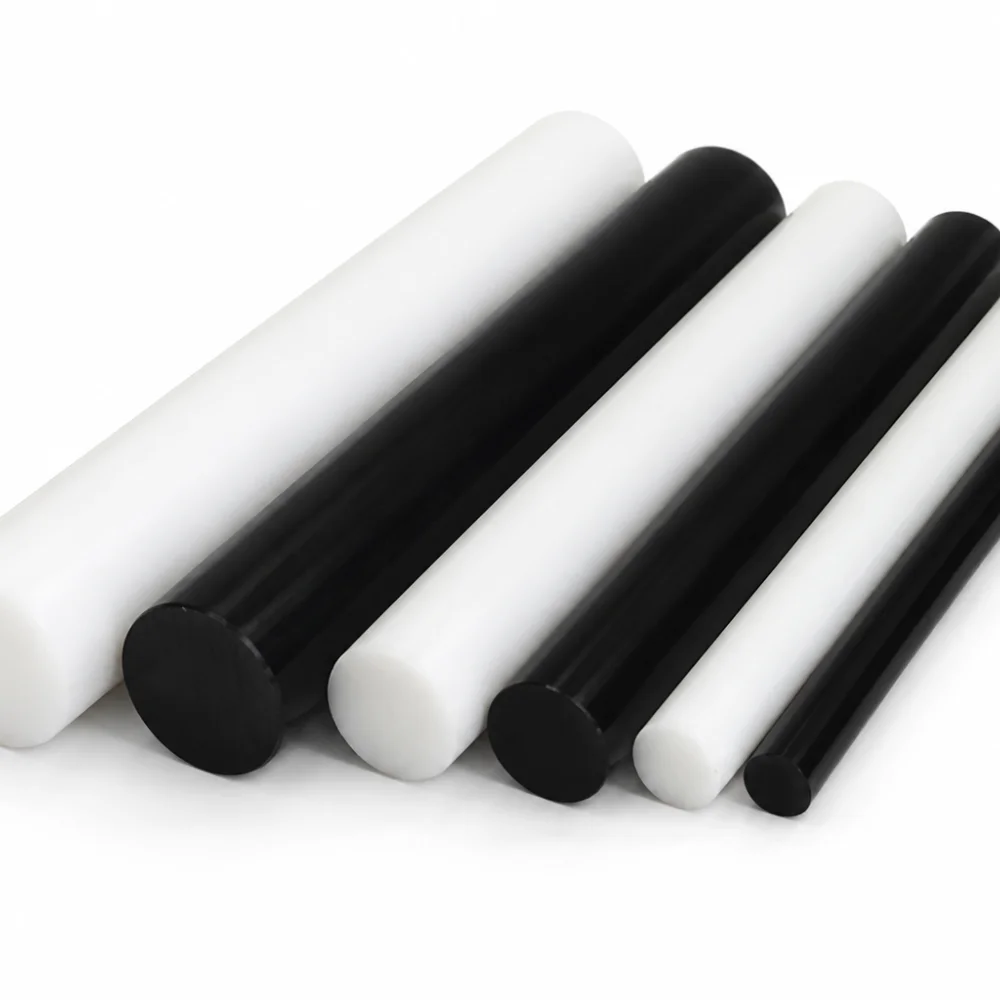
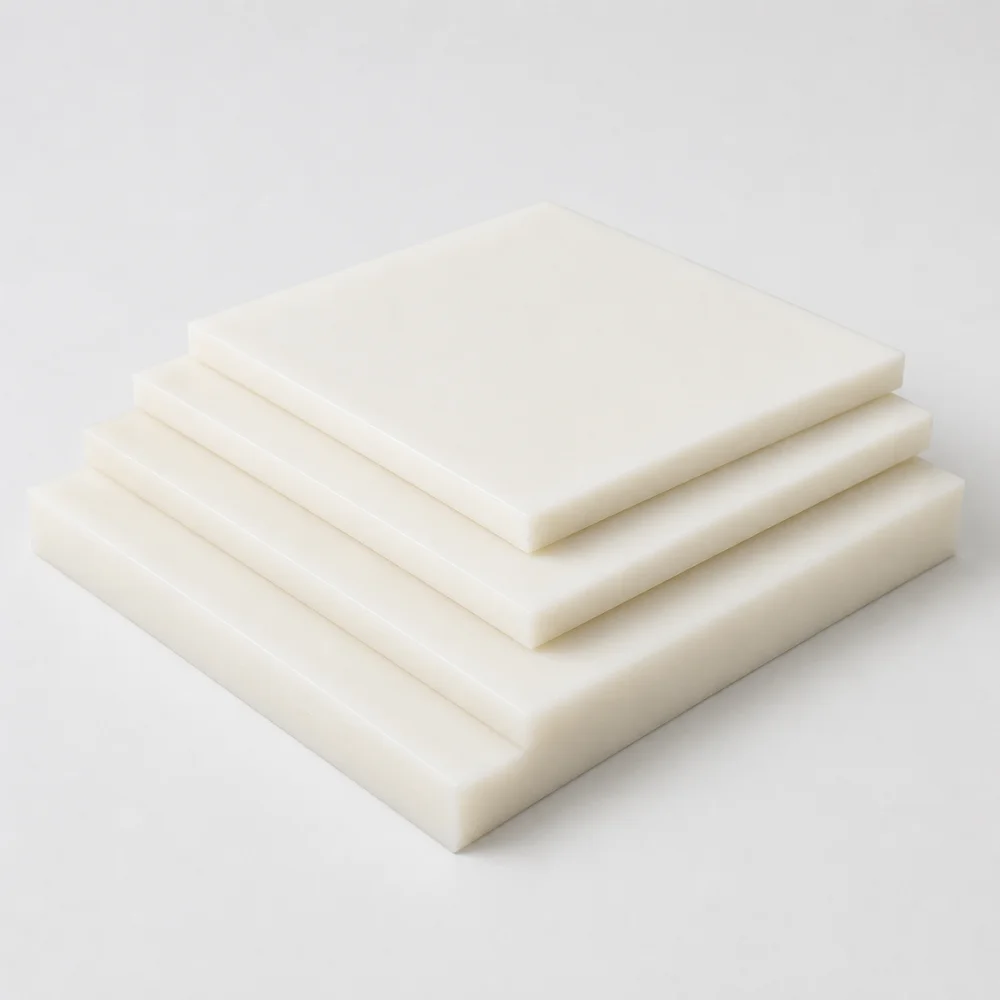
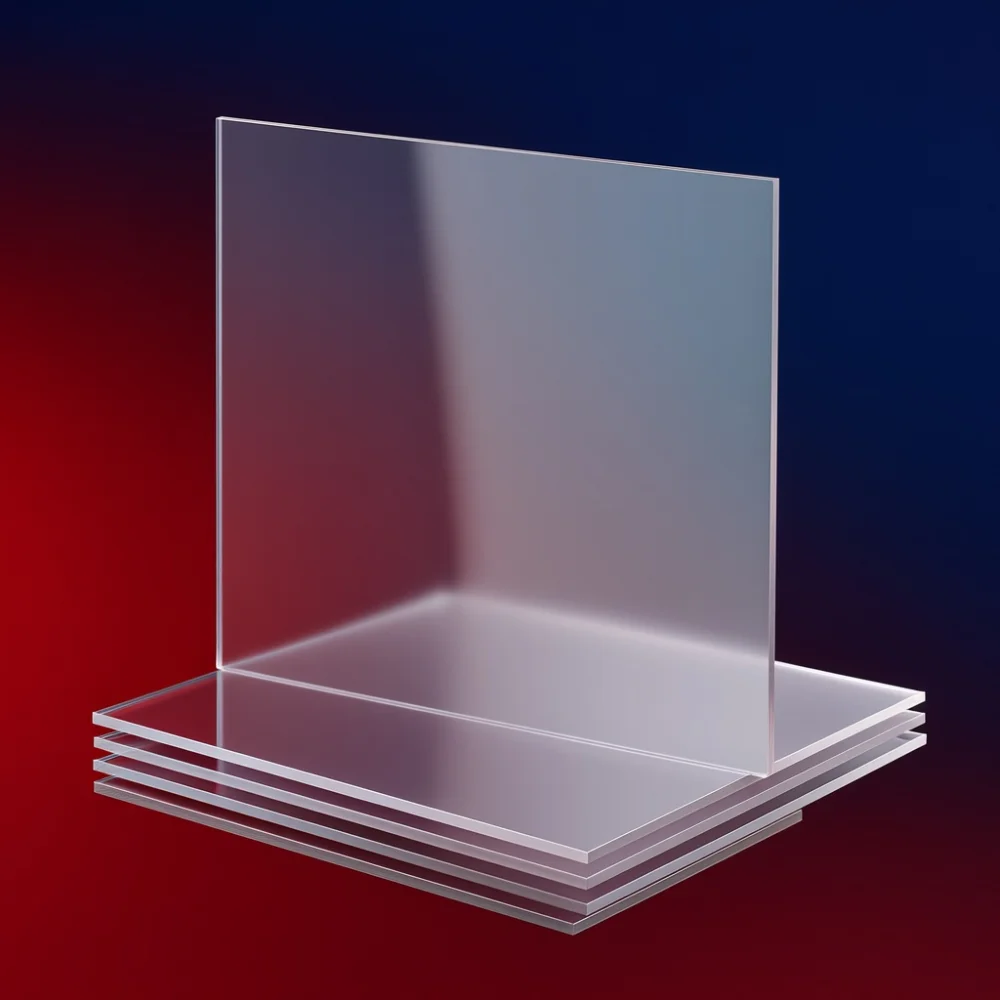
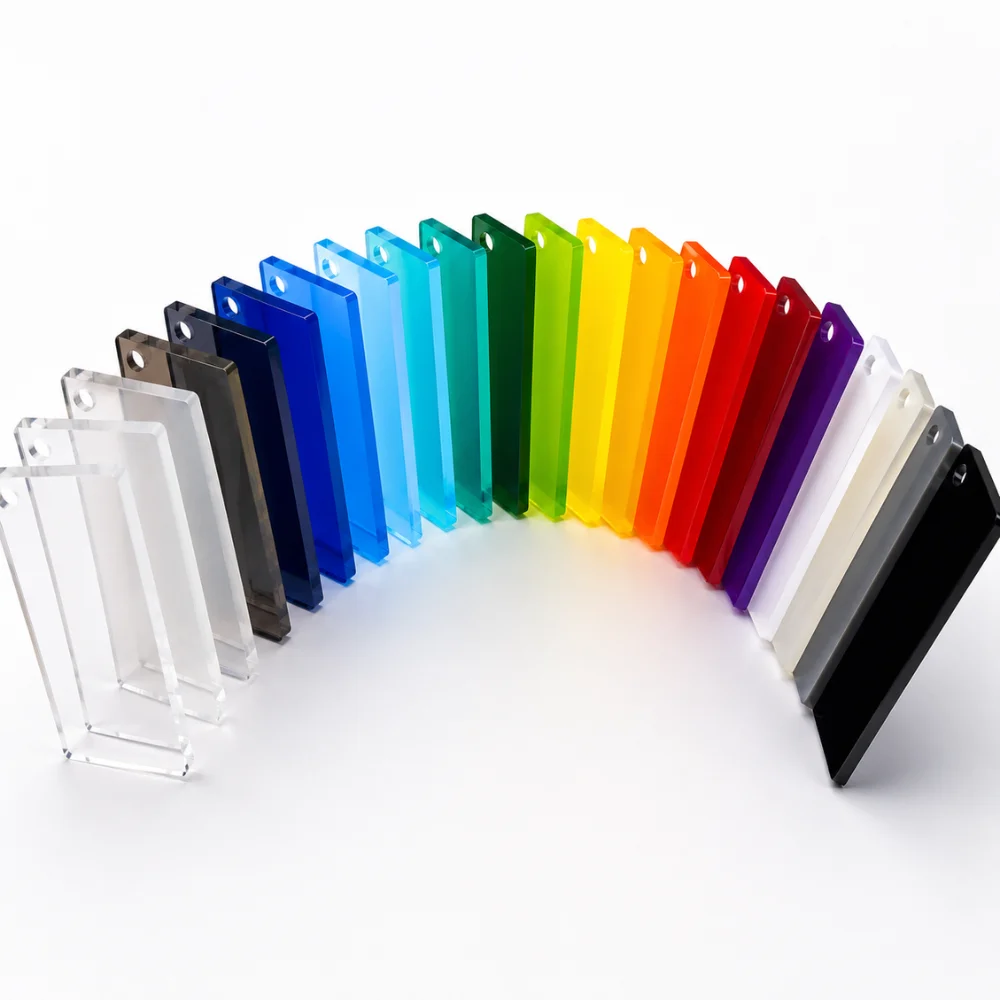
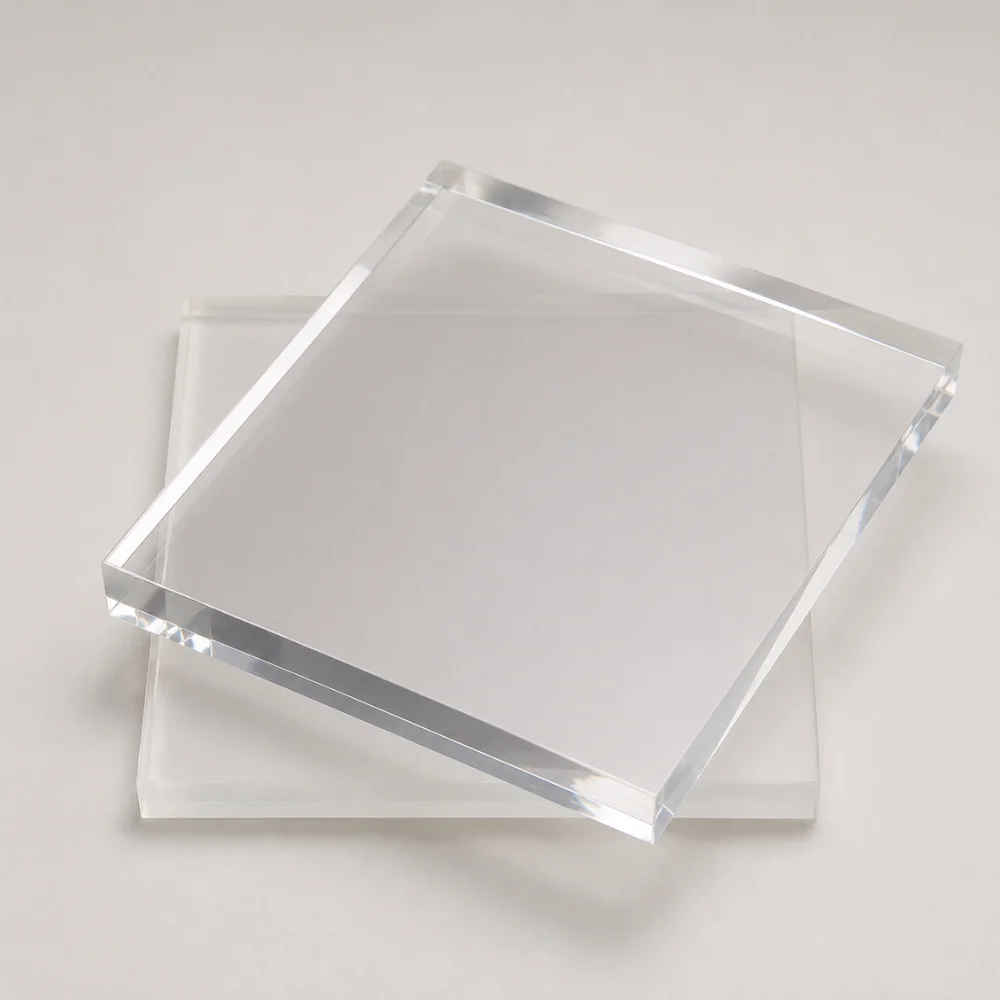


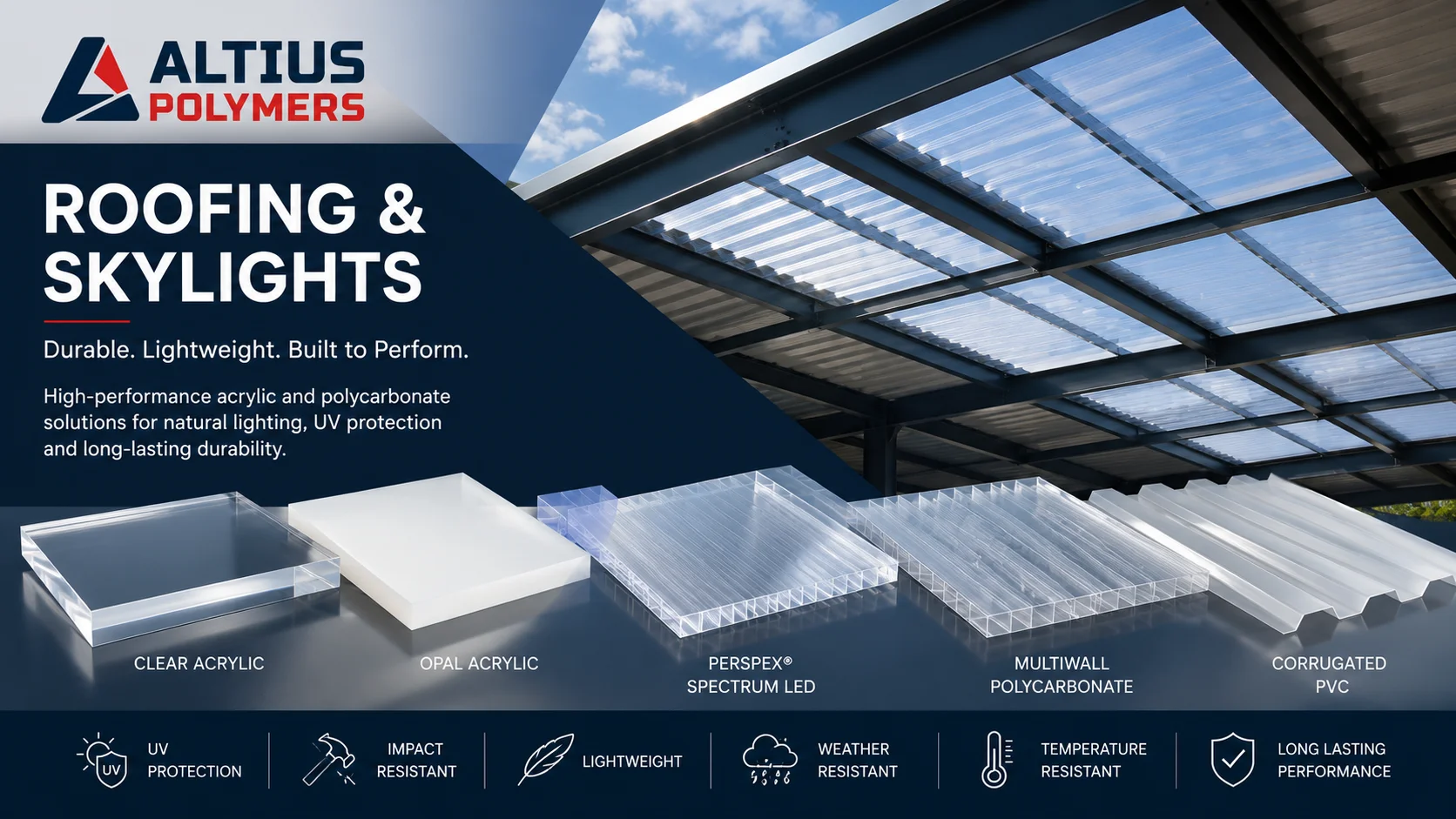
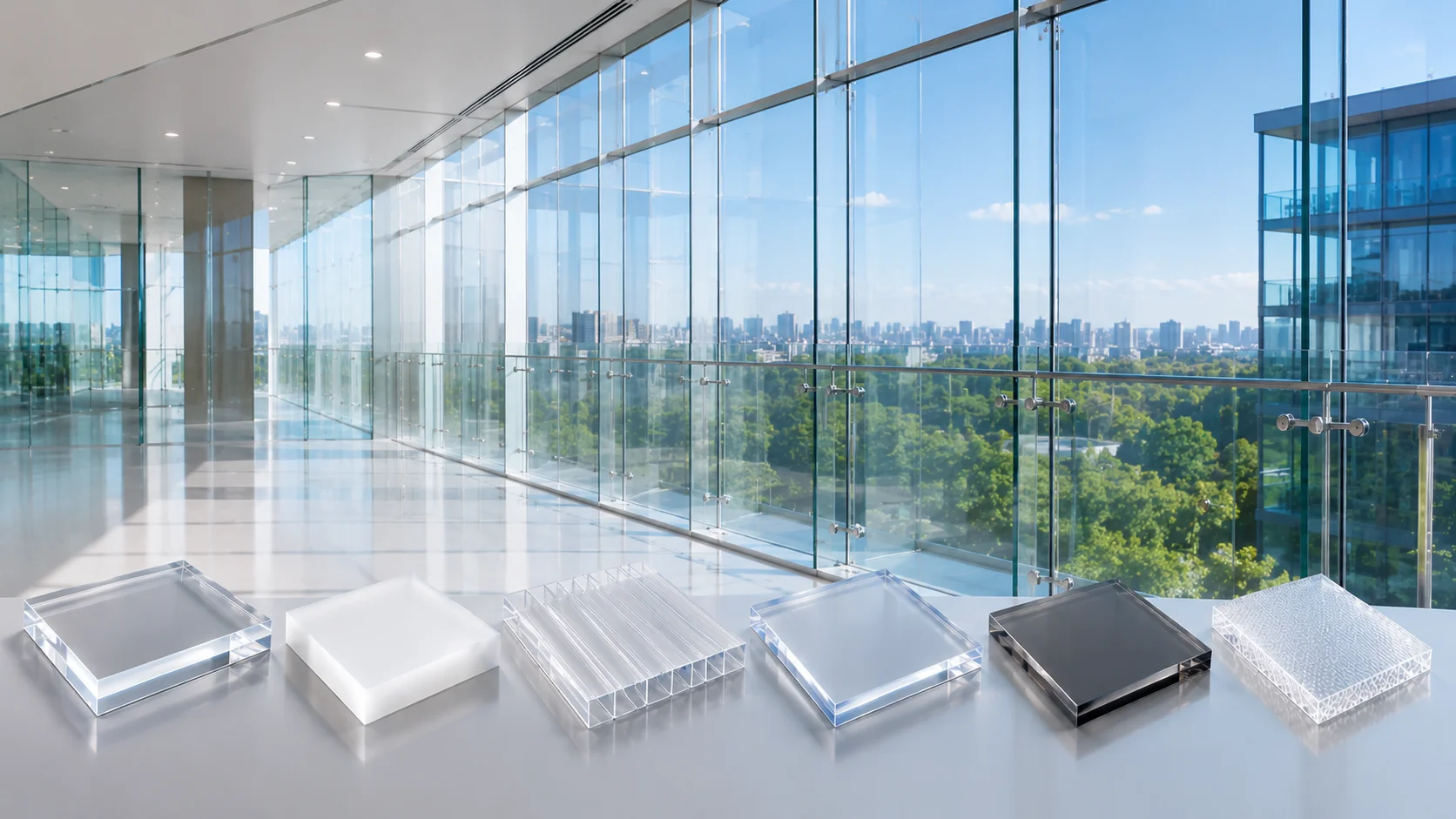

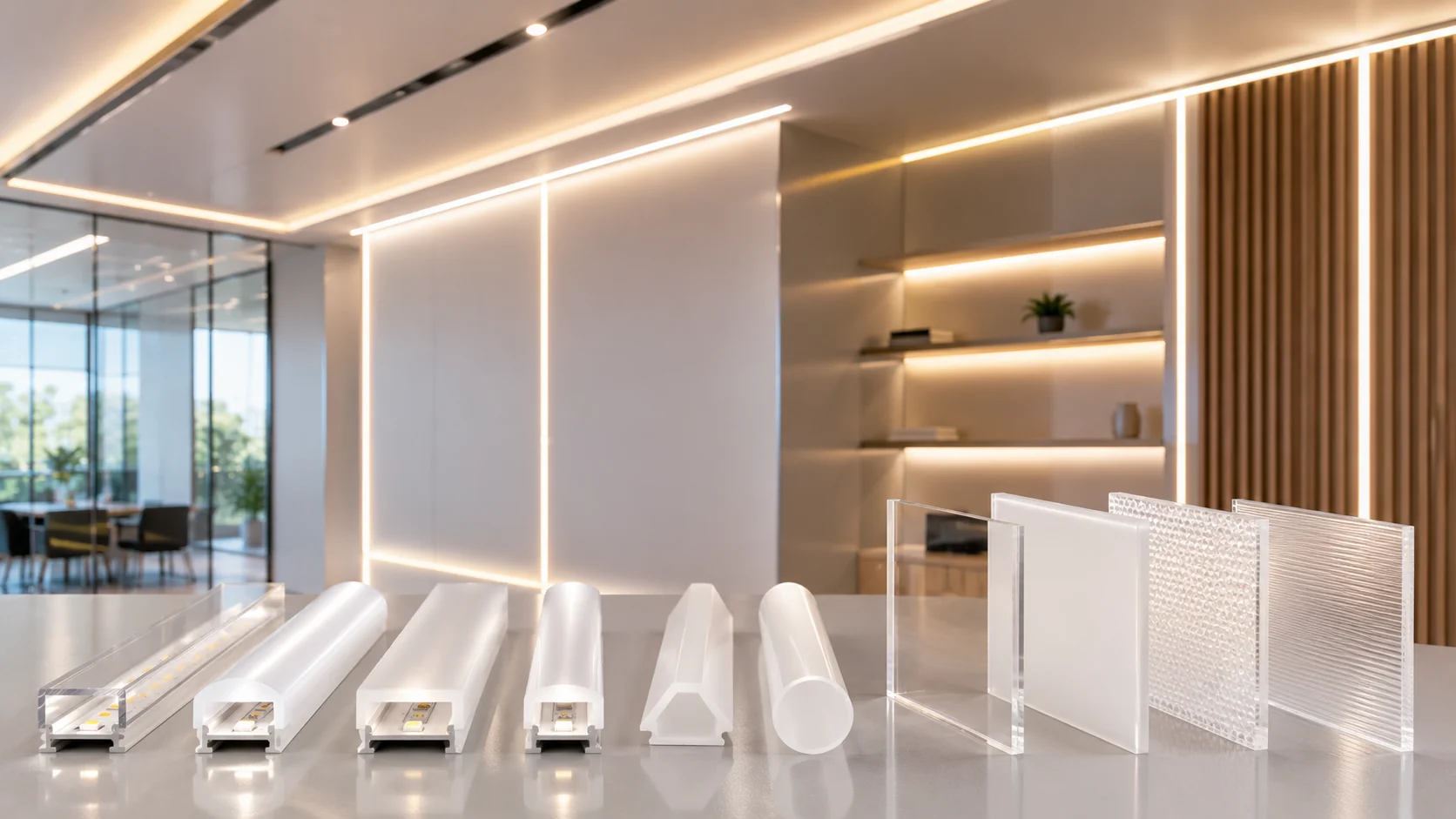
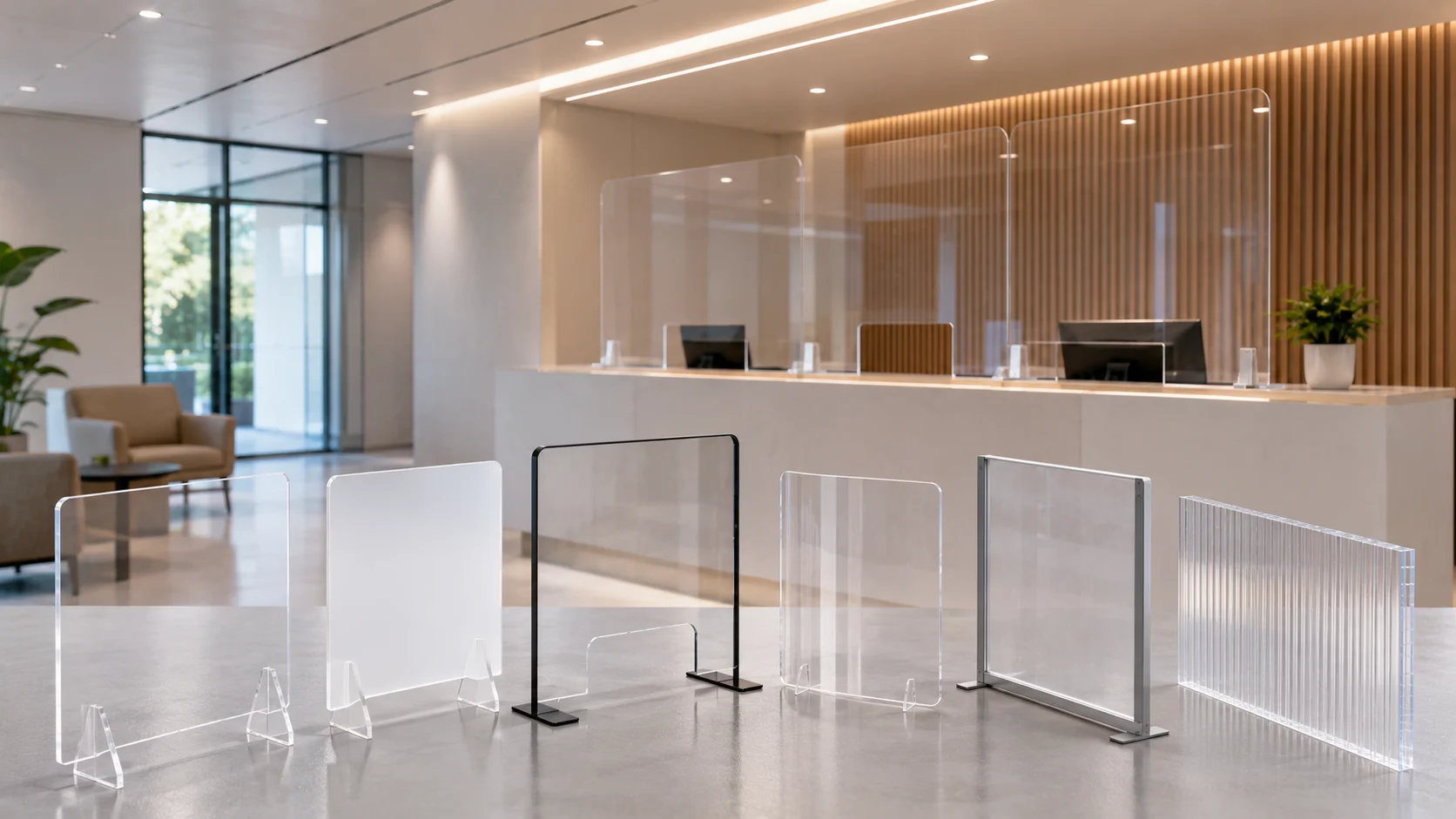
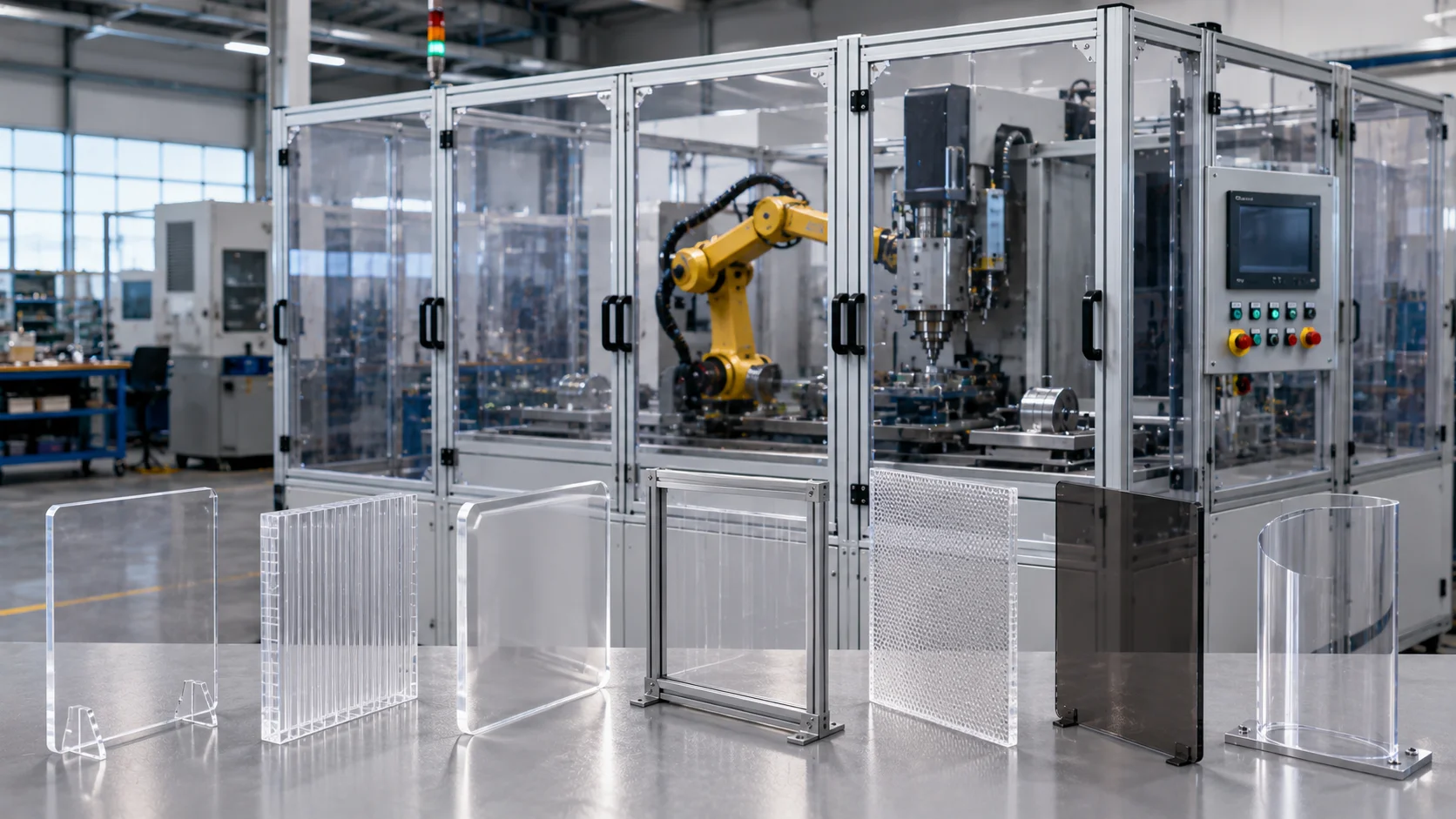
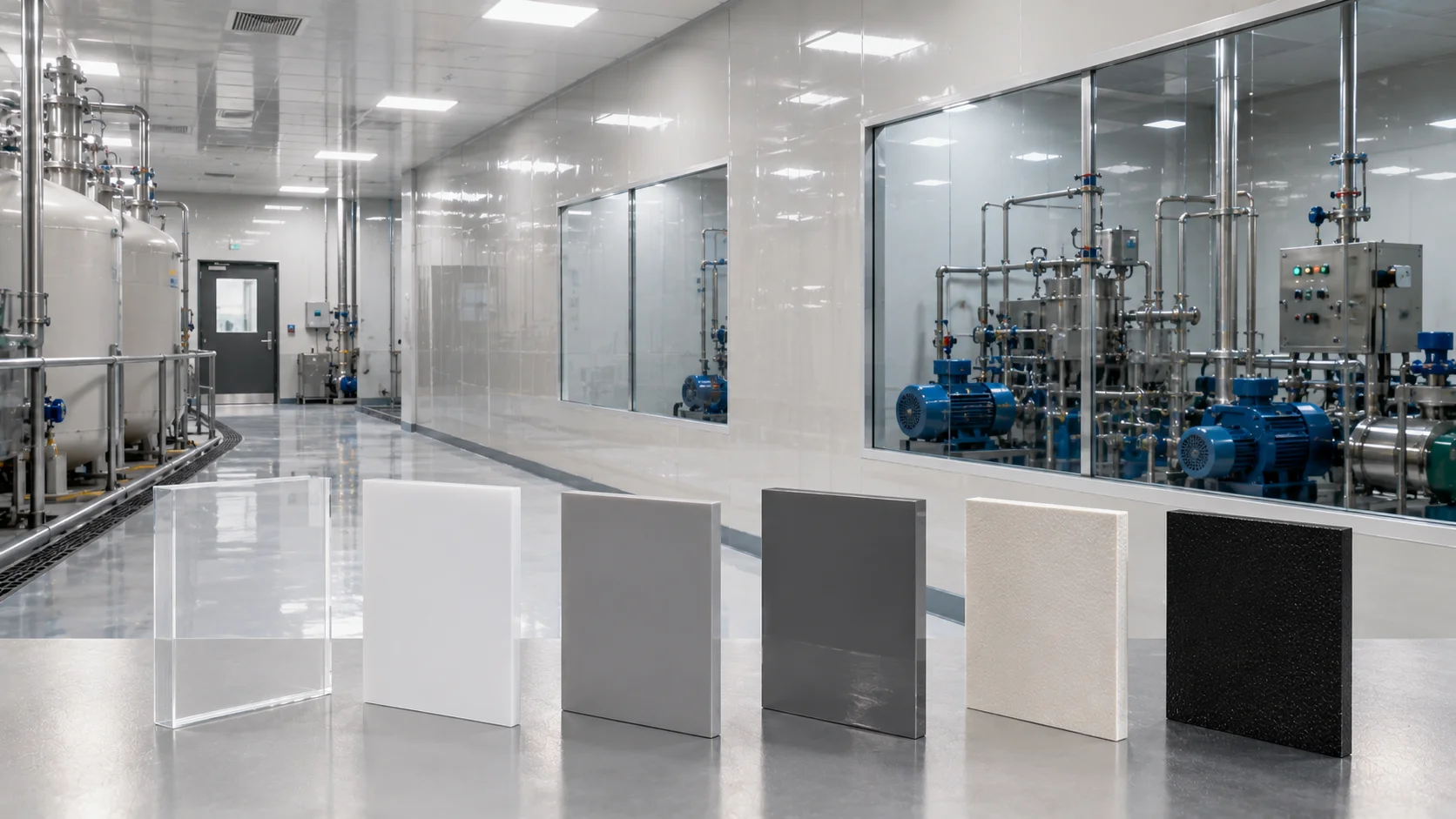

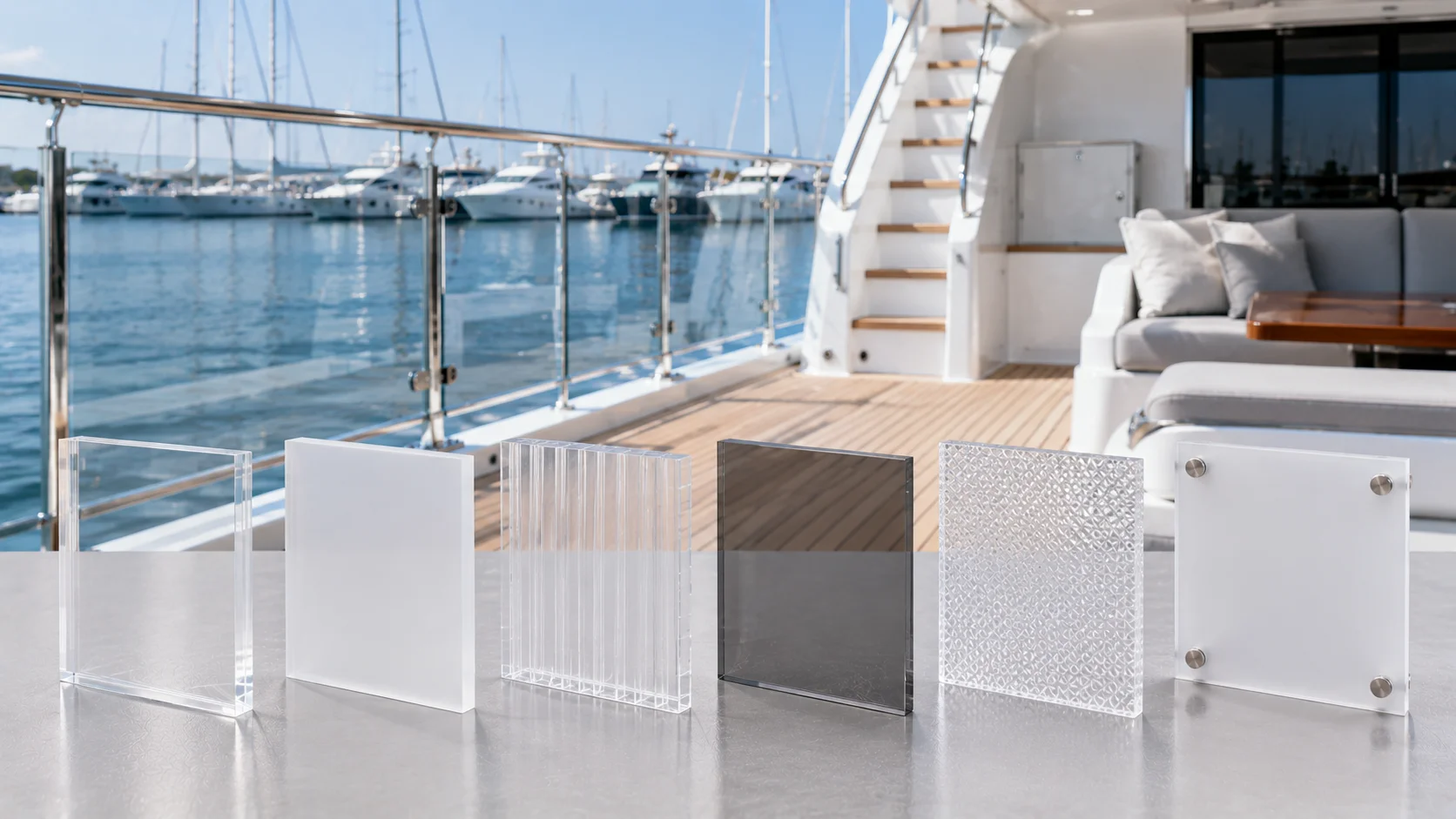
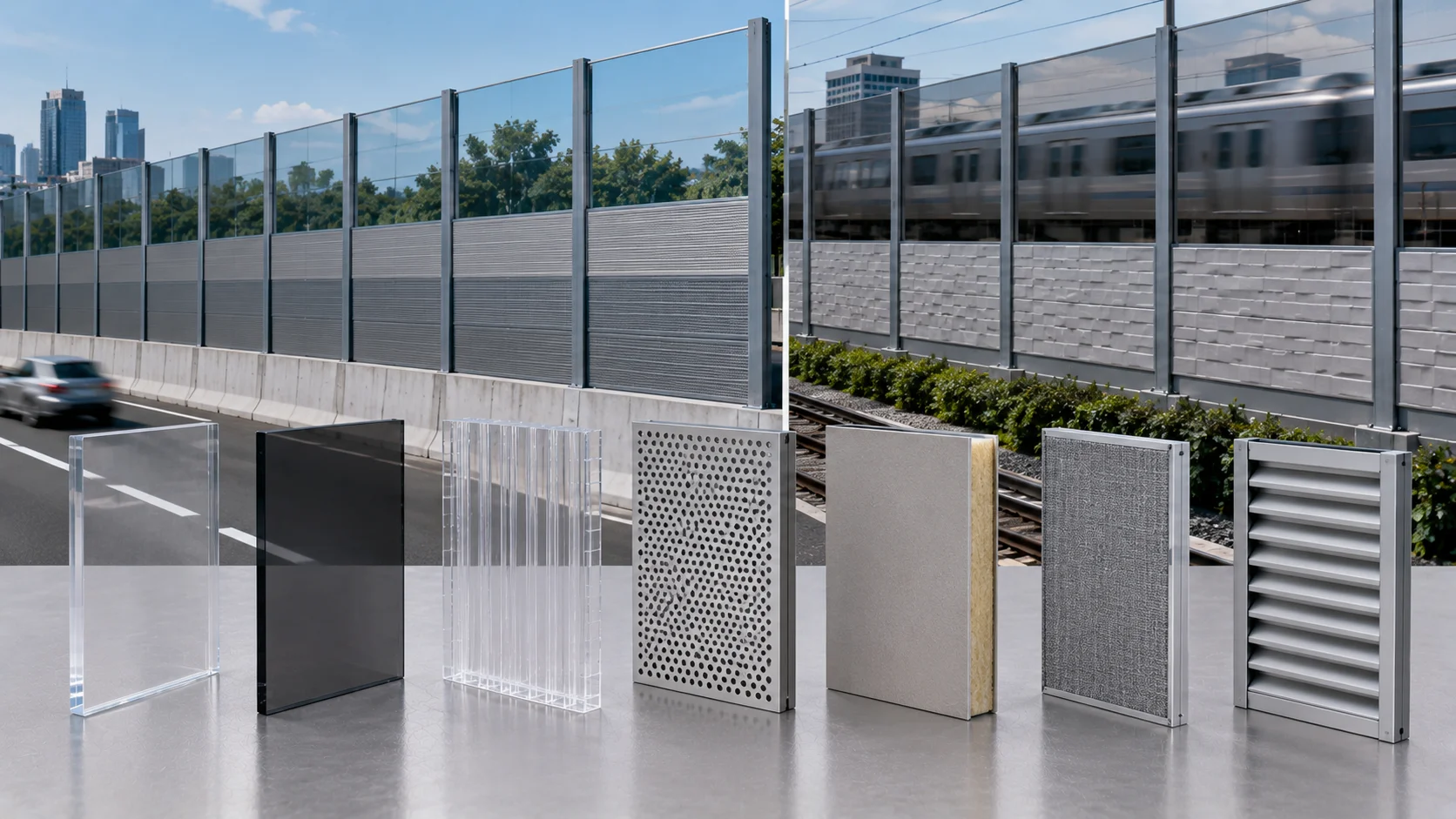
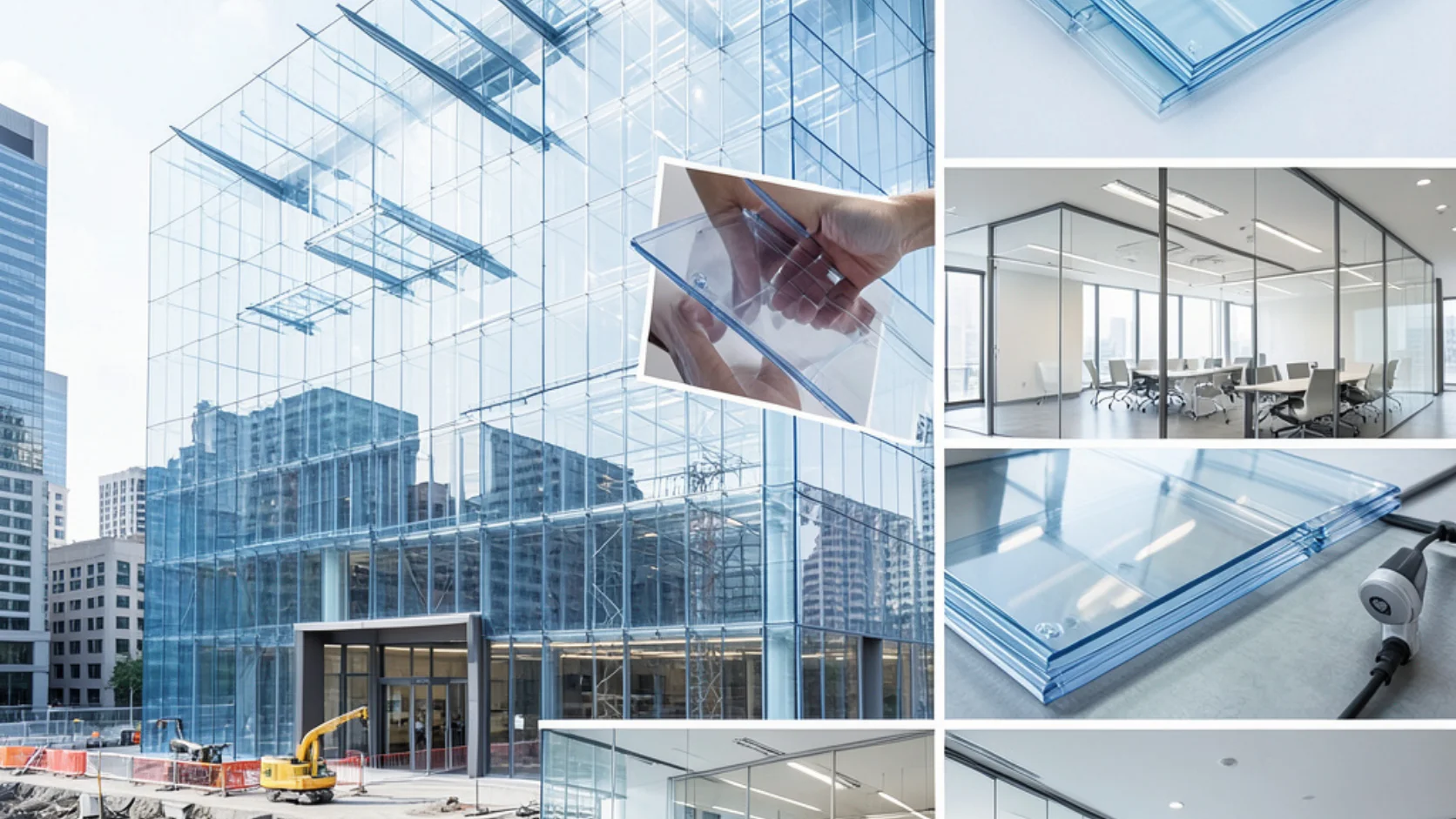

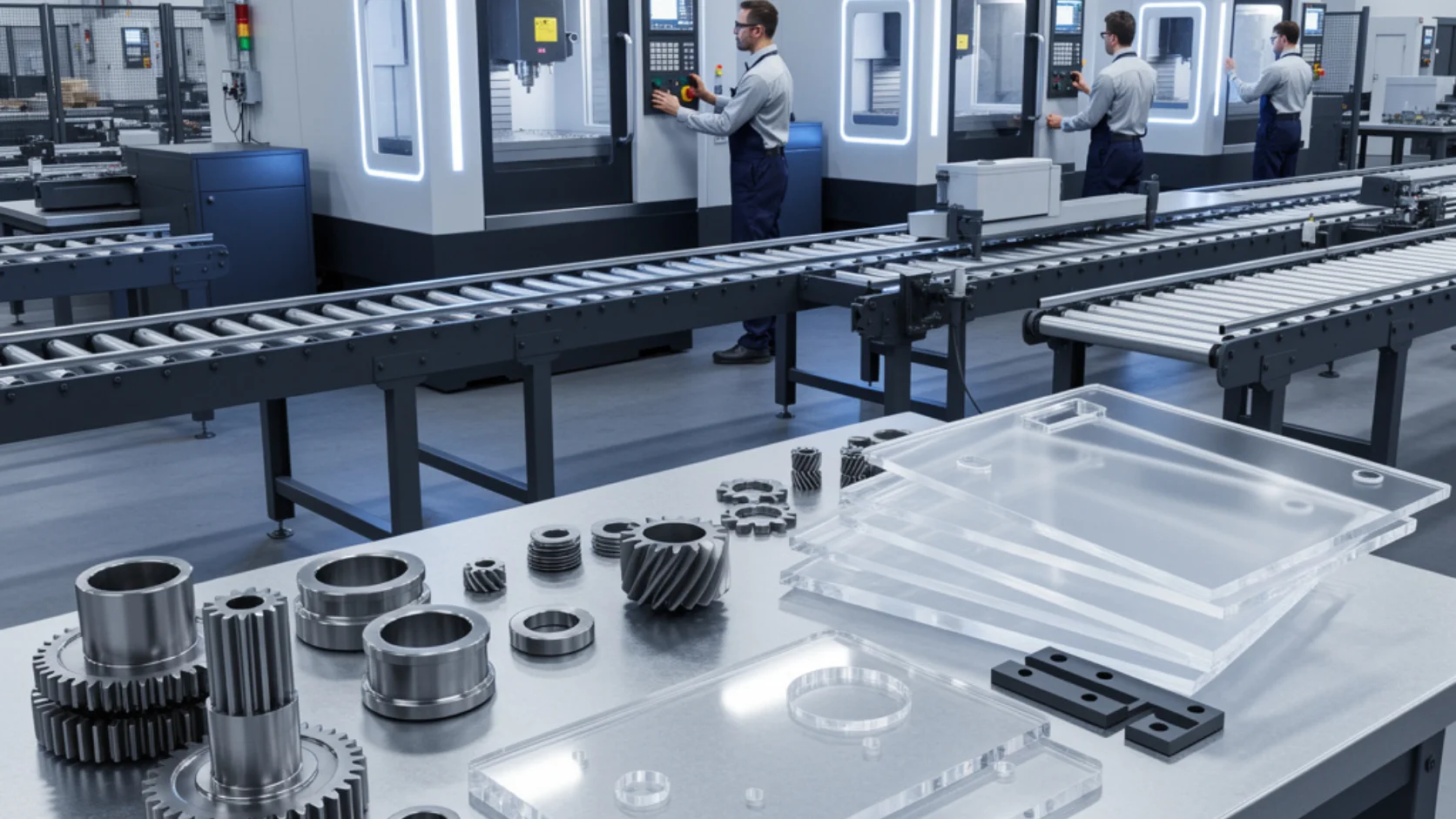
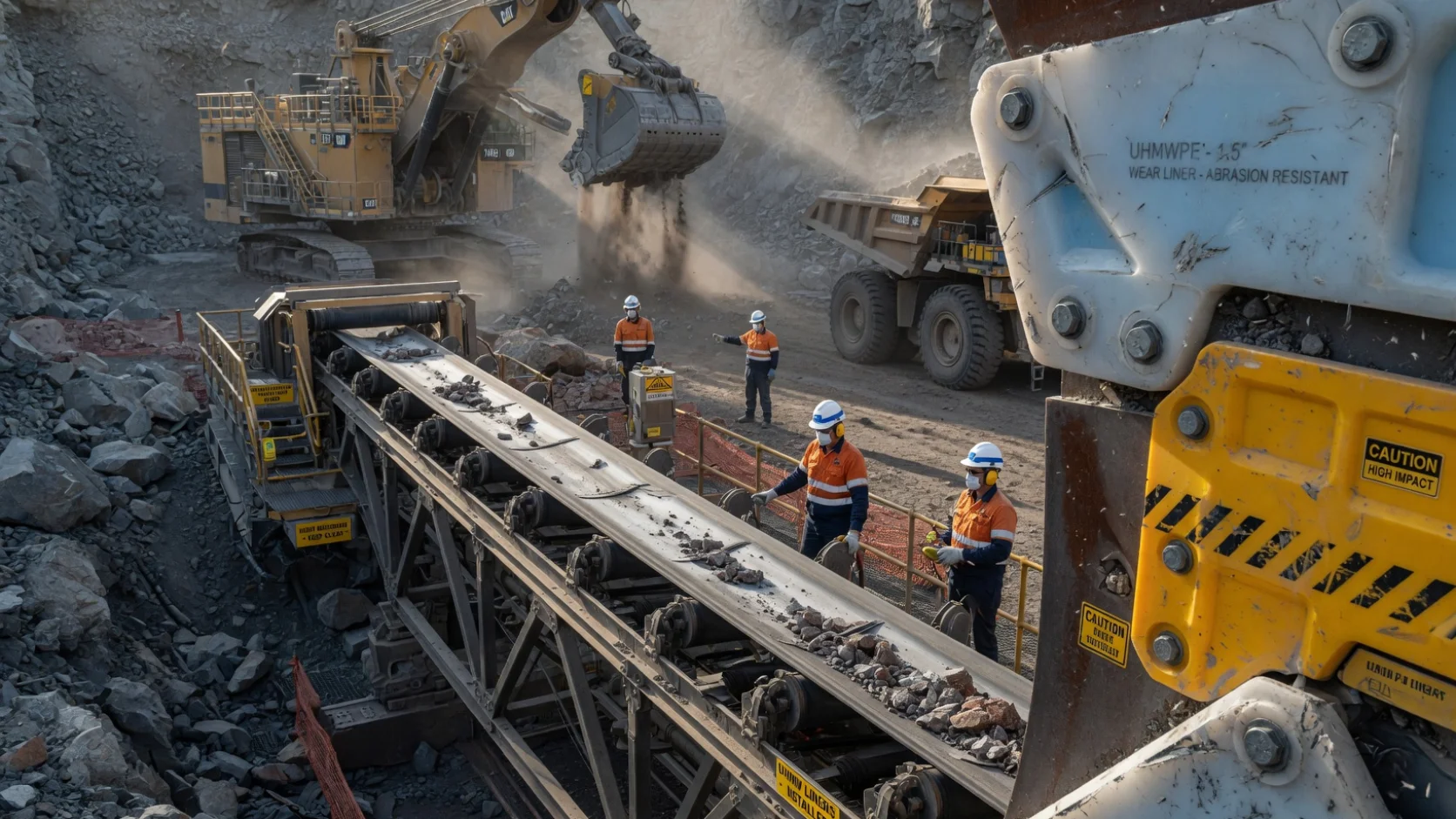
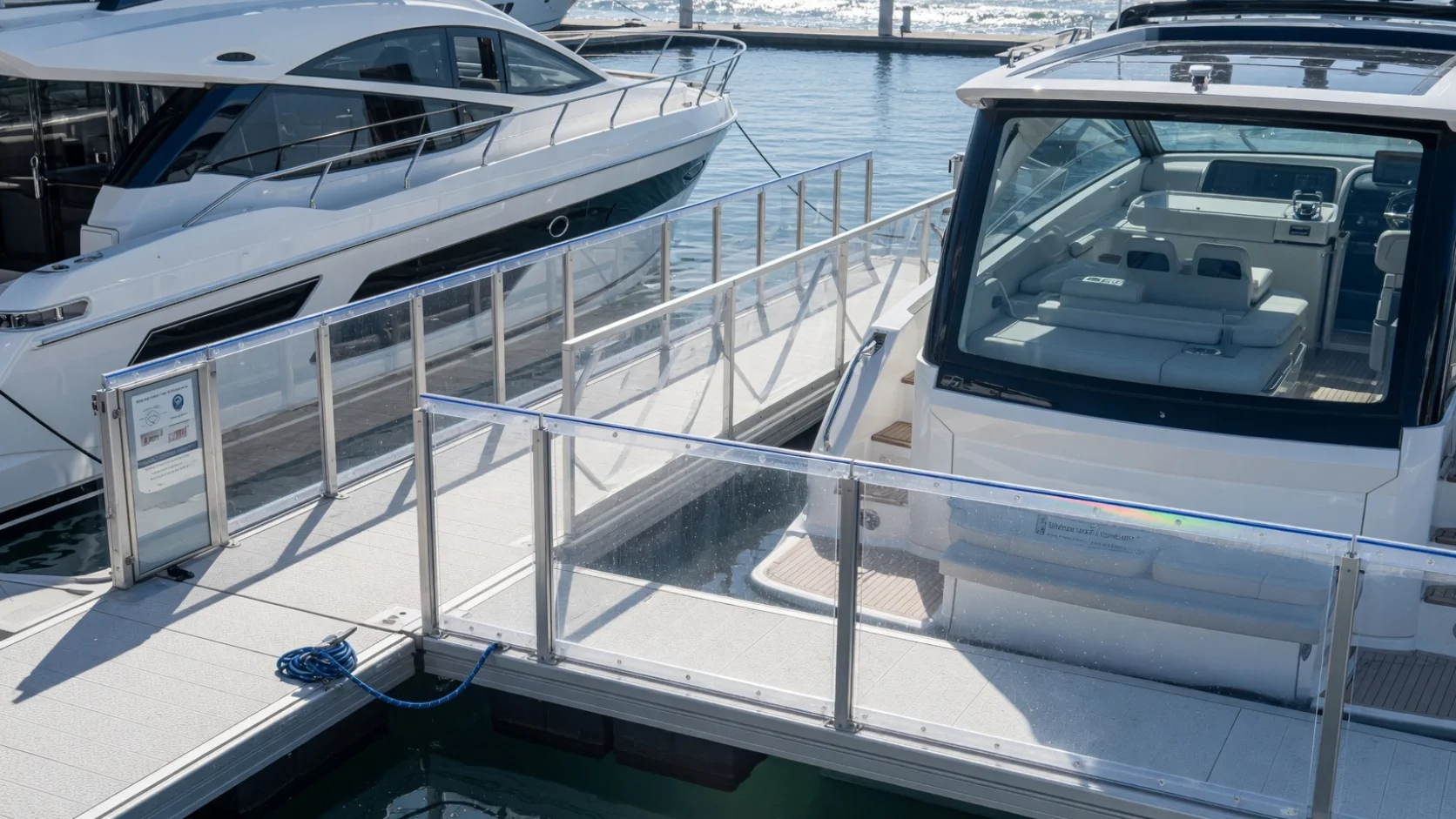

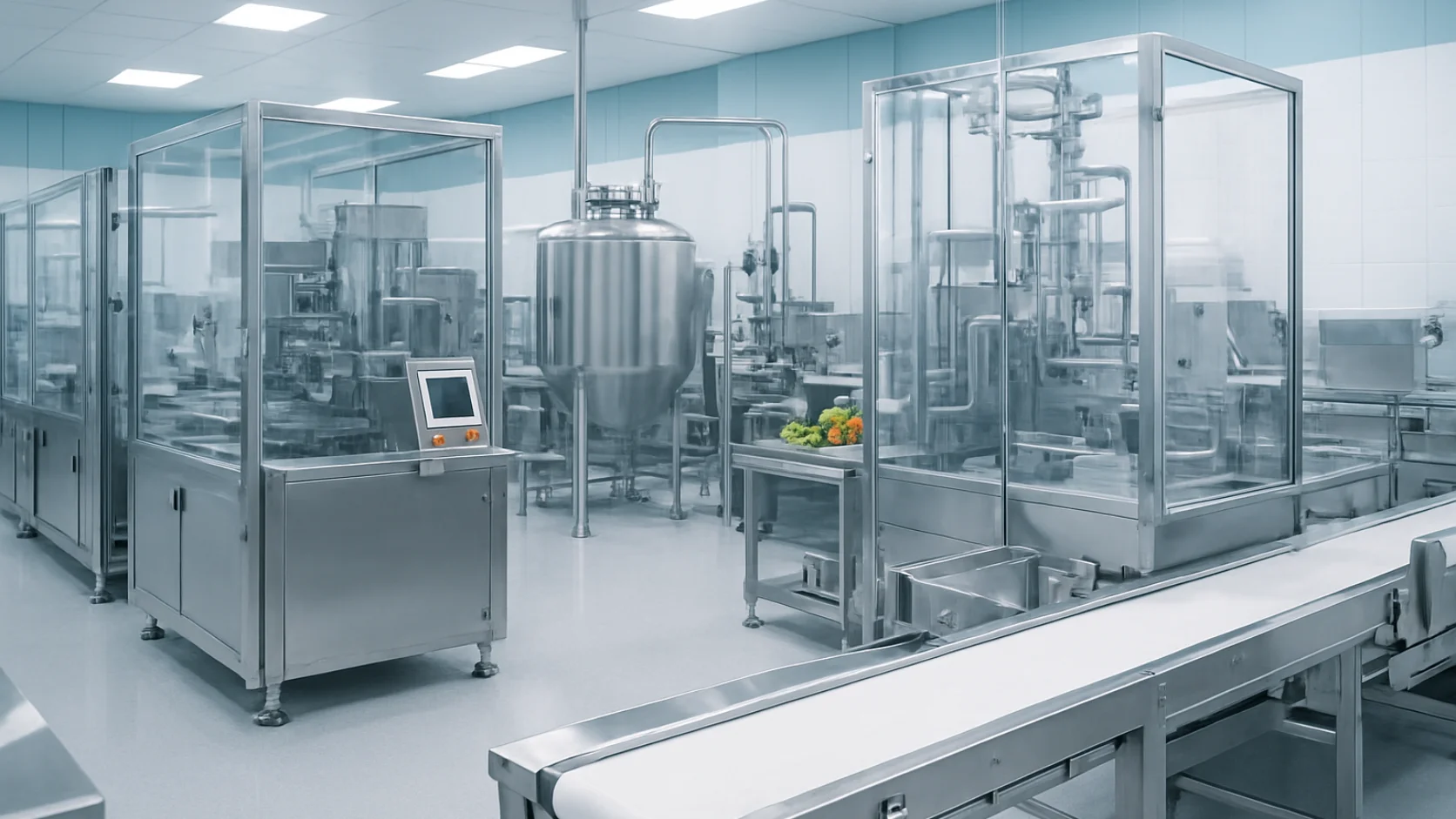

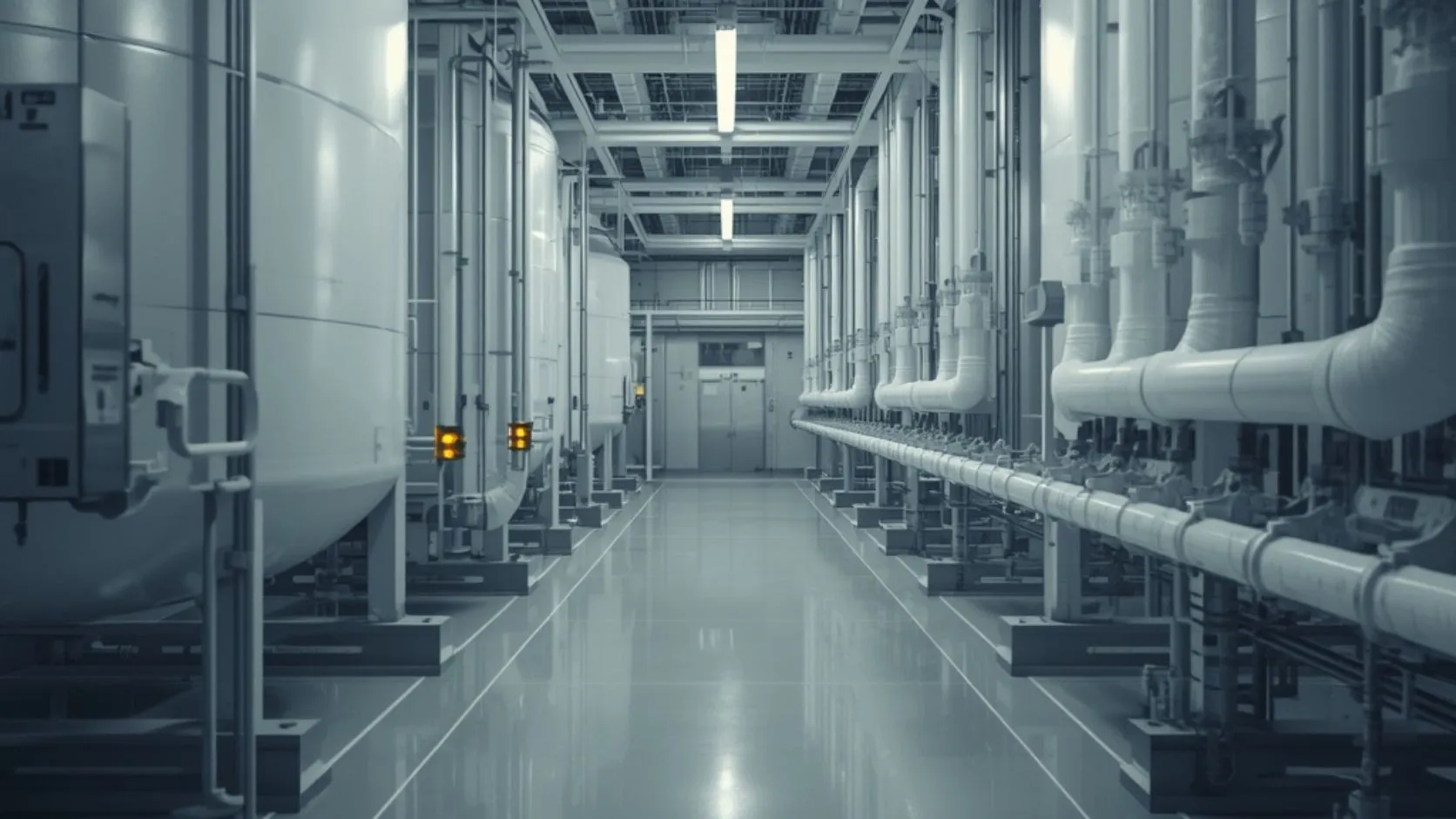
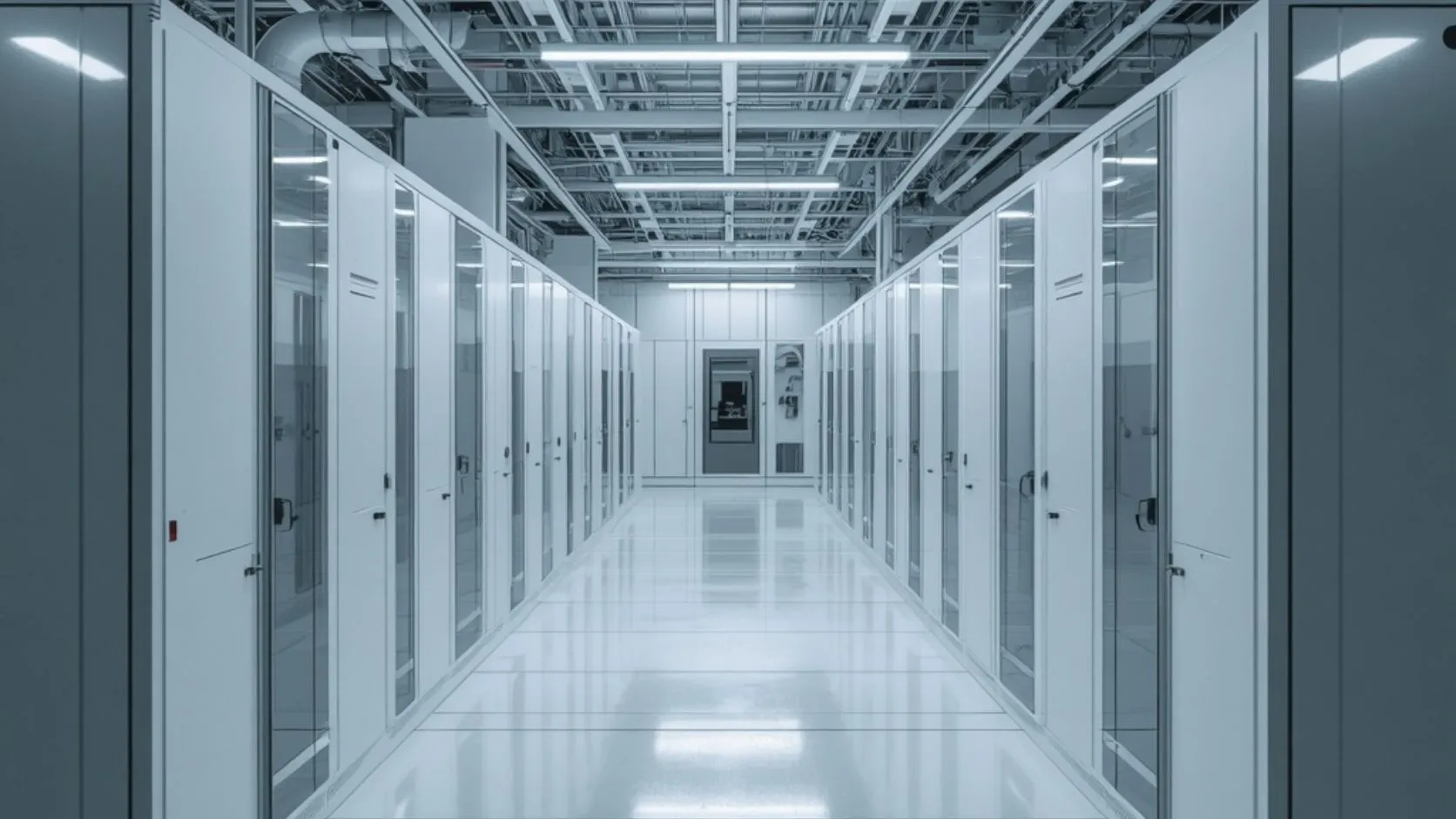
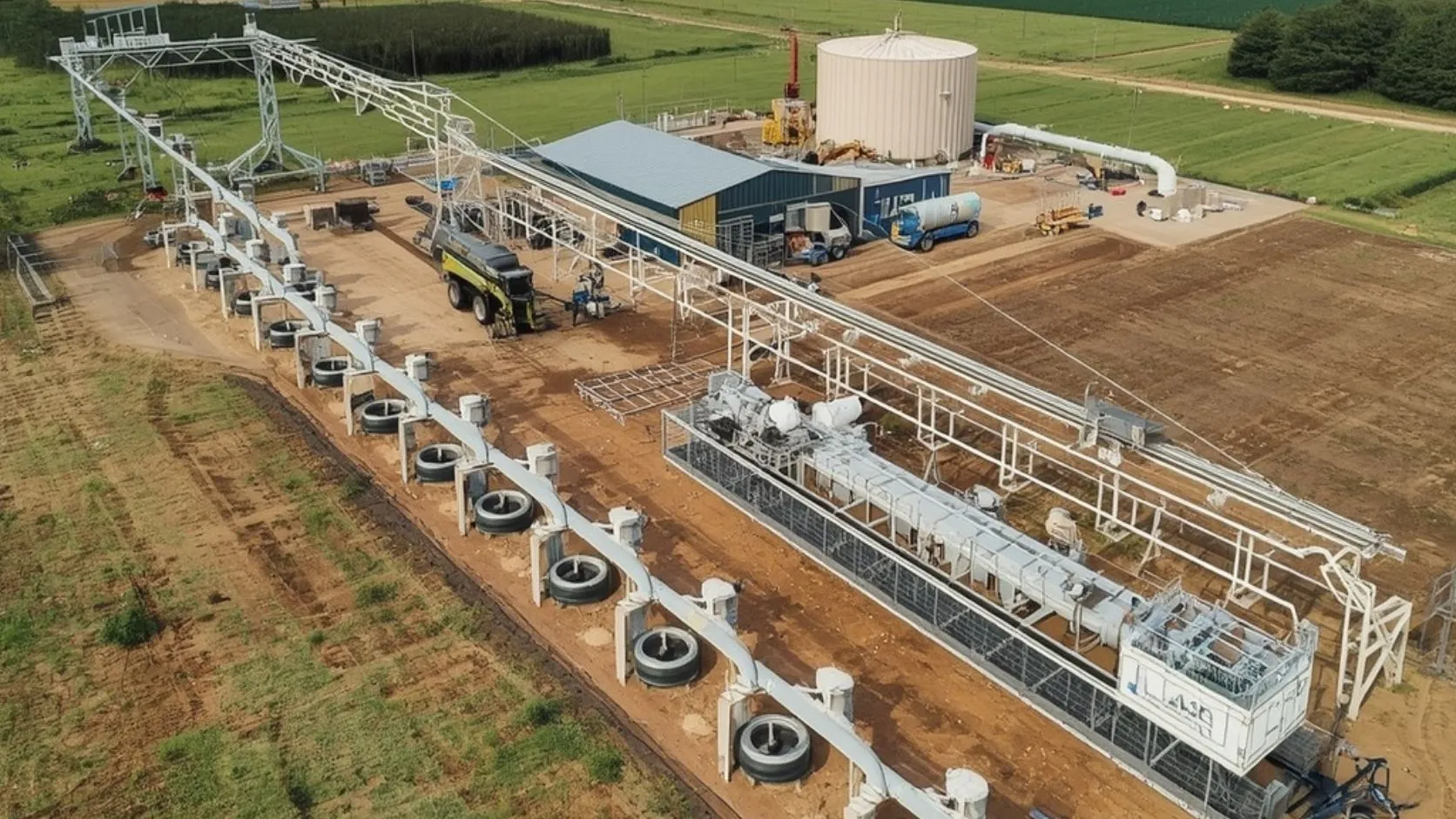
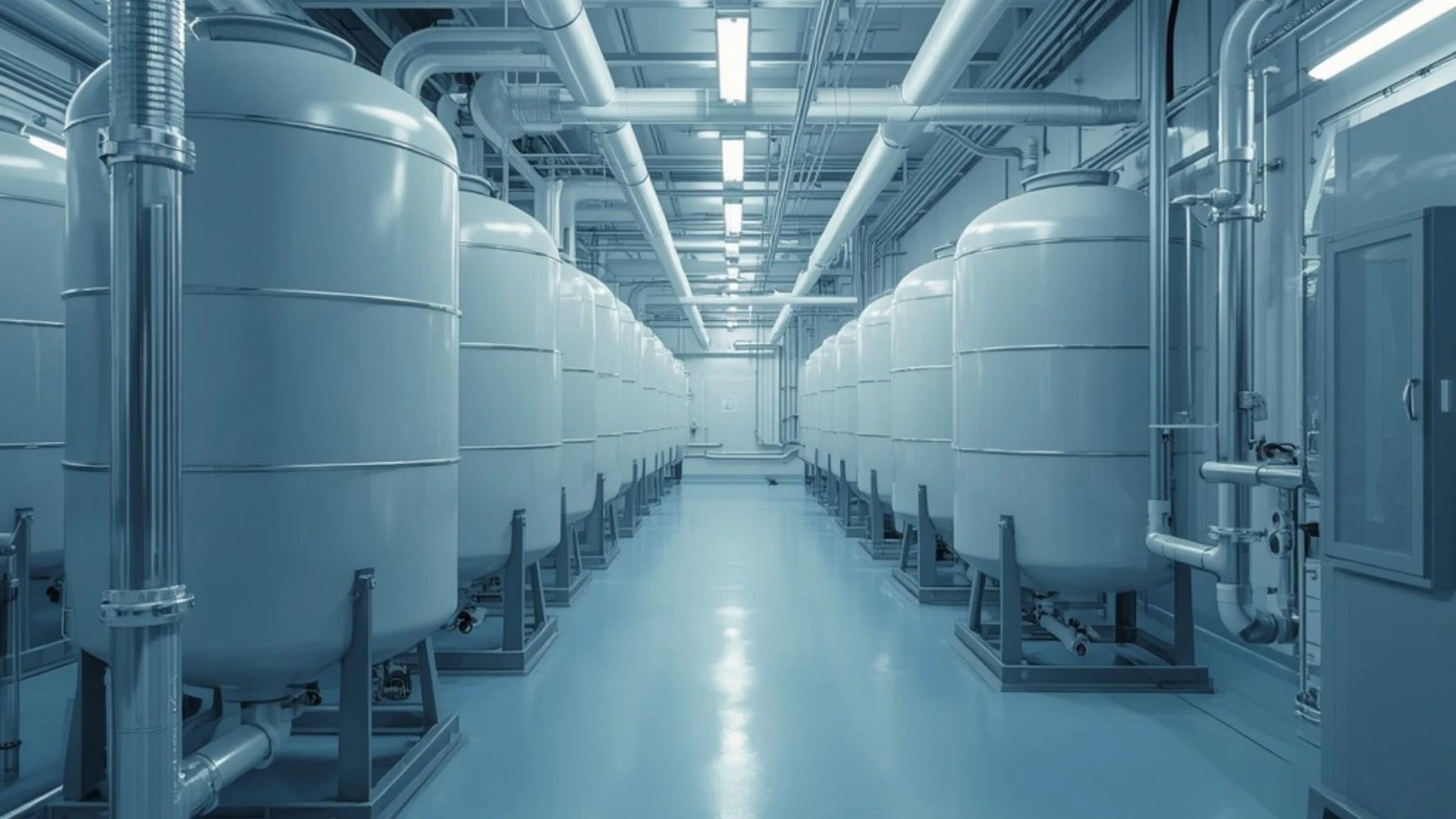


Reviews
Clear filtersThere are no reviews yet.