Frequently Asked Questions
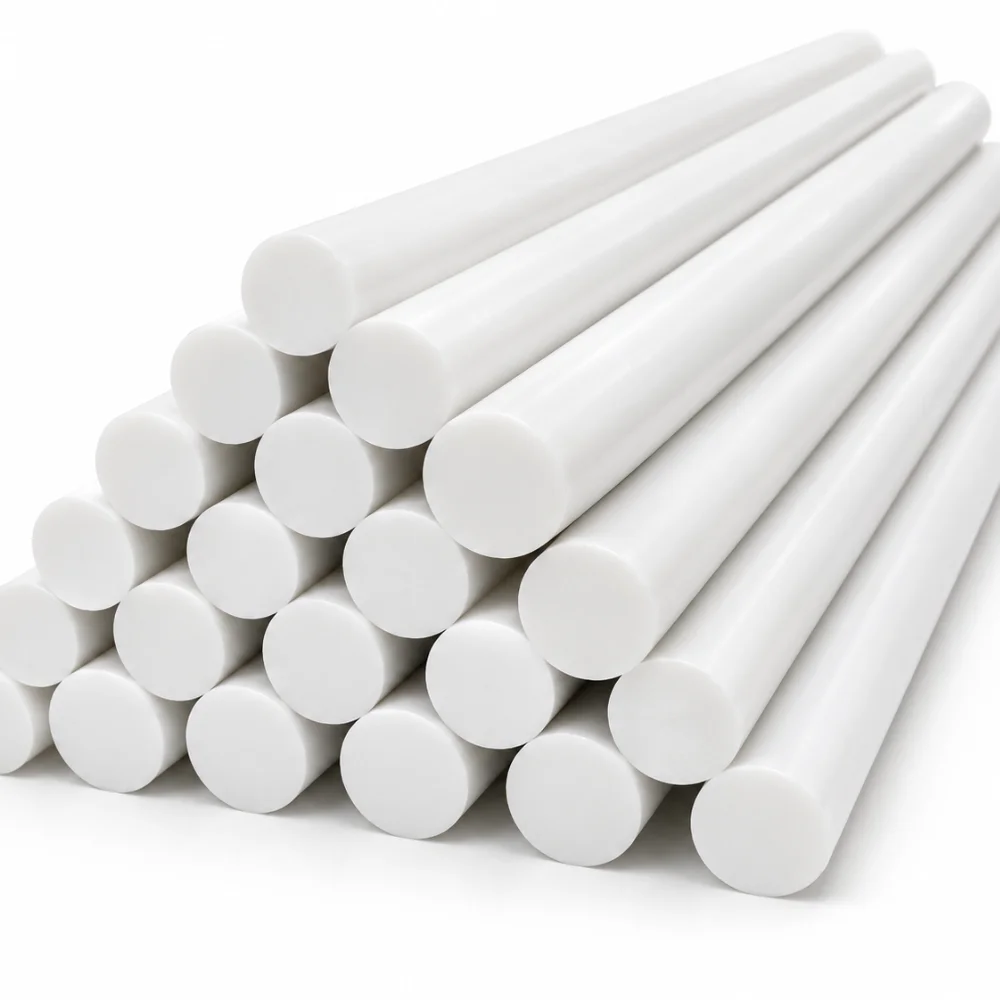
PETP, also written as PET-P or engineering PET, is a semi-crystalline thermoplastic polyester. It is different from amorphous PET packaging material and from PETG sheet.
Engineering PETP offers high strength, rigidity, hardness and dimensional stability together with very low moisture absorption.
PETP is produced by polymerising purified ethylene glycol and terephthalate-based raw materials. The resulting polyester resin is crystallised and converted into engineering stock shapes by extrusion or compression moulding.
Controlled crystallinity gives PETP its stiffness, wear resistance and dimensional accuracy.
PETP is especially valued for:
- Excellent dimensional stability
- Very low moisture absorption
- High strength, stiffness and surface hardness
- Good creep resistance
- Good wear and low-friction behaviour
- Close-tolerance machinability
- Good electrical insulation
- Better bonding capability than Acetal, PTFE or polyethylene
PETP is commonly considered when greater dimensional stability than Nylon is required, but the temperature and chemical requirements do not justify PEEK.
Common applications include:
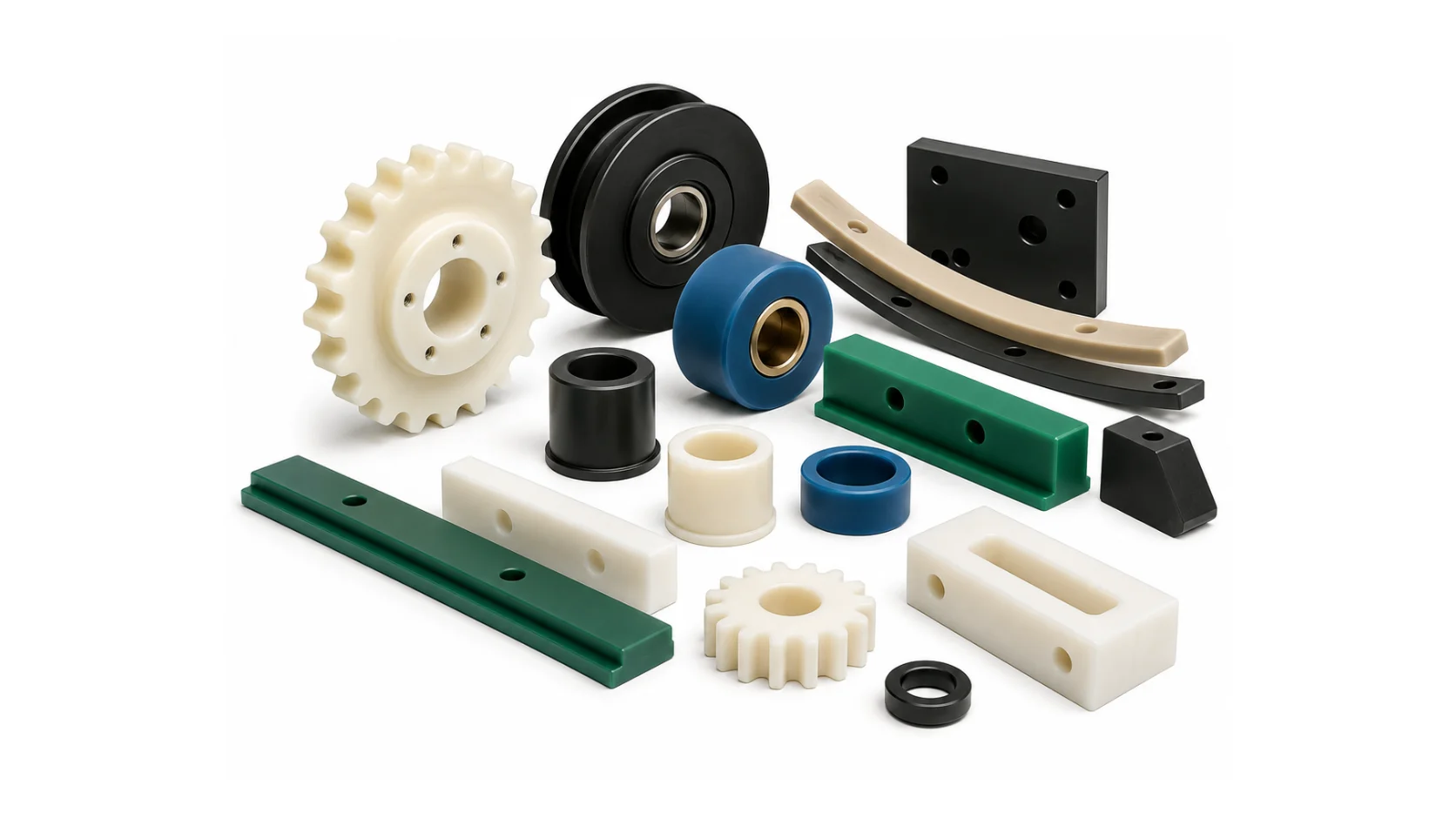
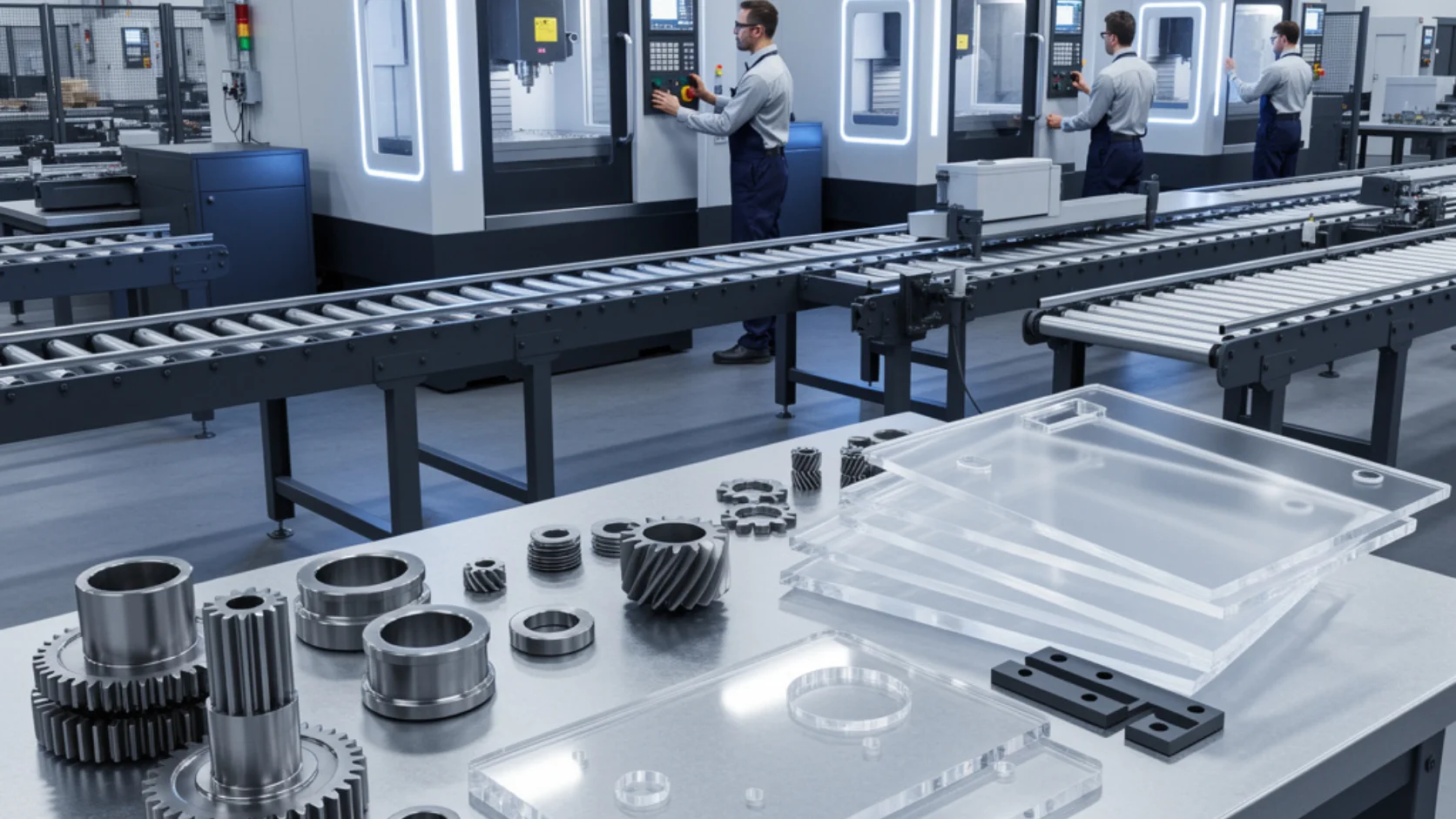
- Precision gears and bearings
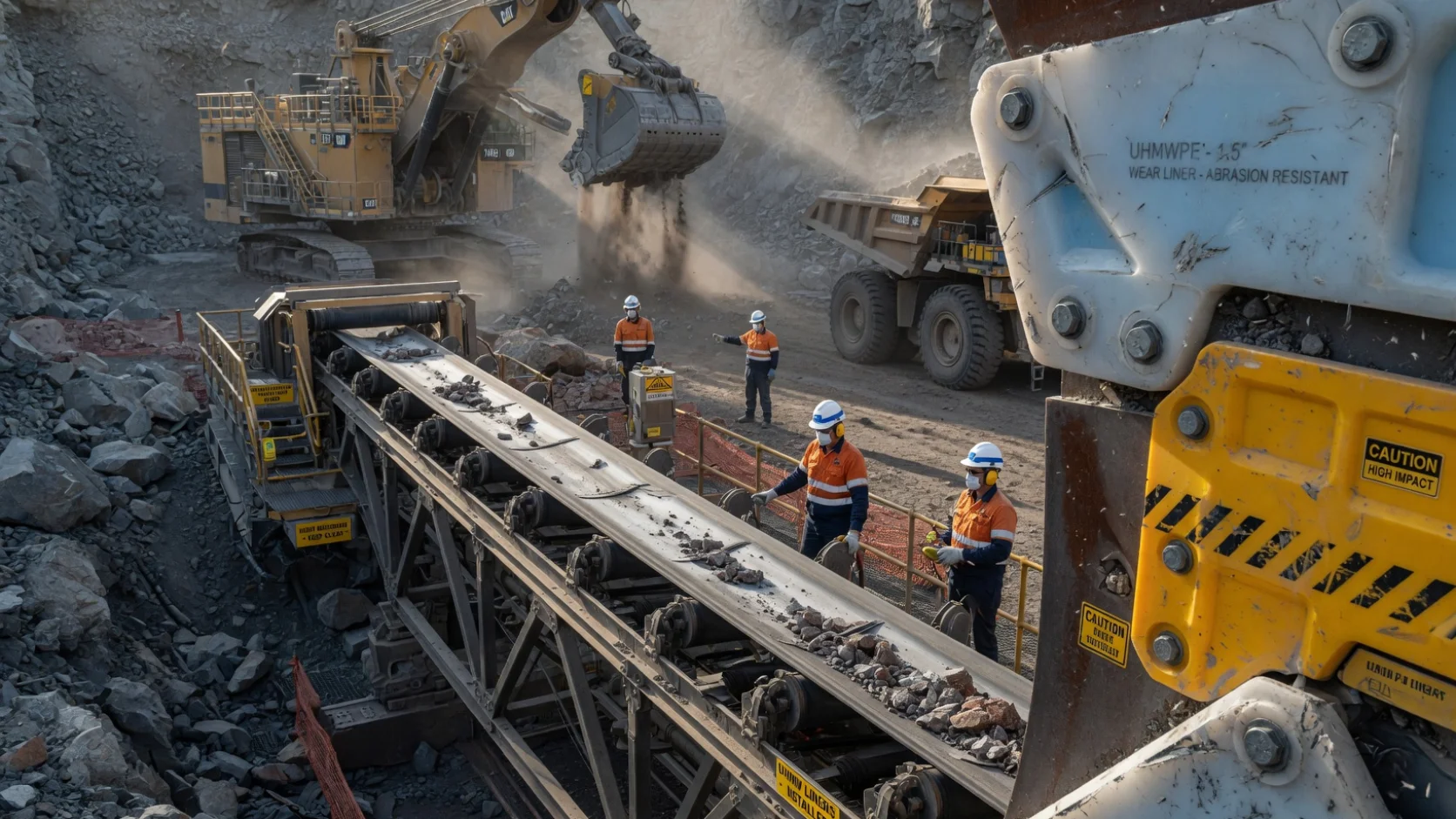
- Rollers, guides and wear strips
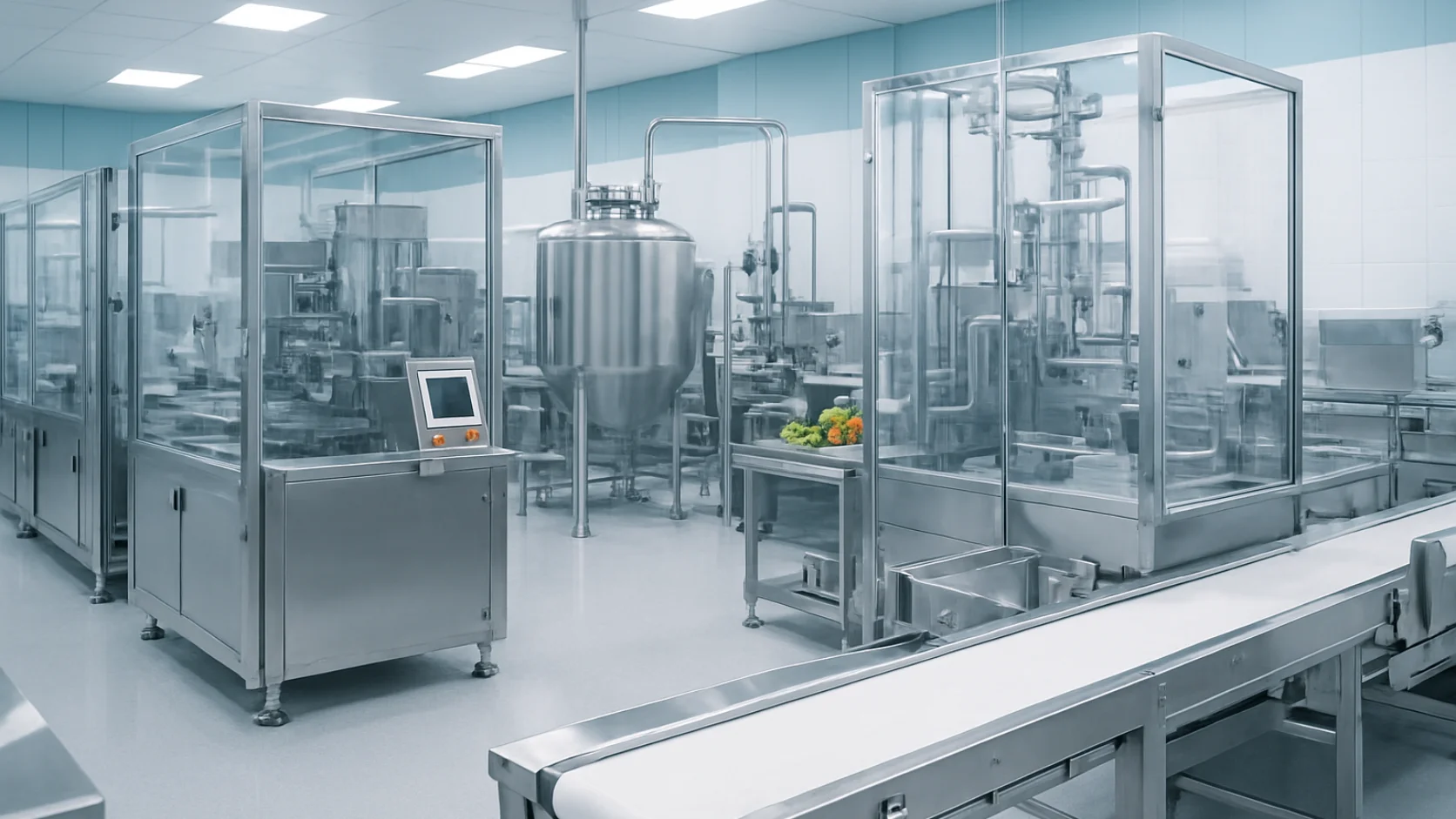
- Food-processing machinery
- Scrapers and filling-machine components
- Electrical insulators and housings
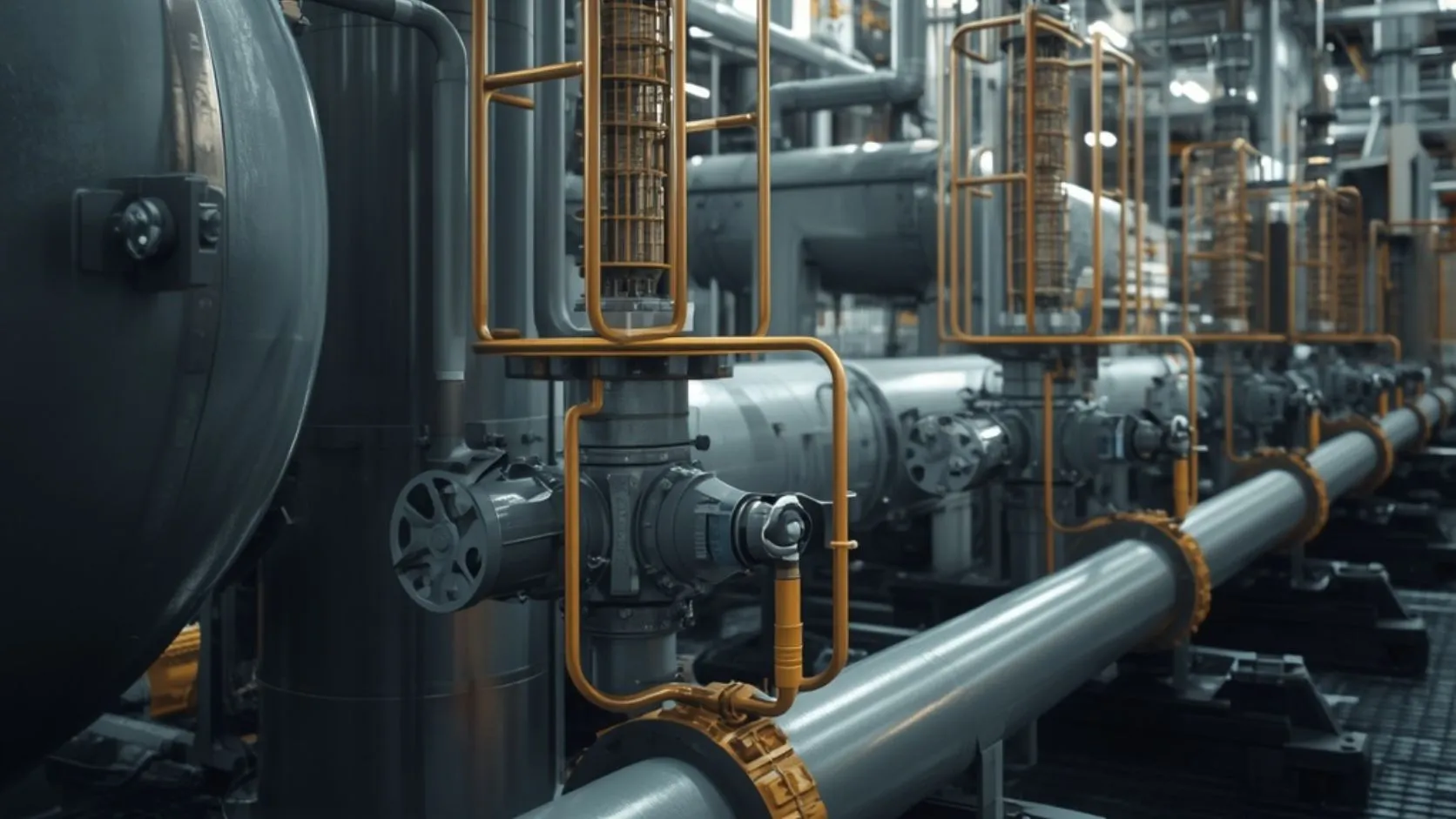
- Pump and valve components
- Dosing equipment
- Automotive precision parts
- Laboratory and medical equipment using an appropriate certified grade
Yes. PETP is one of the best engineering plastics for precision machining. It produces a good surface finish and can hold close tolerances because it absorbs very little moisture.
Sharp tools, correct feeds and adequate cooling should still be used to avoid local overheating.
Controlled hot forming may be possible, particularly with thinner material, but crystallinity and temperature control are important. Thick PETP plate is normally machined rather than bent. Cold bending is generally not recommended for precise components.
PETP can be welded and adhesively bonded with suitable procedures. Clean surfaces, compatible adhesives and joint testing are important.
Yes. PETP can be screen printed, pad printed or digitally printed using compatible inks. Cleaning and, where necessary, corona, flame or plasma treatment will improve adhesion. A print test should be completed before production.
- Dimensional stability: Excellent because of its low moisture absorption and good creep resistance.
- Mechanical: Representative TECAPET values include tensile strength of approximately 79 MPa and tensile modulus of approximately 3,100 MPa.
- Chemical: Good resistance to many oils, fuels and dilute acids. Strong alkalis, prolonged hot-water exposure and hydrolysis at elevated temperatures require caution.
- Fire: Standard unmodified PETP is generally combustible. TECAPET white is listed as UL 94 HB.
- Electrical: A strong electrical insulator with representative volume resistivity around Ω·cm.
- Temperature: Representative long-term service temperature is approximately 110°C, depending on load, environment and grade.
Ensinger PET engineering-plastic guide and TECAPET technical information
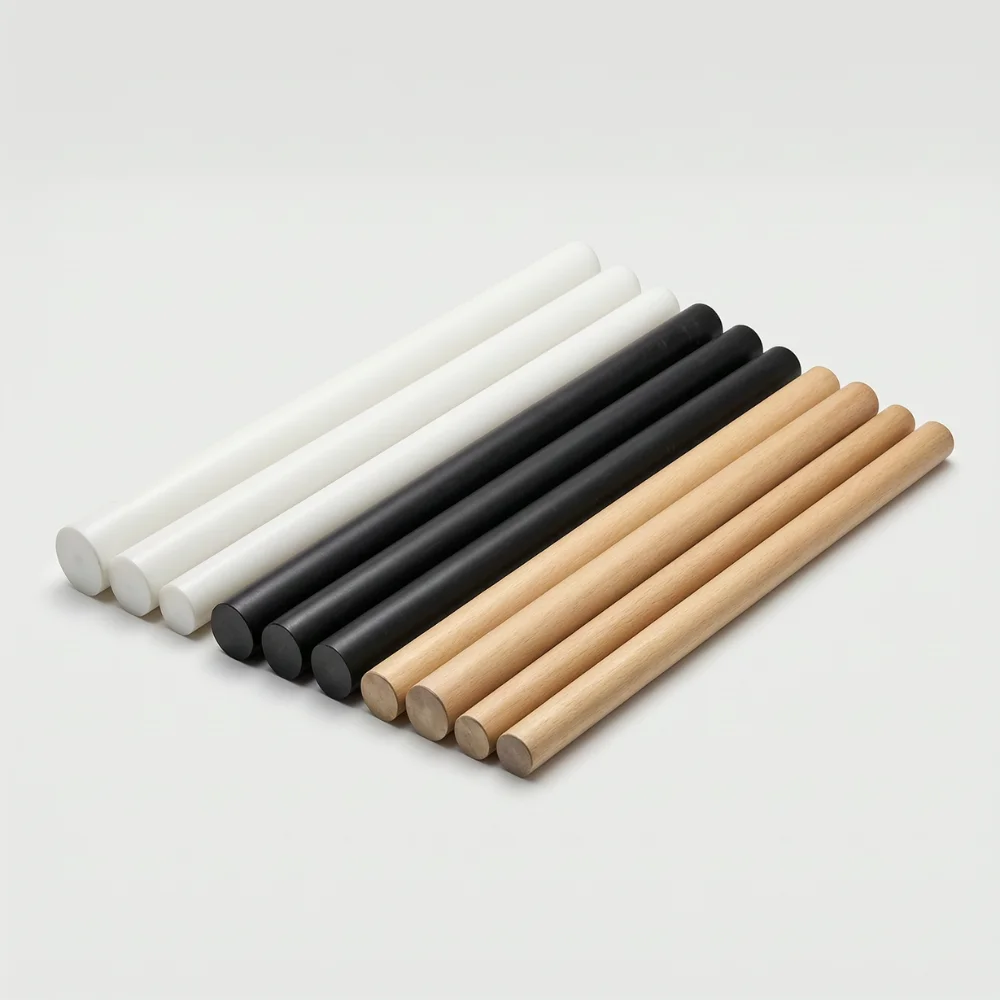
White or natural and black are the most common colours. Blue food-industry detectable grades and other specialised colours may be available subject to grade, quantity and lead time.
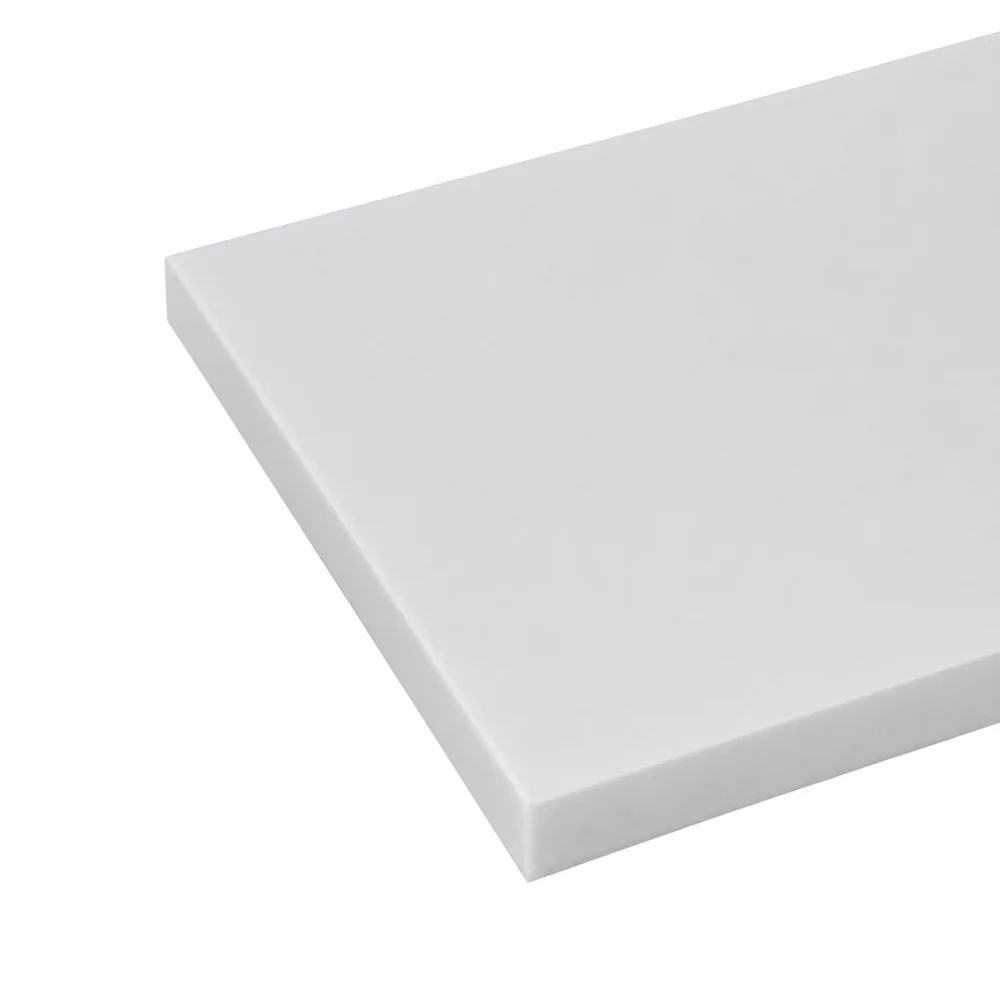
Yes. PETP can be supplied as cut sheet, rod, tube, blanks or fully machined components.
Stocked material may be supplied as a single cut piece. Non-standard thicknesses, diameters, colours or specialist grades generally require a factory minimum order quantity and production lead time.