Frequently Asked Questions
PTFE stands for Polytetrafluoroethylene. It is a high-performance fluoropolymer recognised for exceptional chemical resistance, low friction, non-stick behaviour, electrical insulation and a very wide operating-temperature range.
PTFE is sometimes commonly called Teflon®, although Teflon is a registered brand rather than the generic name of the polymer.
PTFE is produced by polymerising tetrafluoroethylene into a fine fluoropolymer powder. Because PTFE has extremely high melt viscosity, it is not normally processed like conventional melt-flowing thermoplastics.
The powder is compression moulded or ram extruded and then sintered at high temperature to form sheets, rods, tubes and billets.
PTFE provides:
- Extremely broad chemical resistance
- One of the lowest coefficients of friction among solid plastics
- Excellent non-stick and release behaviour
- Continuous service temperatures up to approximately 260°C
- Outstanding electrical insulation
- Negligible moisture absorption
- Excellent UV and weather resistance
- Inherent flame resistance
Its limitations include relatively low strength and stiffness, high thermal expansion and significant creep or “cold flow” under sustained load.
Available options may include:
- Virgin unfilled PTFE
- Glass-filled PTFE
- Carbon- or graphite-filled PTFE
- Bronze-filled PTFE
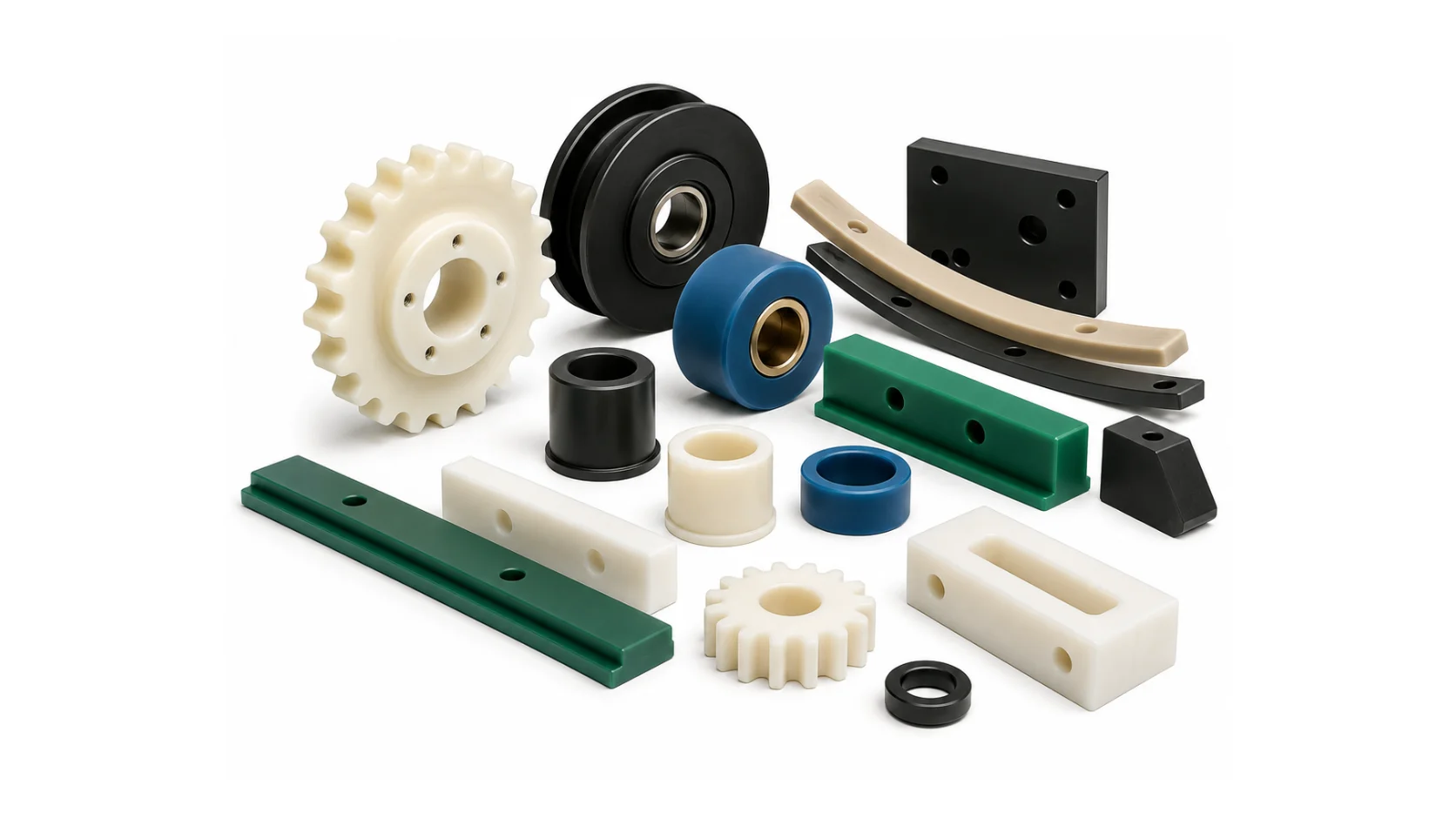
- Bearing and wear compounds
- Modified PTFE
- Conductive or antistatic grades
- Food-contact grades where certification is provided
Fillers can improve wear, compression strength and creep resistance, but they also change the chemical, electrical and regulatory properties.
Typical applications include:
- Chemical seals and gaskets
- Valve seats and pump components
- Slide bearings and low-friction pads
- Electrical insulation
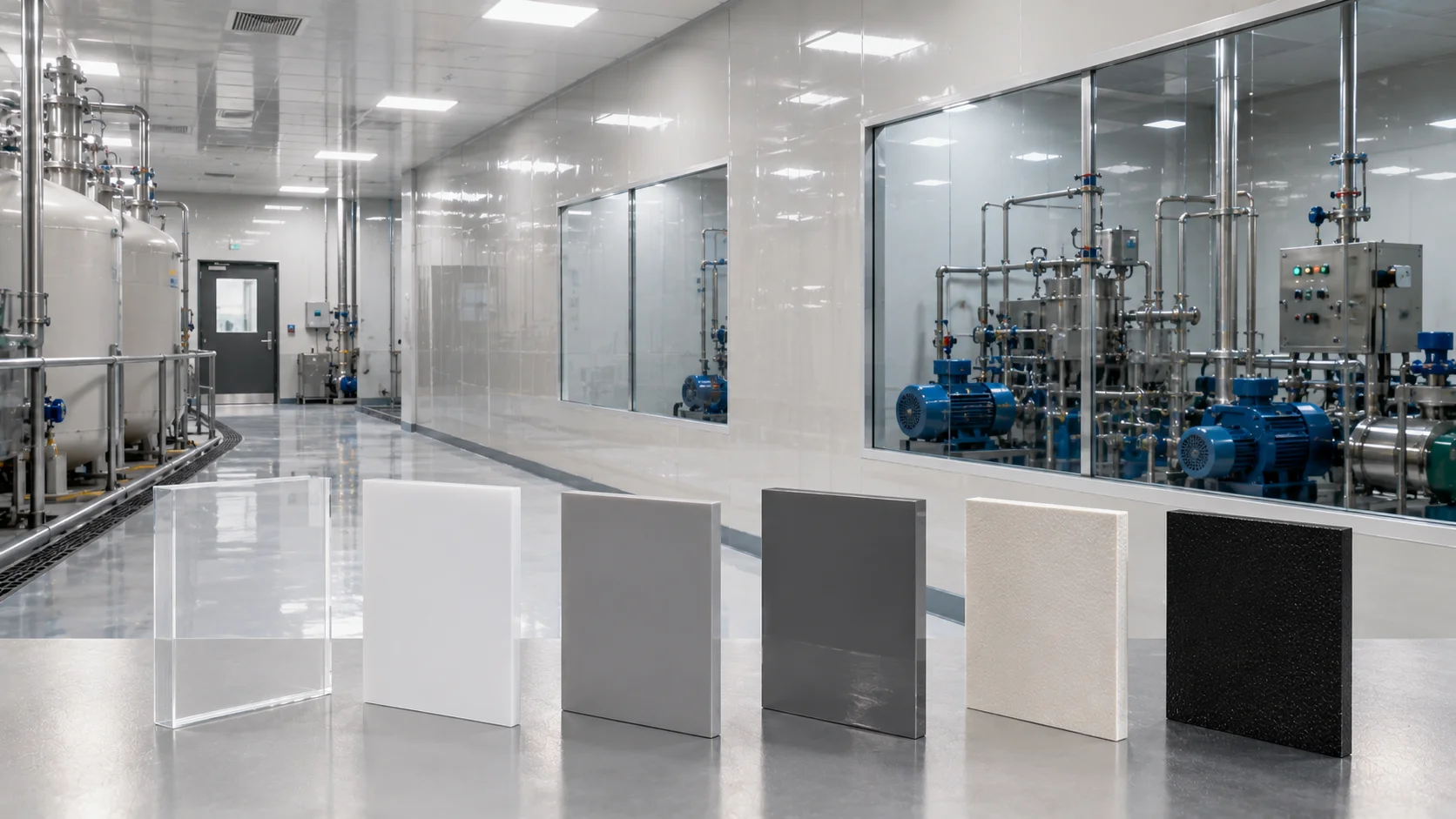
- Laboratory equipment
- High-temperature seals
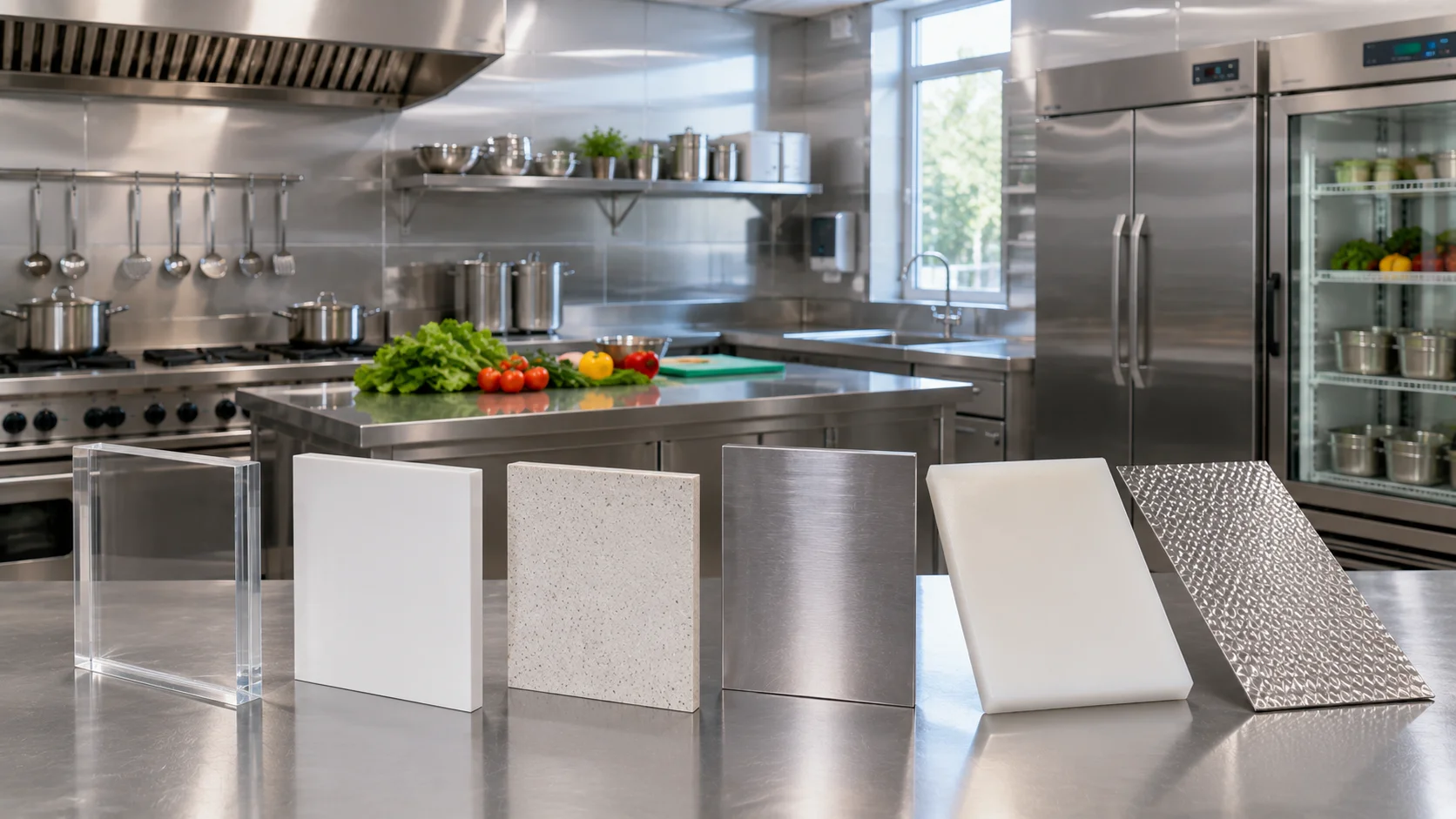
- Food-processing components using an approved grade
- Chemical tank and pipe components
- Release surfaces and non-stick components
PTFE can be machined using conventional equipment, but it is soft and moves under pressure. It also has high thermal expansion, so narrow tolerances require careful temperature control, support and measurement.
Designs should allow for creep where the component will carry a continuous load.
PTFE is not normally hot bent or hot-gas welded like PVC, PP or PVDF. Specialist forming and fusion processes exist, but machined or moulded shapes are generally more reliable.
Untreated PTFE is extremely difficult to bond. Chemical etching, plasma treatment or another specialised surface process is required before using a suitable adhesive. Mechanical retention is often preferred.
Printing on untreated PTFE is extremely difficult because of its non-stick, low-surface-energy character. Chemical etching or plasma treatment is normally required, followed by a specialist ink.
A sample adhesion trial is essential. Modified laser-markable compounds may be available for applications requiring permanent identification.
- Dimensional stability: Moisture absorption is negligible, but thermal expansion and creep are high.
- Mechanical: Representative virgin PTFE tensile strength is approximately 22 MPa. It is softer and less rigid than most engineering plastics.
- Chemical: Resistant to almost all commonly used industrial chemicals. Molten alkali metals and certain highly reactive fluorinating chemicals are important exceptions.
- Fire: Virgin PTFE is inherently flame resistant; Ensinger lists UL 94 V-0 for TECFLON PTFE. It must not be overheated because decomposition fumes can be hazardous.
- Electrical: Exceptional insulation, with representative volume resistivity around Ω·cm.
- Temperature: Continuous operating capability can extend to approximately 260°C, depending on the mechanical load.
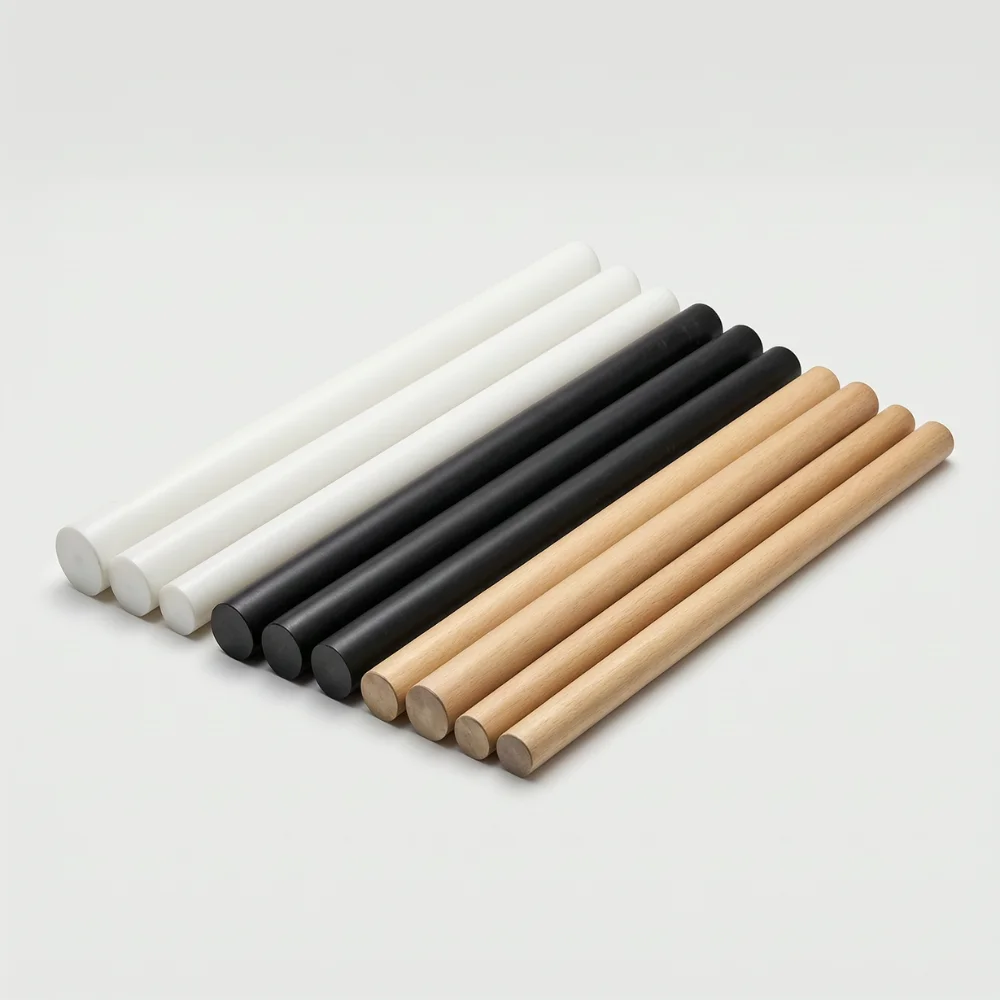
Virgin PTFE is naturally white. Filled compounds may be grey, black, brown, bronze or other compound-specific colours. Special colours or compounds are normally subject to minimum manufacturing quantities.
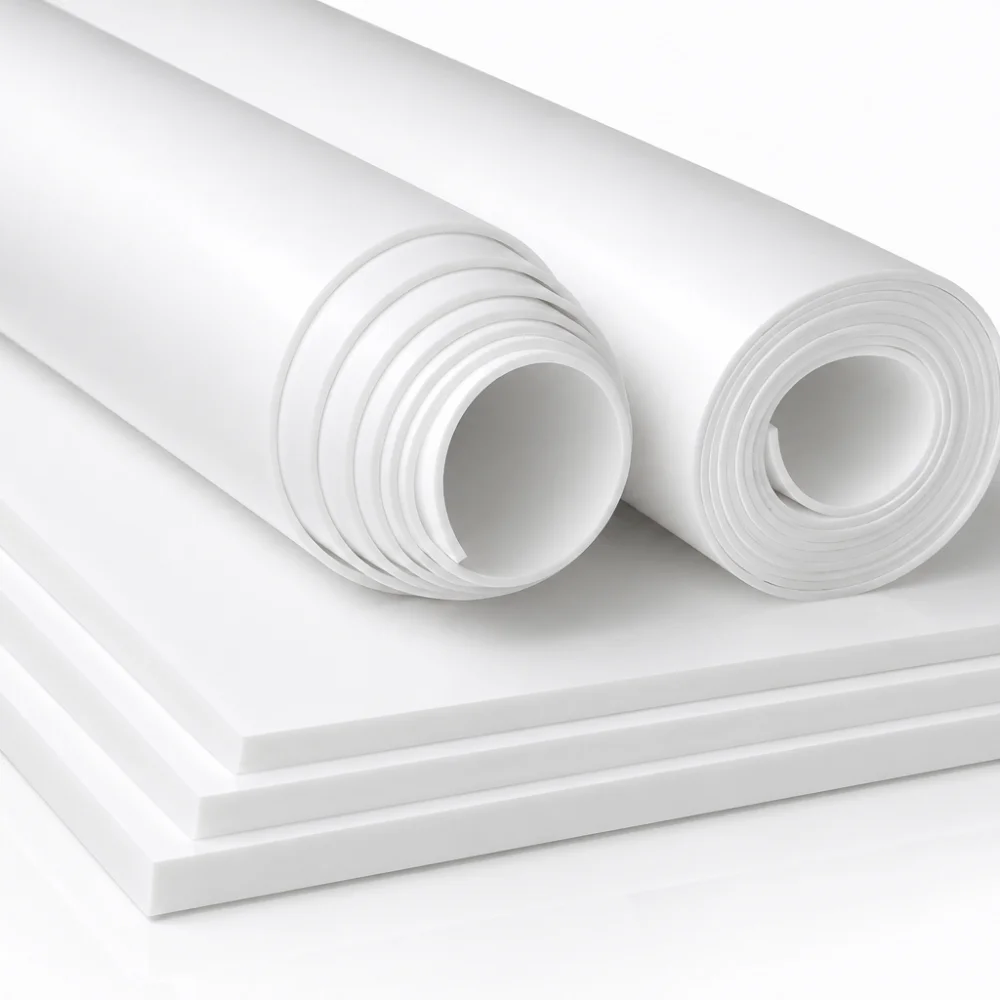
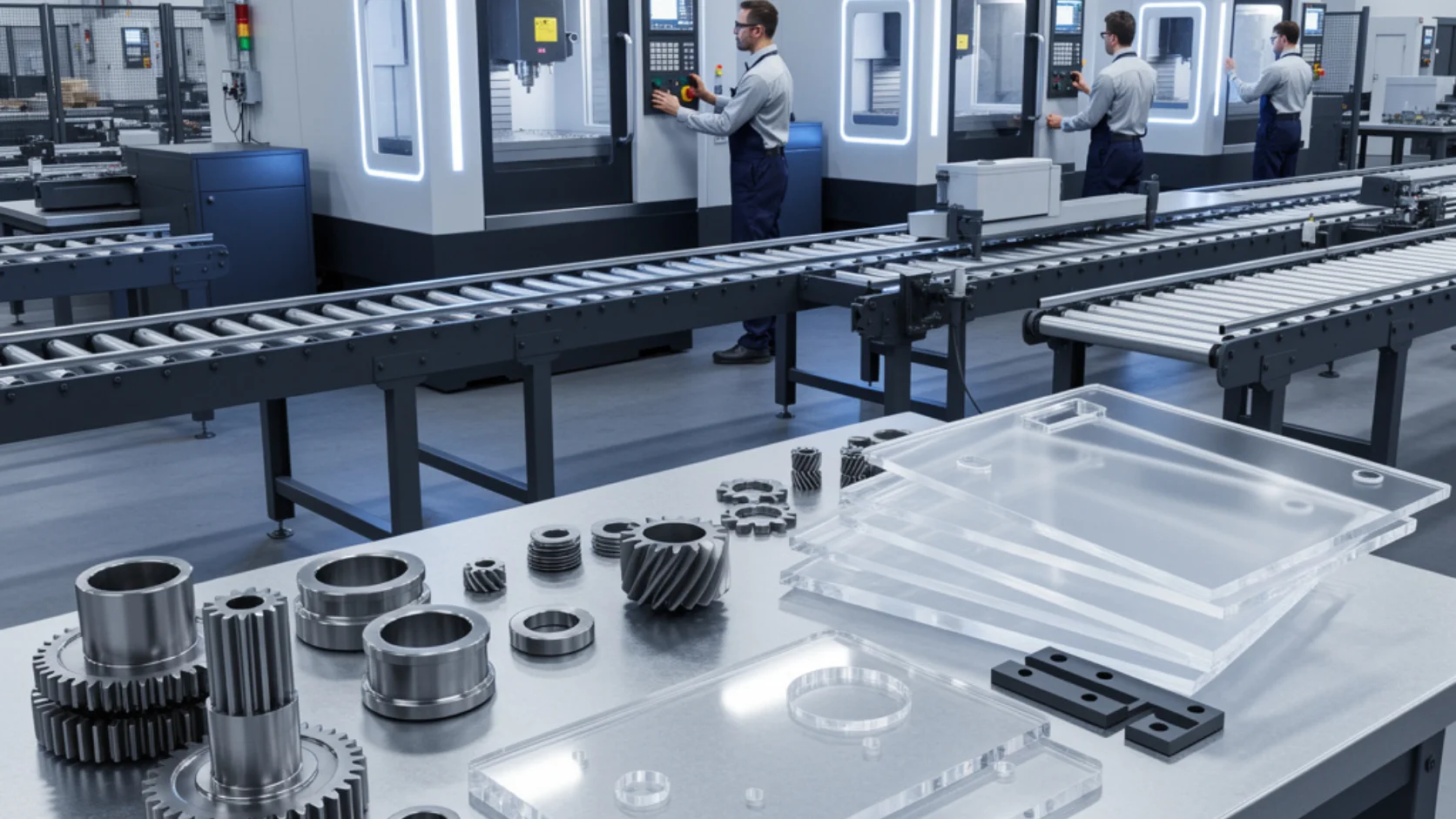
Yes. PTFE can be supplied as cut sheet, rod, tube, skived sheet, billets, gaskets and CNC-machined components.
Stocked grades may be supplied as a single cut piece. Non-standard dimensions, moulded billets, specialist compounds or custom colours will generally require a minimum order quantity and additional lead time.