Brand
Frequently Asked Questions
PLEXIGLAS® is a premium brand of acrylic material made from polymethyl methacrylate, commonly known as PMMA. It is recognised for its exceptional transparency, UV resistance, weatherability, durability and fabrication performance.
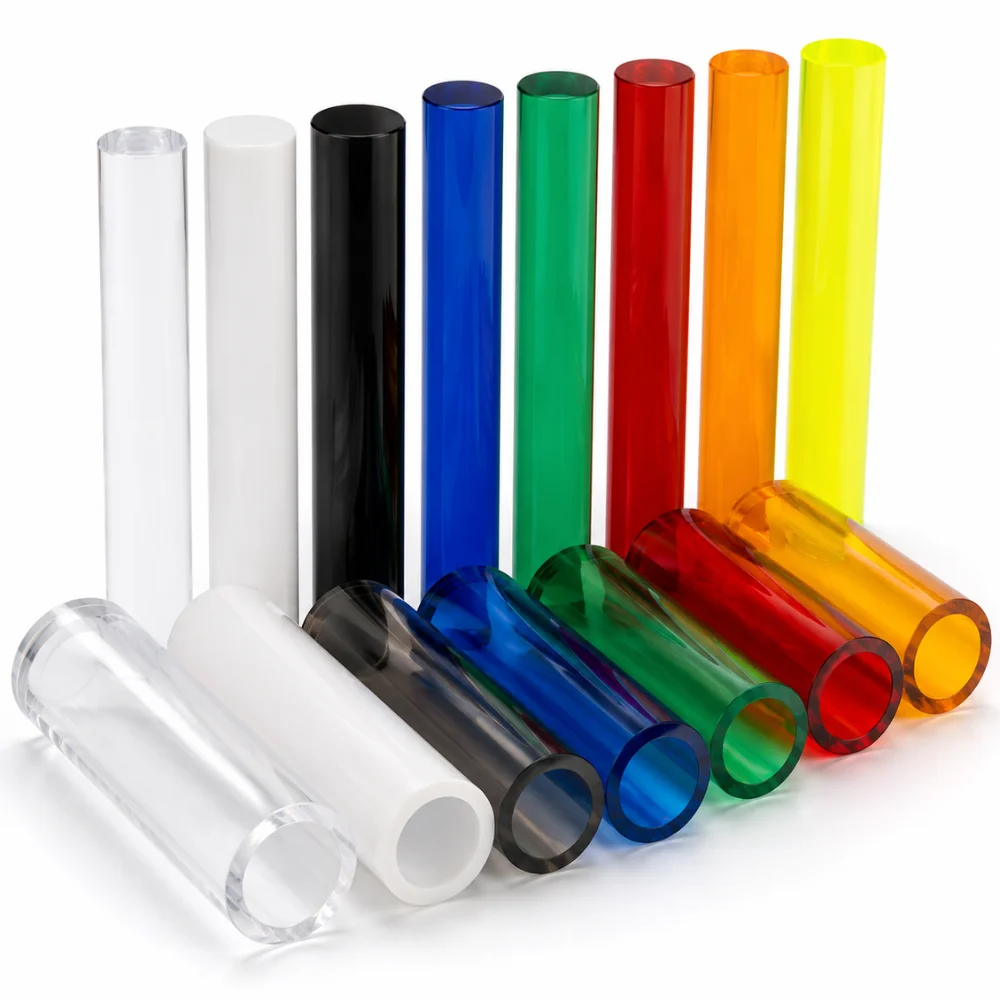
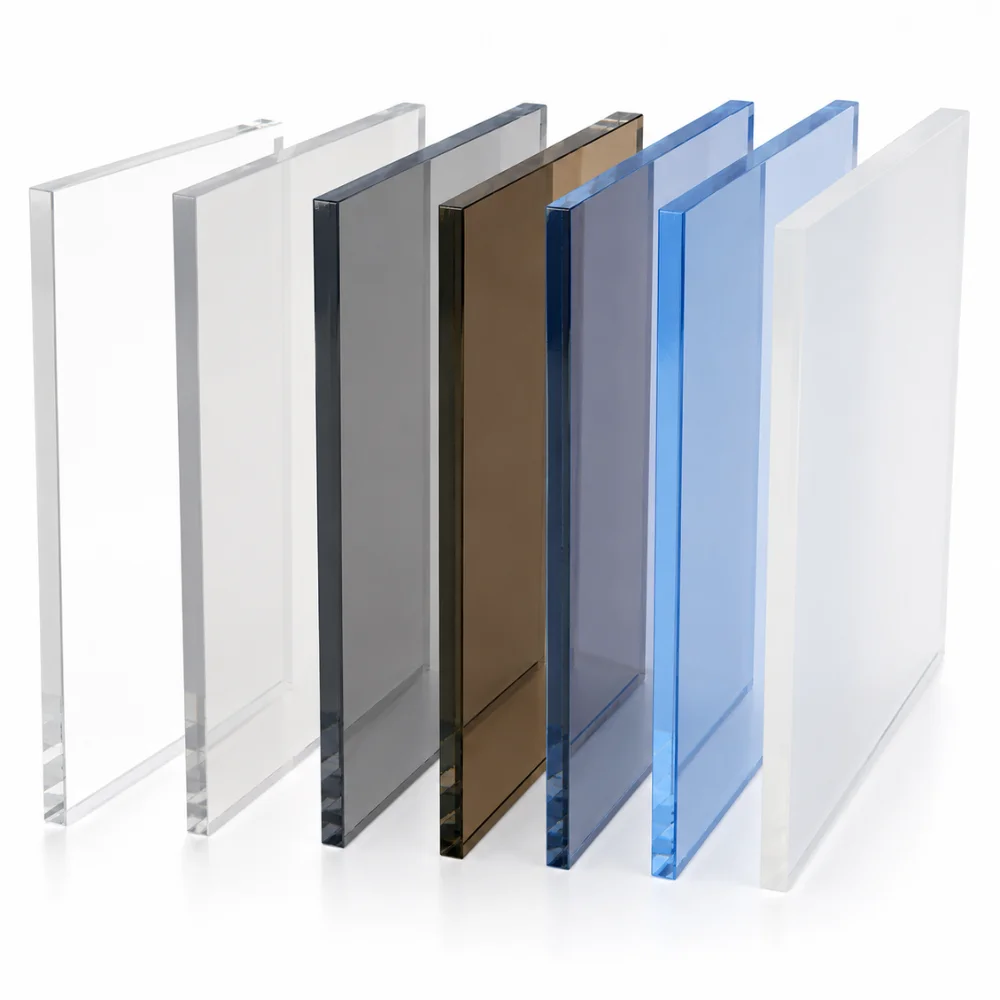
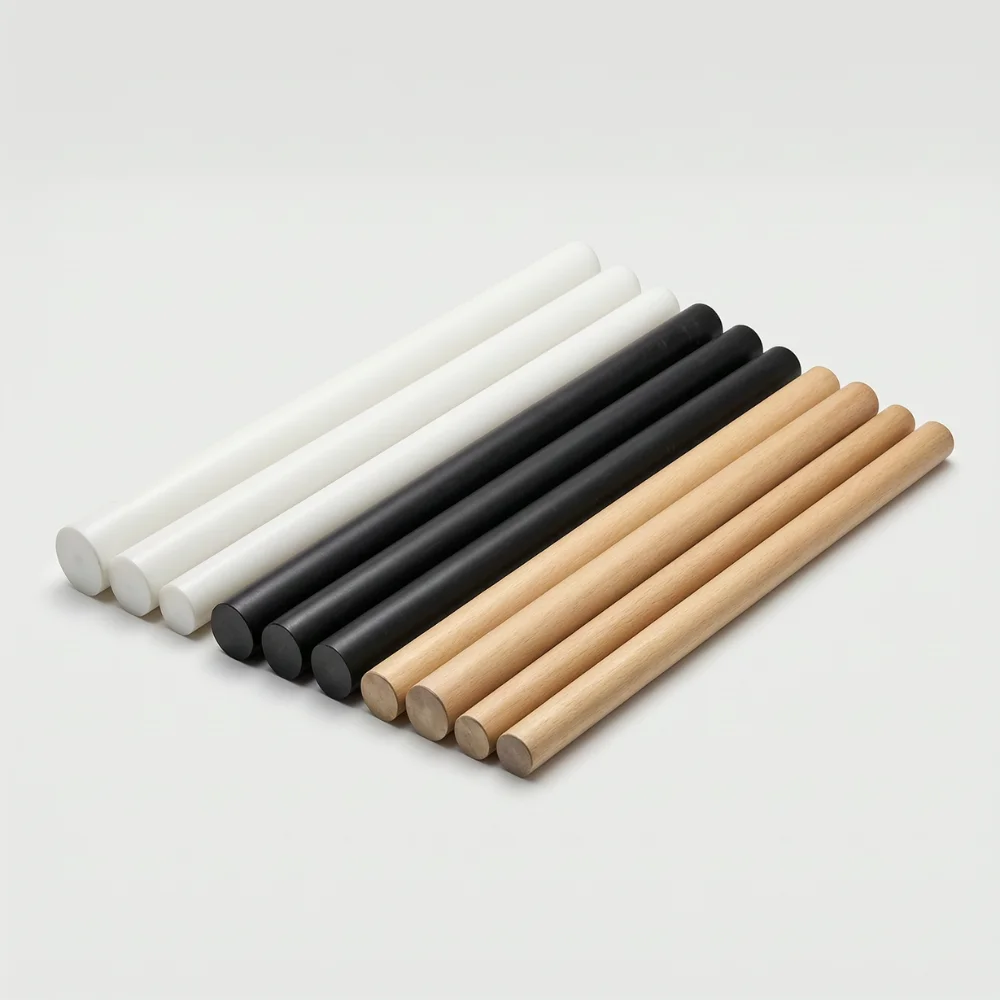
Clear PLEXIGLAS® can transmit approximately 92% of visible light while weighing about half as much as glass. It is available as solid sheets, blocks, multi-skin sheets, corrugated sheets, tubes, rods and films. Learn more about PLEXIGLAS® acrylic.
The correct registered brand name is PLEXIGLAS®, spelled with one final “s”.
“Plexiglass,” with two final letters, is commonly used as an informal or generic term for clear acrylic. However, a product should only be described as genuine PLEXIGLAS® when it has been manufactured and supplied under the registered brand.
When requesting genuine material, ask your supplier to confirm the PLEXIGLAS® product name, grade and manufacturer.
PLEXIGLAS® is acrylic, but not every acrylic sheet is PLEXIGLAS®.
“Acrylic” is the generic name for PMMA material. PLEXIGLAS® is a registered brand manufactured under controlled quality and performance standards.
The quality of generic acrylic can vary depending on the resin, recycled content, manufacturing process and quality controls used. Differences may be noticeable in:
- Optical clarity and colour neutrality
- Thickness tolerance
- Surface quality
- UV and weather resistance
- Colour consistency
- Machining and polishing performance
- Thermoforming behaviour
- Bonding performance
- Long-term durability
PLEXIGLAS® provides recognised brand quality supported by technical information, specialist grades and product-specific warranties.
These names are related, but they do not mean exactly the same thing:
- Acrylic is the generic PMMA material.
- PLEXIGLAS® is a German acrylic brand developed by Röhm & Haas and registered in 1933.
- PERSPEX® is a British acrylic brand registered by ICI in 1934.
PLEXIGLAS® and PERSPEX® are both premium branded acrylic products based on PMMA. However, they are manufactured by different companies and offer different grades, colours, finishes, sheet formats and warranties.
One brand should not automatically be treated as an exact substitute for another. The individual datasheets should be compared against the project’s optical, structural, fabrication, UV, fire and compliance requirements.
PLEXIGLAS® originated in Germany.
Dr Otto Röhm had been researching acrylic polymers since the beginning of the twentieth century. In 1907, he and Otto Haas established Röhm & Haas. Their research team later discovered that polymethyl methacrylate could produce a hard, transparent and lightweight material.
According to the official history, a bottle containing methyl methacrylate was left near a window. Daylight triggered polymerisation, breaking the bottle and leaving behind a solid PMMA block. The team later developed a controlled method of polymerising the material between glass sheets.
PLEXIGLAS® was invented and registered as a brand in 1933. Its name was developed from PLEXIGUM®, an existing Röhm & Haas name, combined with the concept of creating an “organic glass.”
Today, PLEXIGLAS® is owned by Röhm GmbH or its affiliates, with semi-finished products marketed through POLYVANTIS in Europe, Asia, Africa and Australia. In the Americas, related products are marketed under the ACRYLITE® brand. Explore the official history of PLEXIGLAS®.
The brand’s country of origin is Germany, but the manufacturing country of a particular product should be confirmed when a project requires a formal Country of Origin certificate.
PLEXIGLAS® is produced using two principal manufacturing methods: casting and extrusion.
PLEXIGLAS® GS – Cast acrylic
Liquid methyl methacrylate is poured between two glass plates separated by a gasket. The material is polymerised under controlled conditions until it forms a solid PMMA sheet. The glass plates are removed, and the finished sheet is masked, trimmed and inspected.
PLEXIGLAS® XT – Extruded acrylic
Pre-polymerised PLEXIGLAS® PMMA granules are heated and melted inside an extruder. The molten material is pushed through a die and calibrated through rollers to create a continuous sheet with a consistent thickness.
Both products are genuine PLEXIGLAS® acrylic, but their manufacturing processes give them different fabrication and performance characteristics. See how PLEXIGLAS® is manufactured.
PLEXIGLAS® GS is cast acrylic, while PLEXIGLAS® XT is extruded acrylic.
PLEXIGLAS® GS is generally selected for demanding fabrication, optical, chemical-resistance and custom-thickness applications. Cast material is also well suited to machining, polishing, bonding and complex fabrication.
PLEXIGLAS® XT provides excellent thickness consistency and is commonly selected for volume production, printing, profiling, thermoforming and applications requiring predictable sheet dimensions.
The best choice depends on the application, operating temperature, required thickness tolerance, fabrication method, appearance and budget. Altius Polymers can review your project and help identify the appropriate grade.
The resin formulation and production controls directly influence how an acrylic product looks, fabricates and performs over time.
Premium acrylic can provide:
- Excellent optical clarity
- Minimal colour distortion
- Consistent physical properties
- Predictable machining and thermoforming
- High-quality polished edges
- Reliable bonding performance
- Better colour consistency
- Long-term UV and weather resistance
- Reduced risk of visual contamination or surface defects
PLEXIGLAS® is also manufactured with what the brand calls NATURALLY UV-STABLE technology. UV stability is built throughout the PMMA material rather than being limited to a surface coating. This helps the sheet maintain its transparency and appearance during long-term outdoor use.
Not every PLEXIGLAS® product is necessarily manufactured entirely from virgin resin. PLEXIGLAS® proTerra, for example, incorporates up to 90% reused raw material while maintaining recognised PLEXIGLAS® quality. Always request the specific grade datasheet when virgin resin or recycled content is a project requirement.
PLEXIGLAS® offers specialist products developed for different functional, architectural and visual requirements.
Popular ranges include:
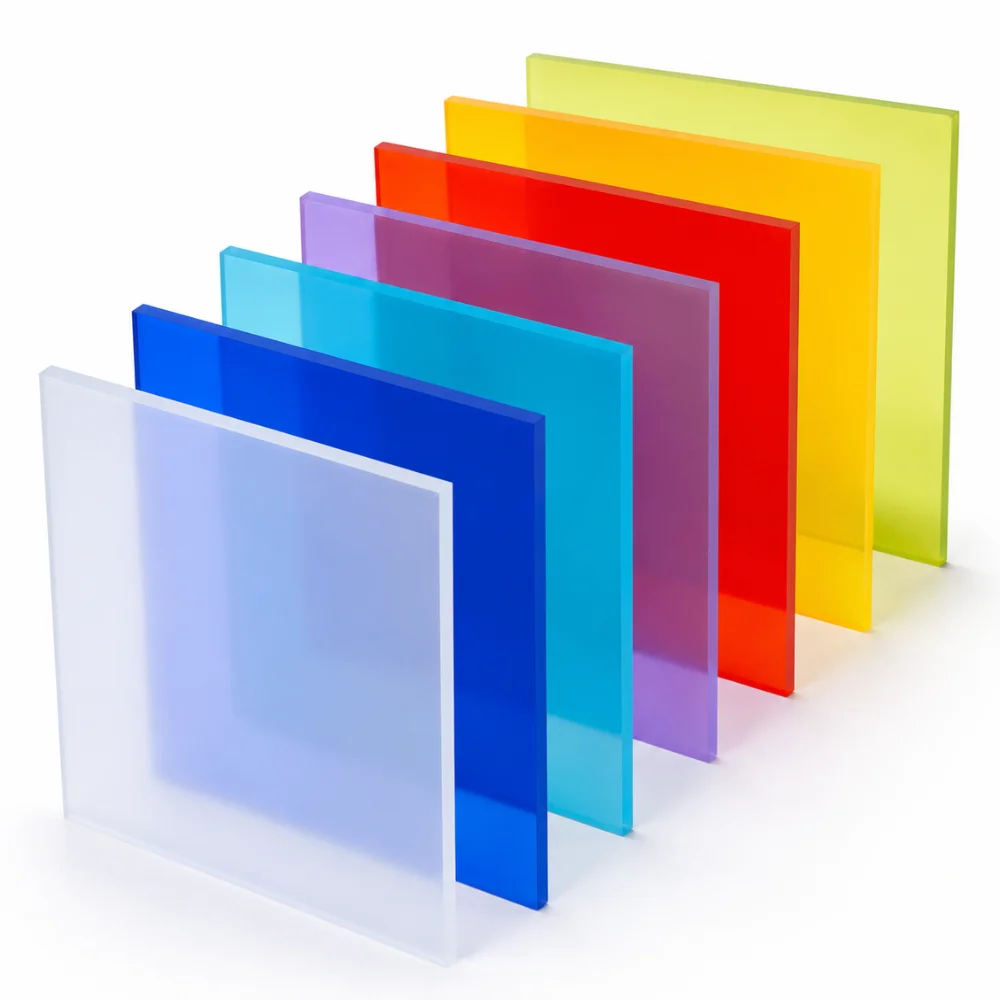
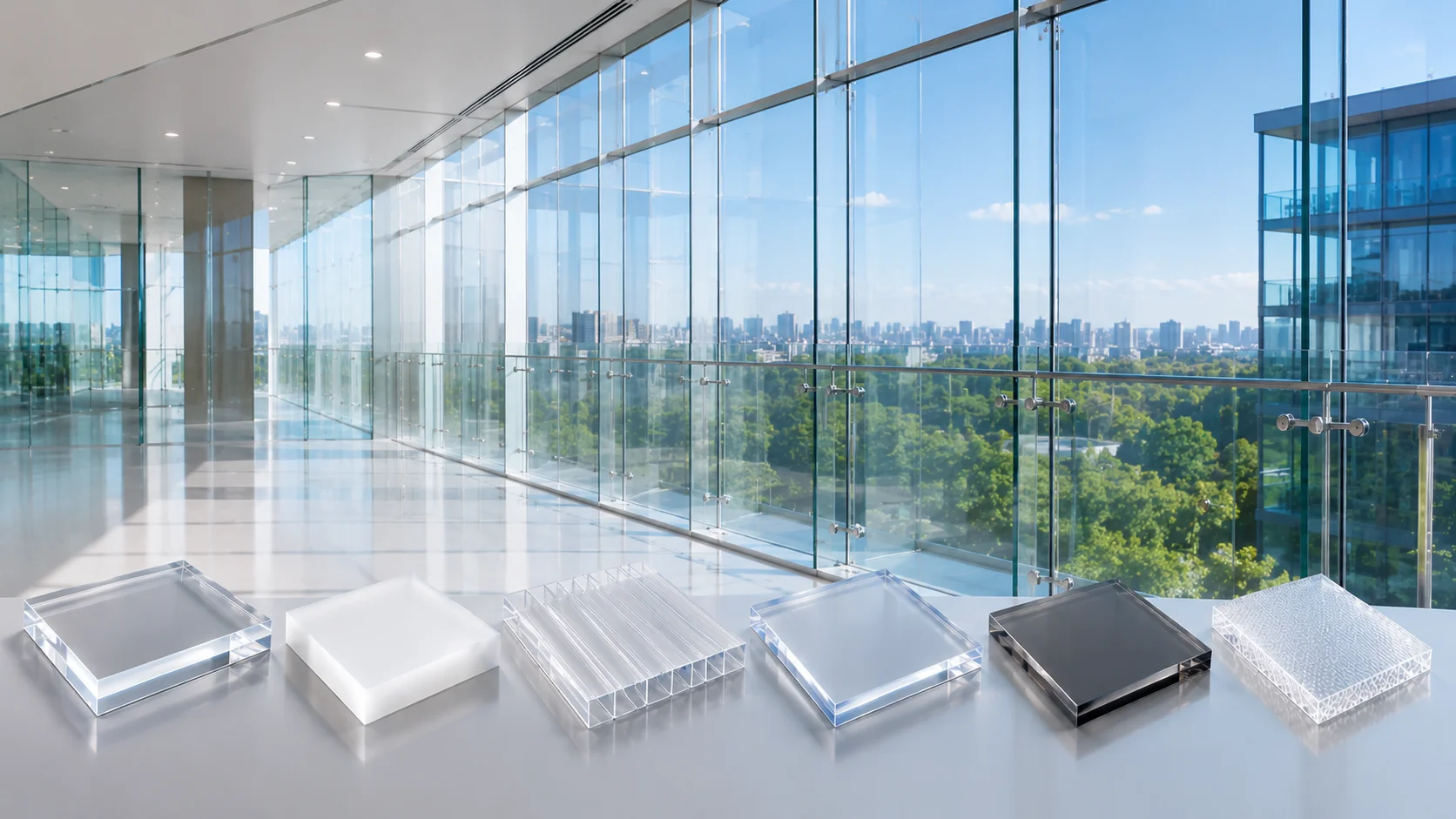
- PLEXIGLAS® GS/XT – general-purpose cast and extruded acrylic in clear, coloured, translucent and opaque options
- PLEXIGLAS® Resist – impact-modified acrylic combining increased toughness with weather resistance
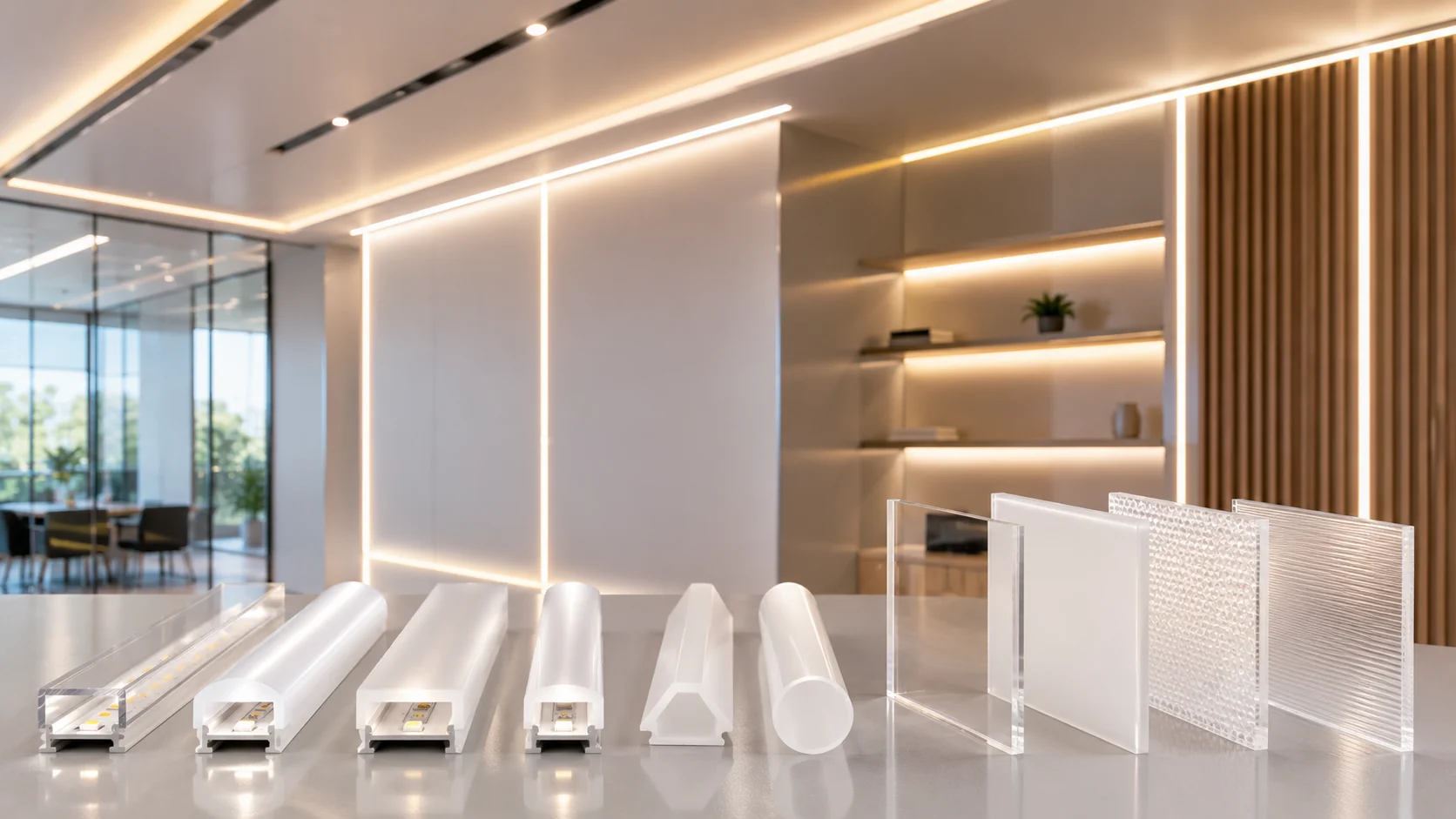
- PLEXIGLAS® LED – specialist grades for backlighting, edge lighting and side lighting
- PLEXIGLAS® Optical – precision optical sheets, including abrasion-resistant options for displays and glazing
- PLEXIGLAS® Satinice – elegant matt surfaces with subtle light diffusion and a velvety appearance
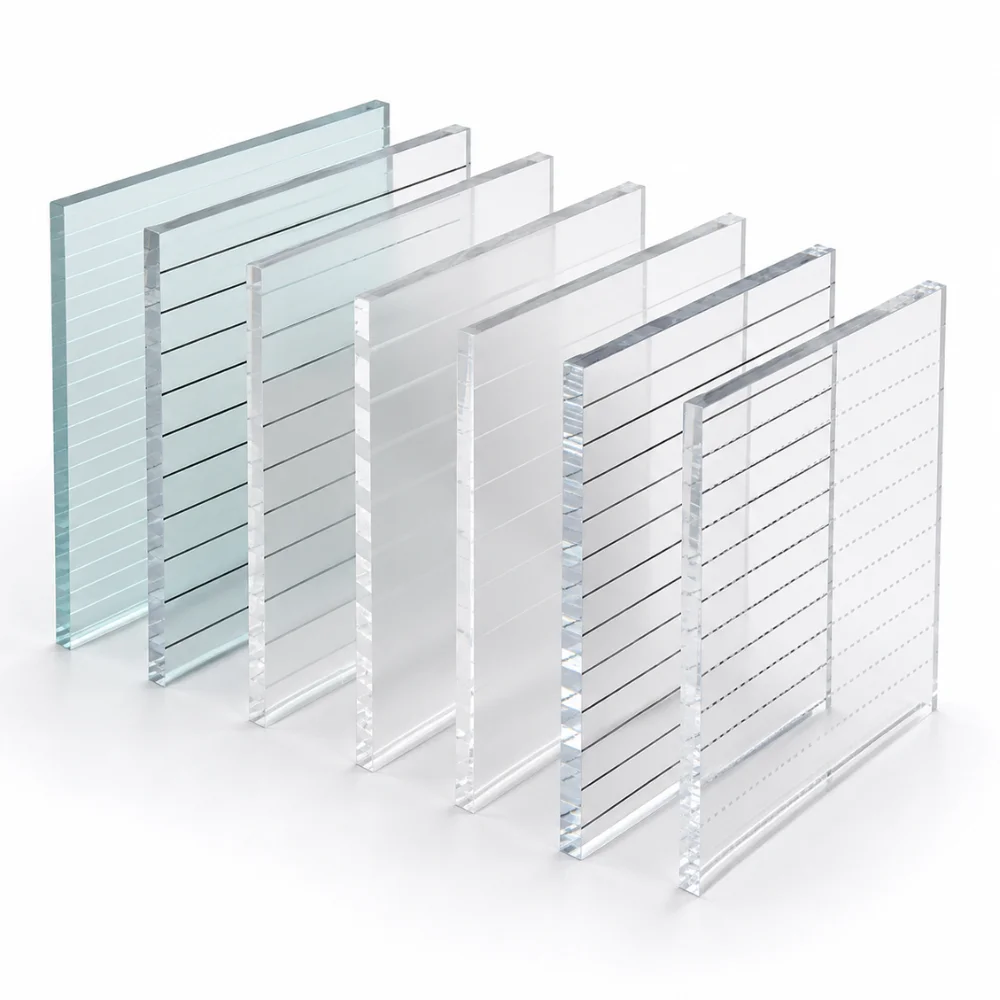
- PLEXIGLAS® Textures – decorative surfaces including raindrop, ice-crystal, bark and other patterns
- PLEXIGLAS® Heatstop – heat-reflecting products for roofing, canopies and daylighting applications
- PLEXIGLAS® Soundstop – transparent sheets developed for noise and wind barriers
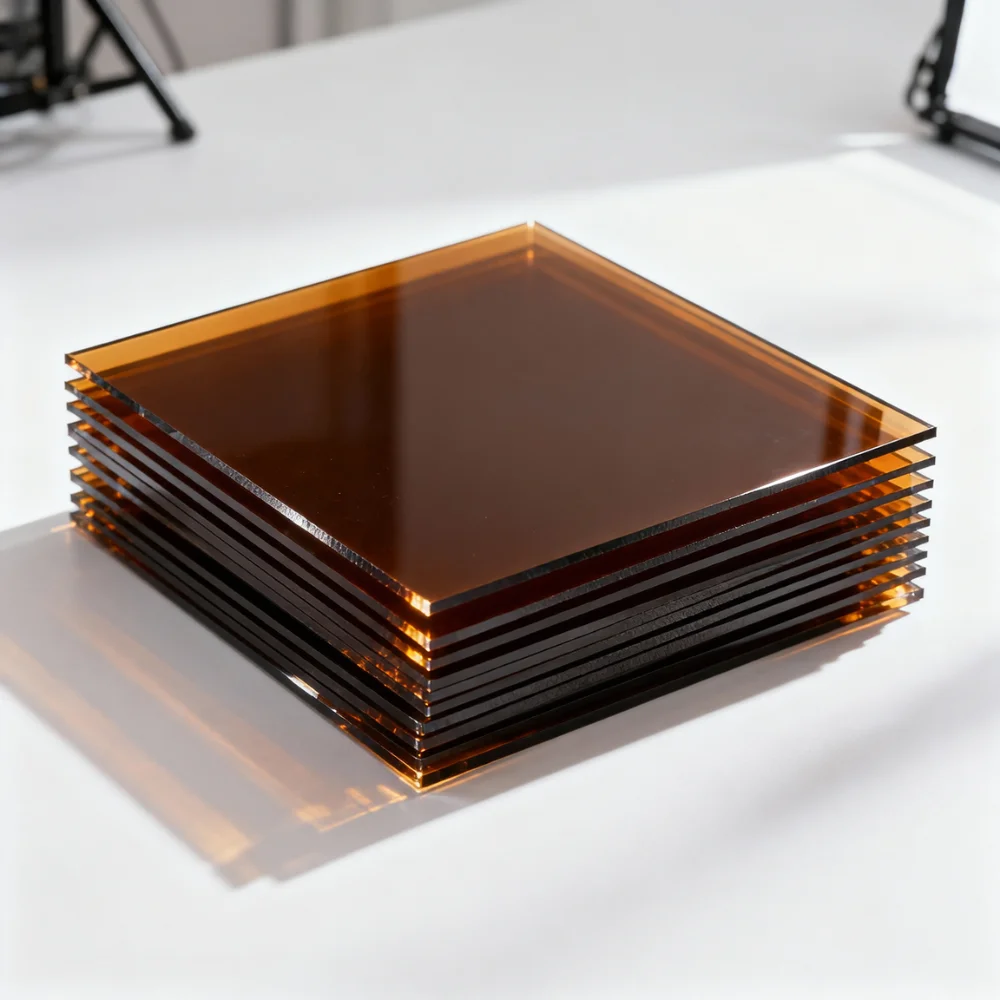
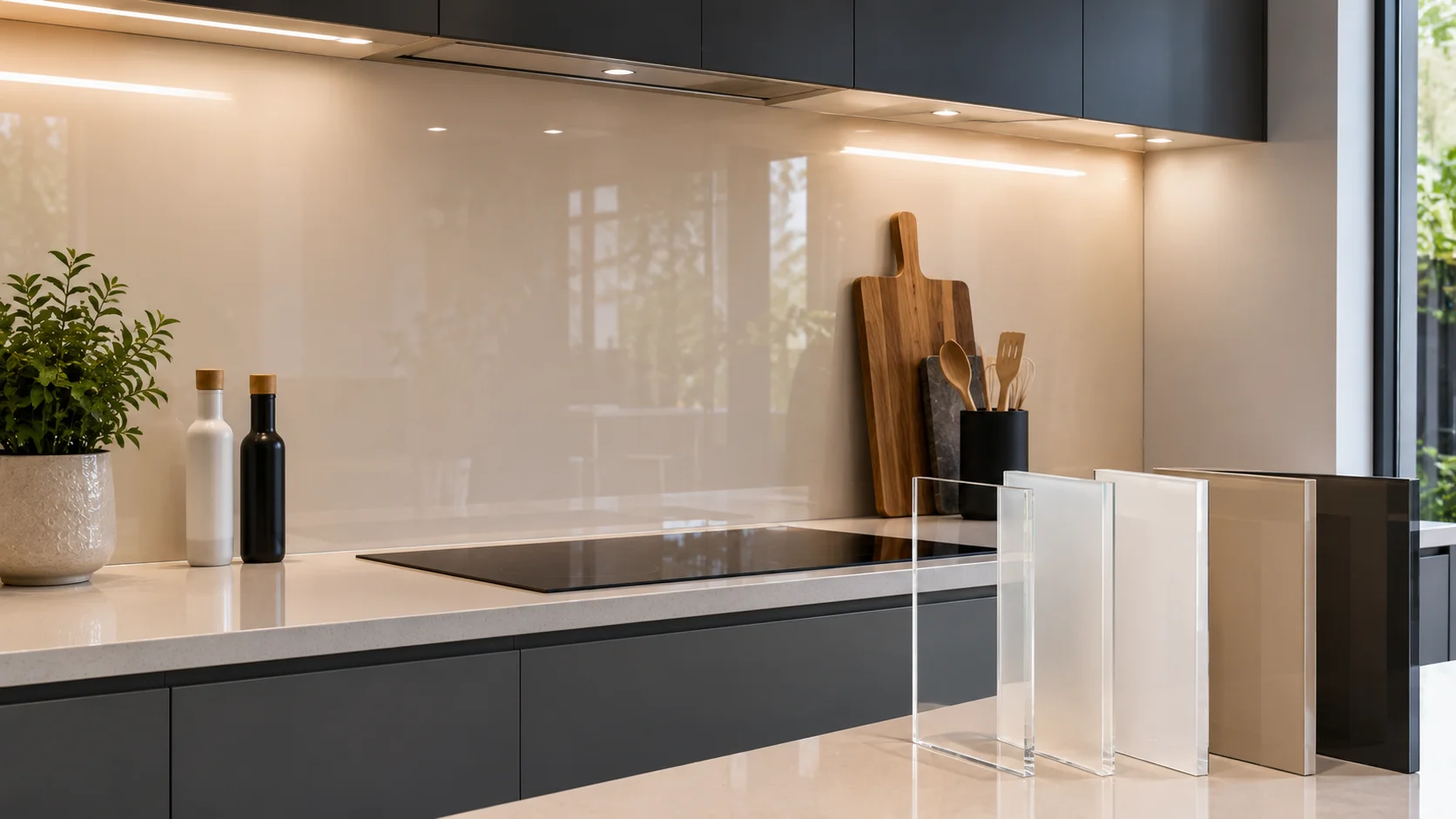
- PLEXIGLAS® Hi-Gloss – high-gloss surfaces for furniture and interior design
- PLEXIGLAS® proTerra – resource-conscious products containing up to 90% reused raw materials
- PLEXIGLAS® Solar – specialised acrylic products for photovoltaic and solar applications
The range includes almost 80 colours as well as clear, translucent, opaque, fluorescent, textured and functionally modified options. Explore the official PLEXIGLAS® product range.
PLEXIGLAS® offers architects a valuable combination of appearance, flexibility and long-term performance.
Important architectural benefits include:
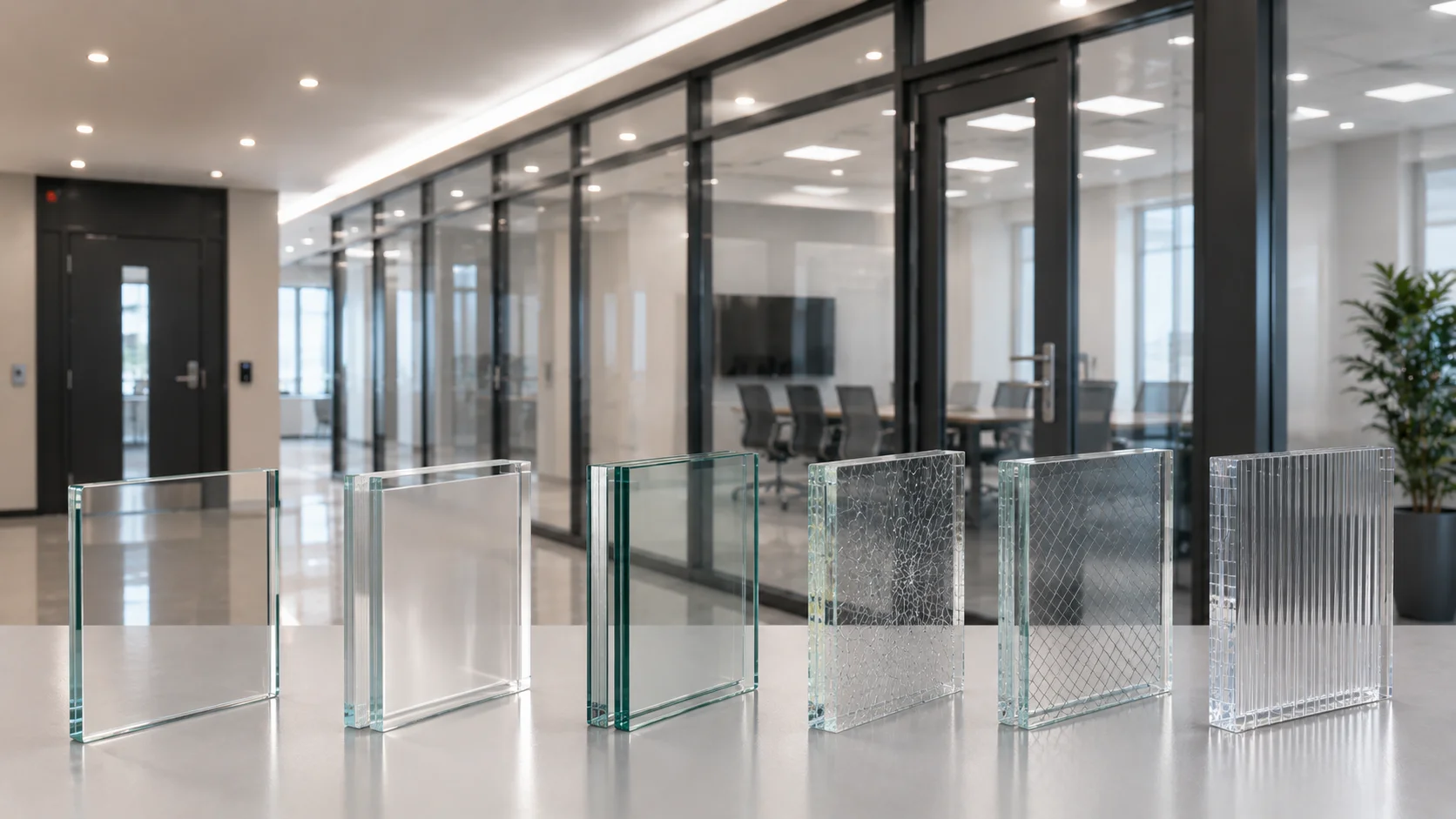
- Approximately half the weight of glass
- Around 92% light transmission in clear material
- Excellent UV and weather resistance
- Greater resistance to breakage than glass
- Ability to be formed into curved and complex shapes
- Transparent, translucent and opaque options
- Extensive colours, textures and surface finishes
- Heat-reflecting, light-diffusing and sound-control grades
- Easy cutting, machining, drilling, polishing and bonding
- Long-term warranties for qualifying products
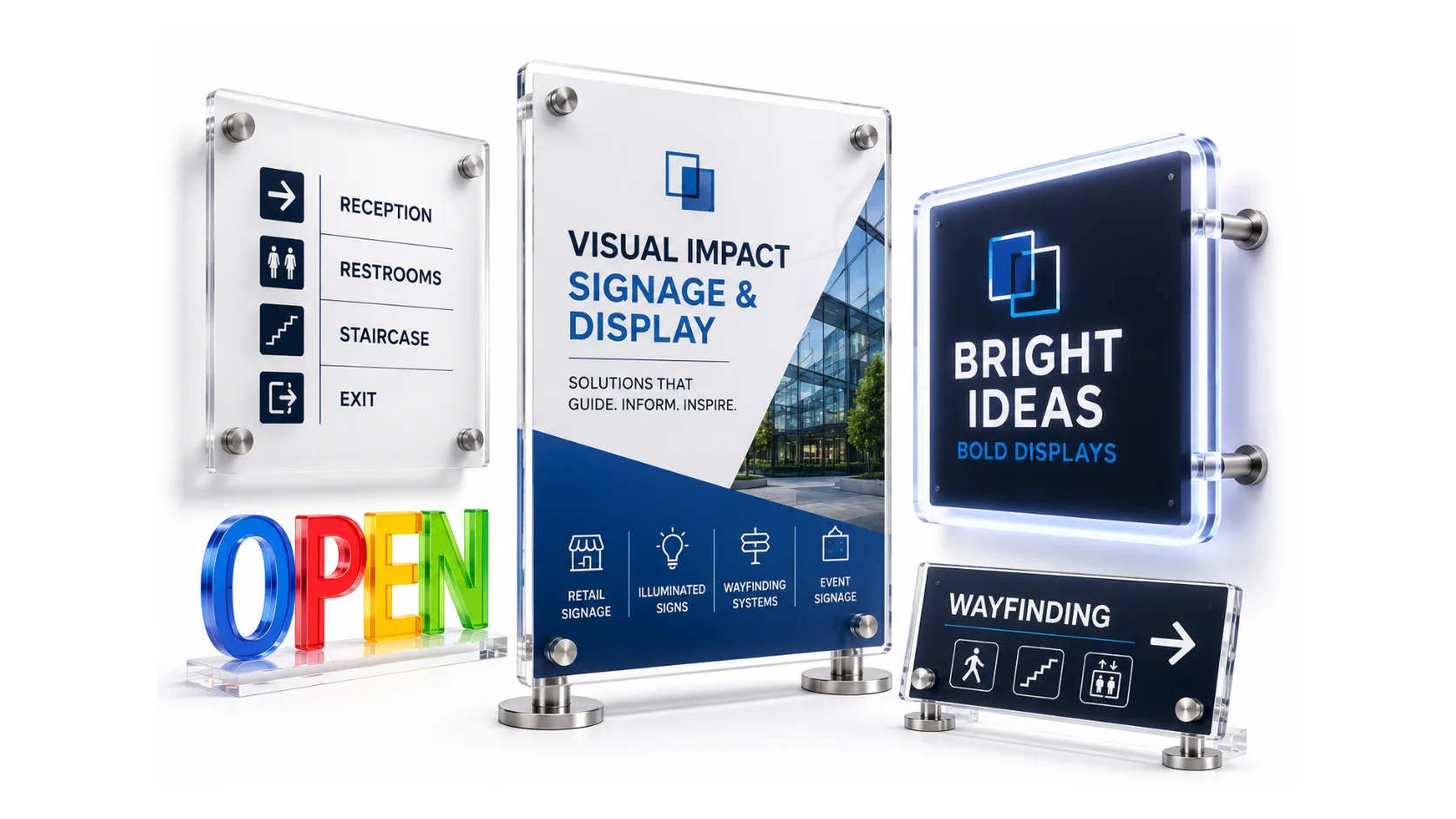
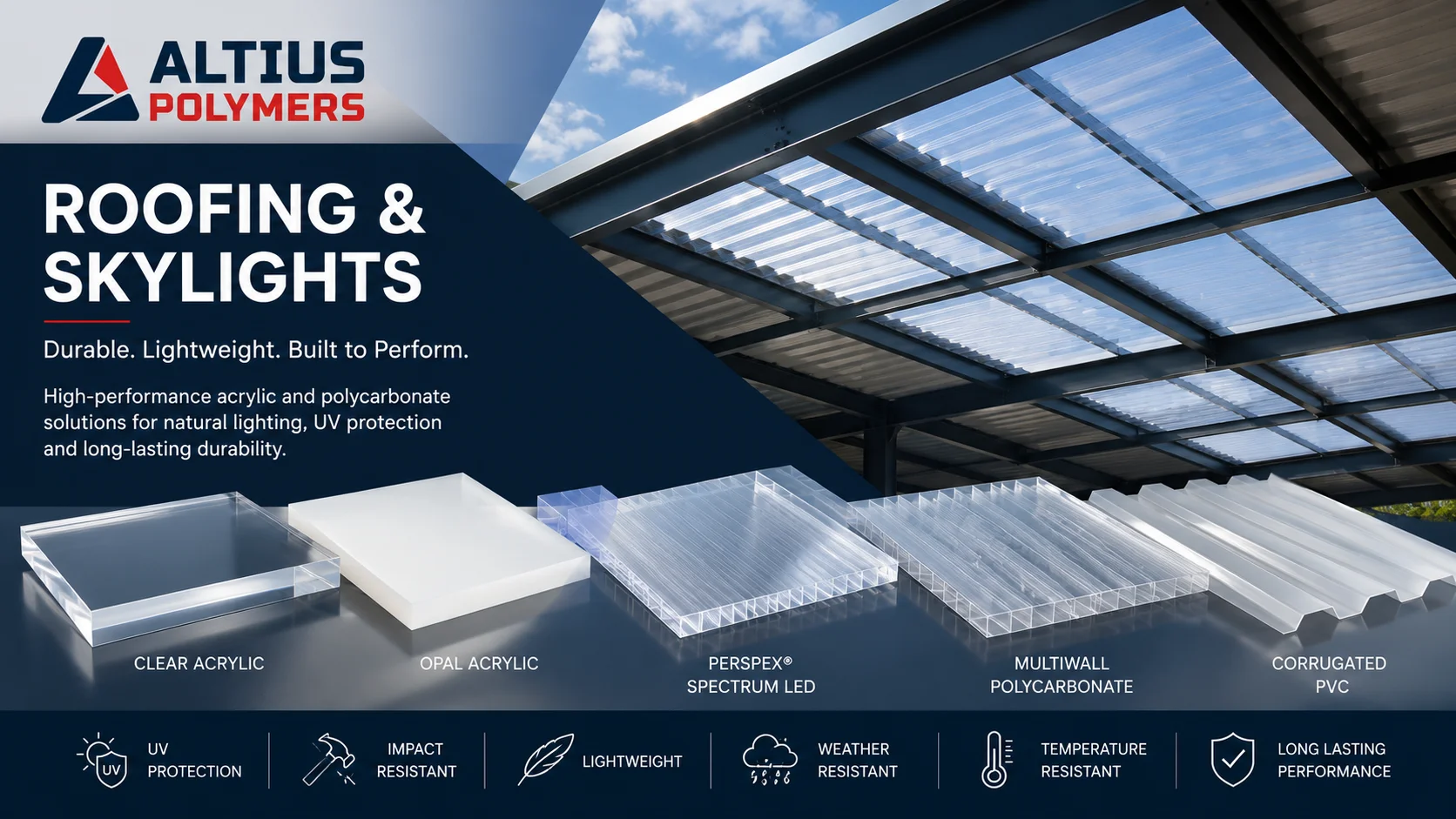
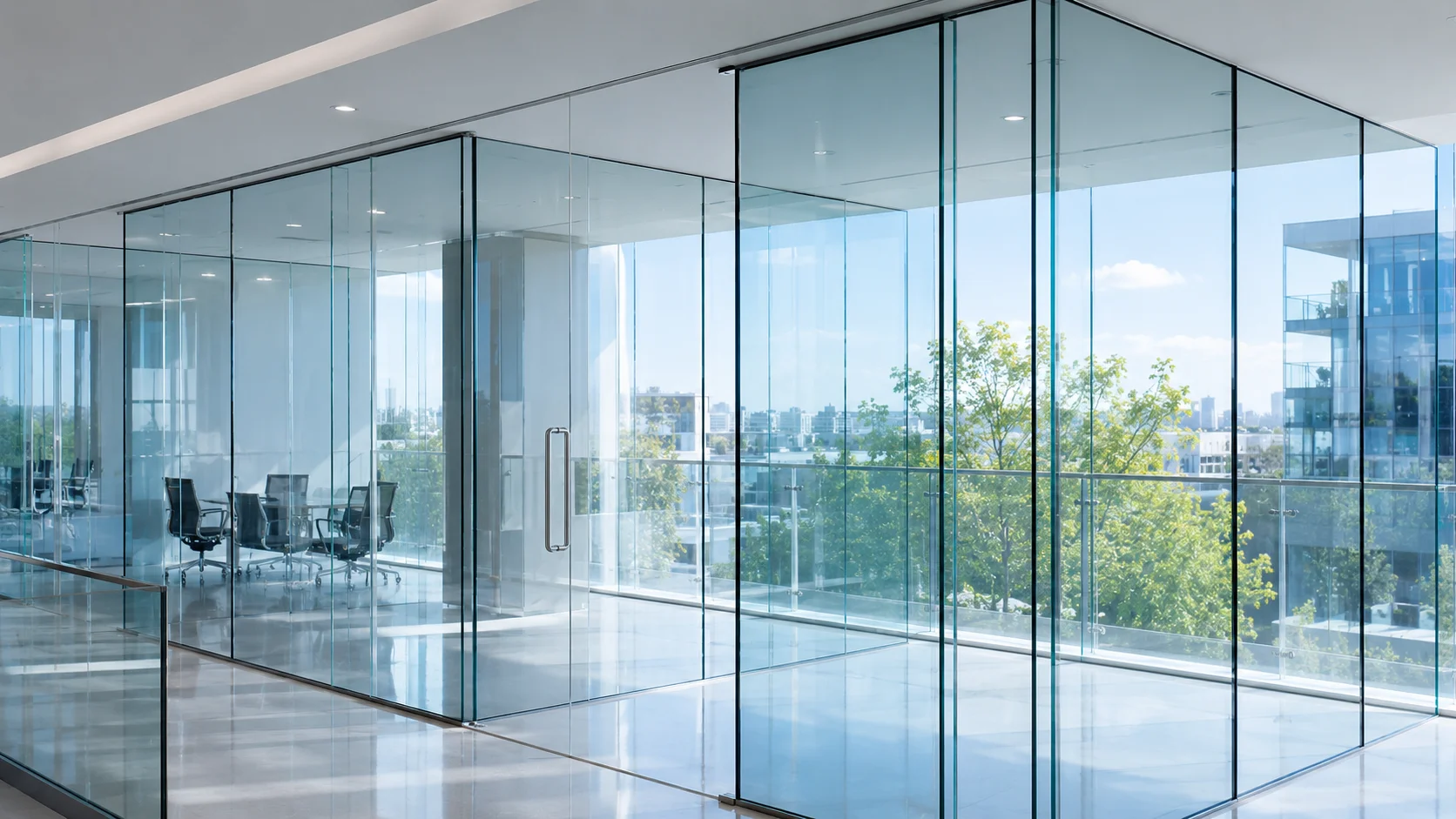
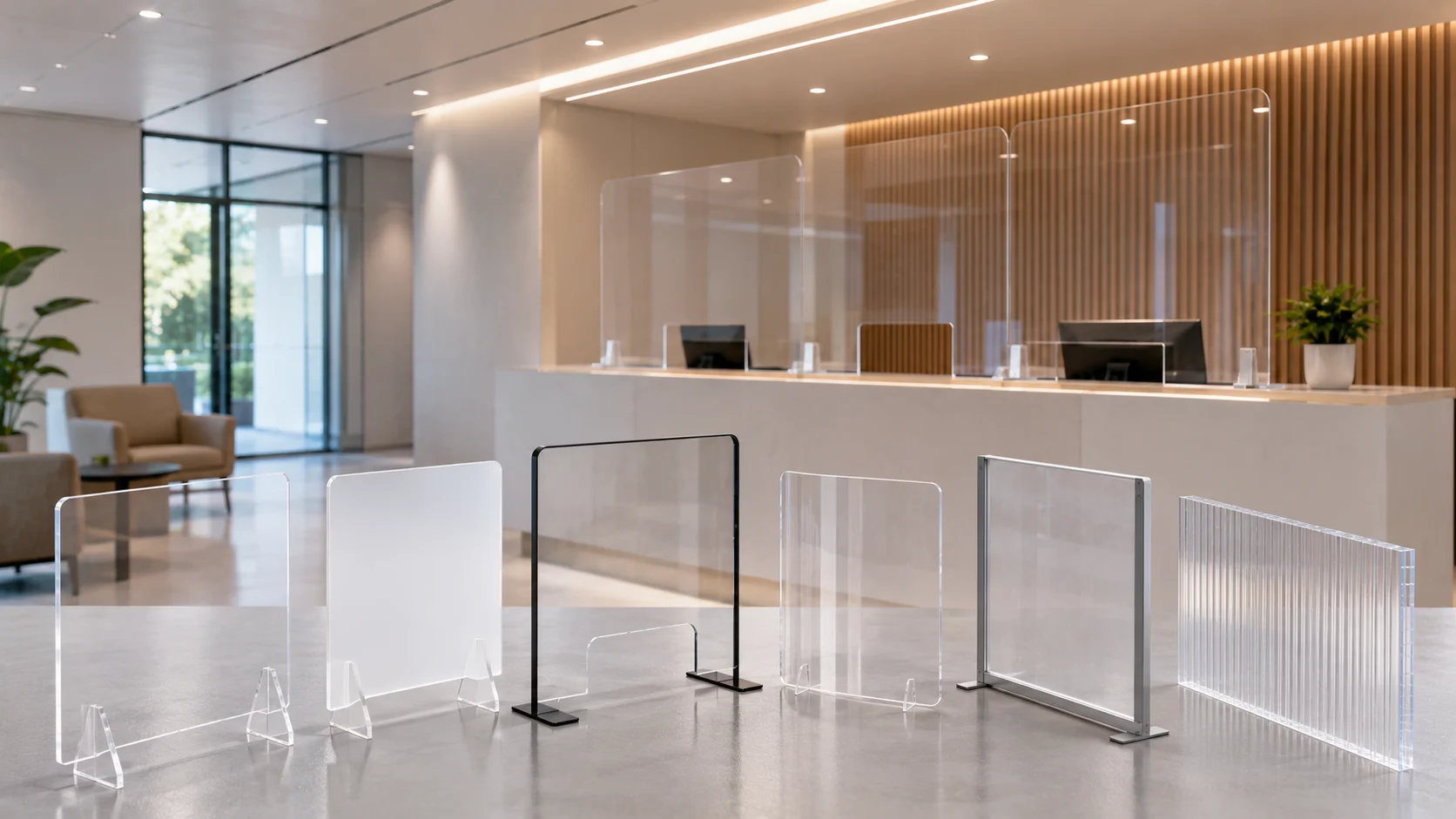
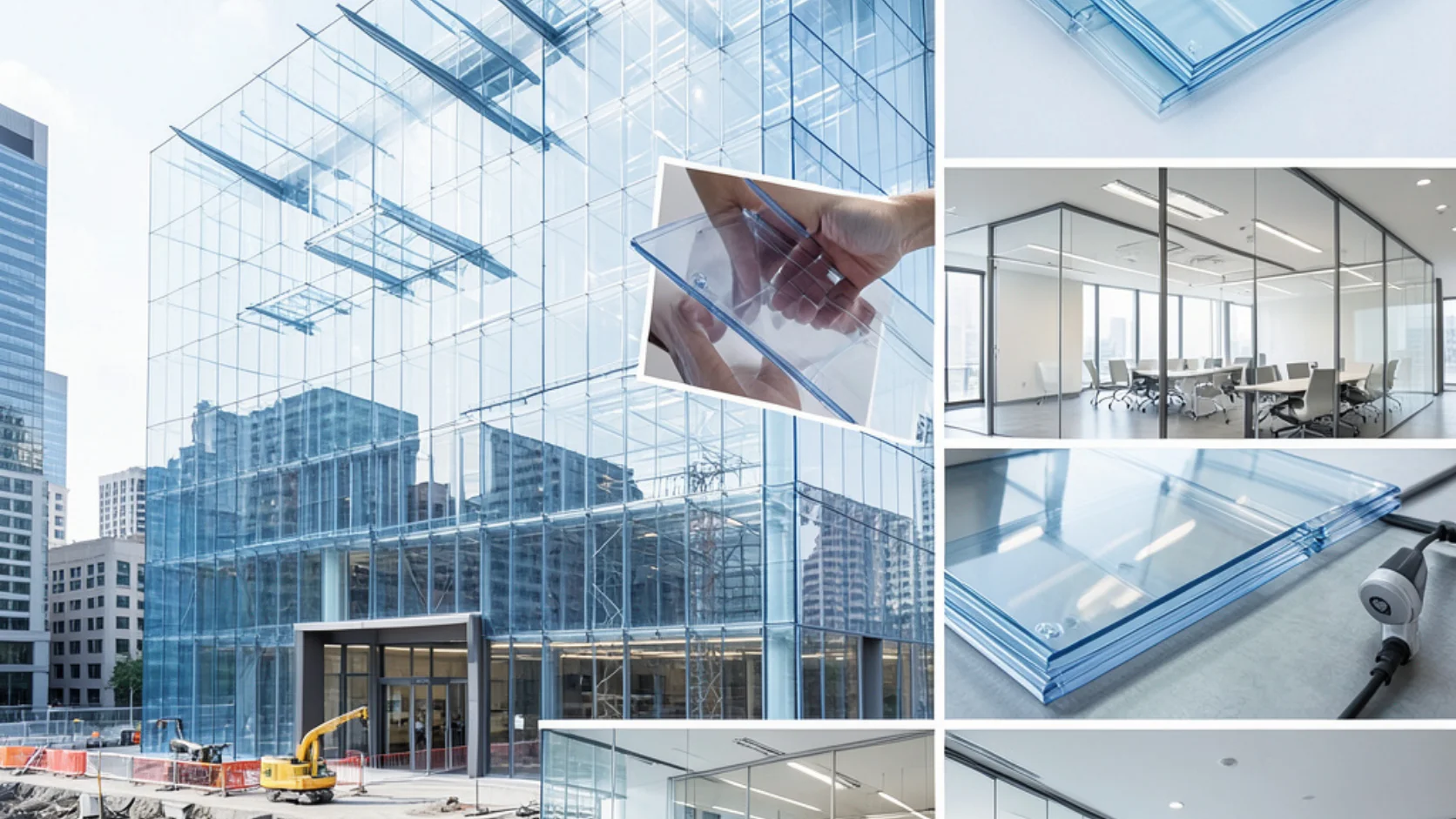
Typical architectural applications include skylights, canopies, feature façades, decorative screens, internal partitions, lighting installations, retail fit-outs, signage, furniture, noise barriers and selected glazing systems.
PLEXIGLAS® has also been used in recognised architectural projects such as the roof of Munich’s Olympic Stadium and the shaped façade of Kunsthaus Graz. Discover PLEXIGLAS® for architecture and design.
For regulated façades, balustrades, safety glazing, roofing and fire-sensitive applications, the selected grade must be checked against the relevant Australian standards and project specifications.
Qualifying PLEXIGLAS® products are covered by one of the acrylic industry’s longest weathering guarantees.
The manufacturer provides a 30-year guarantee against visible yellowing and loss of transparency for many clear, colourless PLEXIGLAS® solid sheets, multi-skin sheets, corrugated sheets, blocks, tubes and rods.
Coloured products may carry a separate colourfastness warranty, commonly up to 10 years. Warranty coverage depends on the exact grade, application, installation, processing and manufacturer’s conditions. Review the official PLEXIGLAS® 30-year guarantee.
Depending on the selected grade, PLEXIGLAS® can be used for:
- Architectural glazing and feature panels
- Skylights, roofing and canopies
- Aquariums and swimming pools
- Aircraft and transport glazing
- Signage and illuminated letters
- LED light guides and diffusers
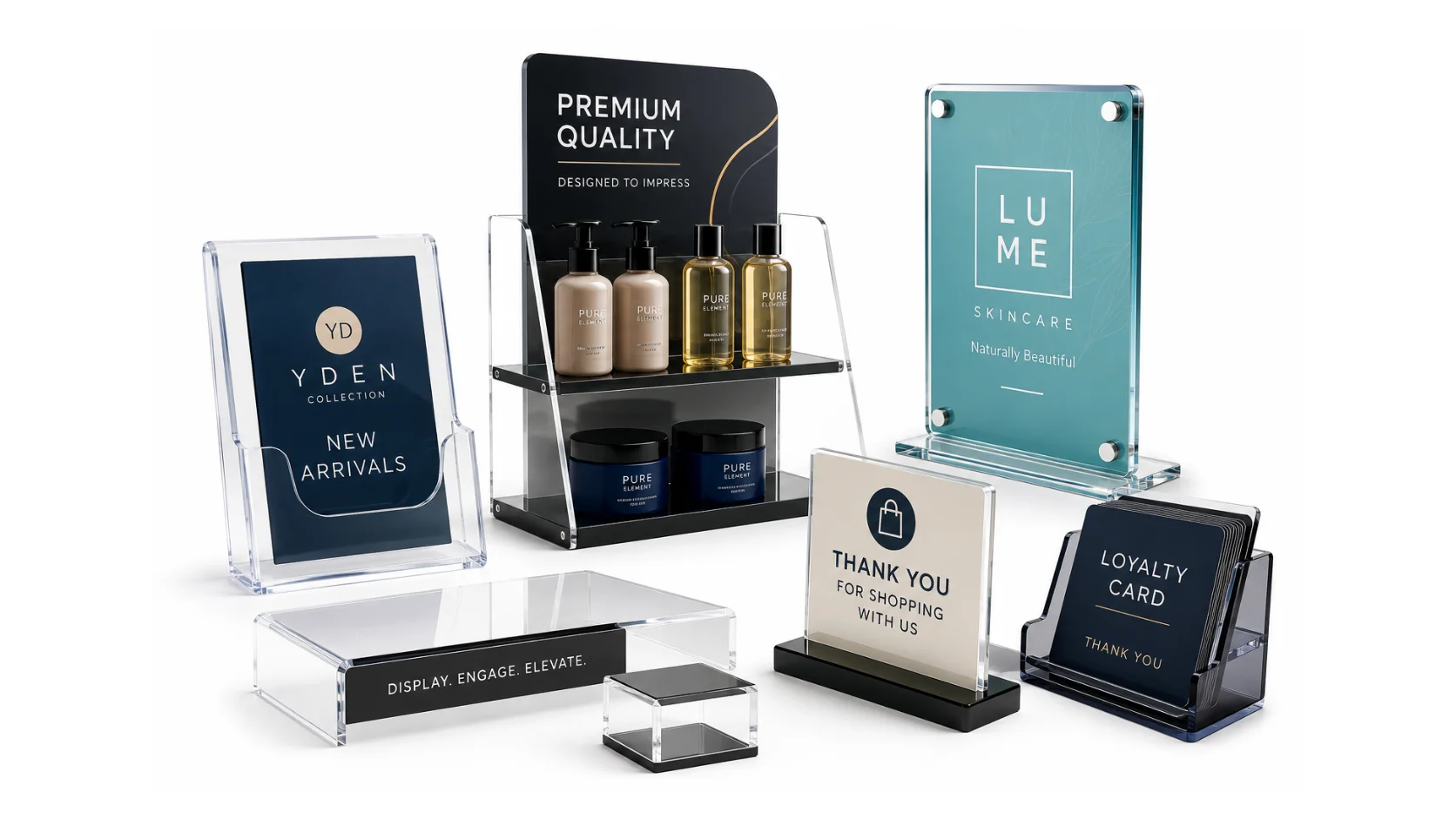
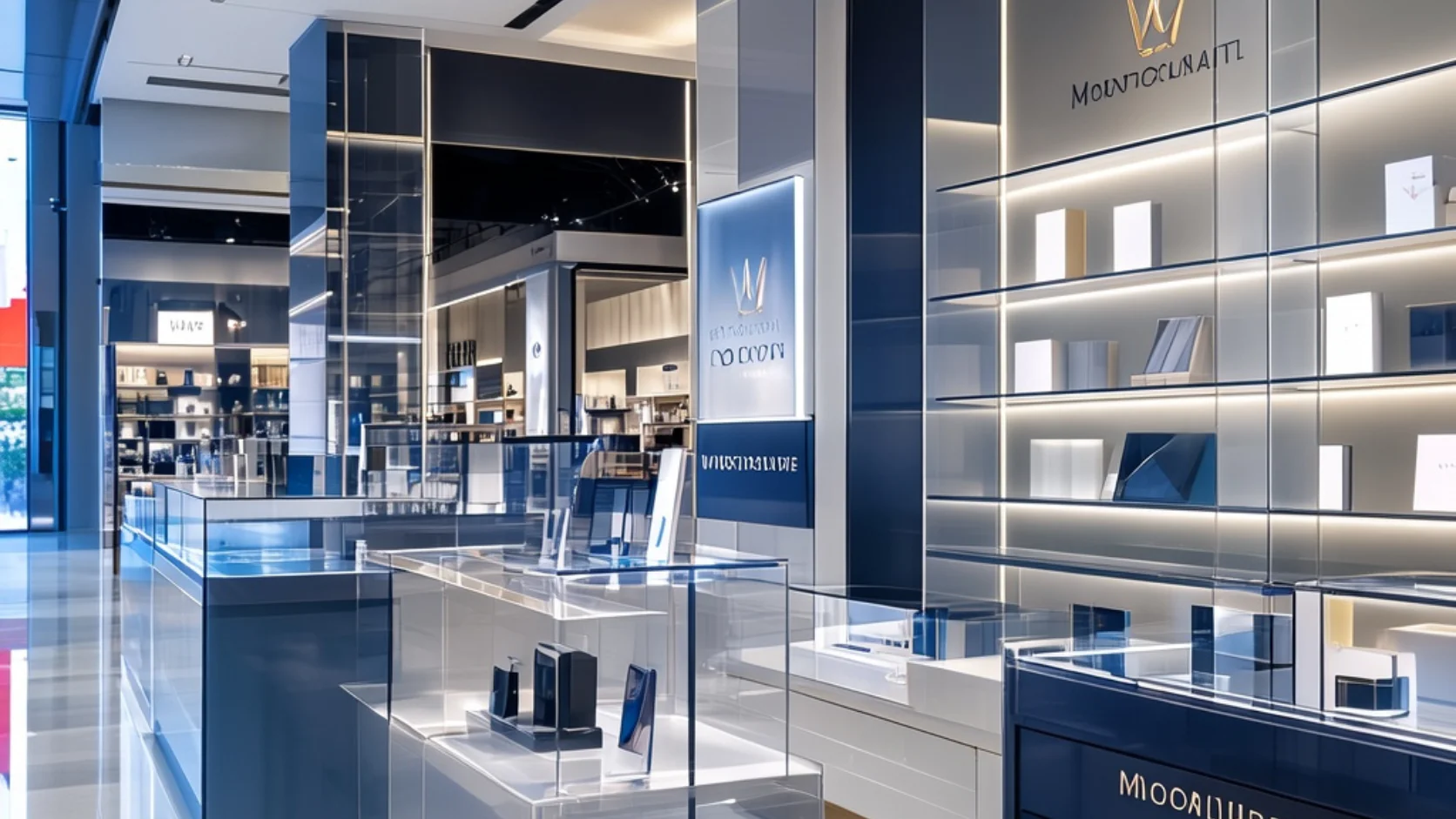
- Retail displays and shopfitting
- Furniture and interior design
- Museum and exhibition displays
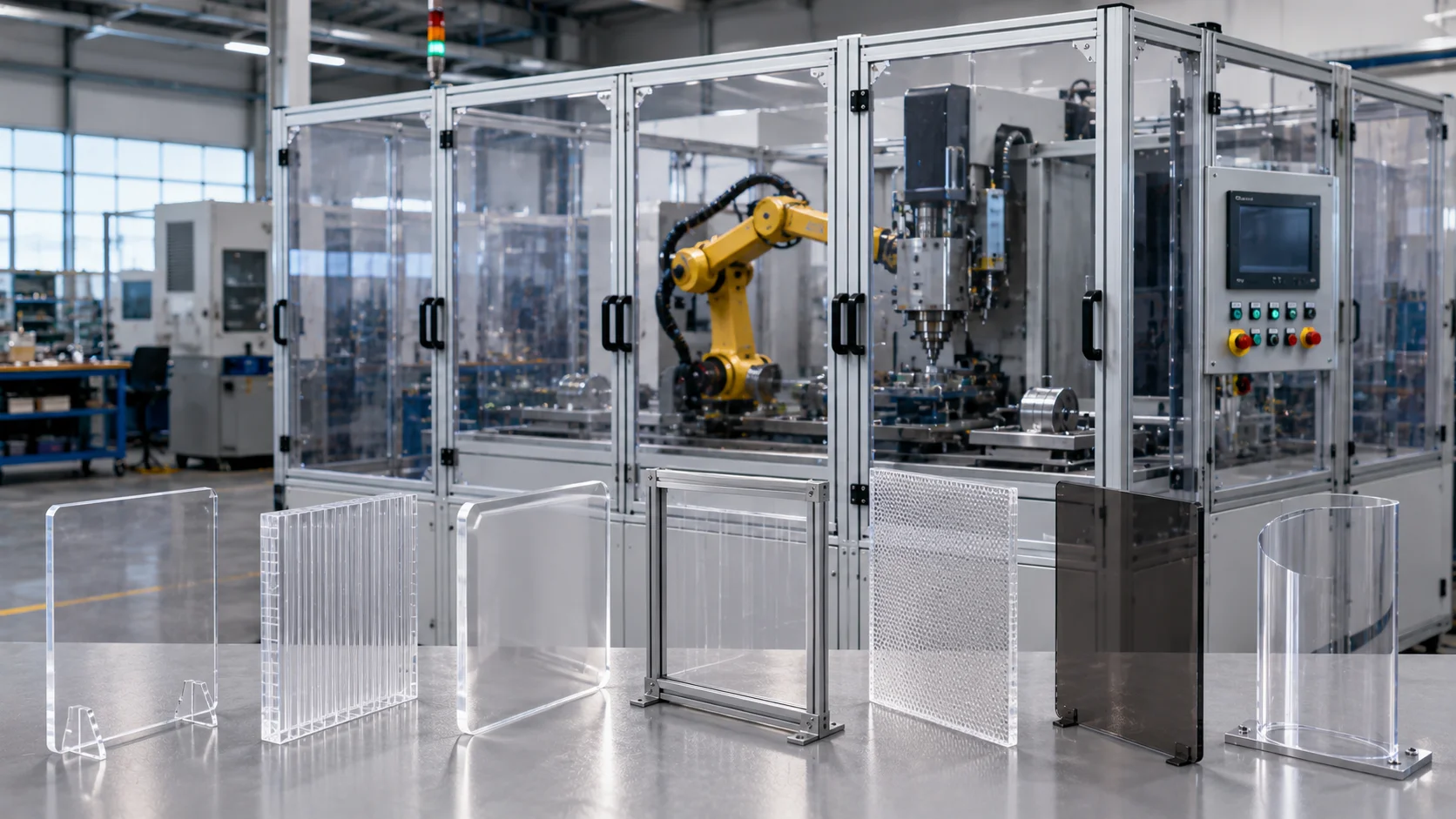
- Machine covers and viewing panels
- Noise and wind barriers
- Greenhouses and outdoor structures
- Optical and electronic display components
Each application should be assessed against the required impact, chemical, temperature, fire, UV and structural performance.
Yes. Altius Polymers can supply PLEXIGLAS® cut to your required dimensions, subject to grade and stock availability.
Additional services may include:
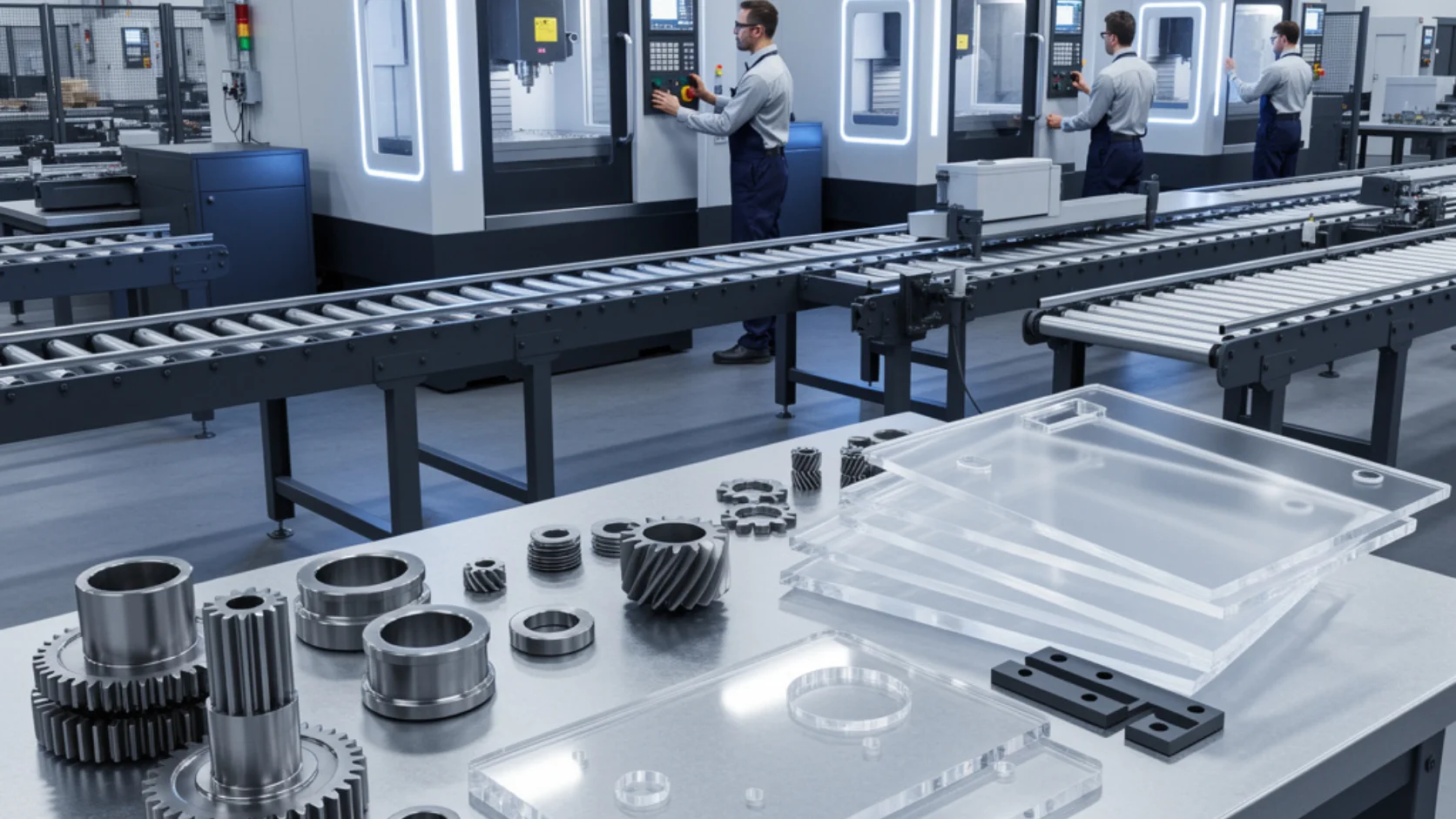
- Rectangular cut-to-size panels
- CNC-routed shapes
- Holes, slots and cut-outs
- Polished or finished edges
- Engraving
- Thermoforming and bending
- Bonding and acrylic fabrication
- Components manufactured from drawings
Maximum component sizes are governed by the available parent-sheet dimensions. Sheet formats and thicknesses vary between PLEXIGLAS® GS, XT and specialist products, so we recommend confirming availability during the design stage.
There is no single minimum order quantity covering every PLEXIGLAS® product.
- Stocked materials may be available as one full sheet or an individual cut-to-size component.
- Non-stock colours, thicknesses and finishes may require the purchase of a full sheet or supplier pack.
- Specialist products may be subject to an import or manufacturer MOQ.
- Custom colours and factory-produced grades generally require a minimum production run.
- Freight and lead times may also apply to products imported specifically for a project.
Send Altius Polymers the product grade, colour code, thickness, size and quantity required. We will confirm the applicable MOQ, pricing and lead time before you order.
The PLEXIGLAS® portfolio contains numerous specialist grades, sizes and finishes, so not every option can be displayed online.
If your required product is not listed, contact Altius Polymers with your application, dimensions, thickness, quantity and performance requirements. With more than 15 years of plastics-industry experience, our team can help identify the appropriate grade, check Australian availability and arrange a special order where required.