Frequently Asked Questions
Heat-stabilised cast nylon is PA6G cast nylon containing additives that slow thermal oxidation and loss of properties during prolonged exposure to elevated temperatures.
It retains the general wear, toughness and machining characteristics of cast nylon while providing improved long-term heat-ageing performance.
No. Heat stabilisation and flame retardancy are different properties.
A heat stabiliser helps the polymer retain its mechanical properties during elevated-temperature service. It does not automatically make the material self-extinguishing or give it a particular UL 94 fire classification.
It is selected when standard cast nylon would experience premature ageing, embrittlement or loss of strength due to prolonged heat exposure.
The grade may provide:
- Improved long-term thermal ageing
- Better retention of mechanical strength
- Good wear and abrasion resistance
- High toughness and fatigue resistance
- Good vibration and noise damping
- Large cast stock shapes
Common applications include:
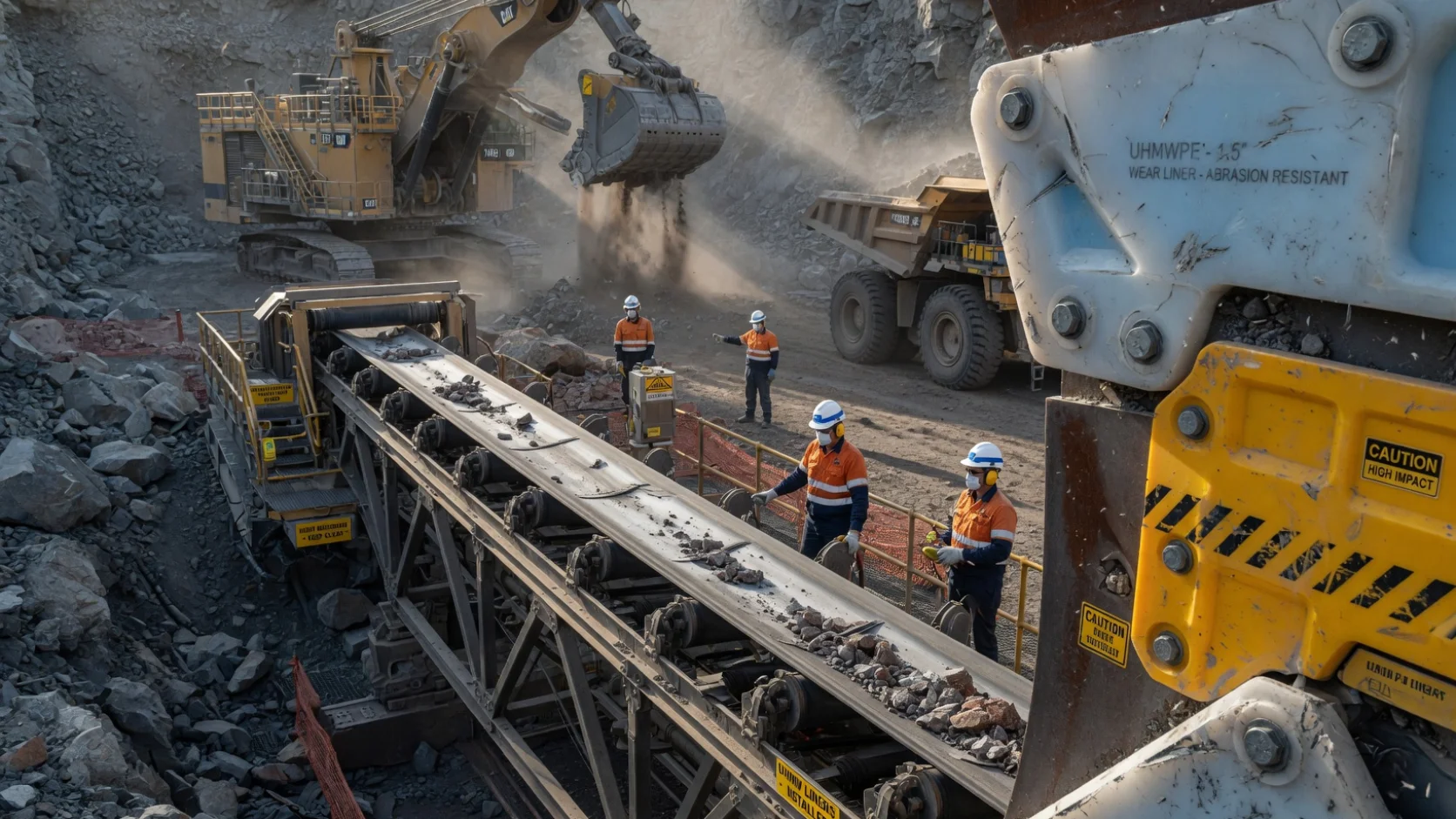
- High-temperature rollers and guides
- Bearings and bushes near ovens or dryers
- Conveyor components
- Industrial gears and sheaves
- Automotive manufacturing equipment
- Packaging and processing machinery
- Wear pads exposed to sustained heat
- Heavy industrial machinery
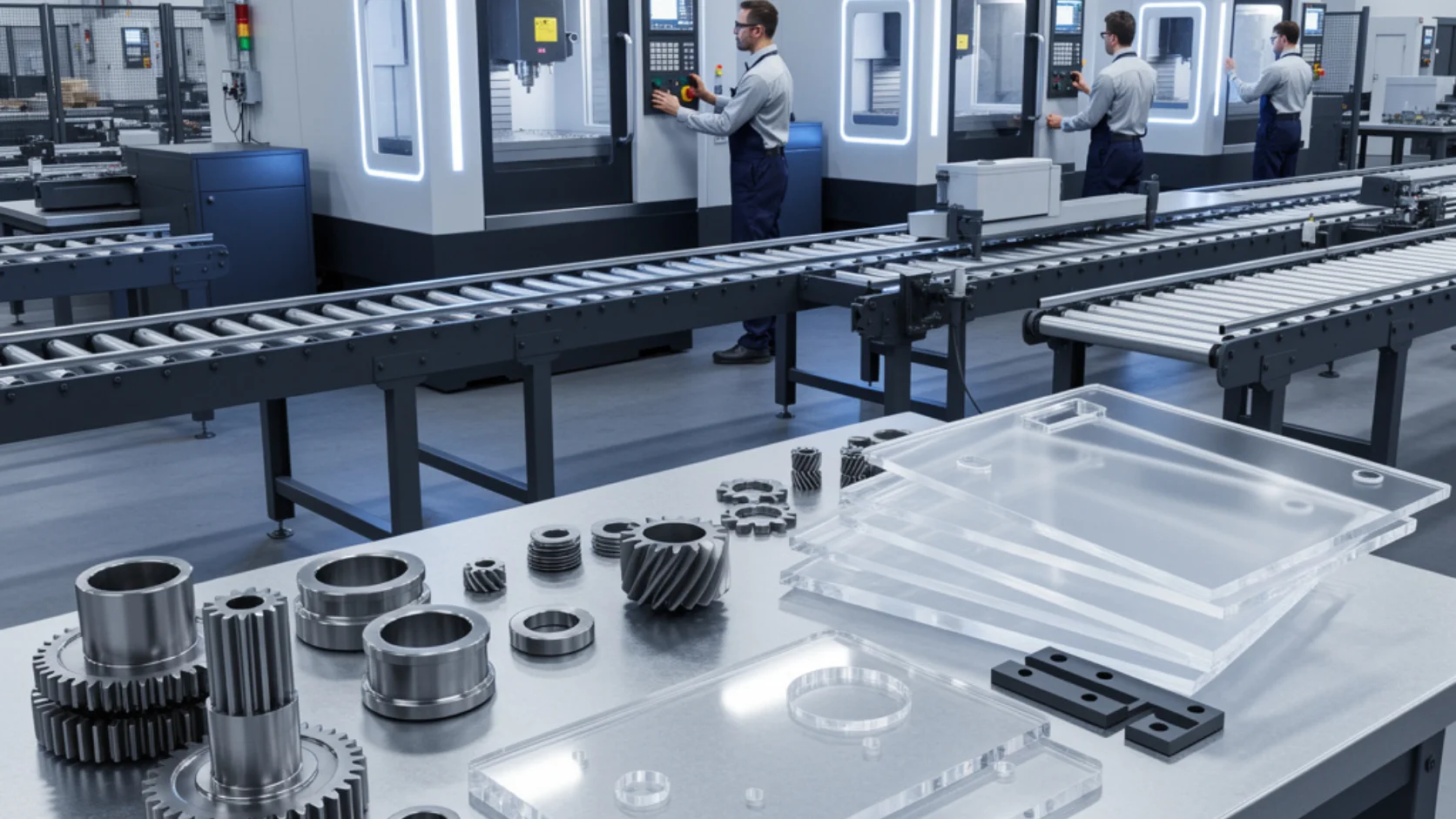
Yes. It machines in a similar way to standard cast nylon. Sharp tools, correct support and adequate chip clearance should be used.
Moisture conditioning and thermal expansion must be considered when setting close tolerances.
Thick heat-stabilised cast nylon is normally machined rather than hot or cold bent.
Specialist welding and adhesive bonding may be possible, but mechanical fastening is commonly preferred. It can be printed using nylon-compatible ink after cleaning and drying. A production trial is recommended.
- Dimensional stability: Moisture absorption and thermal expansion still apply; heat stabilisation does not eliminate them.
- Mechanical: High strength, toughness, fatigue resistance and wear performance.
- Chemical: Good resistance to oils, greases, fuels and many alkalis; strong acids and oxidisers require checking.
- Temperature: Better retention of properties during prolonged elevated-temperature exposure than standard cast nylon.
- Fire: Heat-stabilised does not mean flame retardant. The exact grade and thickness must be checked.
- Electrical: Normally insulating when dry, but electrical resistance decreases as moisture content rises.
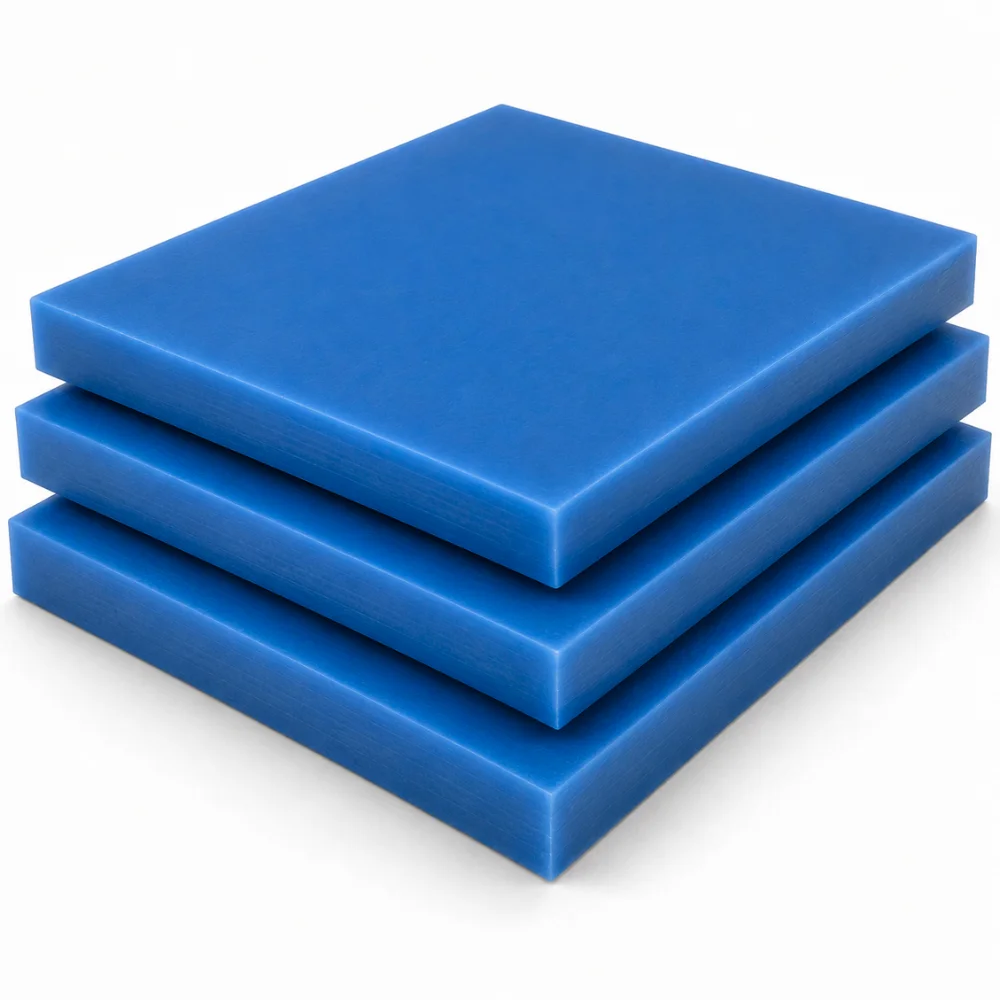
Blue is a common identifying colour for heat-stabilised cast nylon. Black and other colours may also be available. Some grades may combine heat and UV stabilisation, but this must be verified from the manufacturer’s data sheet.
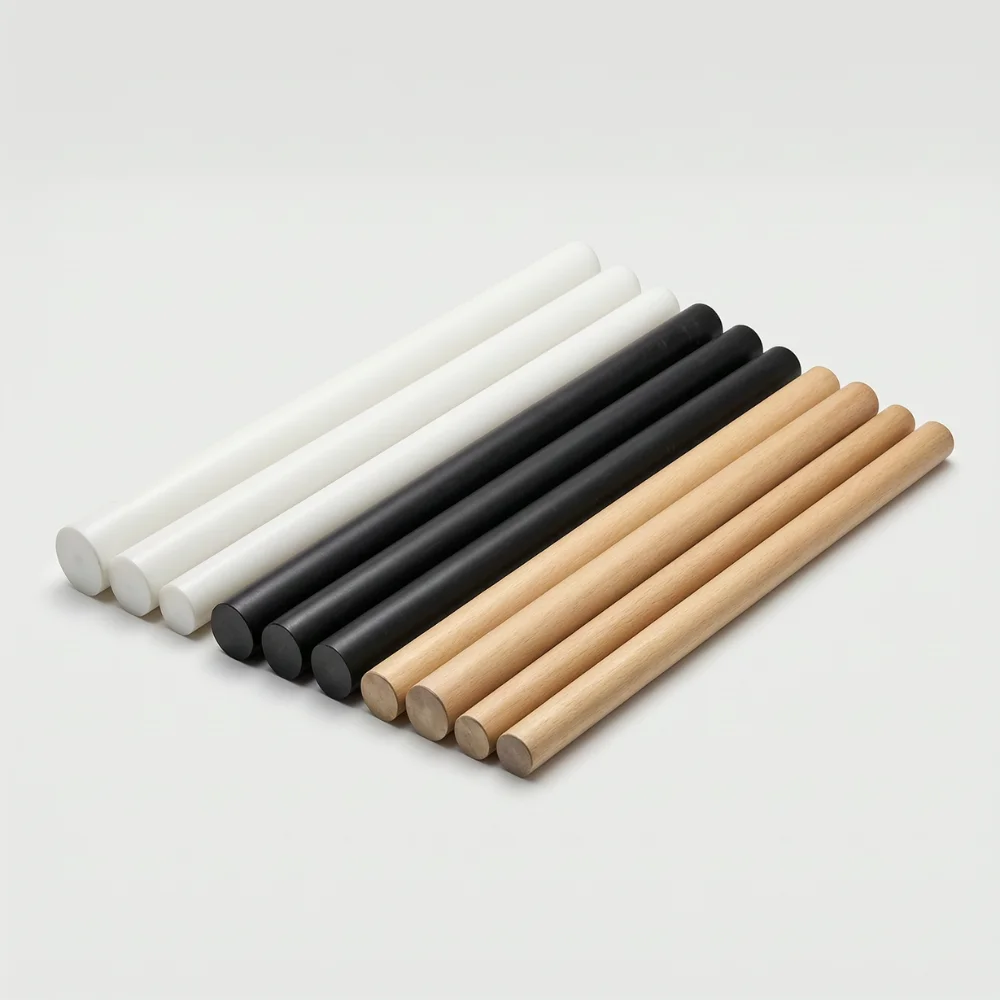
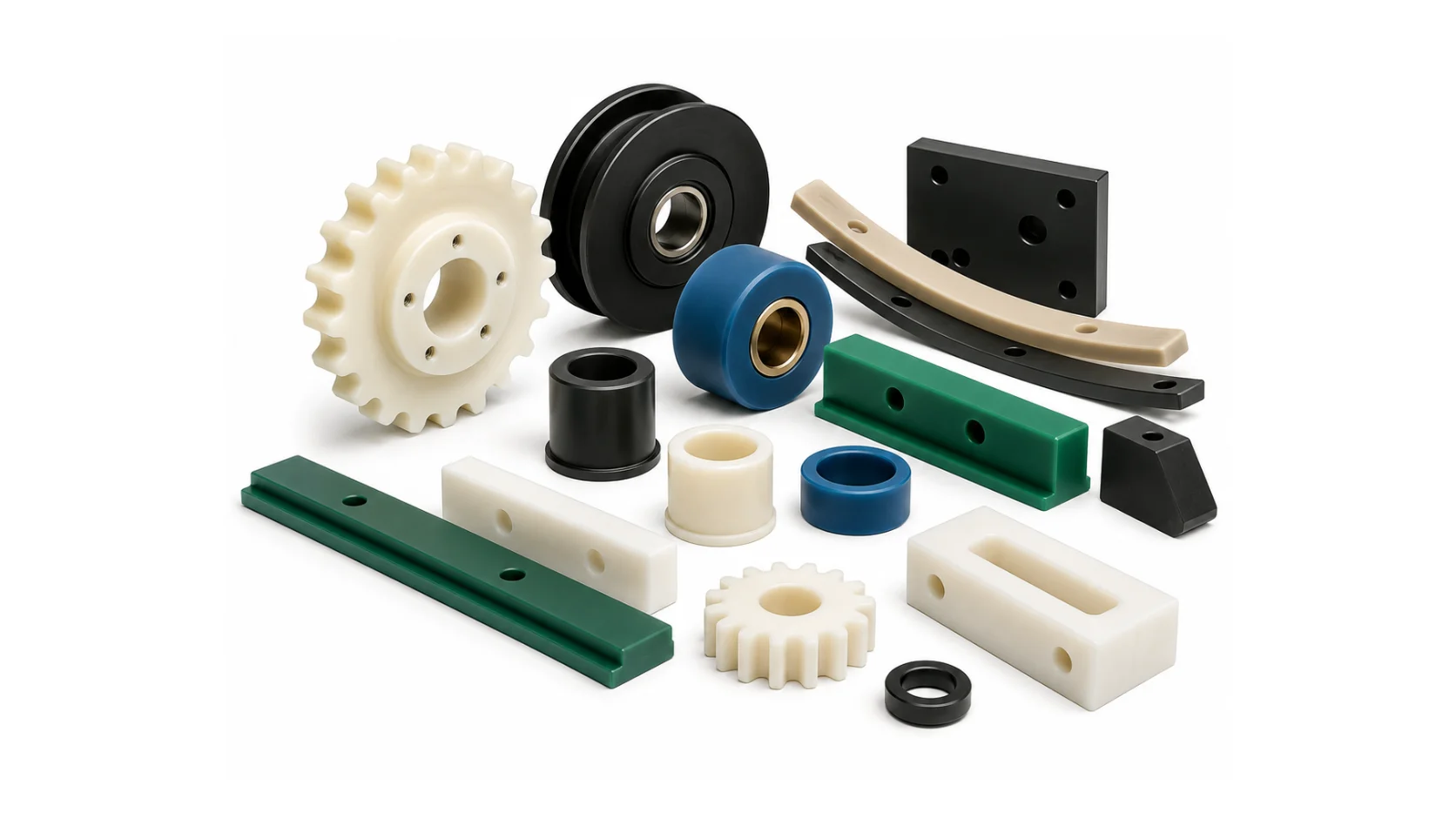
Yes. It can be supplied as sheet, rod, tube, discs, rings, blocks or machined components.
Stocked sizes may be available as a single cut piece. Custom cast dimensions, colours or additive packages generally require a manufacturing minimum and additional lead time.