Frequently Asked Questions
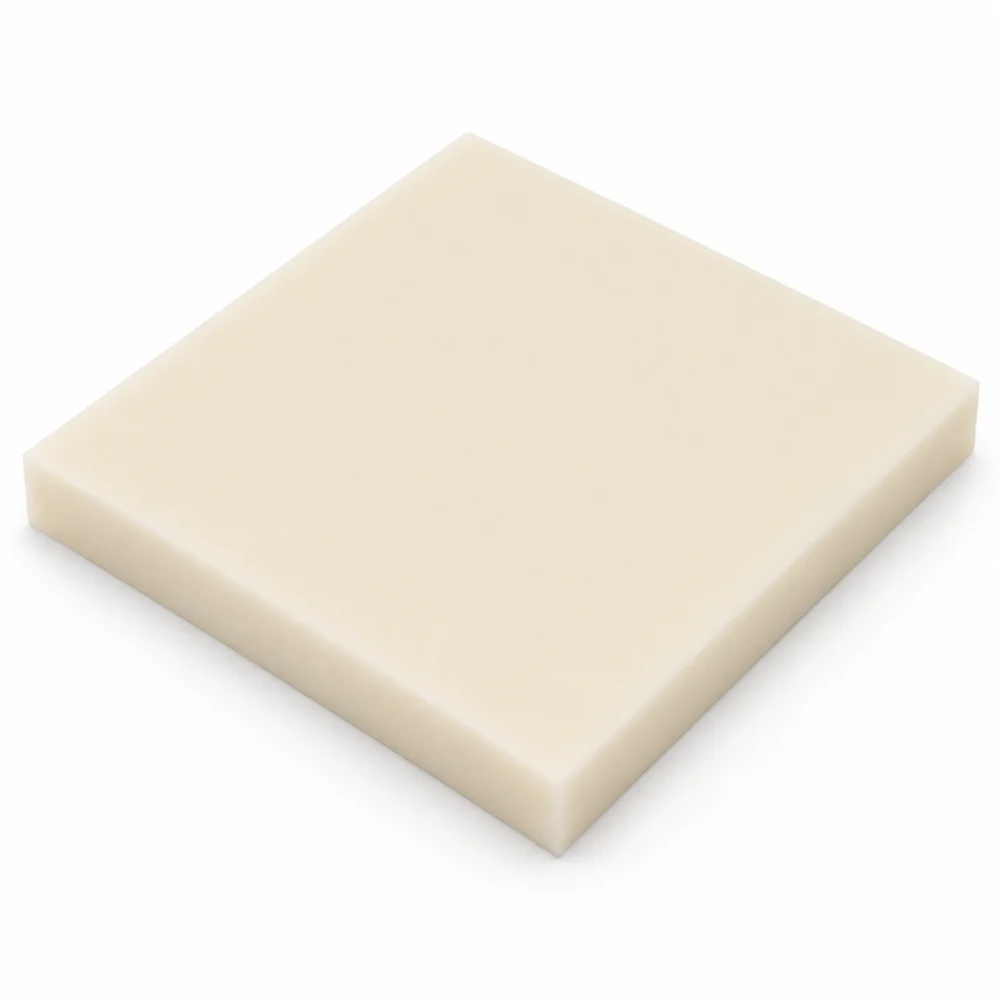
Polypropylene, commonly abbreviated as PP, is a lightweight, semi-crystalline thermoplastic with excellent chemical resistance, low moisture absorption and good weldability.
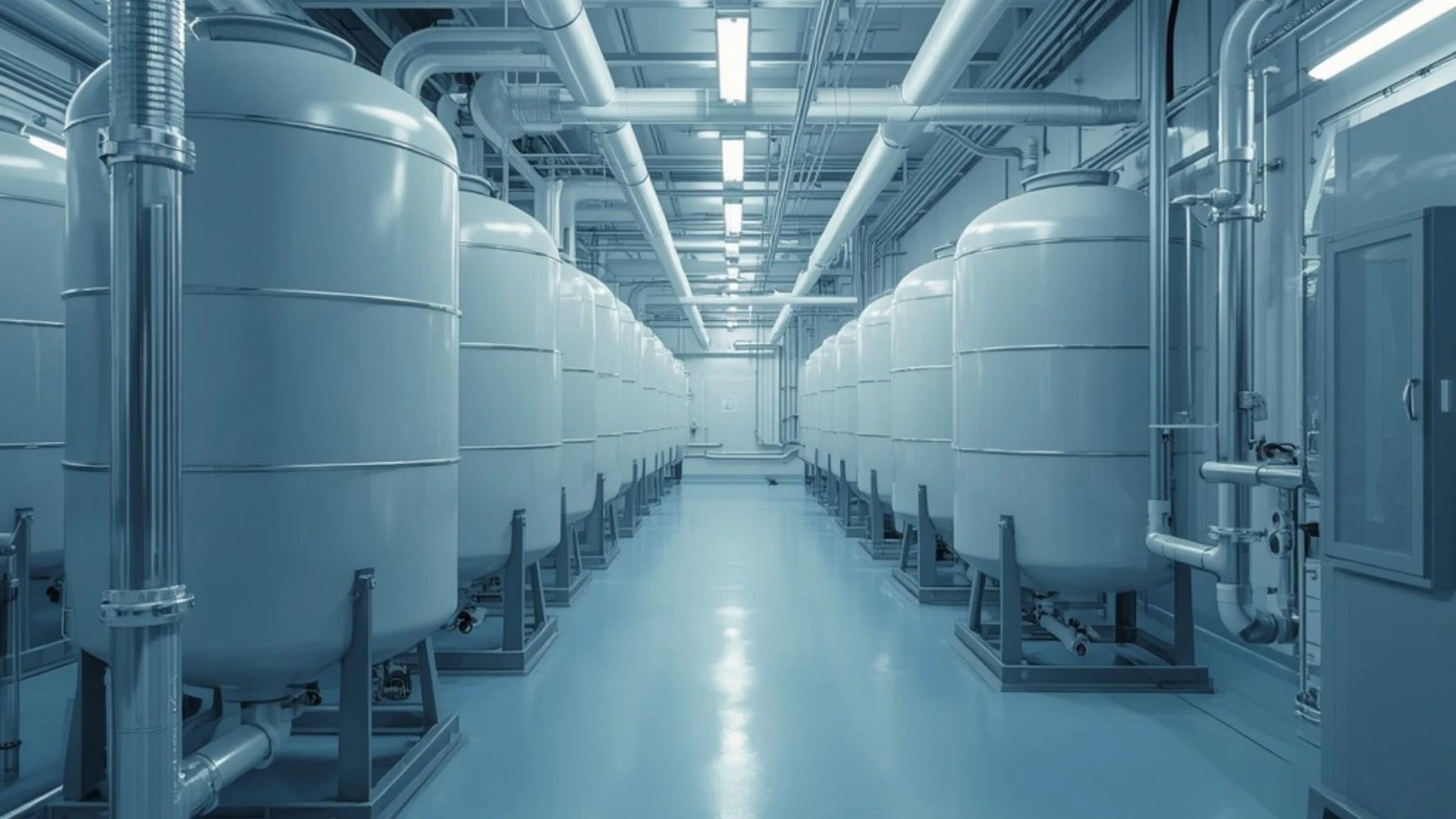
It is widely used for chemical tanks, fabricated process equipment, ventilation systems, laboratory equipment and food-processing applications.
PP is produced by polymerising propylene gas using controlled catalysts. The resulting resin is compounded with pigments, UV stabilisers, heat stabilisers or other additives before being extruded or moulded into sheets, rods, pipes and finished products.
- PP-H homopolymer: Higher stiffness, strength and upper-temperature performance.
- PP-B or PP-C block copolymer: Improved impact performance, particularly at lower temperatures.
- PP-R random copolymer: Frequently used in pipe systems and applications requiring improved impact or appearance.
- Flame-retardant, conductive and UV-stabilised PP: Specialist application grades.
SIMONA PP-H and PP-H AlphaPlus are recognised German polypropylene sheet products. Röchling supplies PP under the POLYSTONE® P brand.
PP is generally stiffer and has a higher useful service temperature than HDPE. It also retains excellent chemical resistance and is readily welded.
Compared with rigid PVC, PP is lighter and normally performs better at elevated temperatures, but it is more difficult to adhesively bond and print. PVC-U is usually stiffer and easier to solvent cement.
Typical applications include:
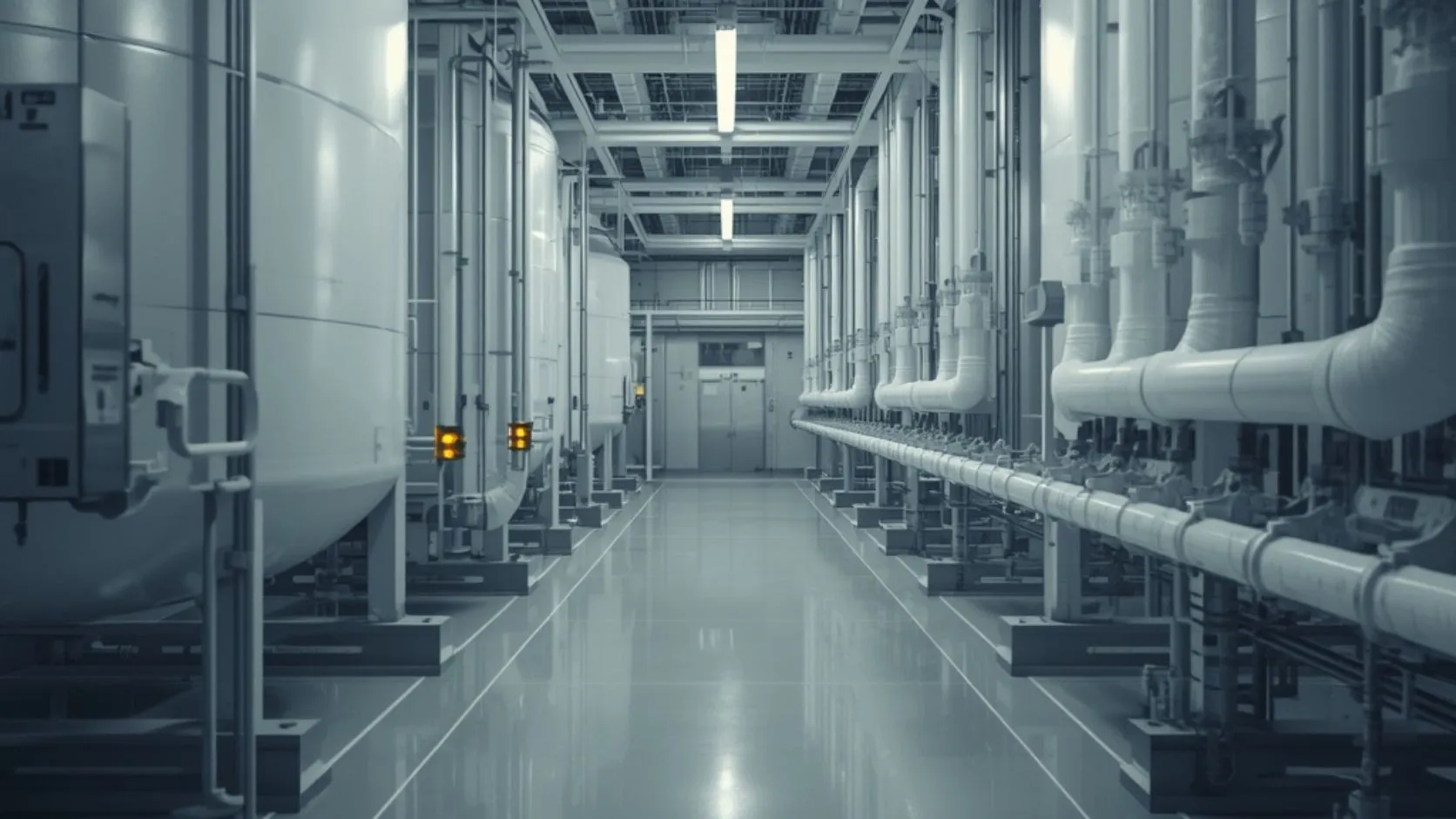
- Chemical storage and process tanks
- Electroplating equipment
- Scrubbers and ventilation ducts
- Laboratory benches and sinks
- Water-treatment equipment
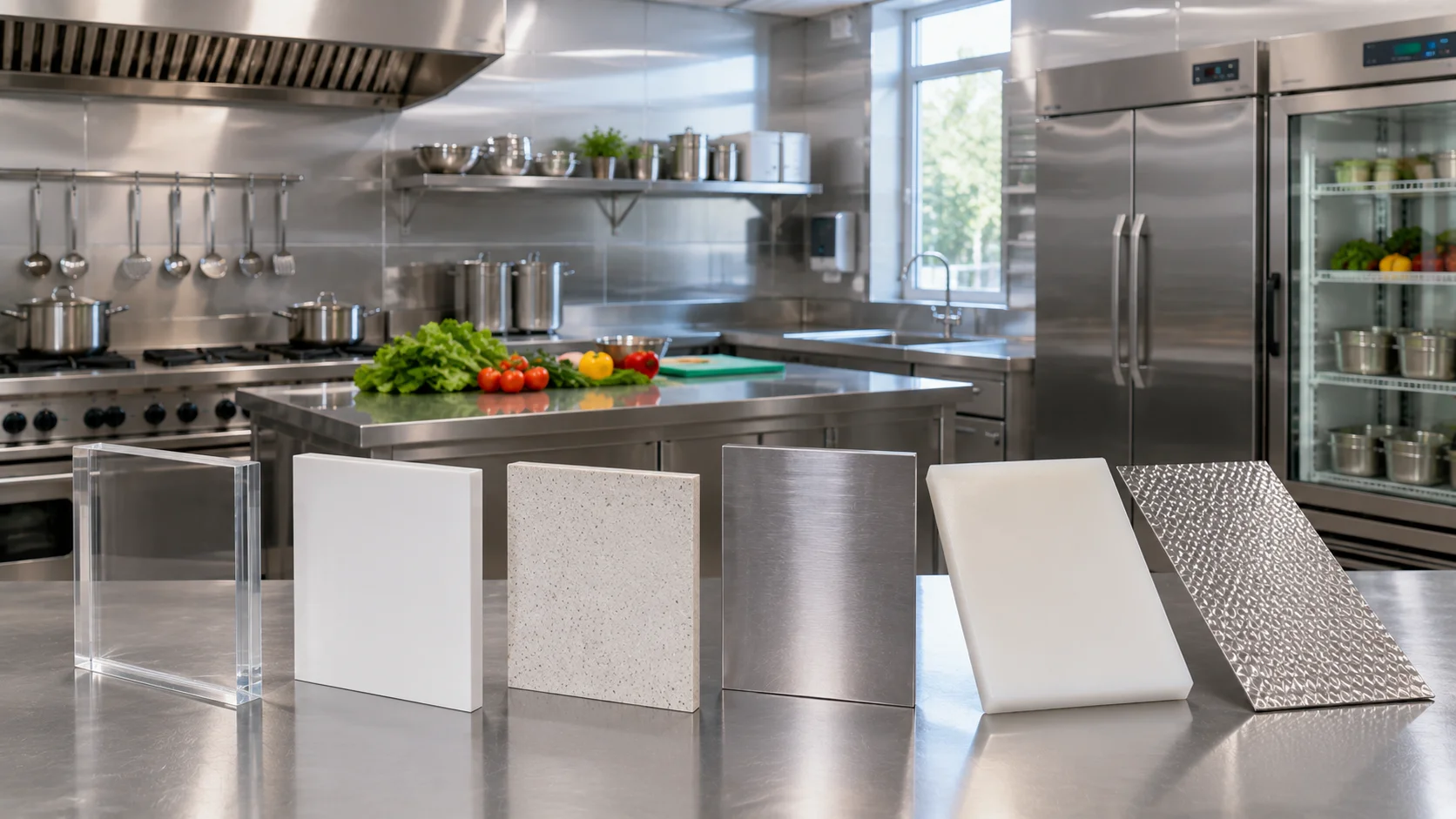
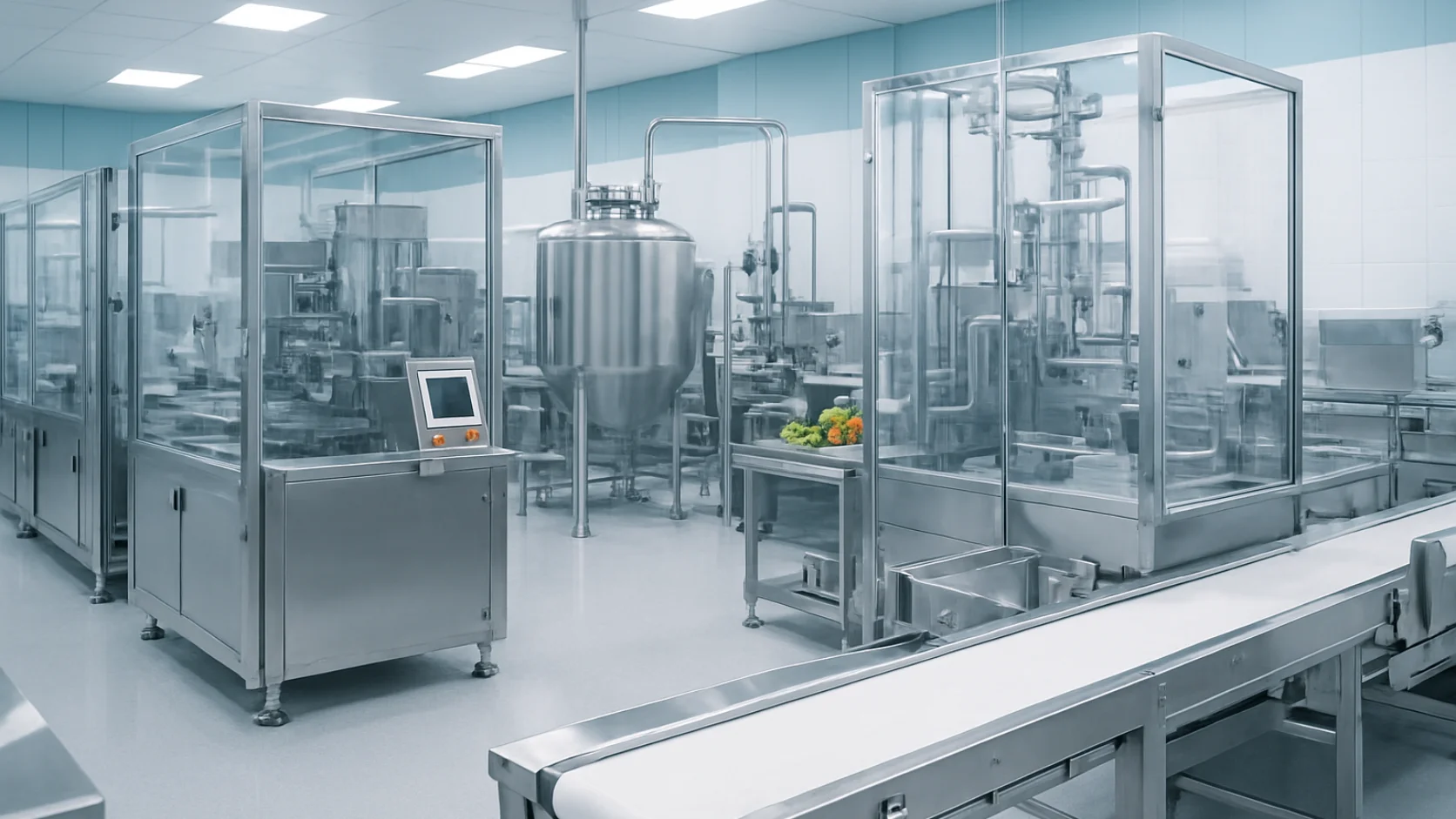
- Food-processing equipment using an approved grade
- Aquaculture and fish-processing equipment
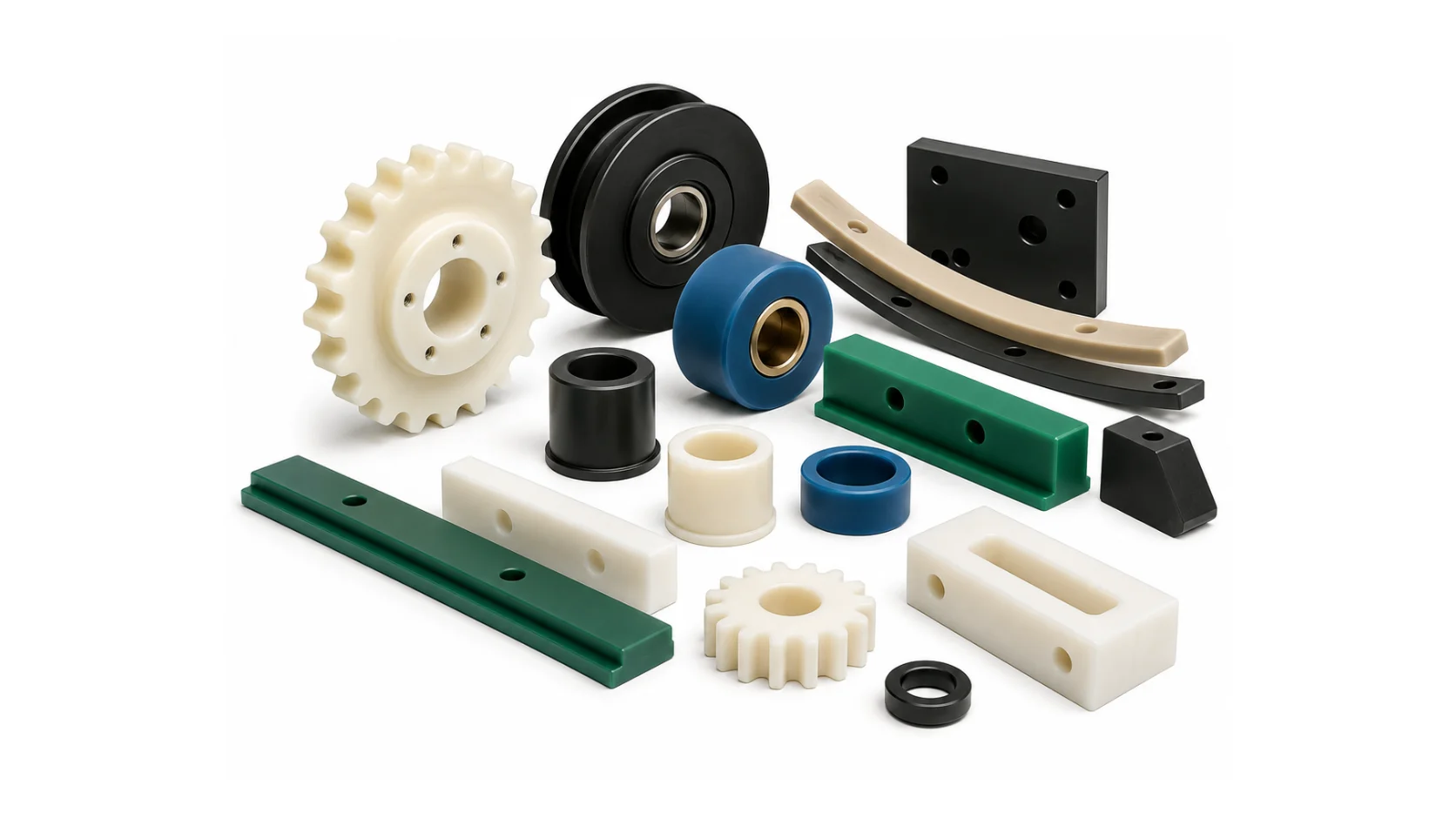
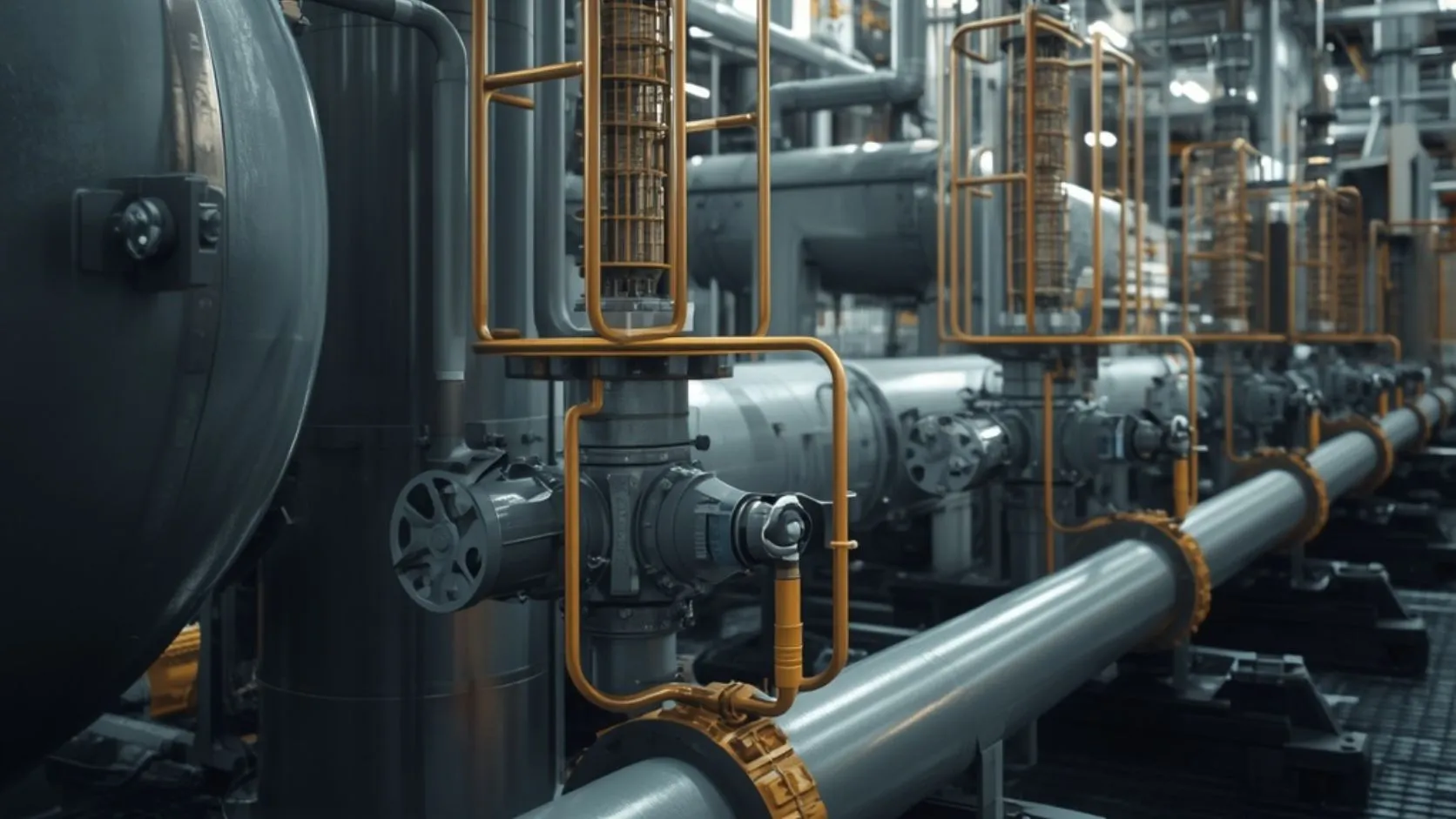
- Pump, valve and pipe components
- Guards and machine components
- Packaging and returnable containers
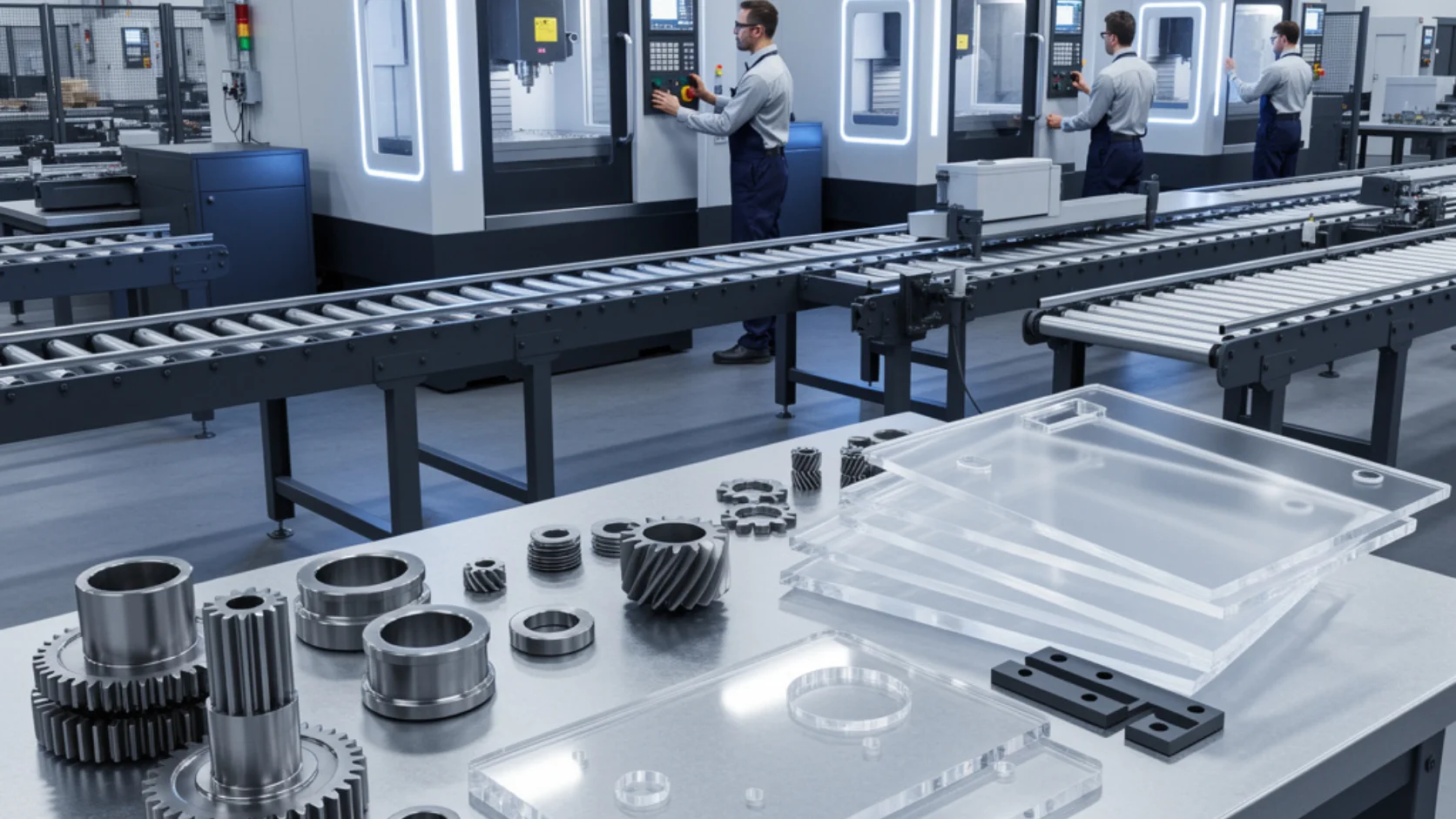
Yes. PP can be saw-cut, drilled, routed, turned and CNC machined. It is also an excellent material for welded thermoplastic fabrication.
Hot-gas, extrusion, butt and socket welding can be used when carried out with compatible PP welding rod and suitable procedures.
PP sheet can be hot bent and thermoformed. Thin sheet may be cold folded or used as an integral living hinge, but thick sheet should normally be heat formed.
Adhesive bonding is difficult because PP has low surface energy. Plasma, corona or flame treatment and specialist polyolefin adhesives may be required. Welding or mechanical fastening is normally more reliable.
Yes, after suitable surface treatment. Corona, flame or plasma treatment increases surface energy and improves ink adhesion. A compatible PP ink and production adhesion test are recommended.
- Dimensional stability: Negligible moisture absorption, but thermal expansion and creep are higher than in PETP, Acetal or PVC-U.
- Mechanical: Röchling lists representative tensile yield strength above 30 MPa and modulus above 1,500 MPa for POLYSTONE P homopolymer.
- Chemical: Excellent resistance to many acids, alkalis and salts. Strong oxidisers, aromatic or chlorinated solvents and elevated-temperature exposure require verification.
- Fire: Standard PP is combustible and generally classified around UL 94 HB. Flame-retardant grades are available.
- Electrical: Excellent electrical insulation. Antistatic and conductive grades can be supplied.
- Temperature: Representative PP-H long-term service capability can approach 100°C, depending on stress and chemical exposure.
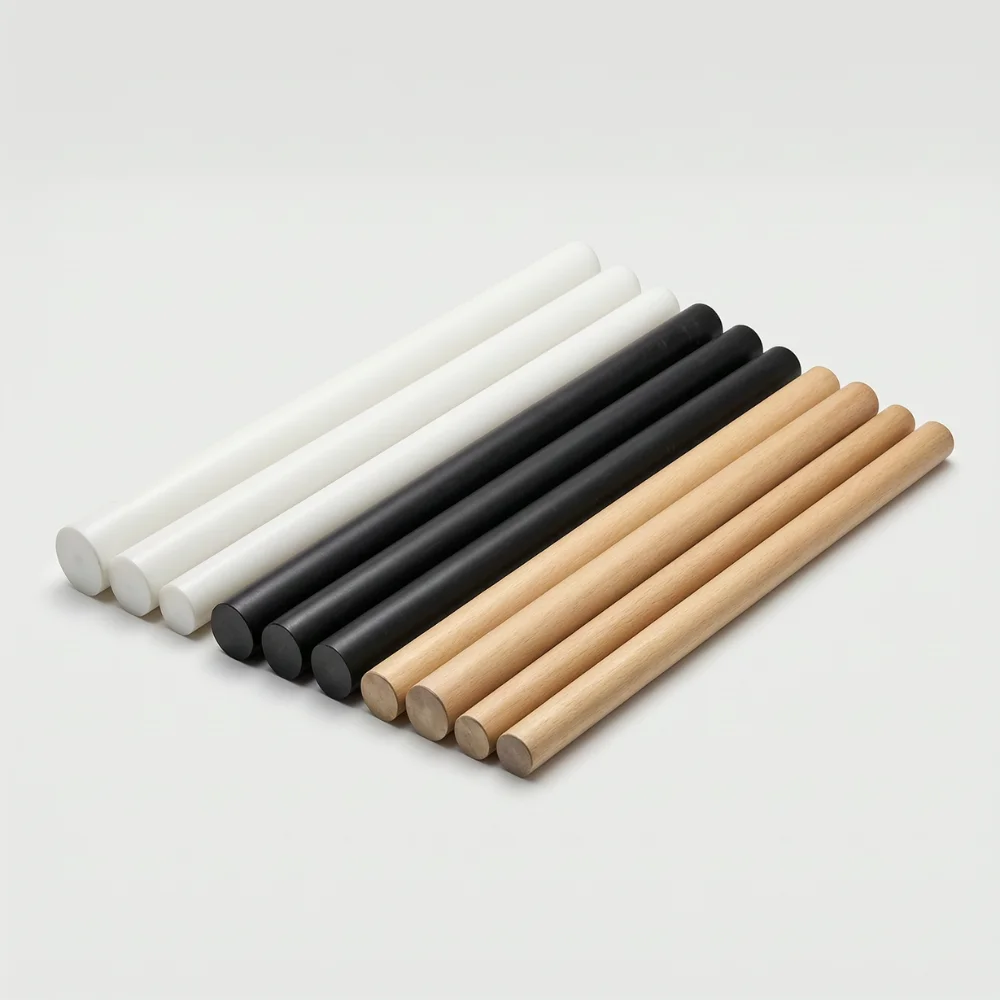
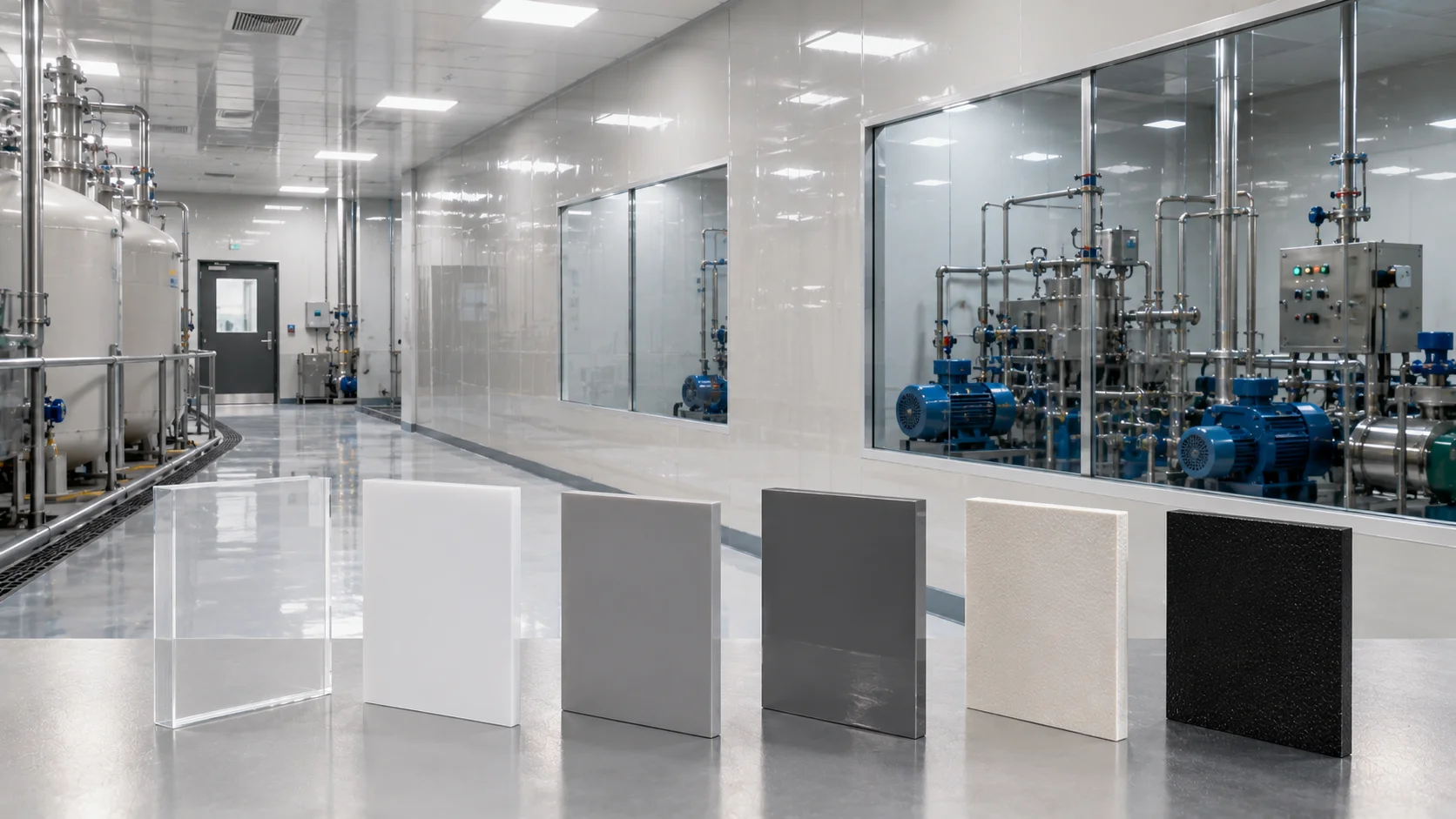
Natural, grey, white, black and blue are common. Custom colours, UV-stabilised grades and specialist conductive or flame-retardant formulations are available subject to manufacturing requirements.
Standard natural PP should not automatically be selected for permanent outdoor exposure. A confirmed UV-stabilised grade should be used.
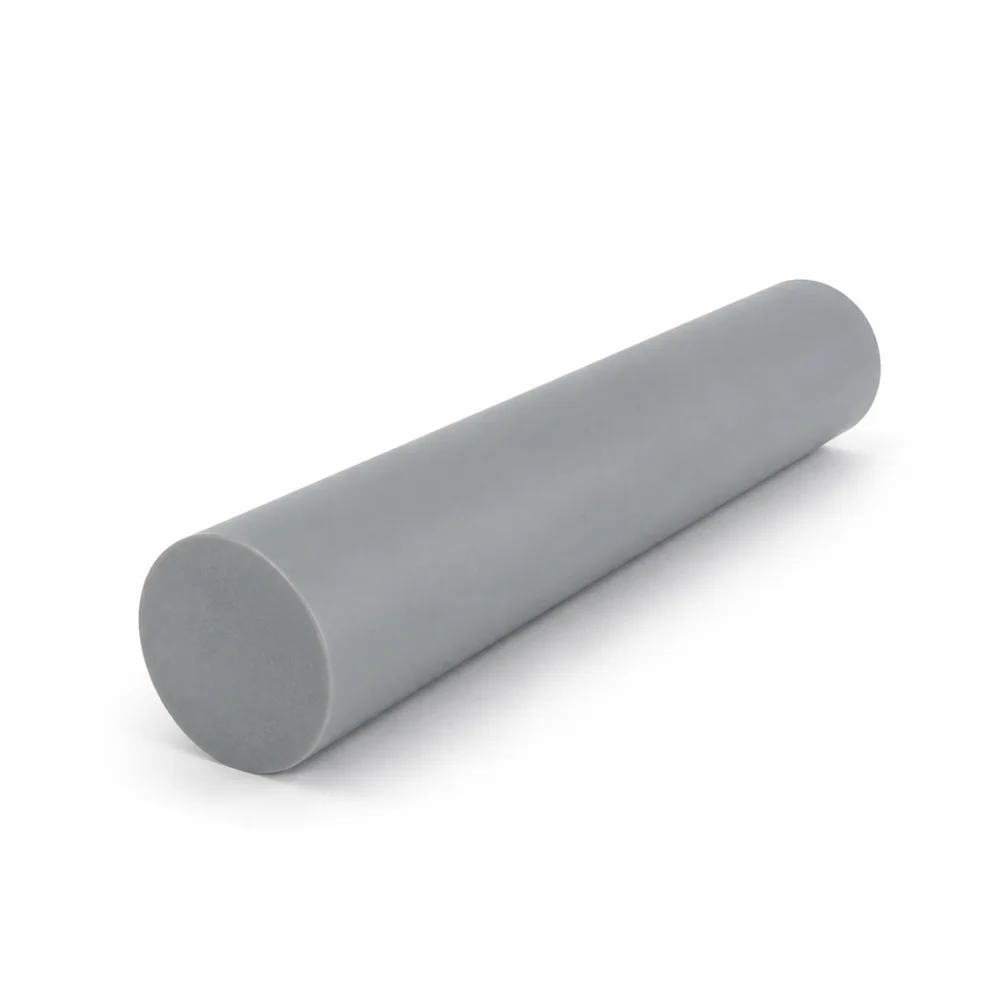
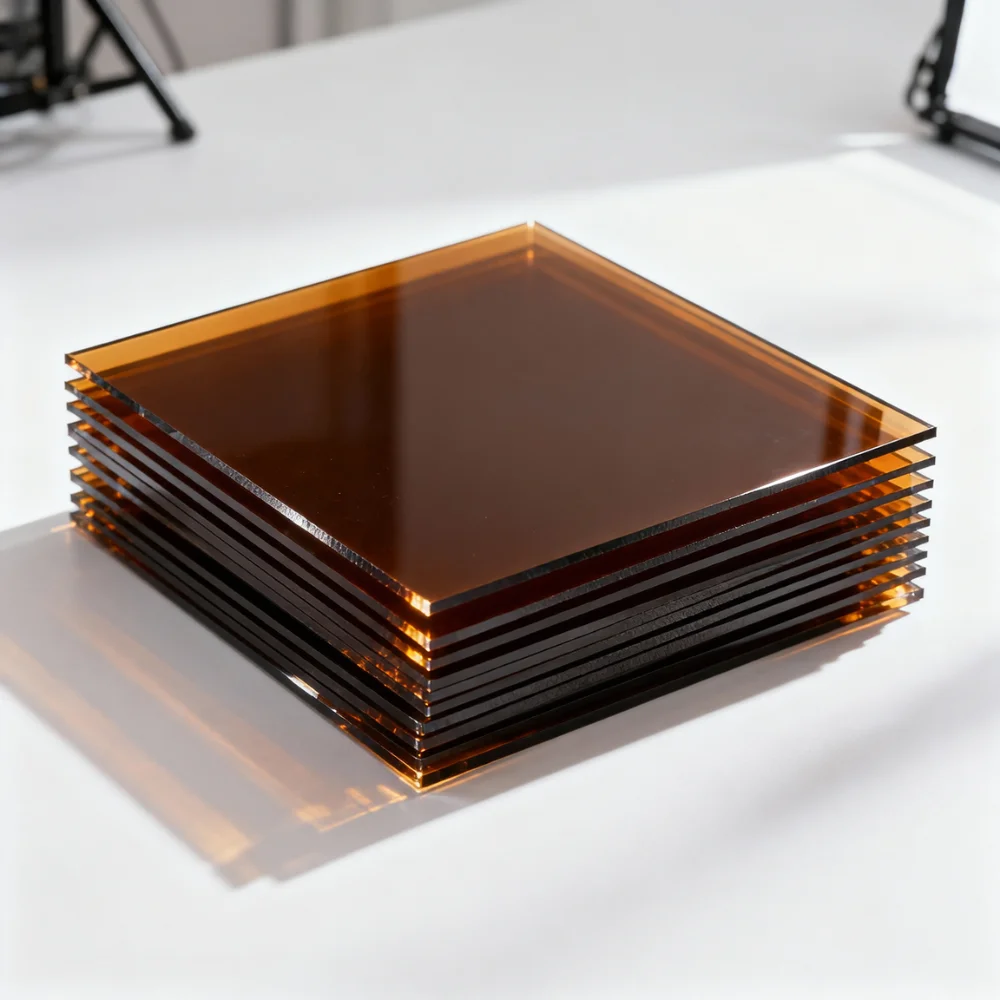
Yes. PP can be supplied as cut sheet, rod, pipe, welding rod, fabricated tanks, guards and CNC-machined components.
Standard stock may be supplied as a single cut piece. Special colours, profiles, thicknesses or certified grades normally require a factory minimum order and additional lead time.