

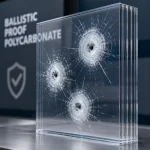
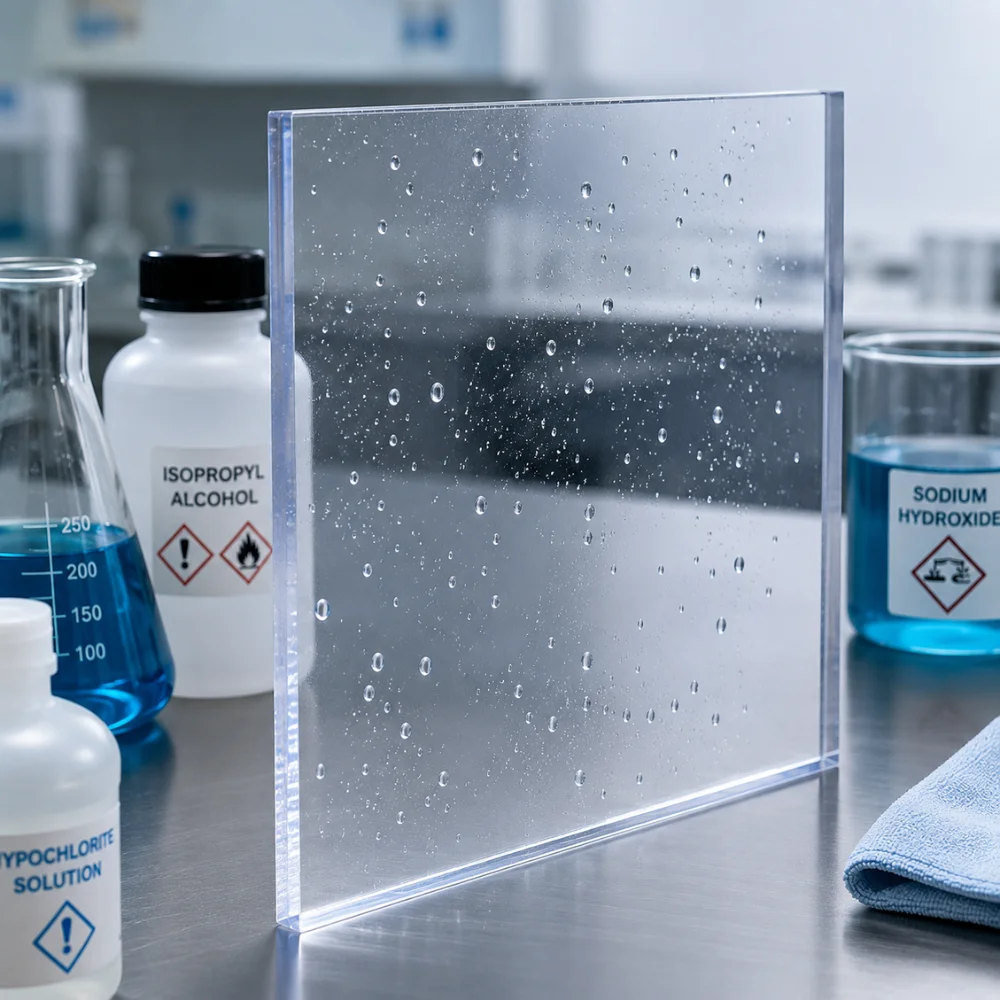
*Please note: Images are for illustrative purposes only. Actual colors, finishes, and product packaging may vary slightly from what appears online.
Chemical Guard Polycarbonate
Chemical Guard Polycarbonate is a premium hard-coated polycarbonate sheet engineered to provide exceptional impact resistance together with enhanced resistance to chemicals, abrasion and repeated cleaning. Designed for demanding industrial, healthcare, laboratory and public environments, it delivers long-lasting optical clarity while protecting against harsh cleaning agents, disinfectants and everyday wear.
Contact us for pricing
Description
Chemical Guard Polycarbonate
Chemical Guard Polycarbonate is a premium hard-coated glazing sheet designed for environments where exceptional impact strength, optical clarity and enhanced chemical resistance are essential. Manufactured from high-quality polycarbonate with a durable protective surface coating, it provides superior resistance to abrasion, common industrial chemicals and repeated cleaning while maintaining excellent transparency.
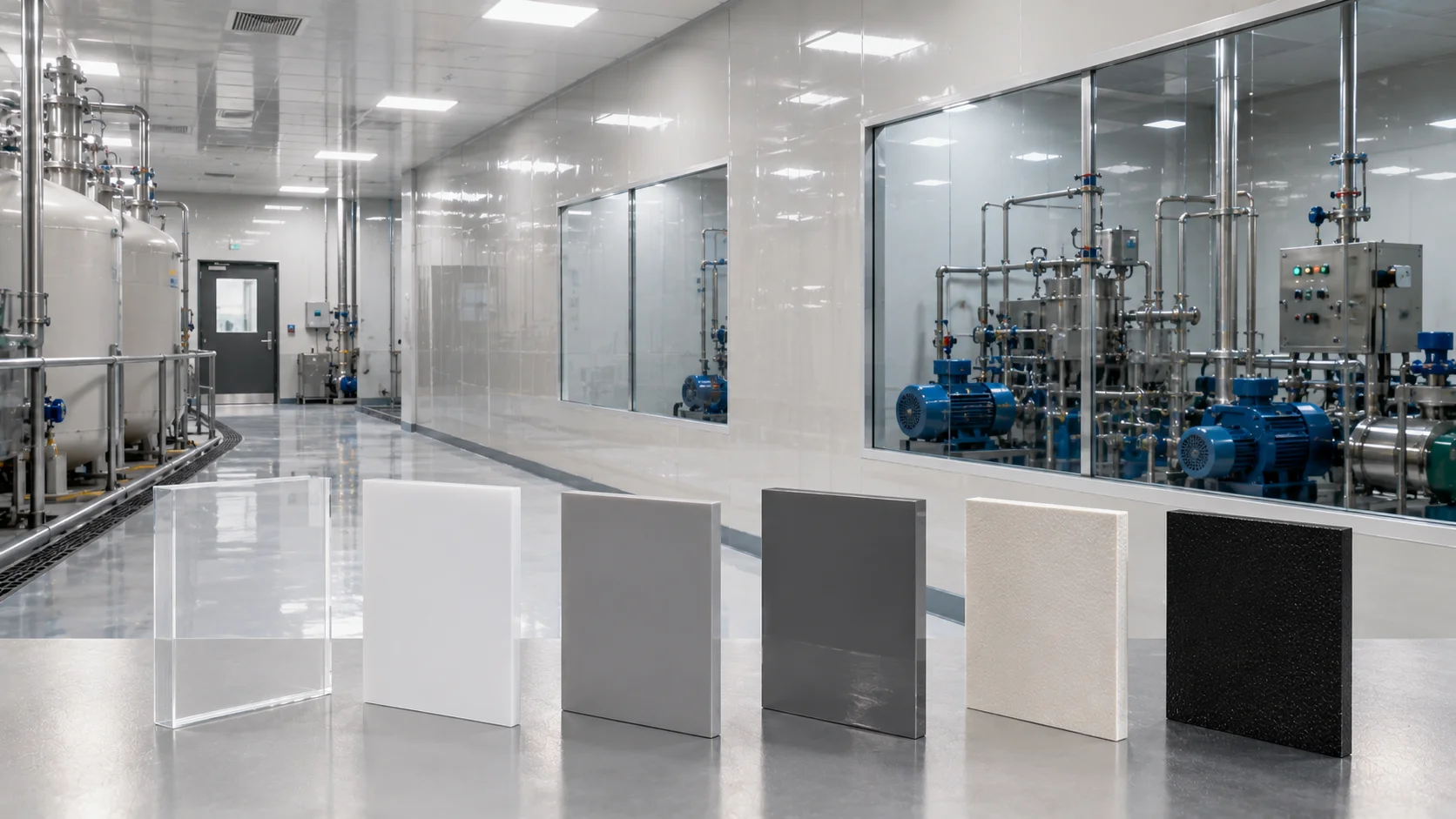
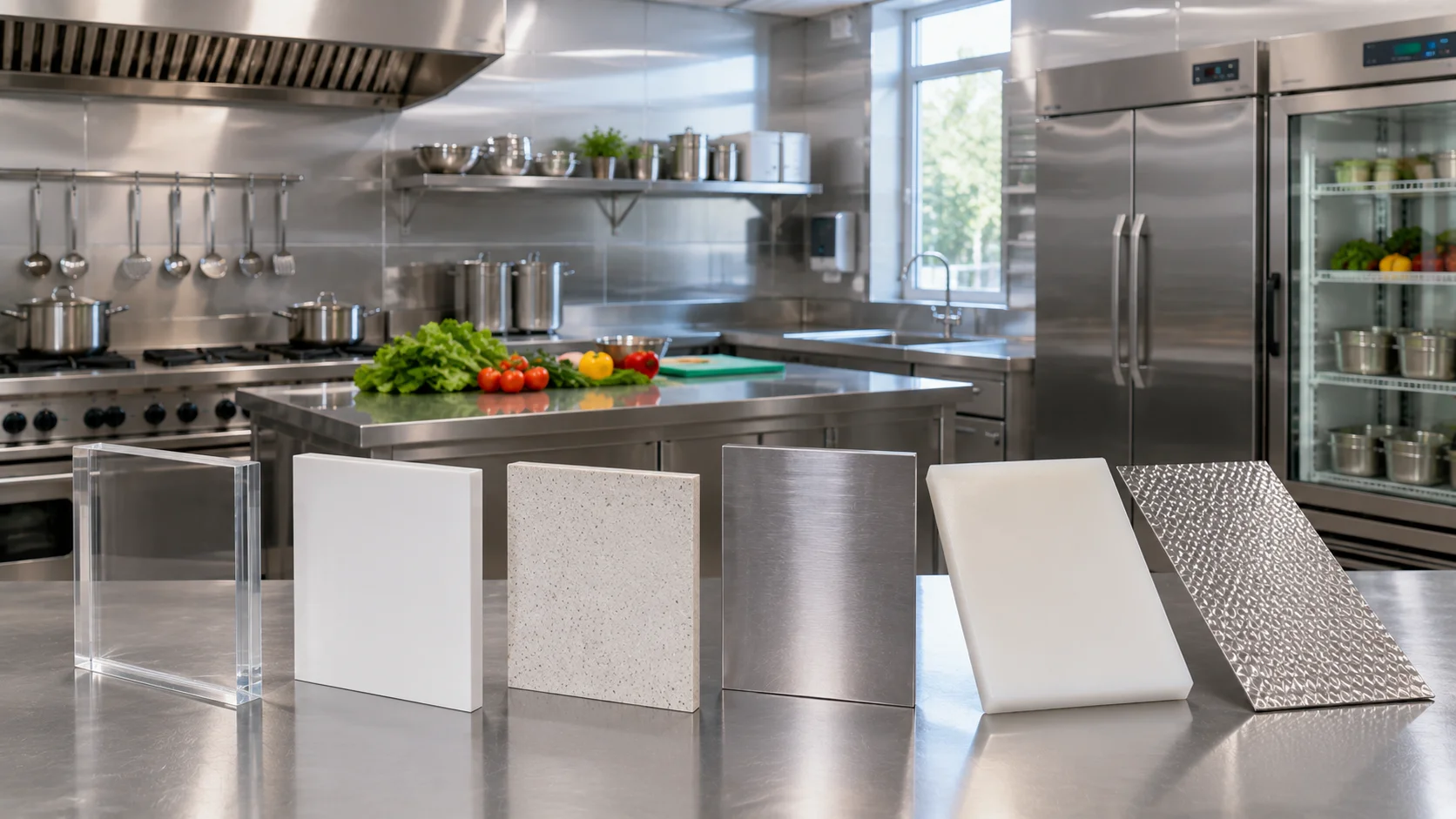
Unlike standard polycarbonate sheets, Chemical Guard Polycarbonate features a specialised hard-coated surface that improves resistance to scratching, staining and degradation caused by cleaning chemicals and disinfectants. This makes it an ideal solution for healthcare, laboratories, pharmaceutical production, food processing, industrial manufacturing and public facilities where frequent cleaning and hygiene are critical.
Combining the outstanding impact resistance of polycarbonate with a chemically resistant protective coating, Chemical Guard Polycarbonate offers a long-lasting glazing solution for demanding environments requiring durability, safety and reliable performance.
Key Features & Common Applications
Key Features
|
Common Applications
|
Chemical Guard Polycarbonate provides outstanding protection in environments where glazing is exposed to frequent cleaning, chemical contact and demanding daily use.
Product Benefits
| Feature | Benefit |
|---|---|
| Chemical Resistant Surface | Withstands exposure to many common industrial chemicals, cleaners and disinfectants. |
| Hard-Coated Finish | Provides improved resistance to scratches, scuffs and surface wear. |
| Exceptional Impact Strength | Offers superior protection against accidental impacts and breakage. |
| Excellent Optical Clarity | Maintains clear visibility for safety screens, equipment guards and observation windows. |
| Easy Maintenance | Supports repeated cleaning without compromising surface appearance. |
| Long Service Life | Reduces maintenance and replacement costs in high-use environments. |
Industries Served
- Healthcare and hospitals
- Pharmaceutical manufacturing
- Medical laboratories
- Food and beverage processing
- Industrial manufacturing
- Chemical processing facilities
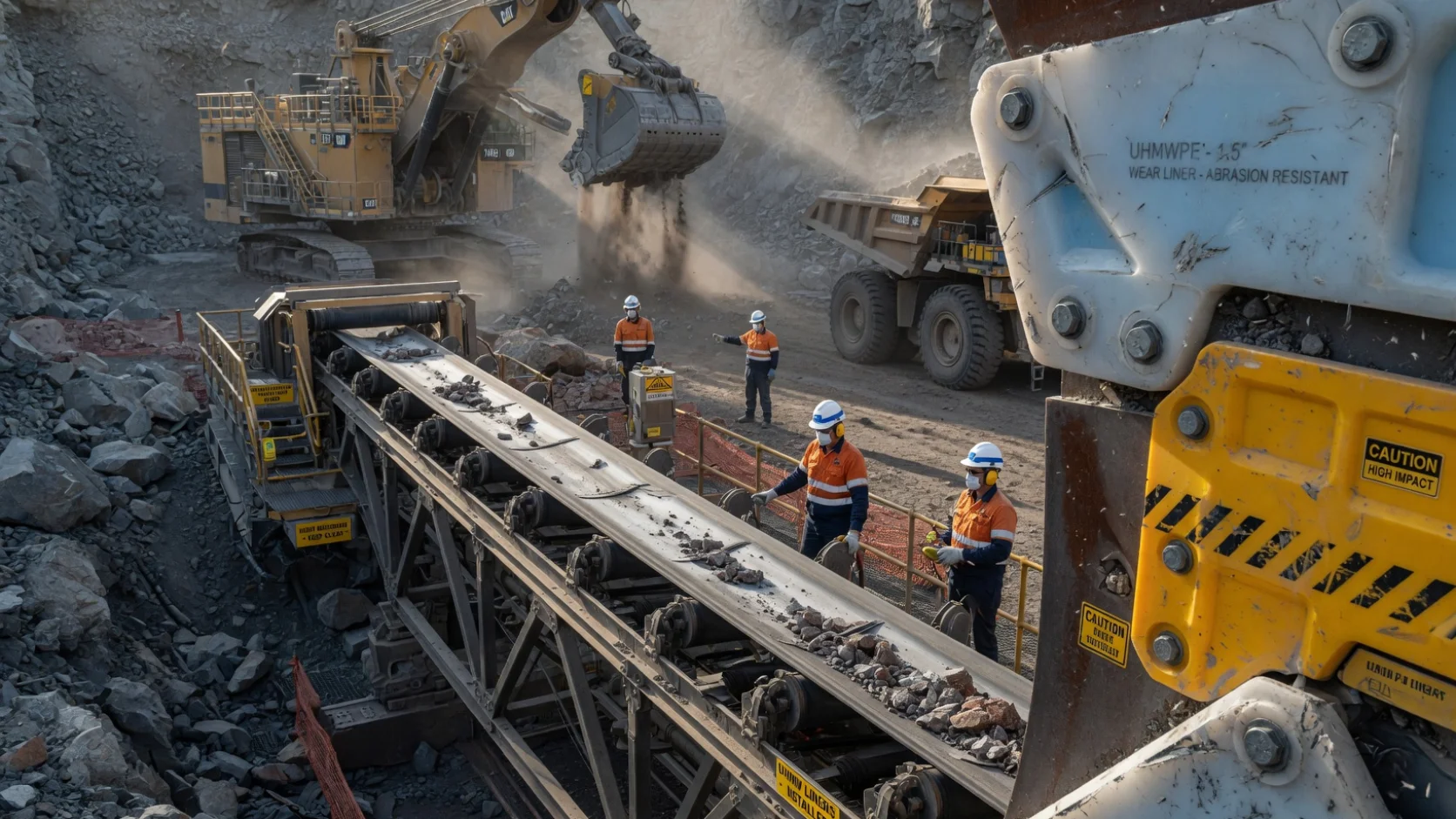
- Mining and resources
- Cleanrooms and controlled environments
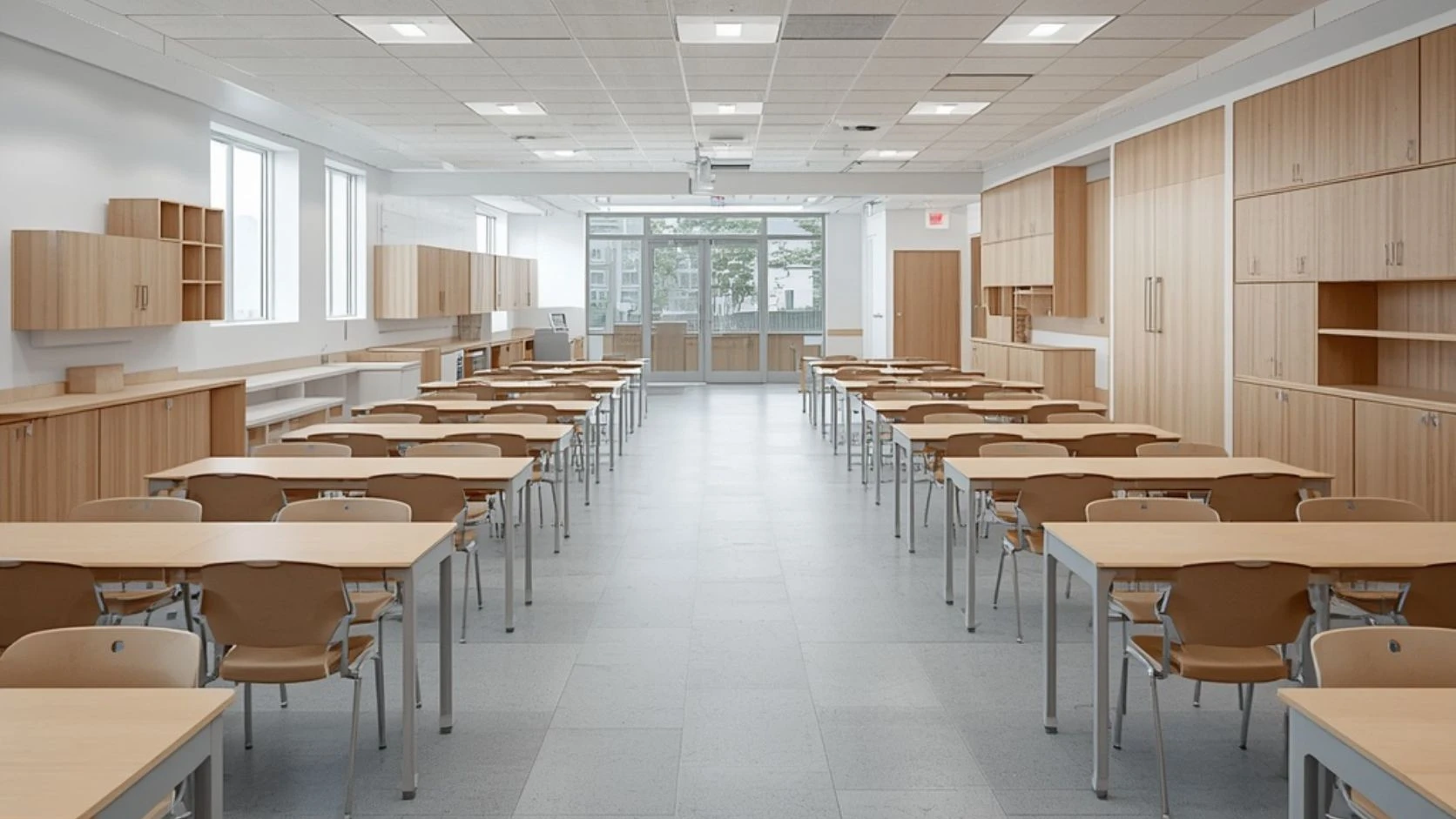
- Educational facilities
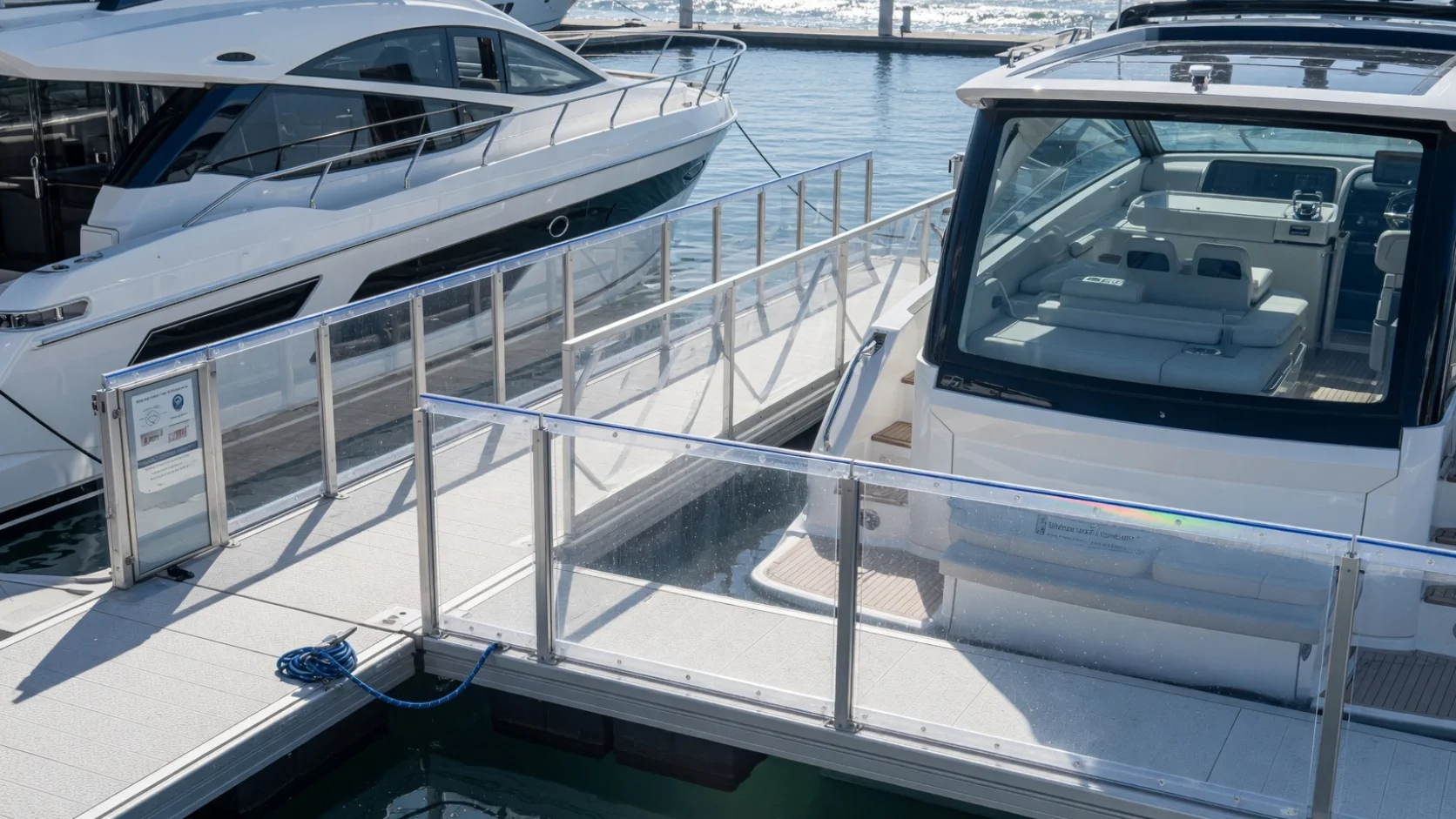
- Public transport infrastructure
- Commercial buildings
- Government facilities
Available Sizes & Thicknesses
Chemical Guard Polycarbonate is available in a range of standard sheet sizes and thicknesses to suit industrial, commercial and architectural applications. UV-stabilised grades, custom dimensions and project-specific specifications may also be available depending on manufacturer availability.
Please contact Altius Polymers for product selection, technical guidance and assistance choosing the most suitable Chemical Guard Polycarbonate sheet for your application.
Frequently Asked Questions
Find answers to common questions about PLASKOLITE HYGARD CG Polycarbonate, including containment performance, forced-entry resistance, ballistic testing, anti-ligature applications, installation, fabrication, outdoor use, cleaning, sizes and product selection.
PLASKOLITE HYGARD CG is a range of transparent, multi-layer polycarbonate laminates developed for containment, forced-entry and security-glazing applications.
Unlike glass-clad security products, HYGARD CG is an all-polycarbonate laminate. It is designed to resist repeated high-force impacts while reducing spalling and white-out, helping occupants maintain visibility during an attack.
The range includes:
- HYGARD CG375
- HYGARD CG500
- HYGARD CG750
CG means Containment Grade.
Containment glazing is designed to resist forced entry or forced escape from a controlled area. It is commonly used in prisons, detention centres, correctional facilities, mental health units and other security-sensitive buildings.
HYGARD CG is manufactured by factory-laminating multiple layers of TUFFAK polycarbonate with polyurethane bonding interlayers.
The external surfaces incorporate TUFFAK AR abrasion-resistant hard coating. This hard coating helps protect the glazing against scratching, chemical exposure, weathering and graffiti.
Typical constructions include:
- CG375: Two layers of abrasion-resistant polycarbonate with a polyurethane interlayer.
- CG500: Two external abrasion-resistant polycarbonate layers surrounding a thicker polycarbonate core.
- CG750: Two external abrasion-resistant polycarbonate layers surrounding a 12.7 mm polycarbonate core.
| Grade | Construction | Published Finished Gauge | Clear Light Transmission | Published Performance |
|---|---|---|---|---|
| CG375 | Two-ply polycarbonate laminate | Approximately 9.9 mm ±5% | 88% | ASTM F1233 Class 1.5 contraband passage and Class 2.8 body passage; ASTM F1915 Grade 3; specific .38 Special ballistic testing |
| CG500 | Three-ply polycarbonate laminate | Approximately 13.26 mm ±5% | 83% | ASTM F1233 Class 1.5 contraband passage and Class 3.2 body passage; ASTM F1915 Grade 1; specific .38 Special ballistic testing |
| CG750 | Three-ply polycarbonate laminate | Approximately 19.8 mm ±5% | 77% | ASTM F1233 Class 2.4 contraband passage and Class 3.5 body passage; ASTM F1915 Grade 1; specific 9 mm Luger ballistic testing |
These are published typical values, not project specifications. The current product certificate and applicable test-standard revision must be confirmed before selection.
These classifications assess two different security risks:
- Contraband passage resistance evaluates the ability of the glazing to prevent an opening being created through which prohibited objects could be passed.
- Body passage resistance evaluates the ability of the glazing to prevent an opening large enough for a person to pass through.
The tests use prescribed tools, impacts and attack sequences. A thicker sheet does not automatically satisfy every security requirement—the specified test standard and classification must be confirmed.
Common applications include:
- Prisons and correctional facilities
- Immigration and youth detention centres
- Police stations and courthouse holding areas
- Mental health and psychiatric facilities
- Secure observation windows
- Security doors and partitions
- Interview and consultation rooms
- Government and defence facilities
- Reception and transaction windows
- Banks and cash-handling areas
- Convenience stores and service stations
- High-risk retail counters
- Schools and institutional buildings
- Security-control rooms
- Specialist protective vehicle glazing
The selected grade should always be based on the project’s threat assessment and security specification.
HYGARD CG is designed to resist repeated physical attack and attempts to create an opening through the glazing.
Its main benefits include:
- High resistance to repeated impact
- Tested forced-entry and containment performance
- Resistance to spalling and flying fragments
- Reduced white-out following repeated impacts
- High optical clarity for observation
- Abrasion-resistant external surfaces
- Lower weight than comparable glass laminates
- Resistance to many chemicals and graffiti
- Easier site fabrication than many glass-based security laminates
Yes. PLASKOLITE lists psychiatric hospitals among the intended applications for HYGARD CG.
It may be used for:
- Patient-room observation windows
- Secure doors and viewing panels
- Nurses’ station glazing
- Interview-room partitions
- Seclusion-room observation panels
- Reception and administration barriers
- Protective glazing around equipment
The complete installation must consider patient safety, privacy, impact risk, ligature risks, exposed edges and the required level of containment.
HYGARD CG can be incorporated into an anti-ligature observation-window system, but the sheet by itself is not a complete anti-ligature solution.
An anti-ligature installation may require:
- Flush or recessed security framing
- No exposed sheet edges or projecting components
- Concealed or tamper-resistant fixings
- Adequate security-frame engagement
- No accessible gaps or pick-up points
- Project-approved, polycarbonate-compatible anti-pick silicone or security sealant
- Assessment of the complete frame, glazing and wall interface
Anti-ligature performance should only be claimed for the complete assembly where the design has been appropriately assessed.
Certain HYGARD CG grades have published ballistic test results:
- CG375 and CG500 have specific H.P. White Level A and ASTM F1233 HG1 test results for .38 Special ammunition.
- CG750 has a published H.P. White Level B test result for 9 mm Luger ammunition.
However, HYGARD CG is primarily classified as a containment-grade product. It should not automatically be substituted where a project specifies a particular UL 752 or AS/NZS ballistic rating.
No product should be described simply as “bulletproof.” Ballistic resistance only applies to the ammunition, velocity, number of shots, spacing, framing and test conditions covered by the applicable certificate.
HYGARD CG is primarily designed for containment and forced-entry protection. HYGARD BR and MS are specifically developed for ballistic applications requiring defined UL 752 ratings.
- HYGARD CG: Containment, forced-entry and forced-egress protection, with some grade-specific ballistic test results.
- HYGARD BR: UL 752-rated ballistic protection against specified handgun threats.
- HYGARD MS: Higher-level, multi-shot ballistic protection.
The grade must match the exact standard nominated by the architect, security consultant or project specification.
HYGARD CG is exceptionally impact resistant, but it should not be described as literally unbreakable.
It may eventually be damaged or penetrated by an attack exceeding its tested rating, by unsuitable tools or chemicals, or through an incorrectly designed frame. Its security performance depends on the complete glazing assembly, not only the polycarbonate sheet.
Spalling occurs when fragments break away from the protected side of glazing during an impact. These fragments can injure occupants.
White-out describes severe opaque damage that blocks visibility through the glazing after repeated impacts.
PLASKOLITE states that the all-polycarbonate HYGARD construction resists spalling and white-out better than glass-clad alternatives, helping maintain a clear line of sight during an incident.
The external surfaces have a proprietary TUFFAK AR hard coating that provides substantially better resistance to abrasion, marring, chemical attack and graffiti than standard uncoated polycarbonate.
It is not completely scratch-proof or resistant to every chemical. Sharp tools, abrasive cleaning and incompatible solvents can permanently damage the coating.
PLASKOLITE lists HYGARD CG for indoor and outdoor applications. Its abrasion-resistant surfaces also provide protection against weathering and yellowing.
Outdoor performance remains dependent on:
- Correct product orientation
- Suitable framing and drainage
- Thermal-expansion allowance
- Compatible gaskets and sealants
- Protection of the exposed edges
- Removal of masking after installation
- Compliance with the manufacturer’s warranty conditions
HYGARD CG may be considered for specialist forestry or heavy-equipment applications requiring containment or enhanced impact protection, such as secondary protective screens, side glazing or equipment guards.
However, HYGARD CG is not automatically approved as a primary vehicle windscreen. Optical quality, abrasion from wipers, UV exposure, emergency egress and applicable vehicle-glazing standards must be reviewed.
PLASKOLITE identifies TUFFAK HV as its purpose-designed grade for forestry, agricultural and industrial vehicle glazing. Where additional forced-entry or ballistic resistance is required, the suitability of HYGARD must be assessed as part of the complete vehicle-glazing system.
No. Polycarbonate is a combustible thermoplastic and HYGARD CG must not be described as fireproof.
PLASKOLITE’s data sheets list a US Combustibility Class CC1 classification. This does not automatically establish compliance with Australian NCC, AS 1530 or project-specific fire requirements.
The required Australian fire-test certificate should be confirmed for the exact grade, thickness and application.
Yes. HYGARD CG can be professionally cut, drilled, routed and fabricated using suitable tooling and controlled machining practices.
PLASKOLITE recommends sharp carbide-tipped cutting tools and precautions to prevent overheating, chipping or damage to the bonding interlayers. The protective masking should remain in place during fabrication.
Laser cutting and waterjet cutting are not recommended because they may damage the edges or cause delamination.
Holes, slots and pass-through openings may be possible, but every opening can reduce the strength of the security panel.
PLASKOLITE advises:
- Avoid drilling into the laminated edge
- Position holes at least twice the hole diameter from the sheet edge
- Avoid countersinking HYGARD laminates
- Avoid holes in components intended to retain a ballistic rating
- Prevent heat build-up during machining
- Obtain approval for security-critical cut-outs
For rated installations, transaction openings should preferably be incorporated into a tested security-frame or pass-through system.
HYGARD CG is normally supplied and installed as a flat security laminate.
Heat forming can affect the hard coating, polyurethane interlayers, optical quality and tested security performance. It should not be heat bent or thermoformed unless the proposed process has been approved in writing by PLASKOLITE.
The security performance depends heavily on the frame and installation.
PLASKOLITE recommends:
- A structural security frame that meets or exceeds the selected laminate’s rating
- A minimum edge engagement of approximately 25.4 mm
- Adequate glazing-rebate depth for thermal expansion
- Continuous, well-supported framing
- Reinforcement of mitred frame corners
- Compatible setting blocks, gaskets and sealants
- Removal of protective masking after glazing is completed
A high-rated sheet installed in a weak frame will not provide the published level of protection.
Only sealants, gaskets, tapes and adhesives confirmed as compatible with polycarbonate should be used.
Some solvents, plasticisers, curing agents and contact adhesives can cause stress cracking, coating damage or delamination. A project-approved security silicone or anti-pick sealant should be checked for compatibility before installation.
Not always.
The existing frame must be checked for:
- Available rebate depth
- Required edge engagement
- HYGARD sheet thickness
- Thermal expansion
- Frame strength and security rating
- Setting-block and gasket compatibility
- Fastener spacing
- Existing drainage and ventilation
- Required building and security standards
The frame may need to be replaced or modified before HYGARD CG can be safely installed.
Recommended cleaning procedure:
- Pre-rinse with warm water to remove loose grit and dirt.
- Wash gently using diluted mild soap and a clean microfibre cloth or non-abrasive sponge.
- Rinse thoroughly with clean, lukewarm water.
- Dry with a soft, clean cloth to prevent water marks.
Do not use abrasive pads, scrapers or unapproved solvents. Cleaning chemicals must not be allowed to collect along cut edges because those edges do not have the protective hard coating.
Buffing or polishing an abrasion-resistant coated surface is generally not recommended.
Polishing can further damage or remove the coating and create optical distortion. Once the hard coating has been removed, it cannot normally be restored on site. Deeply damaged security glazing should be inspected and replaced where its performance may have been affected.
HYGARD CG is principally available in clear and selected green tints. Custom colours may be available subject to manufacturing quantities and lead times.
Published sheet sizes vary by grade and include combinations such as:
- 965 × 1980 mm
- 1220 × 1830 mm
- 965 × 2440 mm
- 1220 × 2440 mm
- 1524 × 2440 mm
Australian stock availability, custom sizes and minimum-order requirements should be confirmed before specification.
PLASKOLITE’s published data sheets state a seven-year limited product warranty against specified coating failure, delamination, yellowing and hazing.
Warranty eligibility depends on the exact grade, application, fabrication, installation, cleaning procedure and exposure conditions. The current written warranty should be requested before ordering.
Yes. Altius Polymers can assist with product selection, cut-to-size panels, CNC fabrication and security-glazing requirements.
Please provide:
- Required CG grade or nominated security rating
- Applicable test standard
- Panel dimensions and quantity
- Frame-opening dimensions
- Indoor or outdoor location
- Required colour
- Holes, slots or pass-through details
- Anti-ligature requirements
- Fire and building-code requirements
- Existing or proposed frame details
- Project drawings and specifications
This allows the sheet, fabrication method and framing requirements to be reviewed before manufacture.
Chemical Guard Polycarbonate
Chemical Guard Polycarbonate is a premium hard-coated glazing sheet designed for environments where exceptional impact strength, optical clarity and enhanced chemical resistance are essential. Manufactured from high-quality polycarbonate with a durable protective surface coating, it provides superior resistance to abrasion, common industrial chemicals and repeated cleaning while maintaining excellent transparency.
Unlike standard polycarbonate sheets, Chemical Guard Polycarbonate features a specialised hard-coated surface that improves resistance to scratching, staining and degradation caused by cleaning chemicals and disinfectants. This makes it an ideal solution for healthcare, laboratories, pharmaceutical production, food processing, industrial manufacturing and public facilities where frequent cleaning and hygiene are critical.
Combining the outstanding impact resistance of polycarbonate with a chemically resistant protective coating, Chemical Guard Polycarbonate offers a long-lasting glazing solution for demanding environments requiring durability, safety and reliable performance.
Key Features & Common Applications
Key Features
|
Common Applications
|
Chemical Guard Polycarbonate provides outstanding protection in environments where glazing is exposed to frequent cleaning, chemical contact and demanding daily use.
Product Benefits
| Feature | Benefit |
|---|---|
| Chemical Resistant Surface | Withstands exposure to many common industrial chemicals, cleaners and disinfectants. |
| Hard-Coated Finish | Provides improved resistance to scratches, scuffs and surface wear. |
| Exceptional Impact Strength | Offers superior protection against accidental impacts and breakage. |
| Excellent Optical Clarity | Maintains clear visibility for safety screens, equipment guards and observation windows. |
| Easy Maintenance | Supports repeated cleaning without compromising surface appearance. |
| Long Service Life | Reduces maintenance and replacement costs in high-use environments. |
Industries Served
- Healthcare and hospitals
- Pharmaceutical manufacturing
- Medical laboratories
- Food and beverage processing
- Industrial manufacturing
- Chemical processing facilities
- Mining and resources
- Cleanrooms and controlled environments
- Educational facilities
- Public transport infrastructure
- Commercial buildings
- Government facilities
Available Sizes & Thicknesses
Chemical Guard Polycarbonate is available in a range of standard sheet sizes and thicknesses to suit industrial, commercial and architectural applications. UV-stabilised grades, custom dimensions and project-specific specifications may also be available depending on manufacturer availability.
Please contact Altius Polymers for product selection, technical guidance and assistance choosing the most suitable Chemical Guard Polycarbonate sheet for your application.
Frequently Asked Questions
Find answers to common questions about PLASKOLITE HYGARD CG Polycarbonate, including containment performance, forced-entry resistance, ballistic testing, anti-ligature applications, installation, fabrication, outdoor use, cleaning, sizes and product selection.
PLASKOLITE HYGARD CG is a range of transparent, multi-layer polycarbonate laminates developed for containment, forced-entry and security-glazing applications.
Unlike glass-clad security products, HYGARD CG is an all-polycarbonate laminate. It is designed to resist repeated high-force impacts while reducing spalling and white-out, helping occupants maintain visibility during an attack.
The range includes:
- HYGARD CG375
- HYGARD CG500
- HYGARD CG750
CG means Containment Grade.
Containment glazing is designed to resist forced entry or forced escape from a controlled area. It is commonly used in prisons, detention centres, correctional facilities, mental health units and other security-sensitive buildings.
HYGARD CG is manufactured by factory-laminating multiple layers of TUFFAK polycarbonate with polyurethane bonding interlayers.
The external surfaces incorporate TUFFAK AR abrasion-resistant hard coating. This hard coating helps protect the glazing against scratching, chemical exposure, weathering and graffiti.
Typical constructions include:
- CG375: Two layers of abrasion-resistant polycarbonate with a polyurethane interlayer.
- CG500: Two external abrasion-resistant polycarbonate layers surrounding a thicker polycarbonate core.
- CG750: Two external abrasion-resistant polycarbonate layers surrounding a 12.7 mm polycarbonate core.
| Grade | Construction | Published Finished Gauge | Clear Light Transmission | Published Performance |
|---|---|---|---|---|
| CG375 | Two-ply polycarbonate laminate | Approximately 9.9 mm ±5% | 88% | ASTM F1233 Class 1.5 contraband passage and Class 2.8 body passage; ASTM F1915 Grade 3; specific .38 Special ballistic testing |
| CG500 | Three-ply polycarbonate laminate | Approximately 13.26 mm ±5% | 83% | ASTM F1233 Class 1.5 contraband passage and Class 3.2 body passage; ASTM F1915 Grade 1; specific .38 Special ballistic testing |
| CG750 | Three-ply polycarbonate laminate | Approximately 19.8 mm ±5% | 77% | ASTM F1233 Class 2.4 contraband passage and Class 3.5 body passage; ASTM F1915 Grade 1; specific 9 mm Luger ballistic testing |
These are published typical values, not project specifications. The current product certificate and applicable test-standard revision must be confirmed before selection.
These classifications assess two different security risks:
- Contraband passage resistance evaluates the ability of the glazing to prevent an opening being created through which prohibited objects could be passed.
- Body passage resistance evaluates the ability of the glazing to prevent an opening large enough for a person to pass through.
The tests use prescribed tools, impacts and attack sequences. A thicker sheet does not automatically satisfy every security requirement—the specified test standard and classification must be confirmed.
Common applications include:
- Prisons and correctional facilities
- Immigration and youth detention centres
- Police stations and courthouse holding areas
- Mental health and psychiatric facilities
- Secure observation windows
- Security doors and partitions
- Interview and consultation rooms
- Government and defence facilities
- Reception and transaction windows
- Banks and cash-handling areas
- Convenience stores and service stations
- High-risk retail counters
- Schools and institutional buildings
- Security-control rooms
- Specialist protective vehicle glazing
The selected grade should always be based on the project’s threat assessment and security specification.
HYGARD CG is designed to resist repeated physical attack and attempts to create an opening through the glazing.
Its main benefits include:
- High resistance to repeated impact
- Tested forced-entry and containment performance
- Resistance to spalling and flying fragments
- Reduced white-out following repeated impacts
- High optical clarity for observation
- Abrasion-resistant external surfaces
- Lower weight than comparable glass laminates
- Resistance to many chemicals and graffiti
- Easier site fabrication than many glass-based security laminates
Yes. PLASKOLITE lists psychiatric hospitals among the intended applications for HYGARD CG.
It may be used for:
- Patient-room observation windows
- Secure doors and viewing panels
- Nurses’ station glazing
- Interview-room partitions
- Seclusion-room observation panels
- Reception and administration barriers
- Protective glazing around equipment
The complete installation must consider patient safety, privacy, impact risk, ligature risks, exposed edges and the required level of containment.
HYGARD CG can be incorporated into an anti-ligature observation-window system, but the sheet by itself is not a complete anti-ligature solution.
An anti-ligature installation may require:
- Flush or recessed security framing
- No exposed sheet edges or projecting components
- Concealed or tamper-resistant fixings
- Adequate security-frame engagement
- No accessible gaps or pick-up points
- Project-approved, polycarbonate-compatible anti-pick silicone or security sealant
- Assessment of the complete frame, glazing and wall interface
Anti-ligature performance should only be claimed for the complete assembly where the design has been appropriately assessed.
Certain HYGARD CG grades have published ballistic test results:
- CG375 and CG500 have specific H.P. White Level A and ASTM F1233 HG1 test results for .38 Special ammunition.
- CG750 has a published H.P. White Level B test result for 9 mm Luger ammunition.
However, HYGARD CG is primarily classified as a containment-grade product. It should not automatically be substituted where a project specifies a particular UL 752 or AS/NZS ballistic rating.
No product should be described simply as “bulletproof.” Ballistic resistance only applies to the ammunition, velocity, number of shots, spacing, framing and test conditions covered by the applicable certificate.
HYGARD CG is primarily designed for containment and forced-entry protection. HYGARD BR and MS are specifically developed for ballistic applications requiring defined UL 752 ratings.
- HYGARD CG: Containment, forced-entry and forced-egress protection, with some grade-specific ballistic test results.
- HYGARD BR: UL 752-rated ballistic protection against specified handgun threats.
- HYGARD MS: Higher-level, multi-shot ballistic protection.
The grade must match the exact standard nominated by the architect, security consultant or project specification.
HYGARD CG is exceptionally impact resistant, but it should not be described as literally unbreakable.
It may eventually be damaged or penetrated by an attack exceeding its tested rating, by unsuitable tools or chemicals, or through an incorrectly designed frame. Its security performance depends on the complete glazing assembly, not only the polycarbonate sheet.
Spalling occurs when fragments break away from the protected side of glazing during an impact. These fragments can injure occupants.
White-out describes severe opaque damage that blocks visibility through the glazing after repeated impacts.
PLASKOLITE states that the all-polycarbonate HYGARD construction resists spalling and white-out better than glass-clad alternatives, helping maintain a clear line of sight during an incident.
The external surfaces have a proprietary TUFFAK AR hard coating that provides substantially better resistance to abrasion, marring, chemical attack and graffiti than standard uncoated polycarbonate.
It is not completely scratch-proof or resistant to every chemical. Sharp tools, abrasive cleaning and incompatible solvents can permanently damage the coating.
PLASKOLITE lists HYGARD CG for indoor and outdoor applications. Its abrasion-resistant surfaces also provide protection against weathering and yellowing.
Outdoor performance remains dependent on:
- Correct product orientation
- Suitable framing and drainage
- Thermal-expansion allowance
- Compatible gaskets and sealants
- Protection of the exposed edges
- Removal of masking after installation
- Compliance with the manufacturer’s warranty conditions
HYGARD CG may be considered for specialist forestry or heavy-equipment applications requiring containment or enhanced impact protection, such as secondary protective screens, side glazing or equipment guards.
However, HYGARD CG is not automatically approved as a primary vehicle windscreen. Optical quality, abrasion from wipers, UV exposure, emergency egress and applicable vehicle-glazing standards must be reviewed.
PLASKOLITE identifies TUFFAK HV as its purpose-designed grade for forestry, agricultural and industrial vehicle glazing. Where additional forced-entry or ballistic resistance is required, the suitability of HYGARD must be assessed as part of the complete vehicle-glazing system.
No. Polycarbonate is a combustible thermoplastic and HYGARD CG must not be described as fireproof.
PLASKOLITE’s data sheets list a US Combustibility Class CC1 classification. This does not automatically establish compliance with Australian NCC, AS 1530 or project-specific fire requirements.
The required Australian fire-test certificate should be confirmed for the exact grade, thickness and application.
Yes. HYGARD CG can be professionally cut, drilled, routed and fabricated using suitable tooling and controlled machining practices.
PLASKOLITE recommends sharp carbide-tipped cutting tools and precautions to prevent overheating, chipping or damage to the bonding interlayers. The protective masking should remain in place during fabrication.
Laser cutting and waterjet cutting are not recommended because they may damage the edges or cause delamination.
Holes, slots and pass-through openings may be possible, but every opening can reduce the strength of the security panel.
PLASKOLITE advises:
- Avoid drilling into the laminated edge
- Position holes at least twice the hole diameter from the sheet edge
- Avoid countersinking HYGARD laminates
- Avoid holes in components intended to retain a ballistic rating
- Prevent heat build-up during machining
- Obtain approval for security-critical cut-outs
For rated installations, transaction openings should preferably be incorporated into a tested security-frame or pass-through system.
HYGARD CG is normally supplied and installed as a flat security laminate.
Heat forming can affect the hard coating, polyurethane interlayers, optical quality and tested security performance. It should not be heat bent or thermoformed unless the proposed process has been approved in writing by PLASKOLITE.
The security performance depends heavily on the frame and installation.
PLASKOLITE recommends:
- A structural security frame that meets or exceeds the selected laminate’s rating
- A minimum edge engagement of approximately 25.4 mm
- Adequate glazing-rebate depth for thermal expansion
- Continuous, well-supported framing
- Reinforcement of mitred frame corners
- Compatible setting blocks, gaskets and sealants
- Removal of protective masking after glazing is completed
A high-rated sheet installed in a weak frame will not provide the published level of protection.
Only sealants, gaskets, tapes and adhesives confirmed as compatible with polycarbonate should be used.
Some solvents, plasticisers, curing agents and contact adhesives can cause stress cracking, coating damage or delamination. A project-approved security silicone or anti-pick sealant should be checked for compatibility before installation.
Not always.
The existing frame must be checked for:
- Available rebate depth
- Required edge engagement
- HYGARD sheet thickness
- Thermal expansion
- Frame strength and security rating
- Setting-block and gasket compatibility
- Fastener spacing
- Existing drainage and ventilation
- Required building and security standards
The frame may need to be replaced or modified before HYGARD CG can be safely installed.
Recommended cleaning procedure:
- Pre-rinse with warm water to remove loose grit and dirt.
- Wash gently using diluted mild soap and a clean microfibre cloth or non-abrasive sponge.
- Rinse thoroughly with clean, lukewarm water.
- Dry with a soft, clean cloth to prevent water marks.
Do not use abrasive pads, scrapers or unapproved solvents. Cleaning chemicals must not be allowed to collect along cut edges because those edges do not have the protective hard coating.
Buffing or polishing an abrasion-resistant coated surface is generally not recommended.
Polishing can further damage or remove the coating and create optical distortion. Once the hard coating has been removed, it cannot normally be restored on site. Deeply damaged security glazing should be inspected and replaced where its performance may have been affected.
HYGARD CG is principally available in clear and selected green tints. Custom colours may be available subject to manufacturing quantities and lead times.
Published sheet sizes vary by grade and include combinations such as:
- 965 × 1980 mm
- 1220 × 1830 mm
- 965 × 2440 mm
- 1220 × 2440 mm
- 1524 × 2440 mm
Australian stock availability, custom sizes and minimum-order requirements should be confirmed before specification.
PLASKOLITE’s published data sheets state a seven-year limited product warranty against specified coating failure, delamination, yellowing and hazing.
Warranty eligibility depends on the exact grade, application, fabrication, installation, cleaning procedure and exposure conditions. The current written warranty should be requested before ordering.
Yes. Altius Polymers can assist with product selection, cut-to-size panels, CNC fabrication and security-glazing requirements.
Please provide:
- Required CG grade or nominated security rating
- Applicable test standard
- Panel dimensions and quantity
- Frame-opening dimensions
- Indoor or outdoor location
- Required colour
- Holes, slots or pass-through details
- Anti-ligature requirements
- Fire and building-code requirements
- Existing or proposed frame details
- Project drawings and specifications
This allows the sheet, fabrication method and framing requirements to be reviewed before manufacture.
 Overview
Specification
Overview
Description
Chemical Guard Polycarbonate
Chemical Guard Polycarbonate is a premium hard-coated glazing sheet designed for environments where exceptional impact strength, optical clarity and enhanced chemical resistance are essential. Manufactured from high-quality polycarbonate with a durable protective surface coating, it provides superior resistance to abrasion, common industrial chemicals and repeated cleaning while maintaining excellent transparency.
Unlike standard polycarbonate sheets, Chemical Guard Polycarbonate features a specialised hard-coated surface that improves resistance to scratching, staining and degradation caused by cleaning chemicals and disinfectants. This makes it an ideal solution for healthcare, laboratories, pharmaceutical production, food processing, industrial manufacturing and public facilities where frequent cleaning and hygiene are critical.
Combining the outstanding impact resistance of polycarbonate with a chemically resistant protective coating, Chemical Guard Polycarbonate offers a long-lasting glazing solution for demanding environments requiring durability, safety and reliable performance.
Key Features & Common Applications
Key Features
|
Common Applications
|
Chemical Guard Polycarbonate provides outstanding protection in environments where glazing is exposed to frequent cleaning, chemical contact and demanding daily use.
Product Benefits
| Feature | Benefit |
|---|---|
| Chemical Resistant Surface | Withstands exposure to many common industrial chemicals, cleaners and disinfectants. |
| Hard-Coated Finish | Provides improved resistance to scratches, scuffs and surface wear. |
| Exceptional Impact Strength | Offers superior protection against accidental impacts and breakage. |
| Excellent Optical Clarity | Maintains clear visibility for safety screens, equipment guards and observation windows. |
| Easy Maintenance | Supports repeated cleaning without compromising surface appearance. |
| Long Service Life | Reduces maintenance and replacement costs in high-use environments. |
Industries Served
- Healthcare and hospitals
- Pharmaceutical manufacturing
- Medical laboratories
- Food and beverage processing
- Industrial manufacturing
- Chemical processing facilities
- Mining and resources
- Cleanrooms and controlled environments
- Educational facilities
- Public transport infrastructure
- Commercial buildings
- Government facilities
Available Sizes & Thicknesses
Chemical Guard Polycarbonate is available in a range of standard sheet sizes and thicknesses to suit industrial, commercial and architectural applications. UV-stabilised grades, custom dimensions and project-specific specifications may also be available depending on manufacturer availability.
Please contact Altius Polymers for product selection, technical guidance and assistance choosing the most suitable Chemical Guard Polycarbonate sheet for your application.
Frequently Asked Questions
Find answers to common questions about PLASKOLITE HYGARD CG Polycarbonate, including containment performance, forced-entry resistance, ballistic testing, anti-ligature applications, installation, fabrication, outdoor use, cleaning, sizes and product selection.
PLASKOLITE HYGARD CG is a range of transparent, multi-layer polycarbonate laminates developed for containment, forced-entry and security-glazing applications.
Unlike glass-clad security products, HYGARD CG is an all-polycarbonate laminate. It is designed to resist repeated high-force impacts while reducing spalling and white-out, helping occupants maintain visibility during an attack.
The range includes:
- HYGARD CG375
- HYGARD CG500
- HYGARD CG750
CG means Containment Grade.
Containment glazing is designed to resist forced entry or forced escape from a controlled area. It is commonly used in prisons, detention centres, correctional facilities, mental health units and other security-sensitive buildings.
HYGARD CG is manufactured by factory-laminating multiple layers of TUFFAK polycarbonate with polyurethane bonding interlayers.
The external surfaces incorporate TUFFAK AR abrasion-resistant hard coating. This hard coating helps protect the glazing against scratching, chemical exposure, weathering and graffiti.
Typical constructions include:
- CG375: Two layers of abrasion-resistant polycarbonate with a polyurethane interlayer.
- CG500: Two external abrasion-resistant polycarbonate layers surrounding a thicker polycarbonate core.
- CG750: Two external abrasion-resistant polycarbonate layers surrounding a 12.7 mm polycarbonate core.
| Grade | Construction | Published Finished Gauge | Clear Light Transmission | Published Performance |
|---|---|---|---|---|
| CG375 | Two-ply polycarbonate laminate | Approximately 9.9 mm ±5% | 88% | ASTM F1233 Class 1.5 contraband passage and Class 2.8 body passage; ASTM F1915 Grade 3; specific .38 Special ballistic testing |
| CG500 | Three-ply polycarbonate laminate | Approximately 13.26 mm ±5% | 83% | ASTM F1233 Class 1.5 contraband passage and Class 3.2 body passage; ASTM F1915 Grade 1; specific .38 Special ballistic testing |
| CG750 | Three-ply polycarbonate laminate | Approximately 19.8 mm ±5% | 77% | ASTM F1233 Class 2.4 contraband passage and Class 3.5 body passage; ASTM F1915 Grade 1; specific 9 mm Luger ballistic testing |
These are published typical values, not project specifications. The current product certificate and applicable test-standard revision must be confirmed before selection.
These classifications assess two different security risks:
- Contraband passage resistance evaluates the ability of the glazing to prevent an opening being created through which prohibited objects could be passed.
- Body passage resistance evaluates the ability of the glazing to prevent an opening large enough for a person to pass through.
The tests use prescribed tools, impacts and attack sequences. A thicker sheet does not automatically satisfy every security requirement—the specified test standard and classification must be confirmed.
Common applications include:
- Prisons and correctional facilities
- Immigration and youth detention centres
- Police stations and courthouse holding areas
- Mental health and psychiatric facilities
- Secure observation windows
- Security doors and partitions
- Interview and consultation rooms
- Government and defence facilities
- Reception and transaction windows
- Banks and cash-handling areas
- Convenience stores and service stations
- High-risk retail counters
- Schools and institutional buildings
- Security-control rooms
- Specialist protective vehicle glazing
The selected grade should always be based on the project’s threat assessment and security specification.
HYGARD CG is designed to resist repeated physical attack and attempts to create an opening through the glazing.
Its main benefits include:
- High resistance to repeated impact
- Tested forced-entry and containment performance
- Resistance to spalling and flying fragments
- Reduced white-out following repeated impacts
- High optical clarity for observation
- Abrasion-resistant external surfaces
- Lower weight than comparable glass laminates
- Resistance to many chemicals and graffiti
- Easier site fabrication than many glass-based security laminates
Yes. PLASKOLITE lists psychiatric hospitals among the intended applications for HYGARD CG.
It may be used for:
- Patient-room observation windows
- Secure doors and viewing panels
- Nurses’ station glazing
- Interview-room partitions
- Seclusion-room observation panels
- Reception and administration barriers
- Protective glazing around equipment
The complete installation must consider patient safety, privacy, impact risk, ligature risks, exposed edges and the required level of containment.
HYGARD CG can be incorporated into an anti-ligature observation-window system, but the sheet by itself is not a complete anti-ligature solution.
An anti-ligature installation may require:
- Flush or recessed security framing
- No exposed sheet edges or projecting components
- Concealed or tamper-resistant fixings
- Adequate security-frame engagement
- No accessible gaps or pick-up points
- Project-approved, polycarbonate-compatible anti-pick silicone or security sealant
- Assessment of the complete frame, glazing and wall interface
Anti-ligature performance should only be claimed for the complete assembly where the design has been appropriately assessed.
Certain HYGARD CG grades have published ballistic test results:
- CG375 and CG500 have specific H.P. White Level A and ASTM F1233 HG1 test results for .38 Special ammunition.
- CG750 has a published H.P. White Level B test result for 9 mm Luger ammunition.
However, HYGARD CG is primarily classified as a containment-grade product. It should not automatically be substituted where a project specifies a particular UL 752 or AS/NZS ballistic rating.
No product should be described simply as “bulletproof.” Ballistic resistance only applies to the ammunition, velocity, number of shots, spacing, framing and test conditions covered by the applicable certificate.
HYGARD CG is primarily designed for containment and forced-entry protection. HYGARD BR and MS are specifically developed for ballistic applications requiring defined UL 752 ratings.
- HYGARD CG: Containment, forced-entry and forced-egress protection, with some grade-specific ballistic test results.
- HYGARD BR: UL 752-rated ballistic protection against specified handgun threats.
- HYGARD MS: Higher-level, multi-shot ballistic protection.
The grade must match the exact standard nominated by the architect, security consultant or project specification.
HYGARD CG is exceptionally impact resistant, but it should not be described as literally unbreakable.
It may eventually be damaged or penetrated by an attack exceeding its tested rating, by unsuitable tools or chemicals, or through an incorrectly designed frame. Its security performance depends on the complete glazing assembly, not only the polycarbonate sheet.
Spalling occurs when fragments break away from the protected side of glazing during an impact. These fragments can injure occupants.
White-out describes severe opaque damage that blocks visibility through the glazing after repeated impacts.
PLASKOLITE states that the all-polycarbonate HYGARD construction resists spalling and white-out better than glass-clad alternatives, helping maintain a clear line of sight during an incident.
The external surfaces have a proprietary TUFFAK AR hard coating that provides substantially better resistance to abrasion, marring, chemical attack and graffiti than standard uncoated polycarbonate.
It is not completely scratch-proof or resistant to every chemical. Sharp tools, abrasive cleaning and incompatible solvents can permanently damage the coating.
PLASKOLITE lists HYGARD CG for indoor and outdoor applications. Its abrasion-resistant surfaces also provide protection against weathering and yellowing.
Outdoor performance remains dependent on:
- Correct product orientation
- Suitable framing and drainage
- Thermal-expansion allowance
- Compatible gaskets and sealants
- Protection of the exposed edges
- Removal of masking after installation
- Compliance with the manufacturer’s warranty conditions
HYGARD CG may be considered for specialist forestry or heavy-equipment applications requiring containment or enhanced impact protection, such as secondary protective screens, side glazing or equipment guards.
However, HYGARD CG is not automatically approved as a primary vehicle windscreen. Optical quality, abrasion from wipers, UV exposure, emergency egress and applicable vehicle-glazing standards must be reviewed.
PLASKOLITE identifies TUFFAK HV as its purpose-designed grade for forestry, agricultural and industrial vehicle glazing. Where additional forced-entry or ballistic resistance is required, the suitability of HYGARD must be assessed as part of the complete vehicle-glazing system.
No. Polycarbonate is a combustible thermoplastic and HYGARD CG must not be described as fireproof.
PLASKOLITE’s data sheets list a US Combustibility Class CC1 classification. This does not automatically establish compliance with Australian NCC, AS 1530 or project-specific fire requirements.
The required Australian fire-test certificate should be confirmed for the exact grade, thickness and application.
Yes. HYGARD CG can be professionally cut, drilled, routed and fabricated using suitable tooling and controlled machining practices.
PLASKOLITE recommends sharp carbide-tipped cutting tools and precautions to prevent overheating, chipping or damage to the bonding interlayers. The protective masking should remain in place during fabrication.
Laser cutting and waterjet cutting are not recommended because they may damage the edges or cause delamination.
Holes, slots and pass-through openings may be possible, but every opening can reduce the strength of the security panel.
PLASKOLITE advises:
- Avoid drilling into the laminated edge
- Position holes at least twice the hole diameter from the sheet edge
- Avoid countersinking HYGARD laminates
- Avoid holes in components intended to retain a ballistic rating
- Prevent heat build-up during machining
- Obtain approval for security-critical cut-outs
For rated installations, transaction openings should preferably be incorporated into a tested security-frame or pass-through system.
HYGARD CG is normally supplied and installed as a flat security laminate.
Heat forming can affect the hard coating, polyurethane interlayers, optical quality and tested security performance. It should not be heat bent or thermoformed unless the proposed process has been approved in writing by PLASKOLITE.
The security performance depends heavily on the frame and installation.
PLASKOLITE recommends:
- A structural security frame that meets or exceeds the selected laminate’s rating
- A minimum edge engagement of approximately 25.4 mm
- Adequate glazing-rebate depth for thermal expansion
- Continuous, well-supported framing
- Reinforcement of mitred frame corners
- Compatible setting blocks, gaskets and sealants
- Removal of protective masking after glazing is completed
A high-rated sheet installed in a weak frame will not provide the published level of protection.
Only sealants, gaskets, tapes and adhesives confirmed as compatible with polycarbonate should be used.
Some solvents, plasticisers, curing agents and contact adhesives can cause stress cracking, coating damage or delamination. A project-approved security silicone or anti-pick sealant should be checked for compatibility before installation.
Not always.
The existing frame must be checked for:
- Available rebate depth
- Required edge engagement
- HYGARD sheet thickness
- Thermal expansion
- Frame strength and security rating
- Setting-block and gasket compatibility
- Fastener spacing
- Existing drainage and ventilation
- Required building and security standards
The frame may need to be replaced or modified before HYGARD CG can be safely installed.
Recommended cleaning procedure:
- Pre-rinse with warm water to remove loose grit and dirt.
- Wash gently using diluted mild soap and a clean microfibre cloth or non-abrasive sponge.
- Rinse thoroughly with clean, lukewarm water.
- Dry with a soft, clean cloth to prevent water marks.
Do not use abrasive pads, scrapers or unapproved solvents. Cleaning chemicals must not be allowed to collect along cut edges because those edges do not have the protective hard coating.
Buffing or polishing an abrasion-resistant coated surface is generally not recommended.
Polishing can further damage or remove the coating and create optical distortion. Once the hard coating has been removed, it cannot normally be restored on site. Deeply damaged security glazing should be inspected and replaced where its performance may have been affected.
HYGARD CG is principally available in clear and selected green tints. Custom colours may be available subject to manufacturing quantities and lead times.
Published sheet sizes vary by grade and include combinations such as:
- 965 × 1980 mm
- 1220 × 1830 mm
- 965 × 2440 mm
- 1220 × 2440 mm
- 1524 × 2440 mm
Australian stock availability, custom sizes and minimum-order requirements should be confirmed before specification.
PLASKOLITE’s published data sheets state a seven-year limited product warranty against specified coating failure, delamination, yellowing and hazing.
Warranty eligibility depends on the exact grade, application, fabrication, installation, cleaning procedure and exposure conditions. The current written warranty should be requested before ordering.
Yes. Altius Polymers can assist with product selection, cut-to-size panels, CNC fabrication and security-glazing requirements.
Please provide:
- Required CG grade or nominated security rating
- Applicable test standard
- Panel dimensions and quantity
- Frame-opening dimensions
- Indoor or outdoor location
- Required colour
- Holes, slots or pass-through details
- Anti-ligature requirements
- Fire and building-code requirements
- Existing or proposed frame details
- Project drawings and specifications
This allows the sheet, fabrication method and framing requirements to be reviewed before manufacture.
Review
Specification
Overview
 Processor
 Display
 RAM
RAM
Description
Chemical Guard Polycarbonate
Chemical Guard Polycarbonate is a premium hard-coated glazing sheet designed for environments where exceptional impact strength, optical clarity and enhanced chemical resistance are essential. Manufactured from high-quality polycarbonate with a durable protective surface coating, it provides superior resistance to abrasion, common industrial chemicals and repeated cleaning while maintaining excellent transparency.
Unlike standard polycarbonate sheets, Chemical Guard Polycarbonate features a specialised hard-coated surface that improves resistance to scratching, staining and degradation caused by cleaning chemicals and disinfectants. This makes it an ideal solution for healthcare, laboratories, pharmaceutical production, food processing, industrial manufacturing and public facilities where frequent cleaning and hygiene are critical.
Combining the outstanding impact resistance of polycarbonate with a chemically resistant protective coating, Chemical Guard Polycarbonate offers a long-lasting glazing solution for demanding environments requiring durability, safety and reliable performance.
Key Features & Common Applications
Key Features
|
Common Applications
|
Chemical Guard Polycarbonate provides outstanding protection in environments where glazing is exposed to frequent cleaning, chemical contact and demanding daily use.
Product Benefits
| Feature | Benefit |
|---|---|
| Chemical Resistant Surface | Withstands exposure to many common industrial chemicals, cleaners and disinfectants. |
| Hard-Coated Finish | Provides improved resistance to scratches, scuffs and surface wear. |
| Exceptional Impact Strength | Offers superior protection against accidental impacts and breakage. |
| Excellent Optical Clarity | Maintains clear visibility for safety screens, equipment guards and observation windows. |
| Easy Maintenance | Supports repeated cleaning without compromising surface appearance. |
| Long Service Life | Reduces maintenance and replacement costs in high-use environments. |
Industries Served
- Healthcare and hospitals
- Pharmaceutical manufacturing
- Medical laboratories
- Food and beverage processing
- Industrial manufacturing
- Chemical processing facilities
- Mining and resources
- Cleanrooms and controlled environments
- Educational facilities
- Public transport infrastructure
- Commercial buildings
- Government facilities
Available Sizes & Thicknesses
Chemical Guard Polycarbonate is available in a range of standard sheet sizes and thicknesses to suit industrial, commercial and architectural applications. UV-stabilised grades, custom dimensions and project-specific specifications may also be available depending on manufacturer availability.
Please contact Altius Polymers for product selection, technical guidance and assistance choosing the most suitable Chemical Guard Polycarbonate sheet for your application.
Frequently Asked Questions
Find answers to common questions about PLASKOLITE HYGARD CG Polycarbonate, including containment performance, forced-entry resistance, ballistic testing, anti-ligature applications, installation, fabrication, outdoor use, cleaning, sizes and product selection.
PLASKOLITE HYGARD CG is a range of transparent, multi-layer polycarbonate laminates developed for containment, forced-entry and security-glazing applications.
Unlike glass-clad security products, HYGARD CG is an all-polycarbonate laminate. It is designed to resist repeated high-force impacts while reducing spalling and white-out, helping occupants maintain visibility during an attack.
The range includes:
- HYGARD CG375
- HYGARD CG500
- HYGARD CG750
CG means Containment Grade.
Containment glazing is designed to resist forced entry or forced escape from a controlled area. It is commonly used in prisons, detention centres, correctional facilities, mental health units and other security-sensitive buildings.
HYGARD CG is manufactured by factory-laminating multiple layers of TUFFAK polycarbonate with polyurethane bonding interlayers.
The external surfaces incorporate TUFFAK AR abrasion-resistant hard coating. This hard coating helps protect the glazing against scratching, chemical exposure, weathering and graffiti.
Typical constructions include:
- CG375: Two layers of abrasion-resistant polycarbonate with a polyurethane interlayer.
- CG500: Two external abrasion-resistant polycarbonate layers surrounding a thicker polycarbonate core.
- CG750: Two external abrasion-resistant polycarbonate layers surrounding a 12.7 mm polycarbonate core.
| Grade | Construction | Published Finished Gauge | Clear Light Transmission | Published Performance |
|---|---|---|---|---|
| CG375 | Two-ply polycarbonate laminate | Approximately 9.9 mm ±5% | 88% | ASTM F1233 Class 1.5 contraband passage and Class 2.8 body passage; ASTM F1915 Grade 3; specific .38 Special ballistic testing |
| CG500 | Three-ply polycarbonate laminate | Approximately 13.26 mm ±5% | 83% | ASTM F1233 Class 1.5 contraband passage and Class 3.2 body passage; ASTM F1915 Grade 1; specific .38 Special ballistic testing |
| CG750 | Three-ply polycarbonate laminate | Approximately 19.8 mm ±5% | 77% | ASTM F1233 Class 2.4 contraband passage and Class 3.5 body passage; ASTM F1915 Grade 1; specific 9 mm Luger ballistic testing |
These are published typical values, not project specifications. The current product certificate and applicable test-standard revision must be confirmed before selection.
These classifications assess two different security risks:
- Contraband passage resistance evaluates the ability of the glazing to prevent an opening being created through which prohibited objects could be passed.
- Body passage resistance evaluates the ability of the glazing to prevent an opening large enough for a person to pass through.
The tests use prescribed tools, impacts and attack sequences. A thicker sheet does not automatically satisfy every security requirement—the specified test standard and classification must be confirmed.
Common applications include:
- Prisons and correctional facilities
- Immigration and youth detention centres
- Police stations and courthouse holding areas
- Mental health and psychiatric facilities
- Secure observation windows
- Security doors and partitions
- Interview and consultation rooms
- Government and defence facilities
- Reception and transaction windows
- Banks and cash-handling areas
- Convenience stores and service stations
- High-risk retail counters
- Schools and institutional buildings
- Security-control rooms
- Specialist protective vehicle glazing
The selected grade should always be based on the project’s threat assessment and security specification.
HYGARD CG is designed to resist repeated physical attack and attempts to create an opening through the glazing.
Its main benefits include:
- High resistance to repeated impact
- Tested forced-entry and containment performance
- Resistance to spalling and flying fragments
- Reduced white-out following repeated impacts
- High optical clarity for observation
- Abrasion-resistant external surfaces
- Lower weight than comparable glass laminates
- Resistance to many chemicals and graffiti
- Easier site fabrication than many glass-based security laminates
Yes. PLASKOLITE lists psychiatric hospitals among the intended applications for HYGARD CG.
It may be used for:
- Patient-room observation windows
- Secure doors and viewing panels
- Nurses’ station glazing
- Interview-room partitions
- Seclusion-room observation panels
- Reception and administration barriers
- Protective glazing around equipment
The complete installation must consider patient safety, privacy, impact risk, ligature risks, exposed edges and the required level of containment.
HYGARD CG can be incorporated into an anti-ligature observation-window system, but the sheet by itself is not a complete anti-ligature solution.
An anti-ligature installation may require:
- Flush or recessed security framing
- No exposed sheet edges or projecting components
- Concealed or tamper-resistant fixings
- Adequate security-frame engagement
- No accessible gaps or pick-up points
- Project-approved, polycarbonate-compatible anti-pick silicone or security sealant
- Assessment of the complete frame, glazing and wall interface
Anti-ligature performance should only be claimed for the complete assembly where the design has been appropriately assessed.
Certain HYGARD CG grades have published ballistic test results:
- CG375 and CG500 have specific H.P. White Level A and ASTM F1233 HG1 test results for .38 Special ammunition.
- CG750 has a published H.P. White Level B test result for 9 mm Luger ammunition.
However, HYGARD CG is primarily classified as a containment-grade product. It should not automatically be substituted where a project specifies a particular UL 752 or AS/NZS ballistic rating.
No product should be described simply as “bulletproof.” Ballistic resistance only applies to the ammunition, velocity, number of shots, spacing, framing and test conditions covered by the applicable certificate.
HYGARD CG is primarily designed for containment and forced-entry protection. HYGARD BR and MS are specifically developed for ballistic applications requiring defined UL 752 ratings.
- HYGARD CG: Containment, forced-entry and forced-egress protection, with some grade-specific ballistic test results.
- HYGARD BR: UL 752-rated ballistic protection against specified handgun threats.
- HYGARD MS: Higher-level, multi-shot ballistic protection.
The grade must match the exact standard nominated by the architect, security consultant or project specification.
HYGARD CG is exceptionally impact resistant, but it should not be described as literally unbreakable.
It may eventually be damaged or penetrated by an attack exceeding its tested rating, by unsuitable tools or chemicals, or through an incorrectly designed frame. Its security performance depends on the complete glazing assembly, not only the polycarbonate sheet.
Spalling occurs when fragments break away from the protected side of glazing during an impact. These fragments can injure occupants.
White-out describes severe opaque damage that blocks visibility through the glazing after repeated impacts.
PLASKOLITE states that the all-polycarbonate HYGARD construction resists spalling and white-out better than glass-clad alternatives, helping maintain a clear line of sight during an incident.
The external surfaces have a proprietary TUFFAK AR hard coating that provides substantially better resistance to abrasion, marring, chemical attack and graffiti than standard uncoated polycarbonate.
It is not completely scratch-proof or resistant to every chemical. Sharp tools, abrasive cleaning and incompatible solvents can permanently damage the coating.
PLASKOLITE lists HYGARD CG for indoor and outdoor applications. Its abrasion-resistant surfaces also provide protection against weathering and yellowing.
Outdoor performance remains dependent on:
- Correct product orientation
- Suitable framing and drainage
- Thermal-expansion allowance
- Compatible gaskets and sealants
- Protection of the exposed edges
- Removal of masking after installation
- Compliance with the manufacturer’s warranty conditions
HYGARD CG may be considered for specialist forestry or heavy-equipment applications requiring containment or enhanced impact protection, such as secondary protective screens, side glazing or equipment guards.
However, HYGARD CG is not automatically approved as a primary vehicle windscreen. Optical quality, abrasion from wipers, UV exposure, emergency egress and applicable vehicle-glazing standards must be reviewed.
PLASKOLITE identifies TUFFAK HV as its purpose-designed grade for forestry, agricultural and industrial vehicle glazing. Where additional forced-entry or ballistic resistance is required, the suitability of HYGARD must be assessed as part of the complete vehicle-glazing system.
No. Polycarbonate is a combustible thermoplastic and HYGARD CG must not be described as fireproof.
PLASKOLITE’s data sheets list a US Combustibility Class CC1 classification. This does not automatically establish compliance with Australian NCC, AS 1530 or project-specific fire requirements.
The required Australian fire-test certificate should be confirmed for the exact grade, thickness and application.
Yes. HYGARD CG can be professionally cut, drilled, routed and fabricated using suitable tooling and controlled machining practices.
PLASKOLITE recommends sharp carbide-tipped cutting tools and precautions to prevent overheating, chipping or damage to the bonding interlayers. The protective masking should remain in place during fabrication.
Laser cutting and waterjet cutting are not recommended because they may damage the edges or cause delamination.
Holes, slots and pass-through openings may be possible, but every opening can reduce the strength of the security panel.
PLASKOLITE advises:
- Avoid drilling into the laminated edge
- Position holes at least twice the hole diameter from the sheet edge
- Avoid countersinking HYGARD laminates
- Avoid holes in components intended to retain a ballistic rating
- Prevent heat build-up during machining
- Obtain approval for security-critical cut-outs
For rated installations, transaction openings should preferably be incorporated into a tested security-frame or pass-through system.
HYGARD CG is normally supplied and installed as a flat security laminate.
Heat forming can affect the hard coating, polyurethane interlayers, optical quality and tested security performance. It should not be heat bent or thermoformed unless the proposed process has been approved in writing by PLASKOLITE.
The security performance depends heavily on the frame and installation.
PLASKOLITE recommends:
- A structural security frame that meets or exceeds the selected laminate’s rating
- A minimum edge engagement of approximately 25.4 mm
- Adequate glazing-rebate depth for thermal expansion
- Continuous, well-supported framing
- Reinforcement of mitred frame corners
- Compatible setting blocks, gaskets and sealants
- Removal of protective masking after glazing is completed
A high-rated sheet installed in a weak frame will not provide the published level of protection.
Only sealants, gaskets, tapes and adhesives confirmed as compatible with polycarbonate should be used.
Some solvents, plasticisers, curing agents and contact adhesives can cause stress cracking, coating damage or delamination. A project-approved security silicone or anti-pick sealant should be checked for compatibility before installation.
Not always.
The existing frame must be checked for:
- Available rebate depth
- Required edge engagement
- HYGARD sheet thickness
- Thermal expansion
- Frame strength and security rating
- Setting-block and gasket compatibility
- Fastener spacing
- Existing drainage and ventilation
- Required building and security standards
The frame may need to be replaced or modified before HYGARD CG can be safely installed.
Recommended cleaning procedure:
- Pre-rinse with warm water to remove loose grit and dirt.
- Wash gently using diluted mild soap and a clean microfibre cloth or non-abrasive sponge.
- Rinse thoroughly with clean, lukewarm water.
- Dry with a soft, clean cloth to prevent water marks.
Do not use abrasive pads, scrapers or unapproved solvents. Cleaning chemicals must not be allowed to collect along cut edges because those edges do not have the protective hard coating.
Buffing or polishing an abrasion-resistant coated surface is generally not recommended.
Polishing can further damage or remove the coating and create optical distortion. Once the hard coating has been removed, it cannot normally be restored on site. Deeply damaged security glazing should be inspected and replaced where its performance may have been affected.
HYGARD CG is principally available in clear and selected green tints. Custom colours may be available subject to manufacturing quantities and lead times.
Published sheet sizes vary by grade and include combinations such as:
- 965 × 1980 mm
- 1220 × 1830 mm
- 965 × 2440 mm
- 1220 × 2440 mm
- 1524 × 2440 mm
Australian stock availability, custom sizes and minimum-order requirements should be confirmed before specification.
PLASKOLITE’s published data sheets state a seven-year limited product warranty against specified coating failure, delamination, yellowing and hazing.
Warranty eligibility depends on the exact grade, application, fabrication, installation, cleaning procedure and exposure conditions. The current written warranty should be requested before ordering.
Yes. Altius Polymers can assist with product selection, cut-to-size panels, CNC fabrication and security-glazing requirements.
Please provide:
- Required CG grade or nominated security rating
- Applicable test standard
- Panel dimensions and quantity
- Frame-opening dimensions
- Indoor or outdoor location
- Required colour
- Holes, slots or pass-through details
- Anti-ligature requirements
- Fire and building-code requirements
- Existing or proposed frame details
- Project drawings and specifications
This allows the sheet, fabrication method and framing requirements to be reviewed before manufacture.
Applications
Reviews
Clear filtersThere are no reviews yet.
You may also like











Reviews
Clear filtersThere are no reviews yet.