Dimension
Frequently Asked Questions
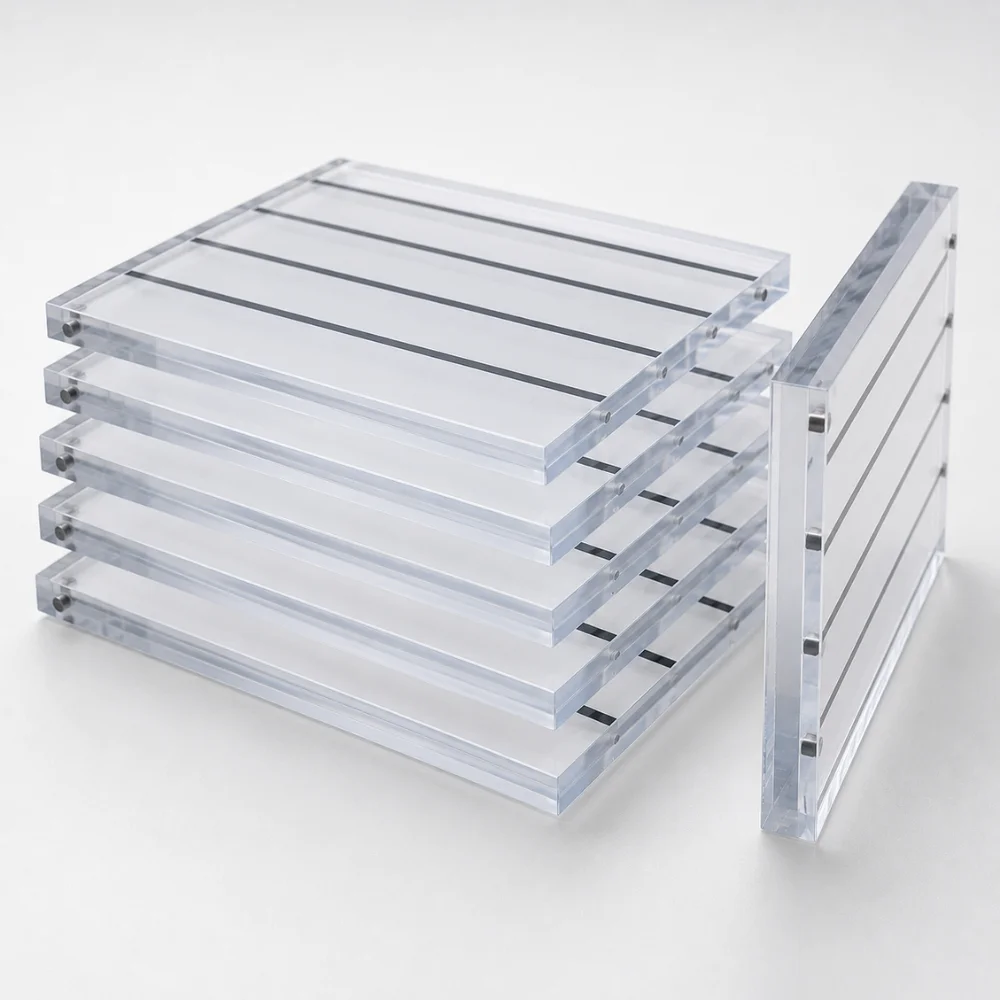
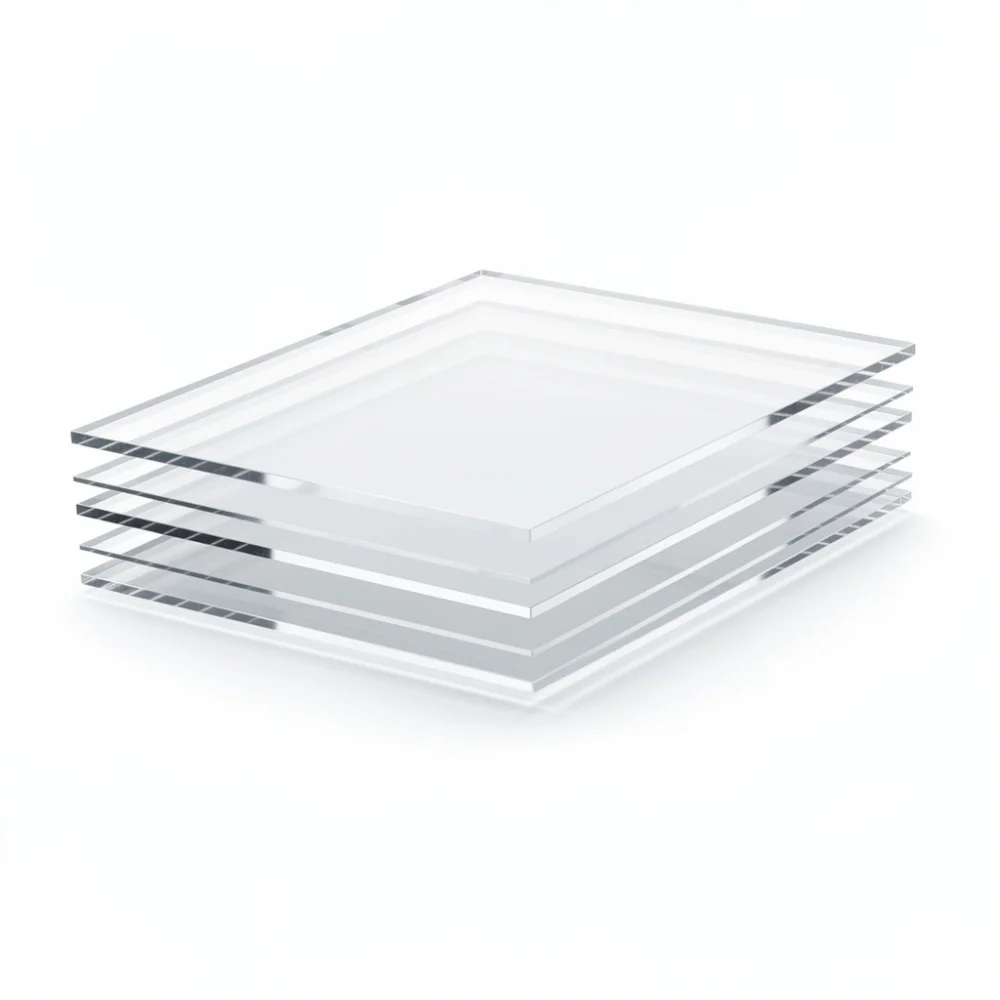
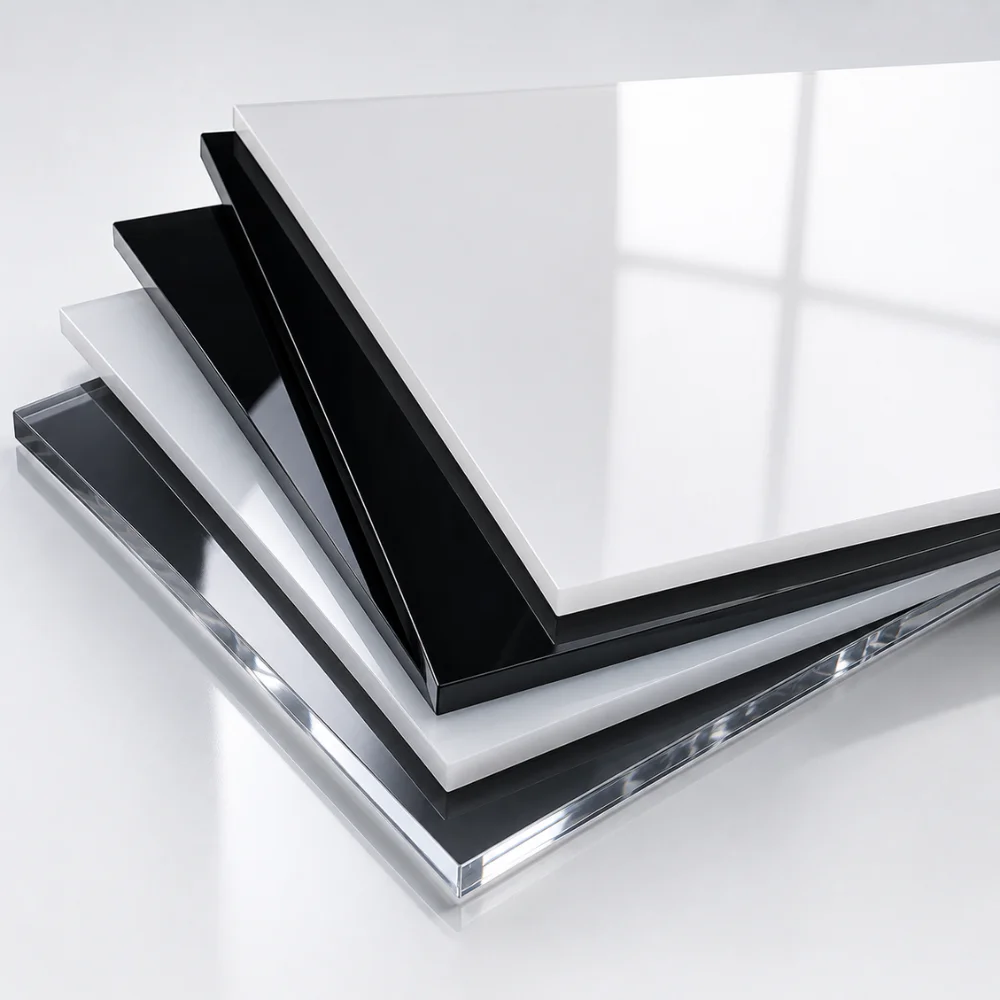
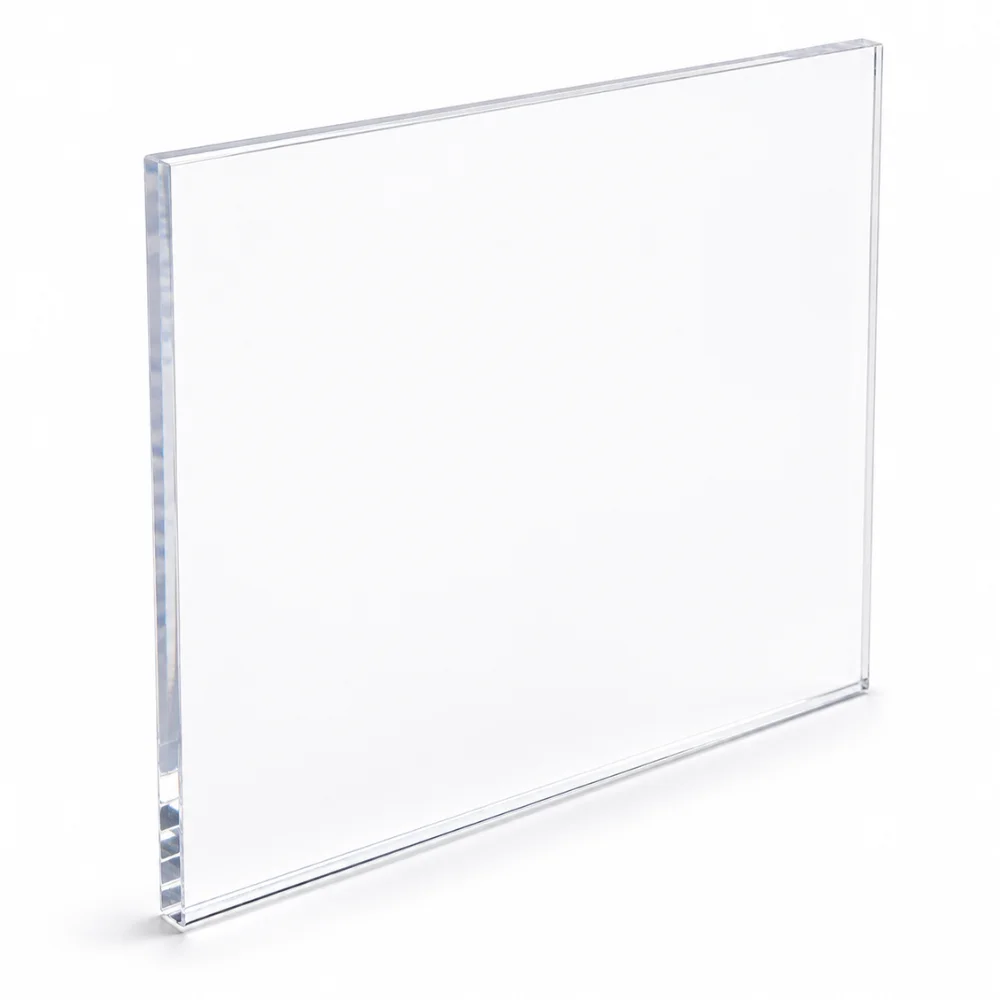
Acrylic is a lightweight, transparent thermoplastic commonly used as an alternative to glass. Its technical name is PMMA (polymethyl methacrylate), and it is also commonly recognised through brand names such as Perspex® and Plexiglas®. It is just commonly called Brands like Astariglas, Shinkolite, Alfaplas / Titan, Sumiplex, Donchamp, Acrycast, Plaskolite Optix Acrylic, Acrylite and Palglas,
Acrylic offers excellent optical clarity, good weather resistance and a professional glass-like appearance while weighing approximately half as much as glass.
Acrylic is used wherever clear visibility, attractive presentation and reduced weight are important. Common applications include:
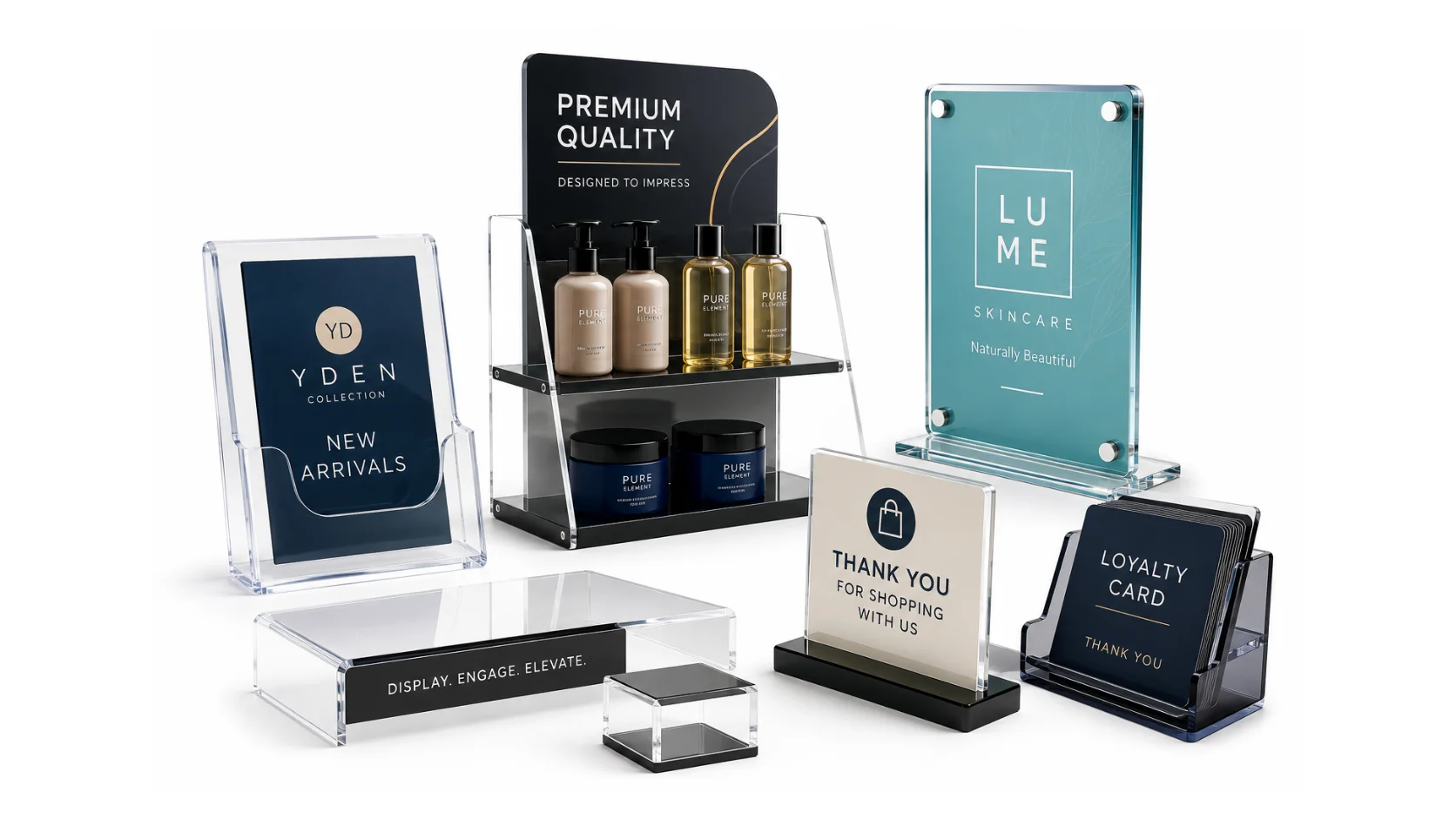
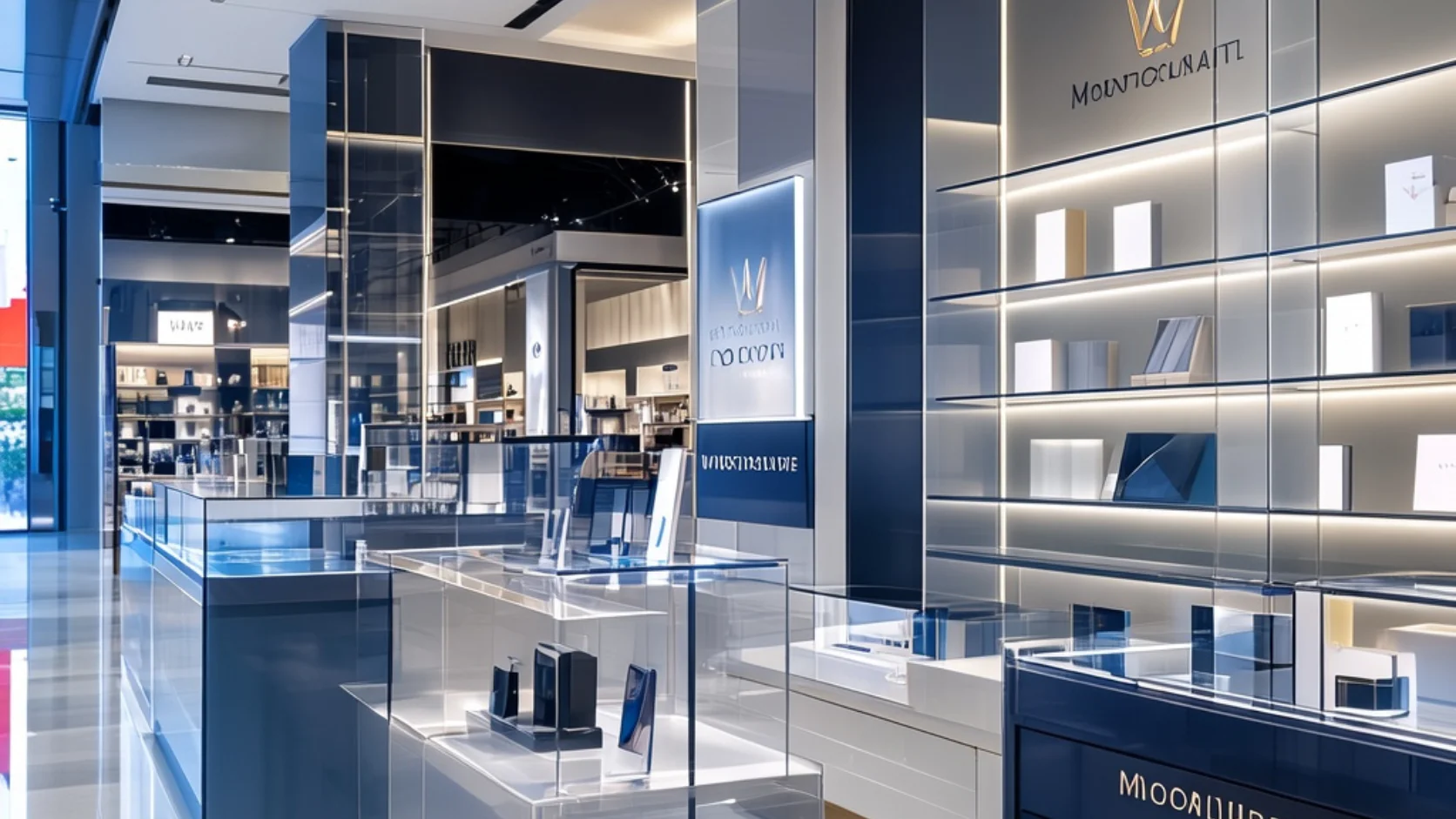
- Retail displays and product stands
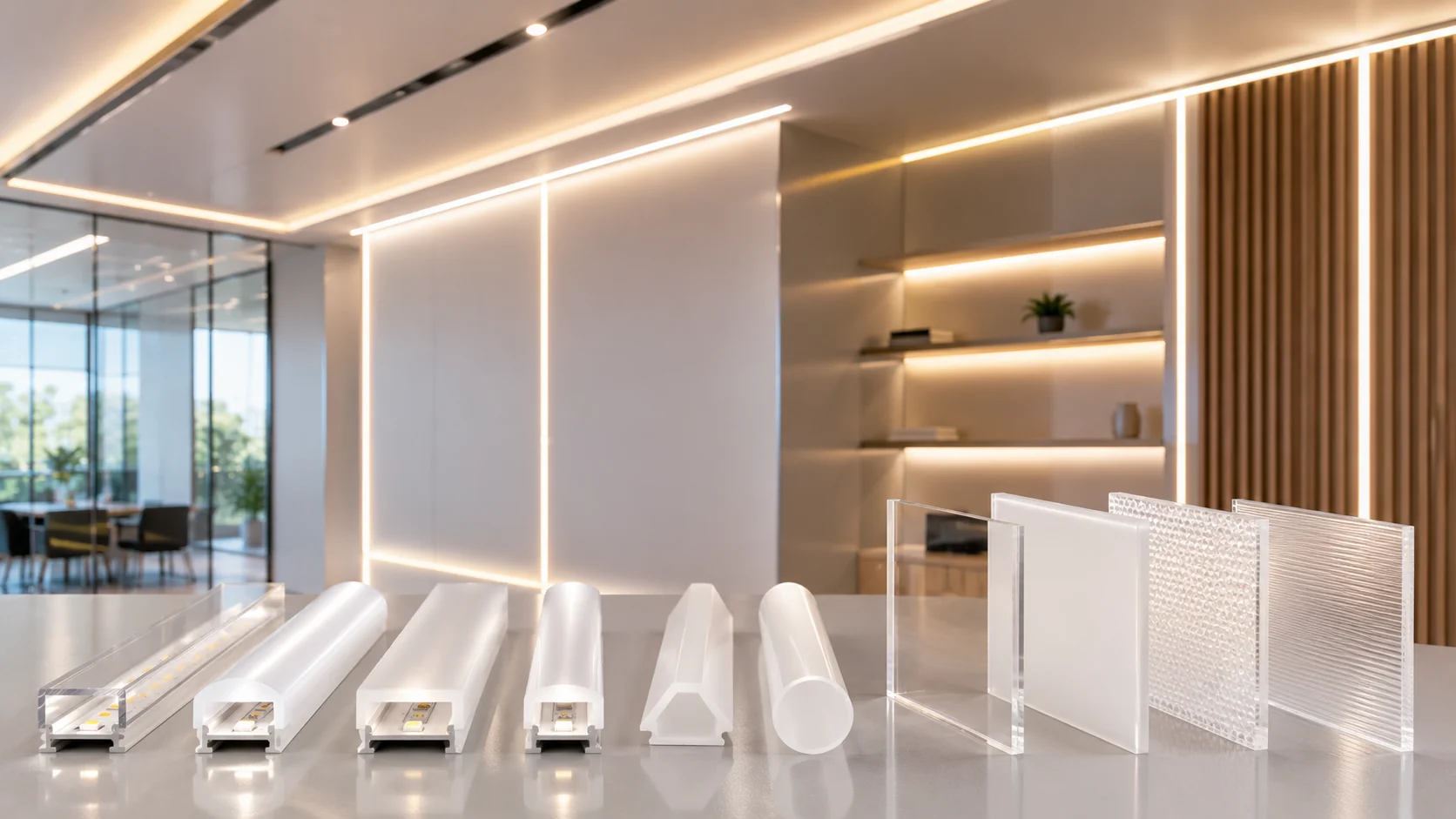
- Signs, lettering and illuminated lightboxes
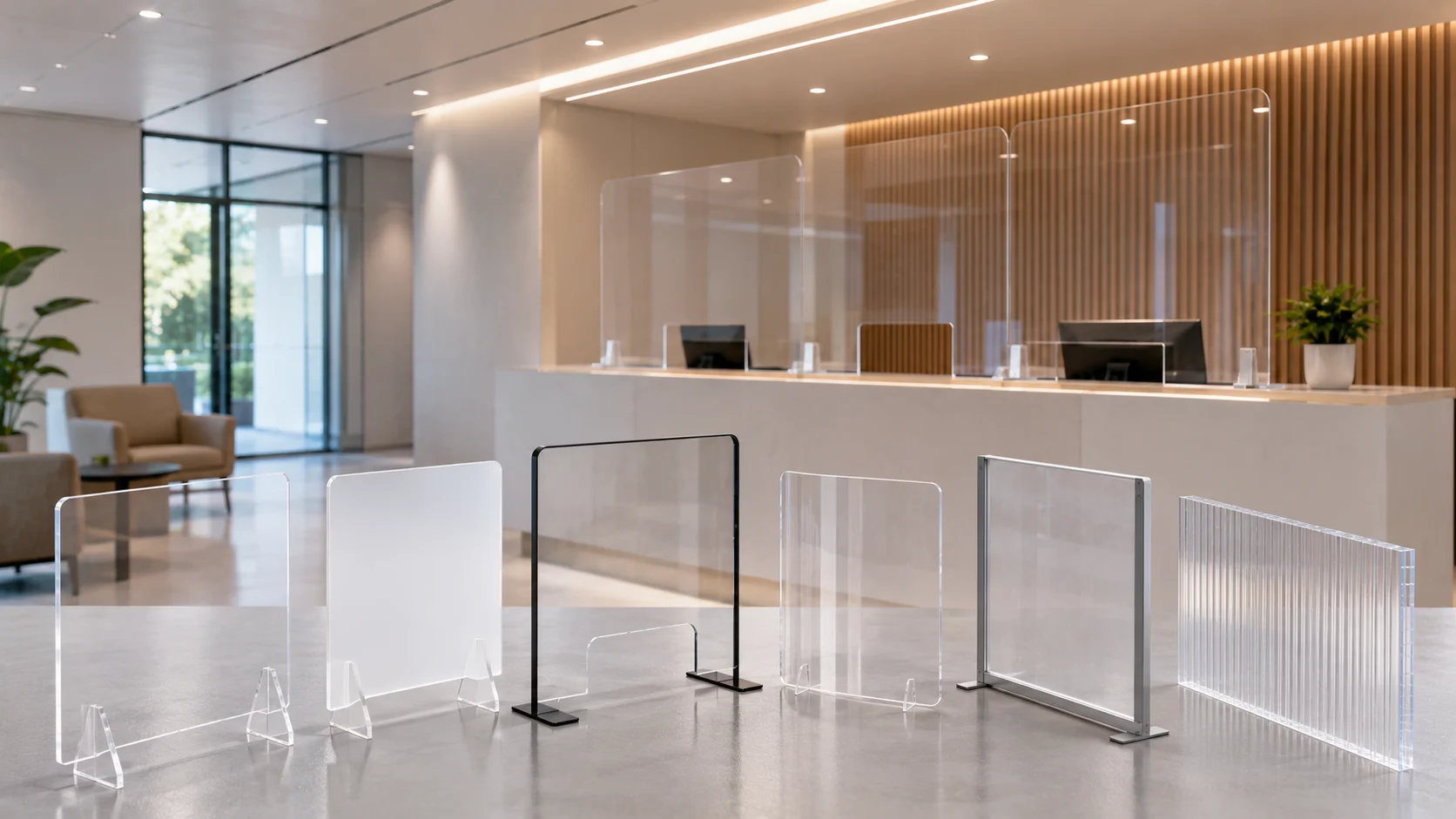
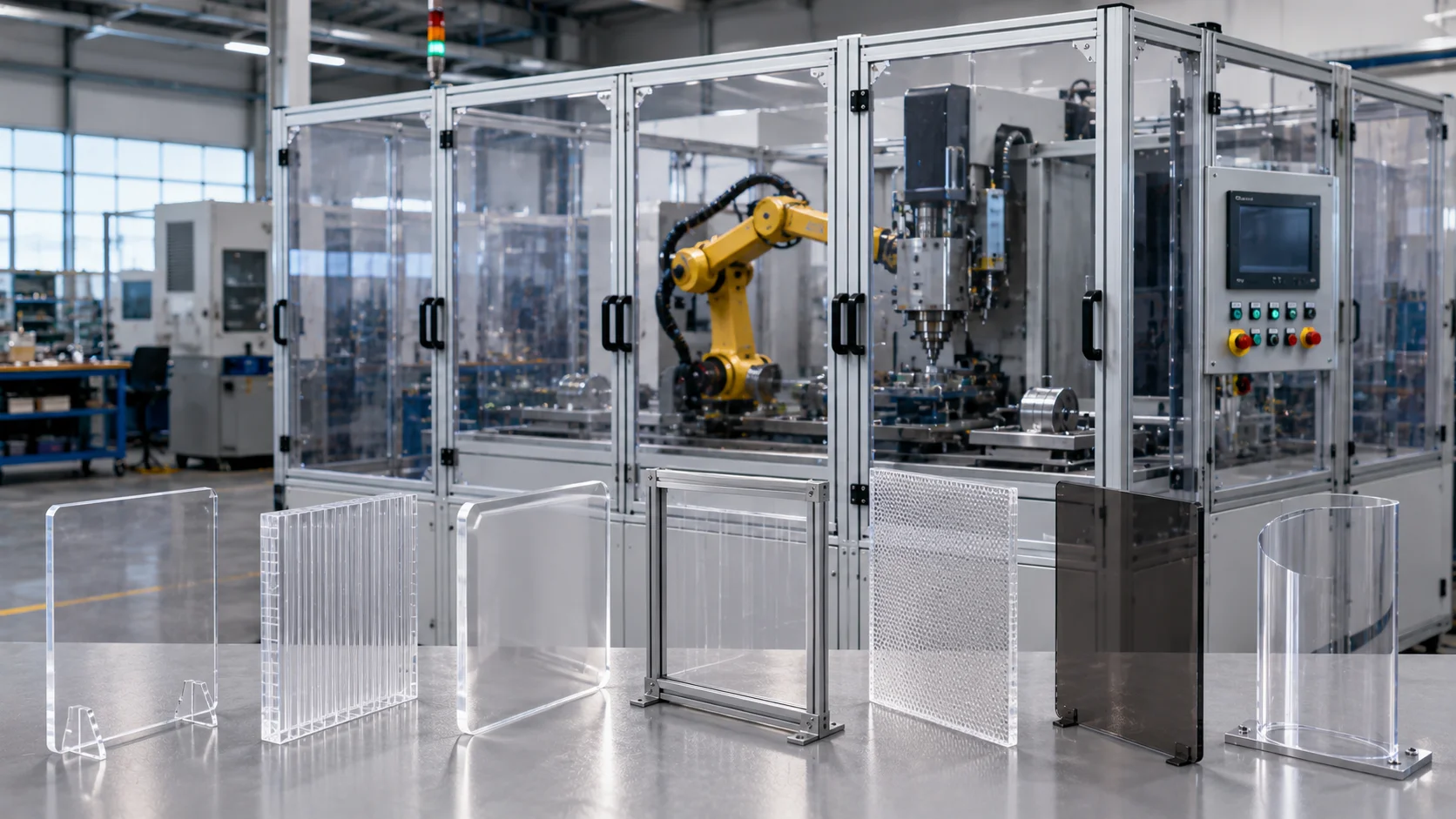
- Protective screens and equipment guards
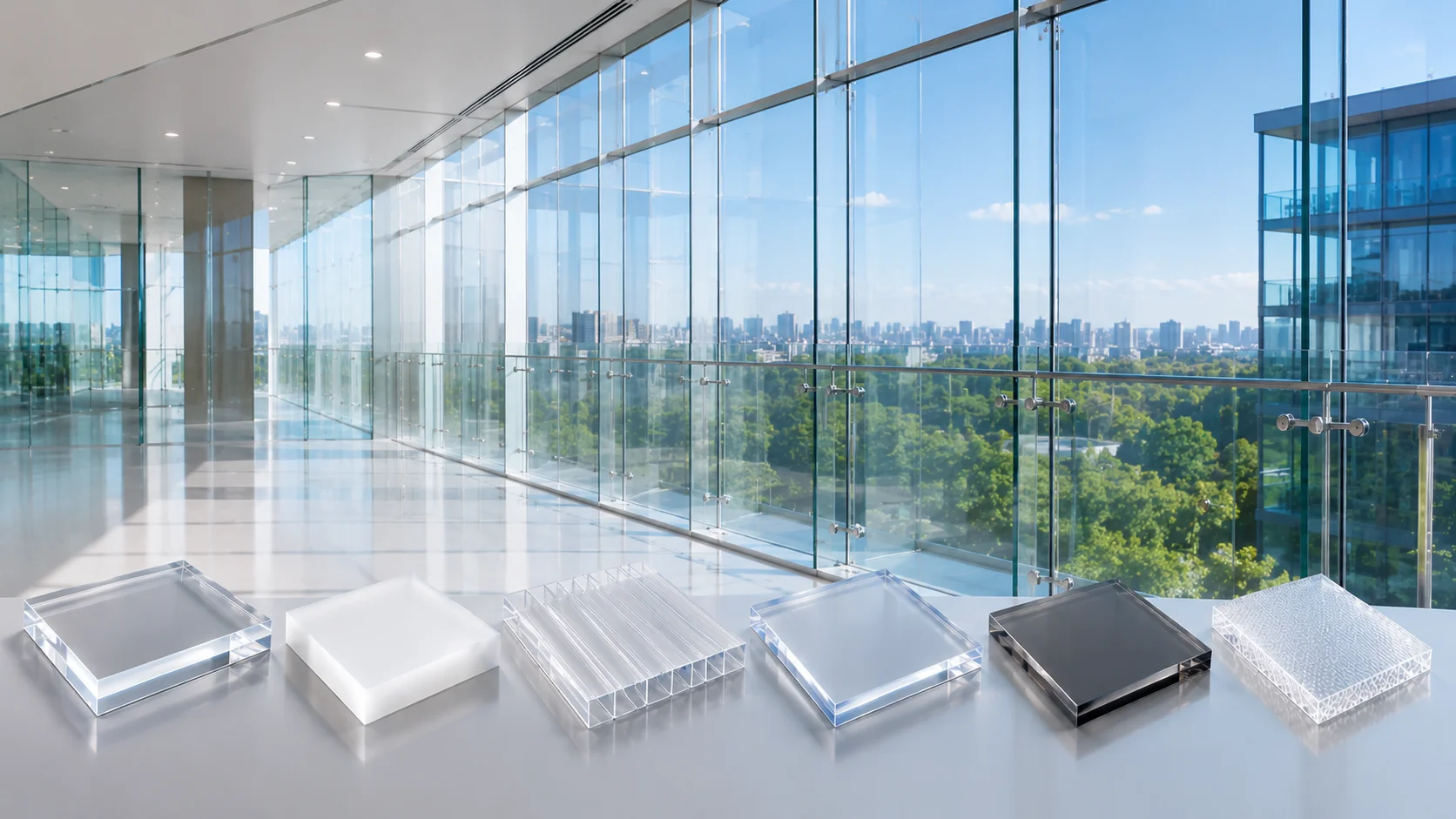
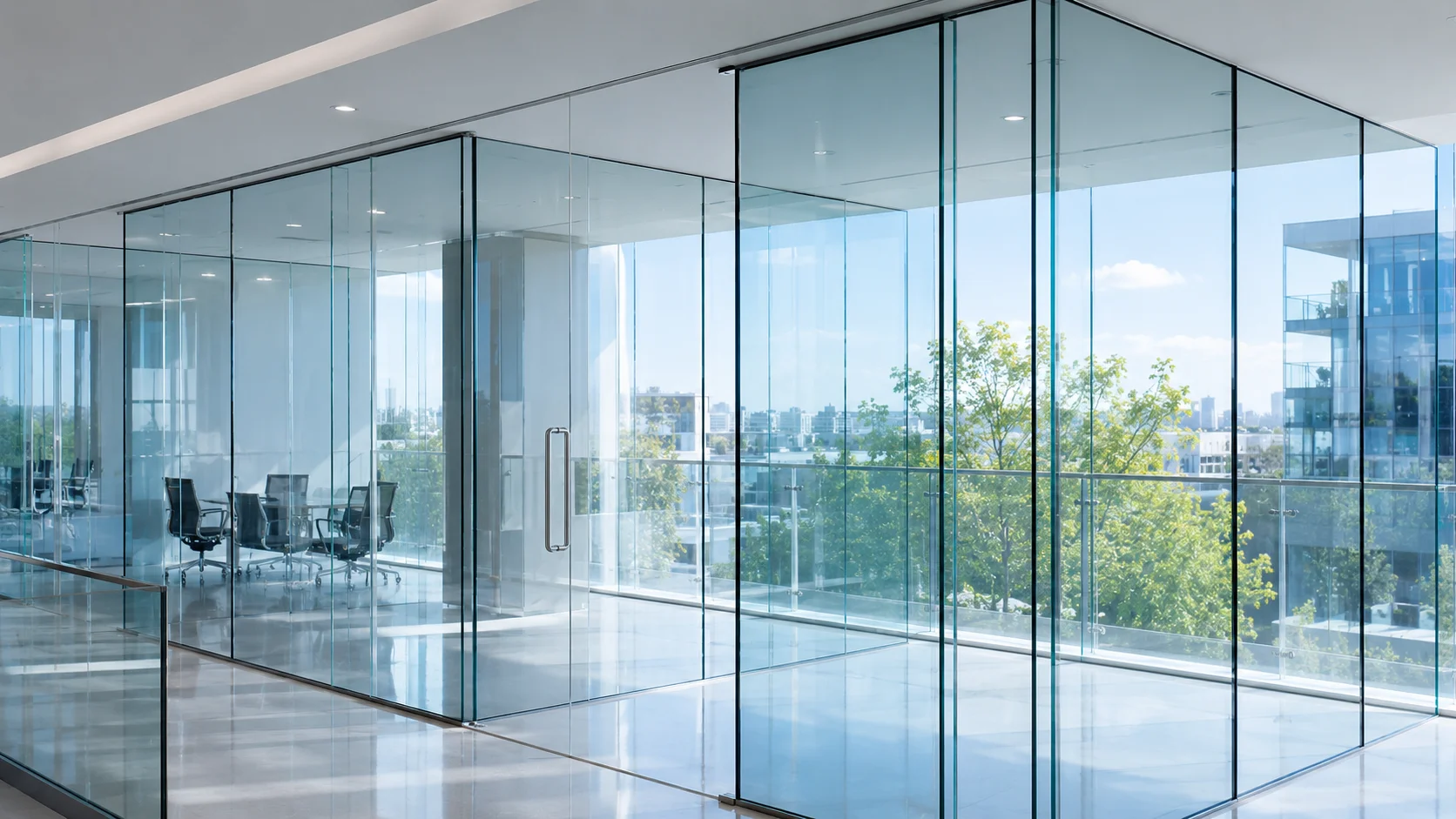
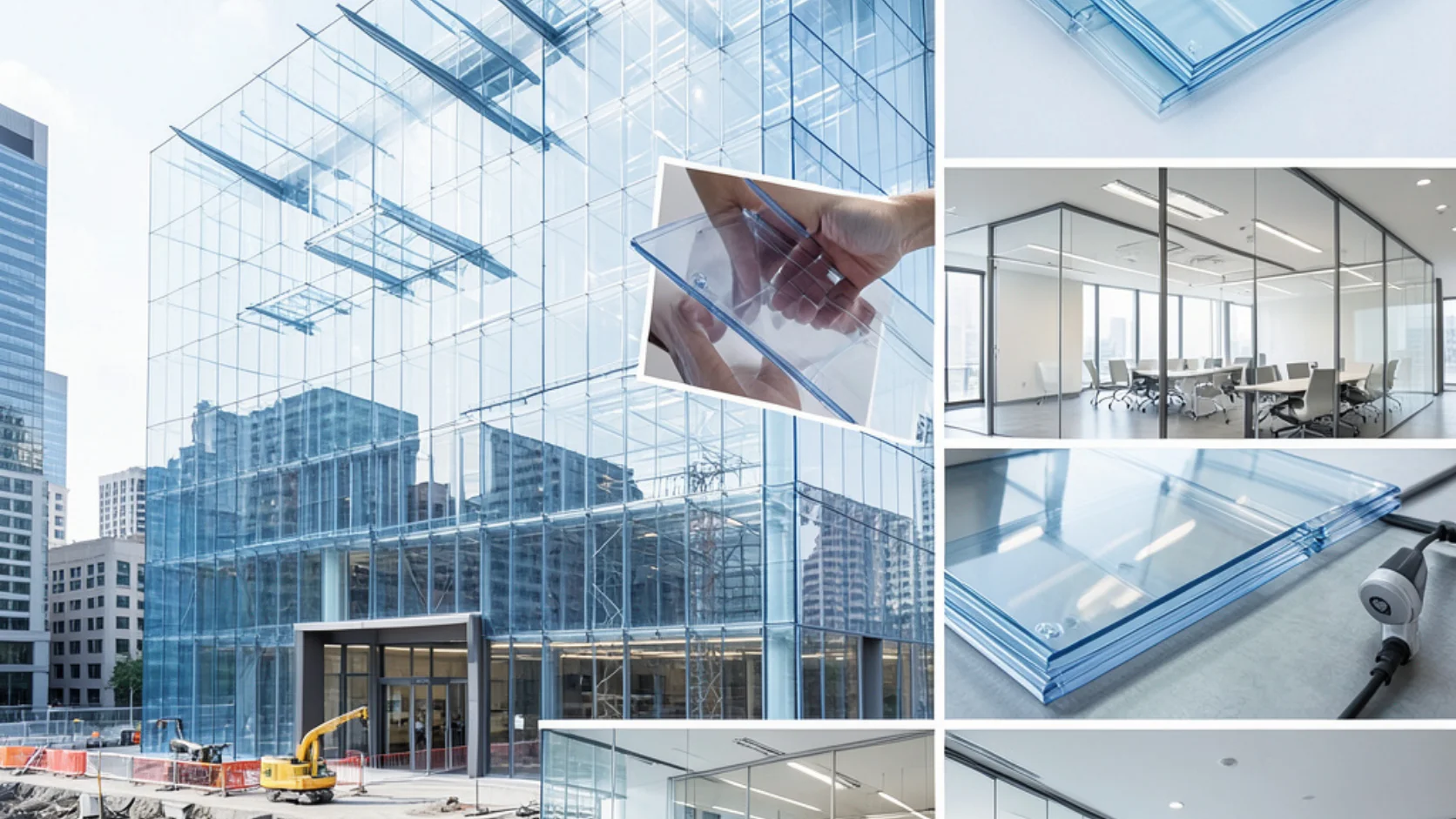
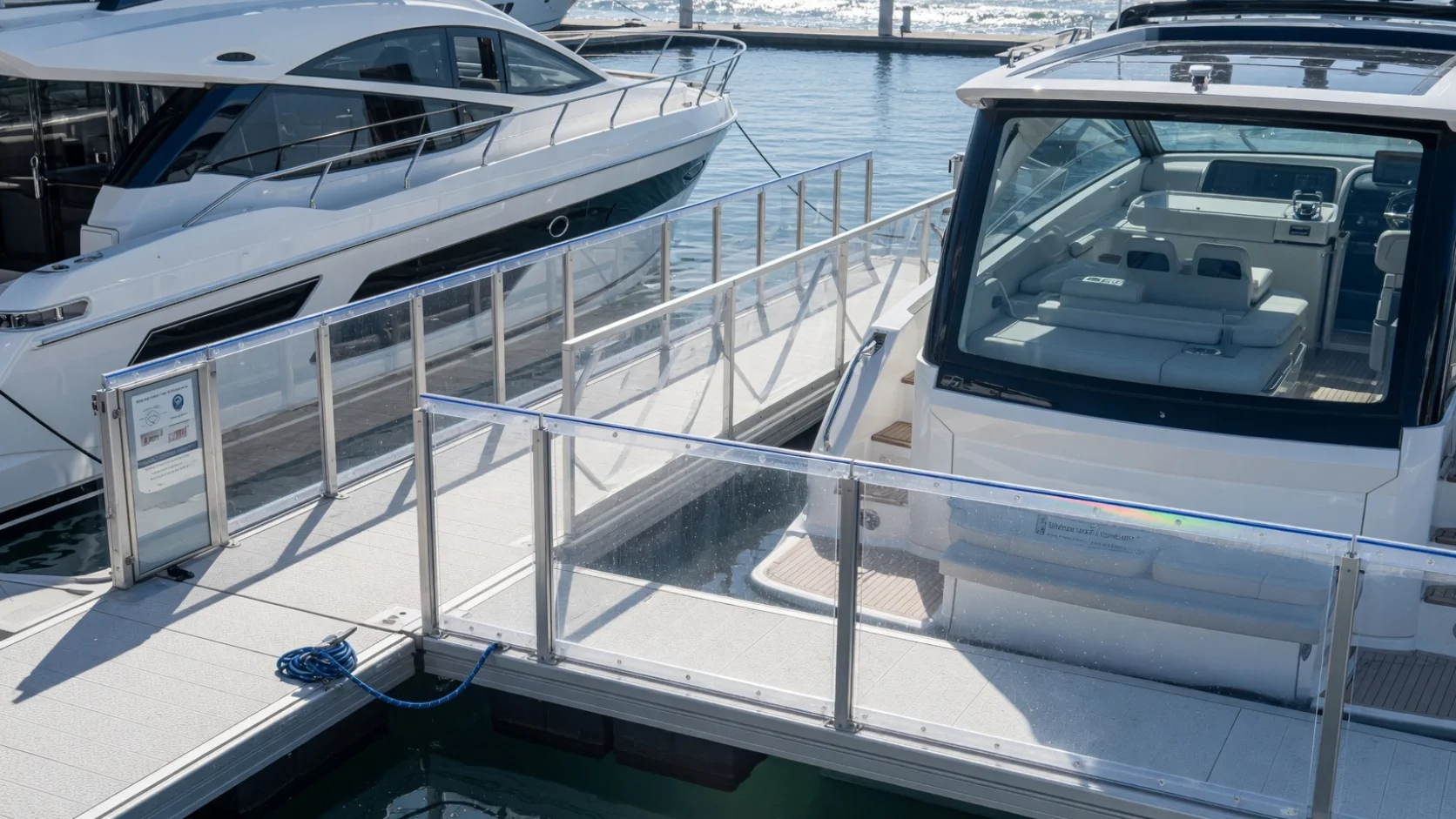
- Windows, partitions and interior glazing
- Furniture, shelving and decorative panels
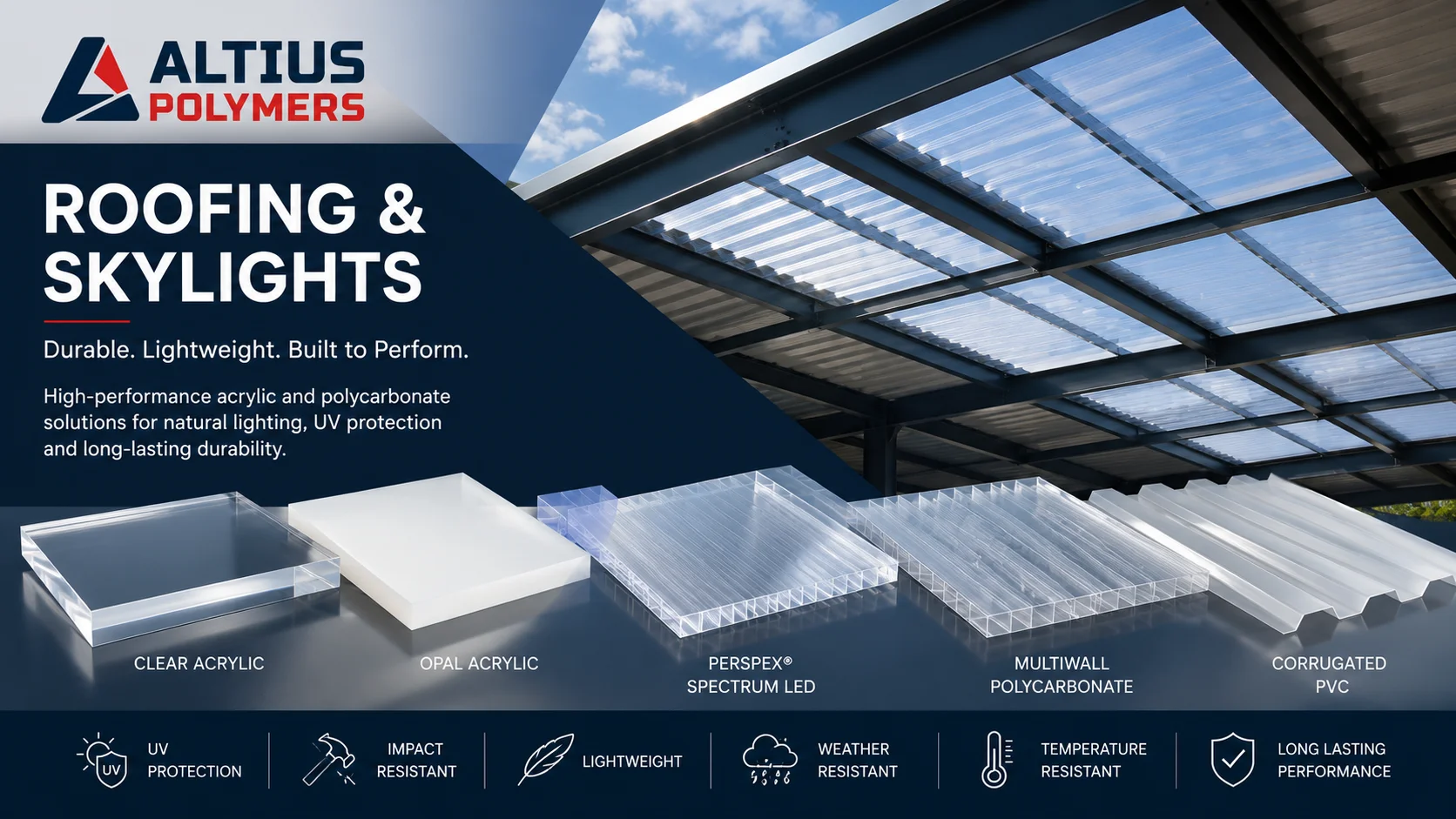
- Skylights and architectural features
- Aquariums and display tanks
- Machine covers and inspection windows
- Point-of-sale displays
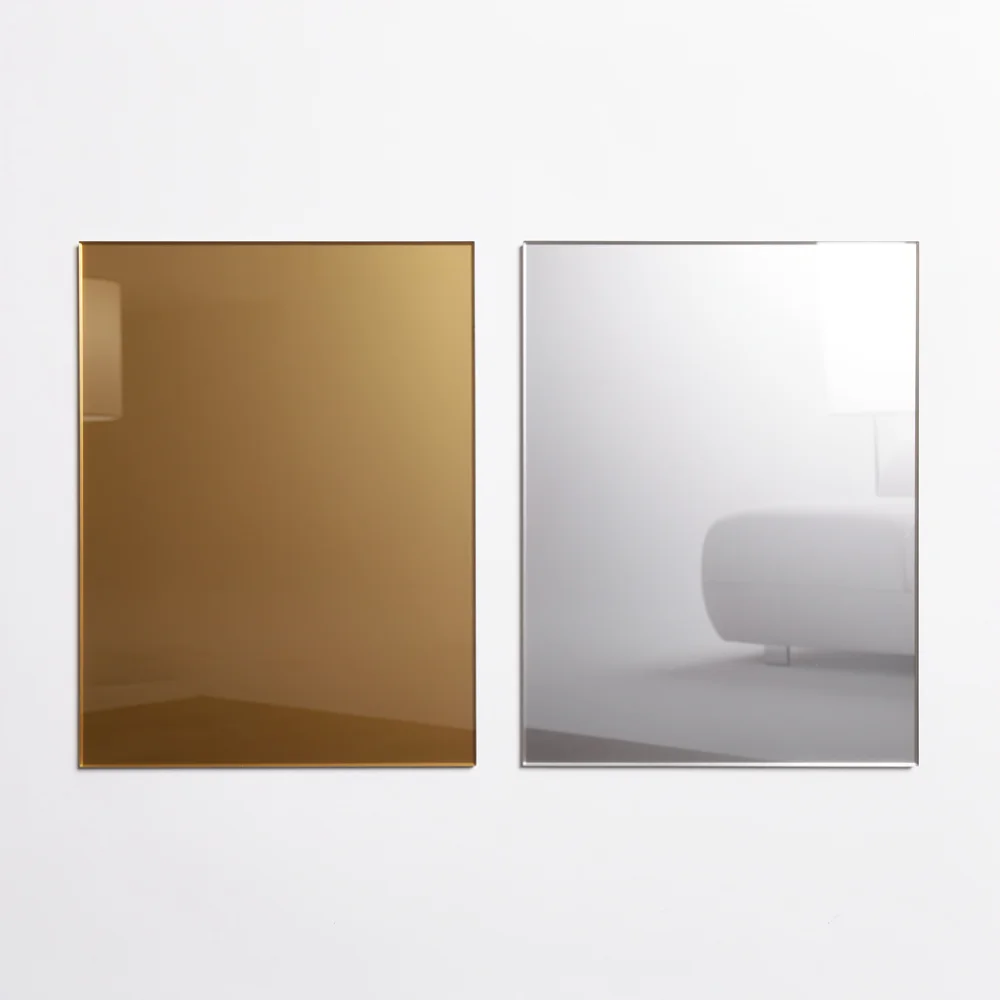
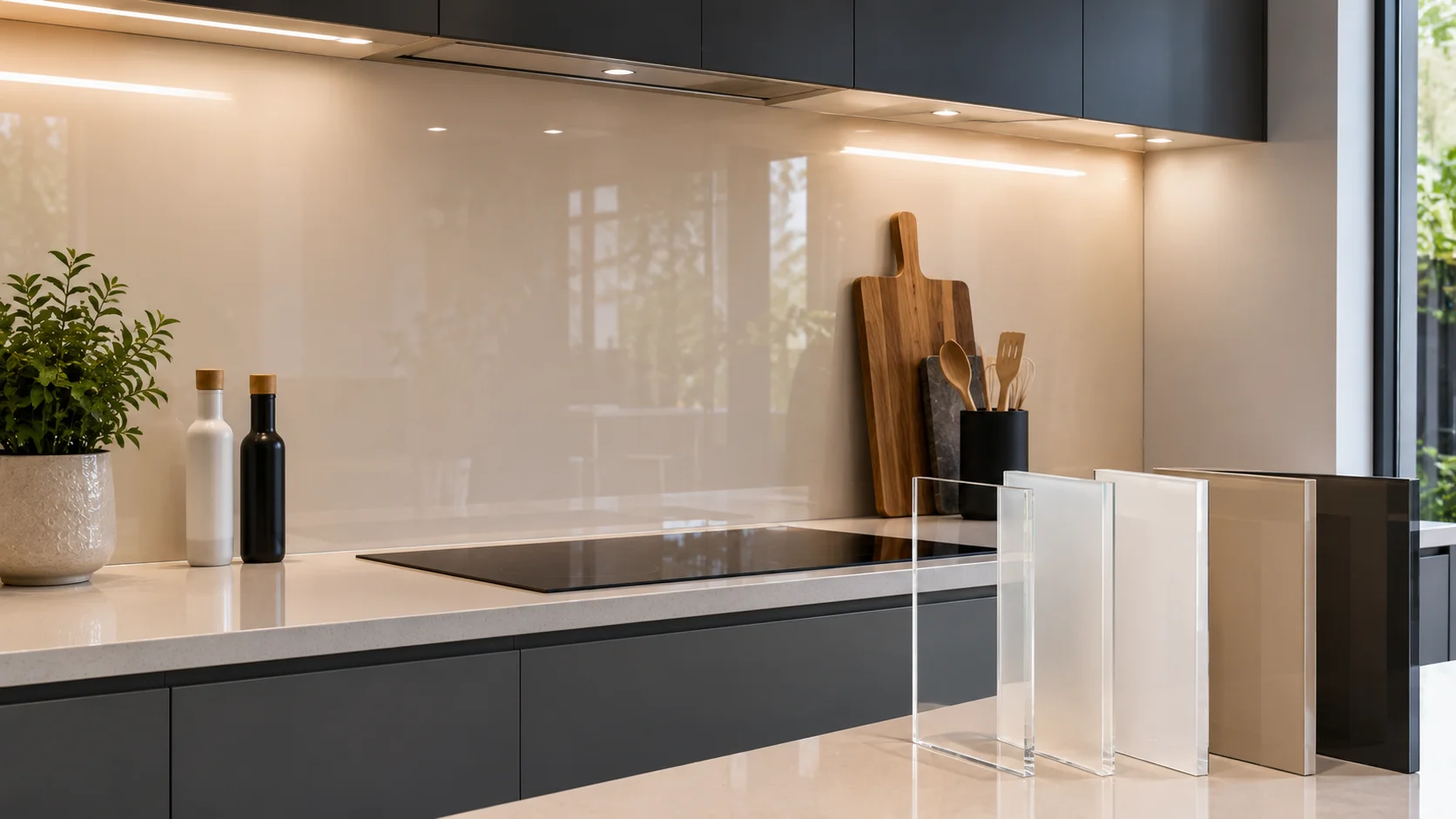
- Mirrors, splashbacks and wall panels
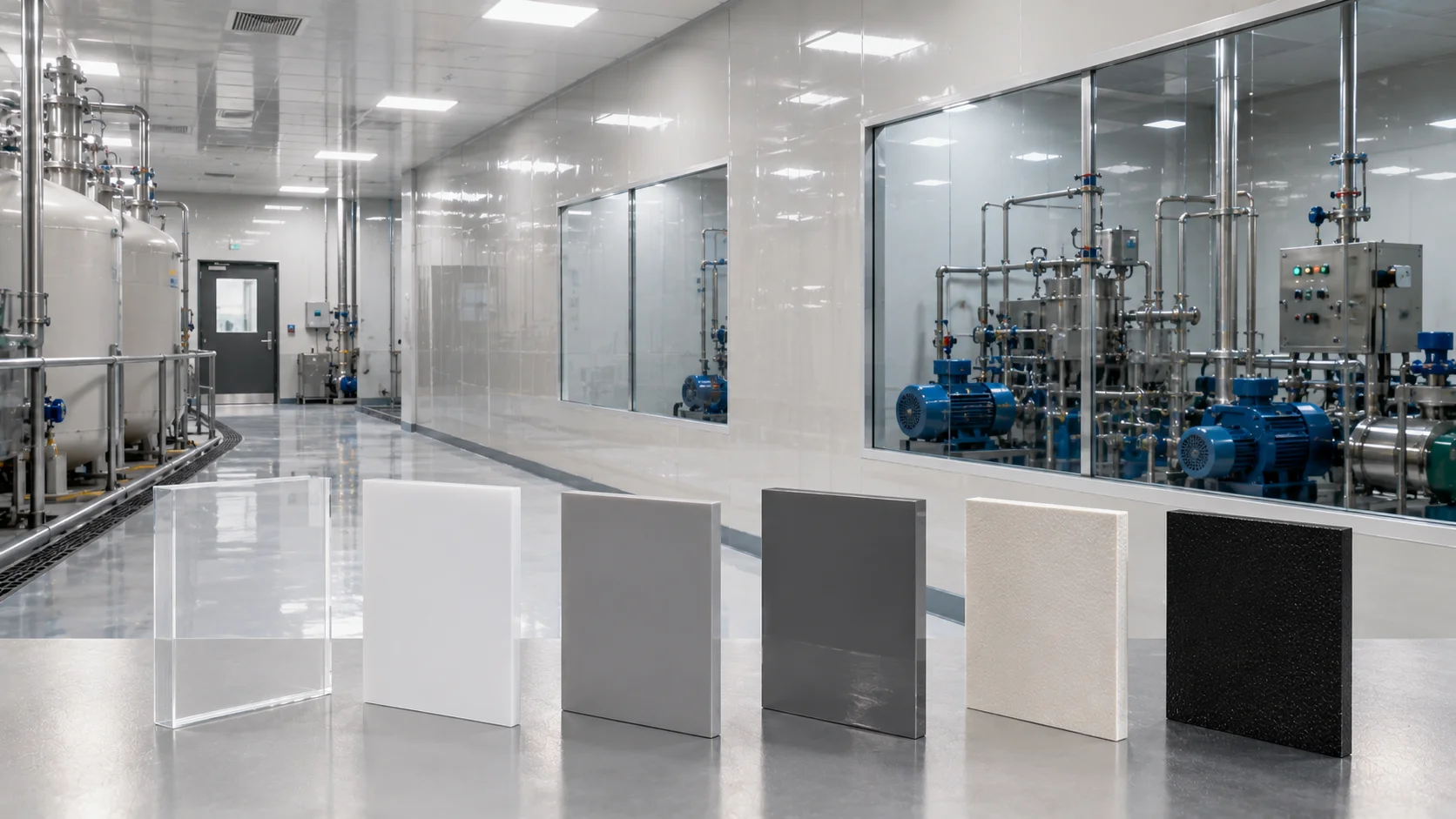
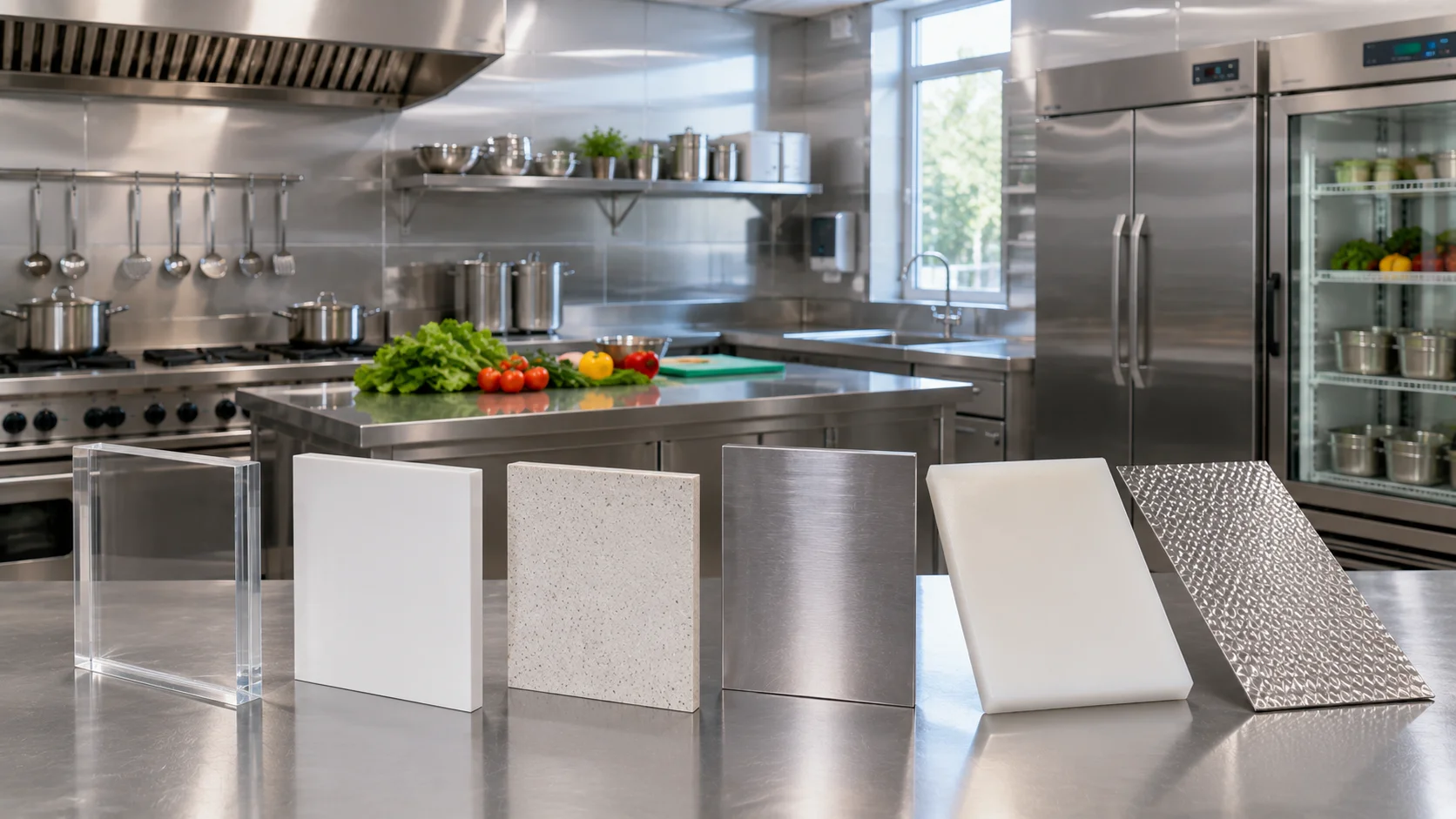
- Medical, laboratory and food display equipment
If you have seen a crystal-clear display case, illuminated sign or modern protective screen, there is a good chance it was made from acrylic.
Acrylic provides the appearance and clarity of glass without the same weight or handling difficulty. It is easy to cut, machine, engrave, polish, bond and heat-form into custom shapes.
It is an excellent choice when you need:
- High transparency
- A lightweight material
- Better impact resistance than standard glass
- Good outdoor weather resistance
- Custom colours, finishes or shapes
- Clean, polished and professional-looking edges
Acrylic is approximately half the weight of glass and is more resistant to accidental impact. It can also be cut, drilled, routed, laser-cut, bonded and heat-formed more easily than glass.
Glass has a harder surface and is generally more resistant to scratching and high temperatures. Acrylic is easier to fabricate and transport but requires suitable cleaning products and careful handling to protect its surface.
For displays, signage, guards, decorative glazing and custom-fabricated components, acrylic is often the more practical option.
No. Both materials can be clear, but they perform differently.
Acrylic generally provides better optical clarity, surface hardness and long-term UV resistance. Polycarbonate offers significantly higher impact resistance and is better suited to safety glazing, high-impact guards and demanding industrial applications.
Our team can help you select the correct material based on appearance, impact risk, outdoor exposure, temperature and budget.
Cast acrylic generally provides excellent optical quality, chemical resistance and machining performance. It is commonly preferred for premium displays, fabrication, engraving, aquariums and applications requiring a high-quality polished finish.
Extruded acrylic usually has more consistent thickness and can be a cost-effective option for general glazing, signage, displays and high-volume fabrication.
The best choice depends on how the sheet will be cut, bonded, formed and used.
Acrylic can be fabricated using several methods:
- Saw cutting and CNC routing
- Laser cutting and engraving
- Drilling and machining
- Edge sanding and polishing
- Line bending and heat forming
- Thermoforming and vacuum forming
- Solvent bonding and adhesive assembly
For the best finish, acrylic should be properly supported during cutting, kept in its protective film for as long as possible and fabricated using sharp tools designed for plastics.
Thin acrylic may be scored and snapped, while thicker sheets are normally cut using a panel saw, circular saw, CNC router or laser cutter.
Sharp, suitable blades and controlled cutting speeds help prevent chipping, melting and excessive stress. Cut edges can then be sanded, mechanically polished or flame-polished, depending on the required finish and application.
Laser-cut or flame-polished edges may contain additional stress, so special care is required if those edges will later be bonded.
Acrylic is normally joined using a compatible acrylic solvent cement or a specialised reactive acrylic adhesive.
For a strong, clear joint:
- The mating edges must be flat, clean and accurately fitted.
- The correct adhesive must be selected for the joint design and application.
- The adhesive is applied using a controlled capillary, needle or dispensing method.
- The components are held securely without movement.
- The joint is allowed to cure for the manufacturer’s recommended time.
Thin solvent cement is ideal for close-fitting joints, while thicker or two-part acrylic adhesives may be required for larger gaps, structural joints, aquariums or demanding outdoor applications.
General-purpose superglues and unsuitable solvents can cause whitening, cracking or crazing and should not be used without confirming compatibility.
Acrylic is not normally welded in the same way as metal. In clear acrylic fabrication, the term “acrylic welding” usually refers to solvent bonding, where the joining liquid temporarily softens the mating surfaces so they fuse together as the joint cures.
Acrylic can also be hot-gas welded using compatible PMMA welding rod, but this is generally limited to specialised industrial applications. For most clear displays, tanks, boxes and covers, solvent or reactive adhesive bonding produces a cleaner and more attractive joint.
Yes. Acrylic becomes flexible when heated to the correct forming temperature. It can be line-bent to create angles or fully thermoformed into curved and three-dimensional shapes.
Temperature must be carefully controlled. Excessive or uneven heating can cause bubbles, distortion, discolouration or internal stress. Professional forming is recommended for thick sheets, large components and parts requiring accurate dimensions.
Yes. Acrylic can be drilled using correctly sharpened plastic drills or suitable drill bits operated at a controlled speed.
Holes should include sufficient clearance for thermal expansion, and fixings should not be overtightened. Excessive pressure, holes positioned too close to an edge or standard drill bits that grab the material can cause cracking.
Yes. Clear acrylic offers excellent resistance to sunlight and outdoor weathering, making it suitable for signs, outdoor displays, skylights, glazing and architectural applications.
However, the suitability of coloured, mirrored, coated or specialty acrylic grades can vary. The correct product should be selected based on UV exposure, temperature, wind load and installation conditions.
Acrylic is more scratch-sensitive than glass, but minor scratches can often be reduced or removed using a suitable acrylic polishing compound.
For high-contact areas, an abrasion-resistant acrylic grade may be a better option. Protective film should remain on the sheet during storage and fabrication whenever possible.
Clean acrylic using clean water, mild soap and a soft microfibre cloth. Remove dust gently and avoid rubbing the surface when it is dry.
Do not use abrasive pads, window cleaners containing ammonia, acetone, thinners or harsh chemical cleaners. These products may damage the surface or cause cracking and crazing.
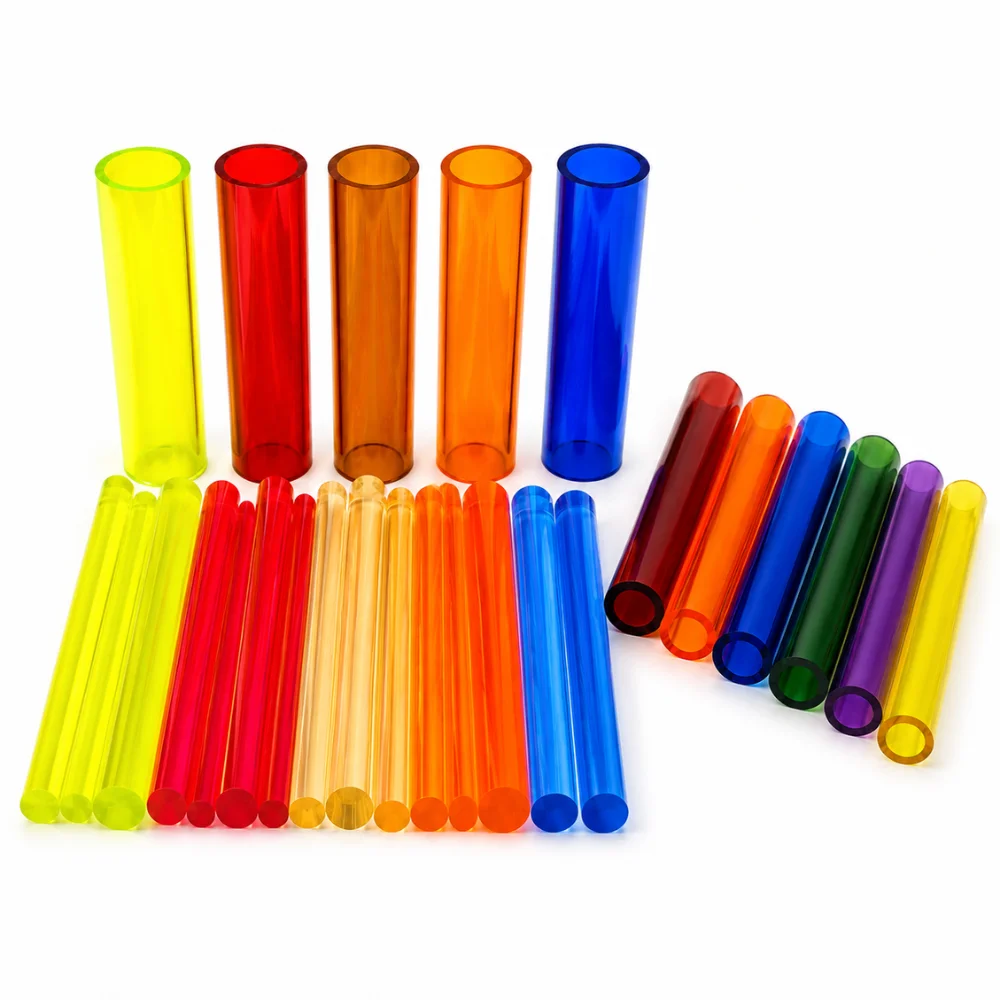
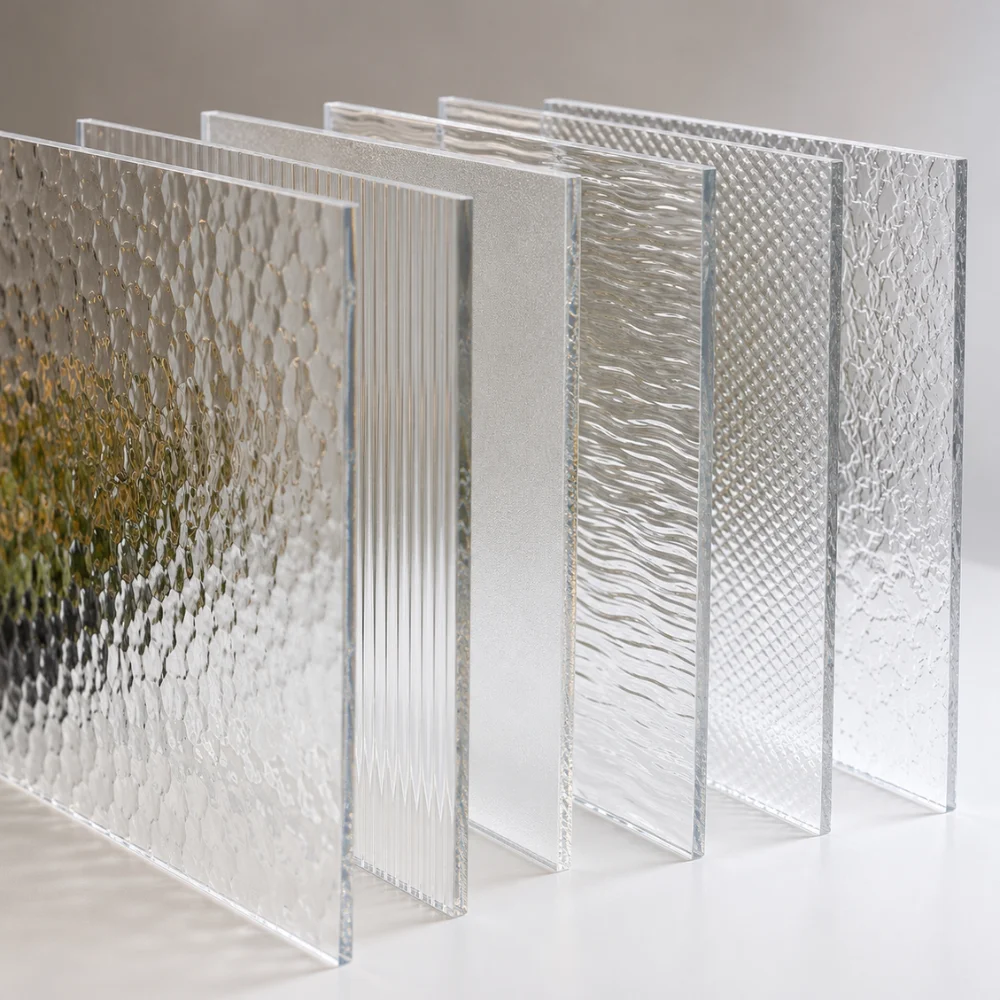
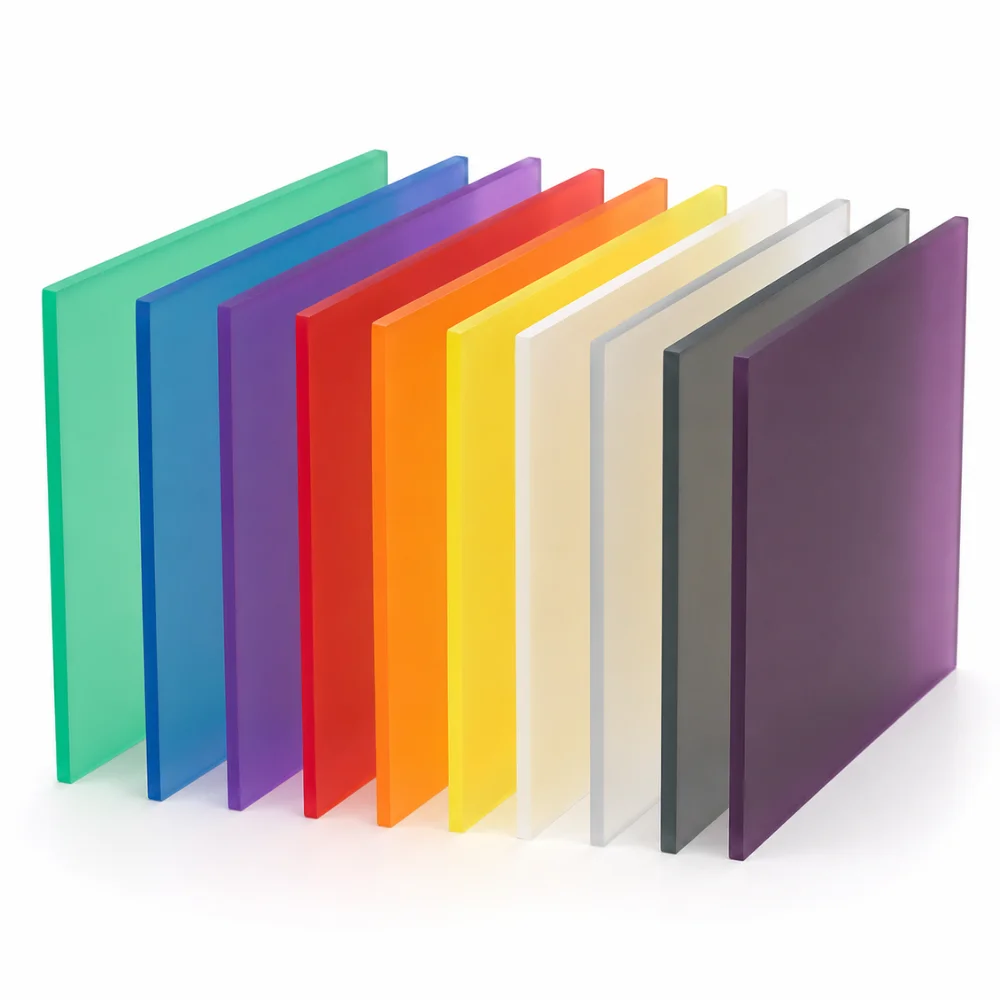
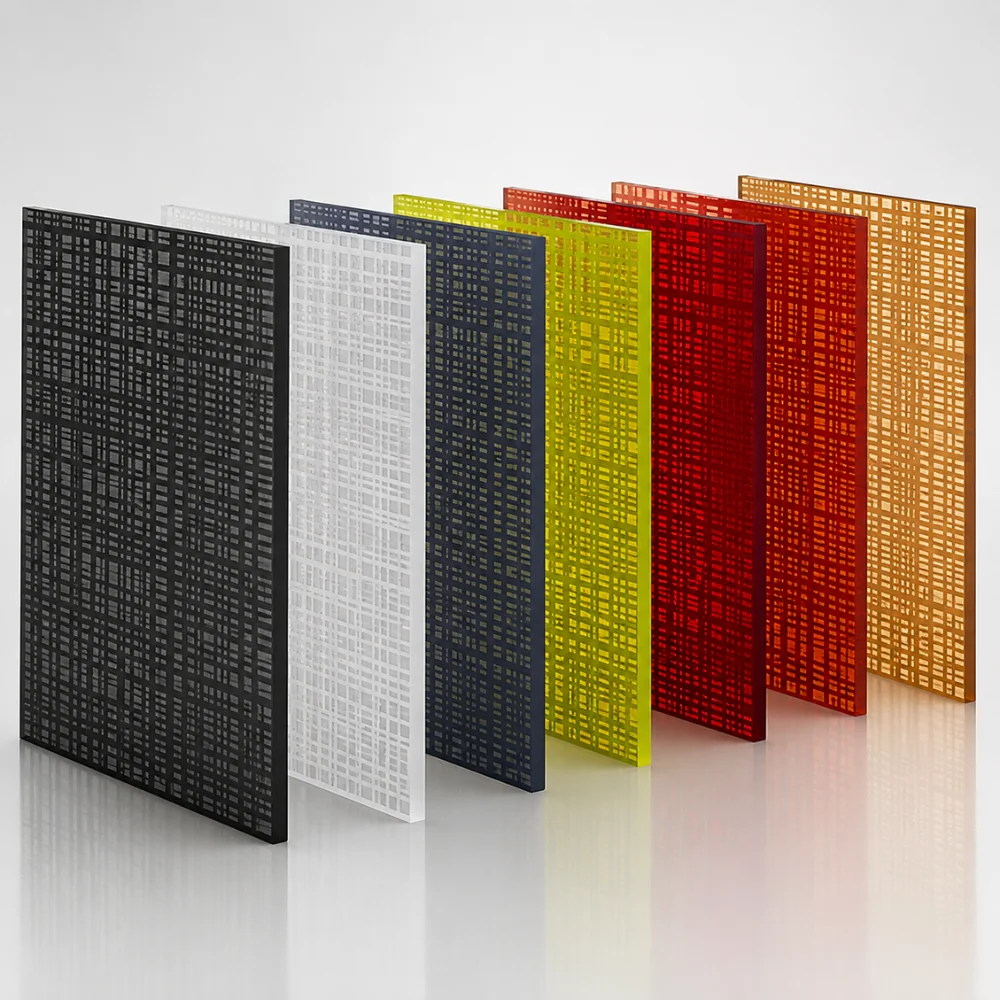
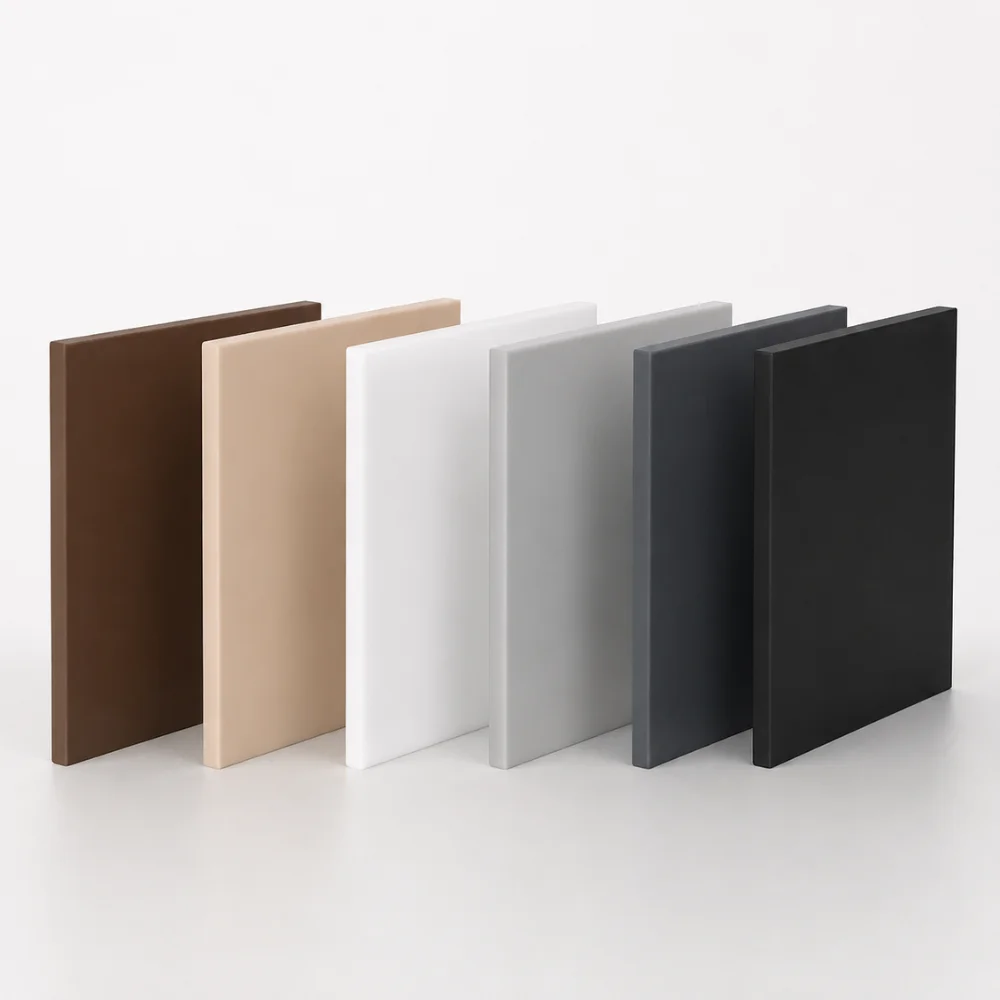
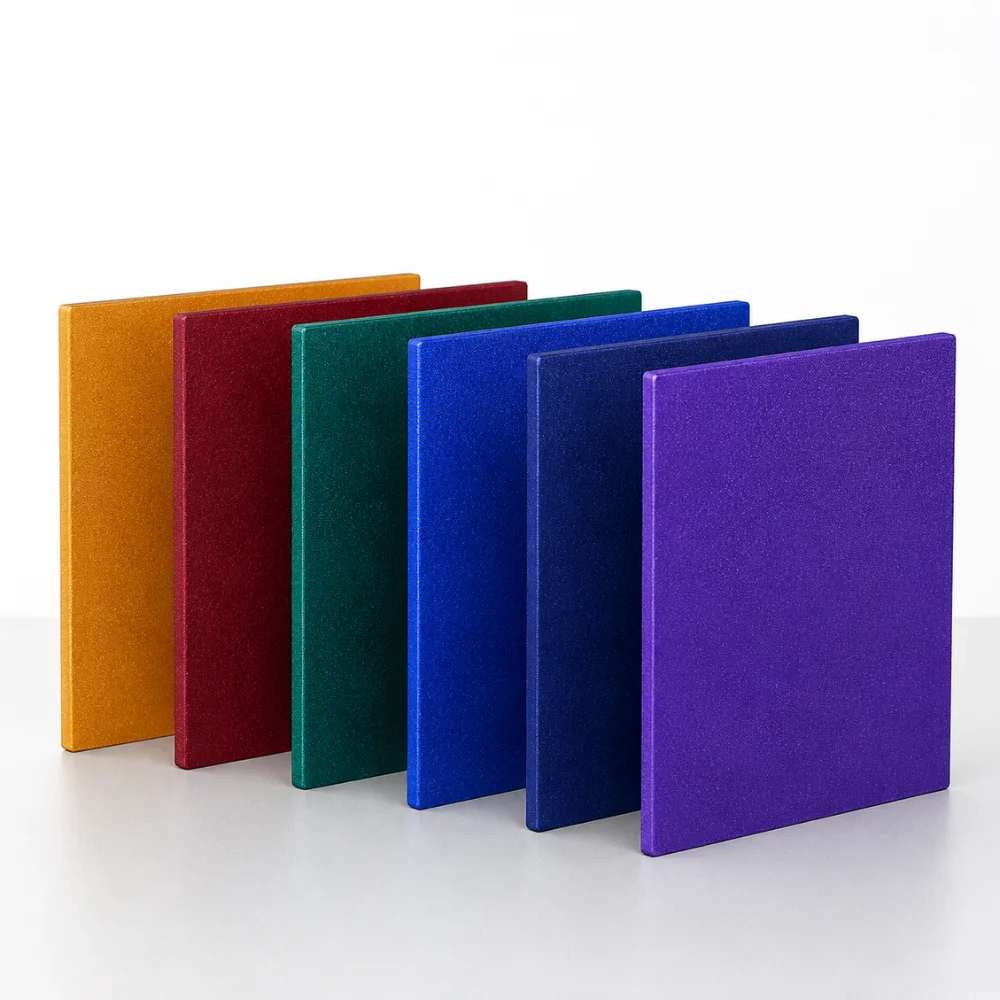
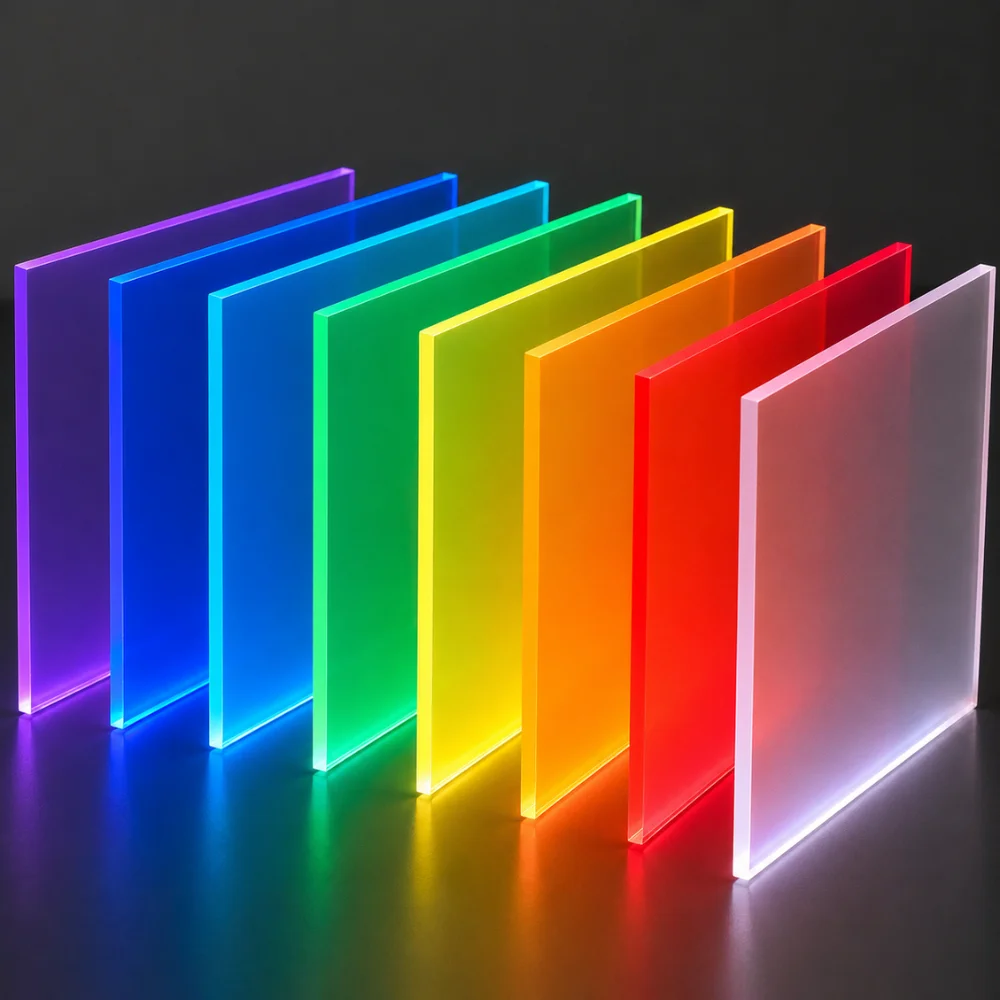
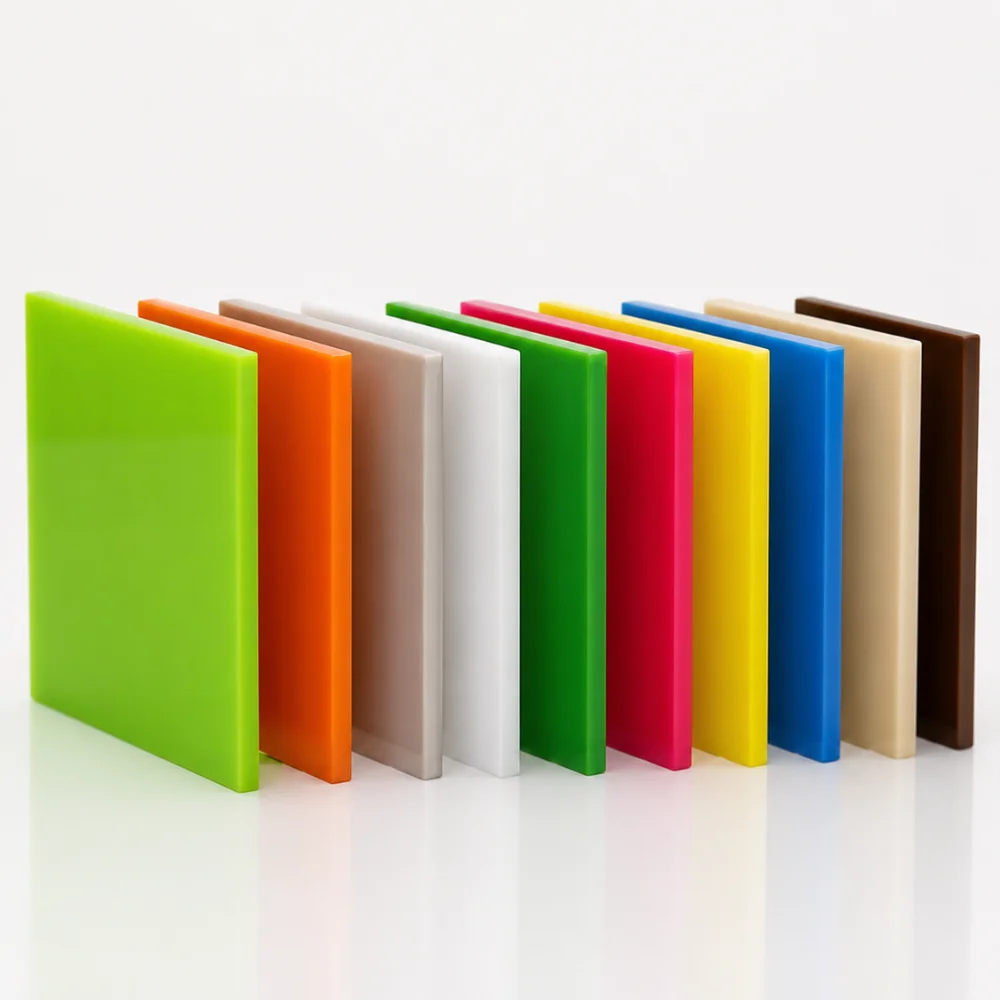
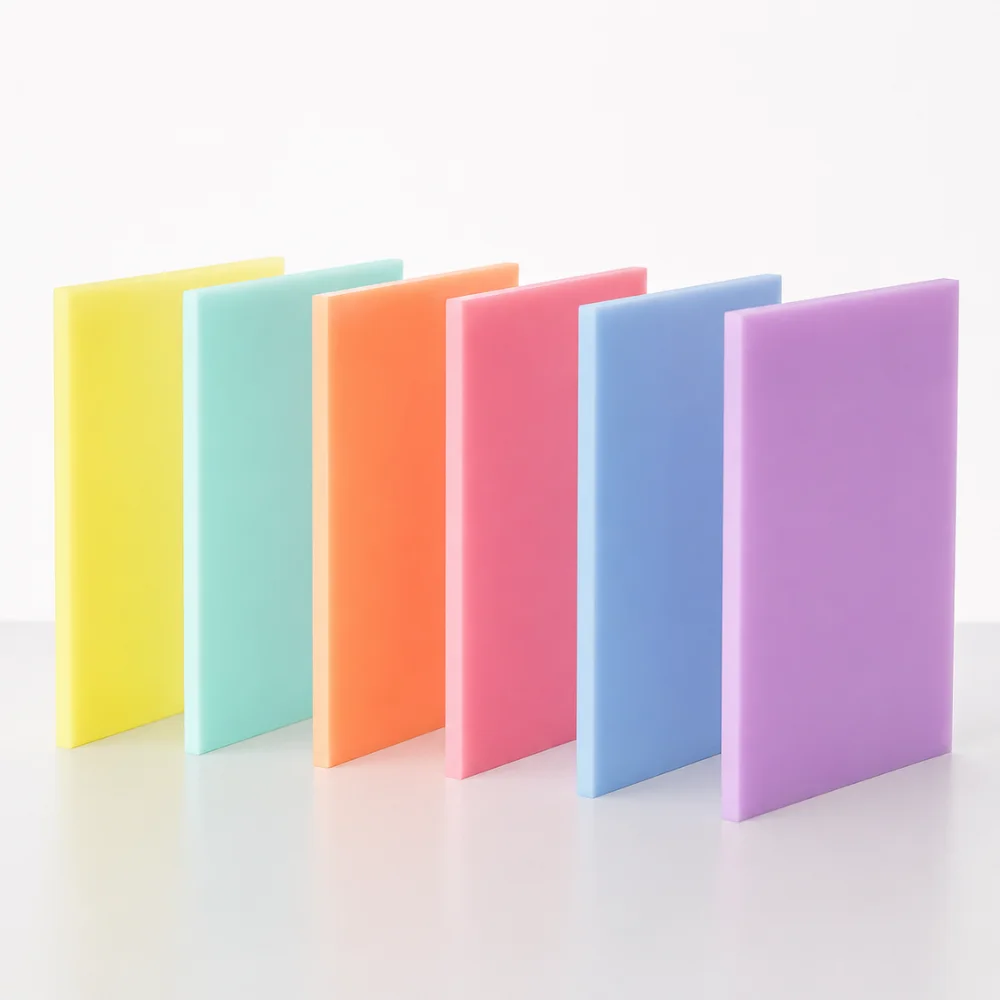
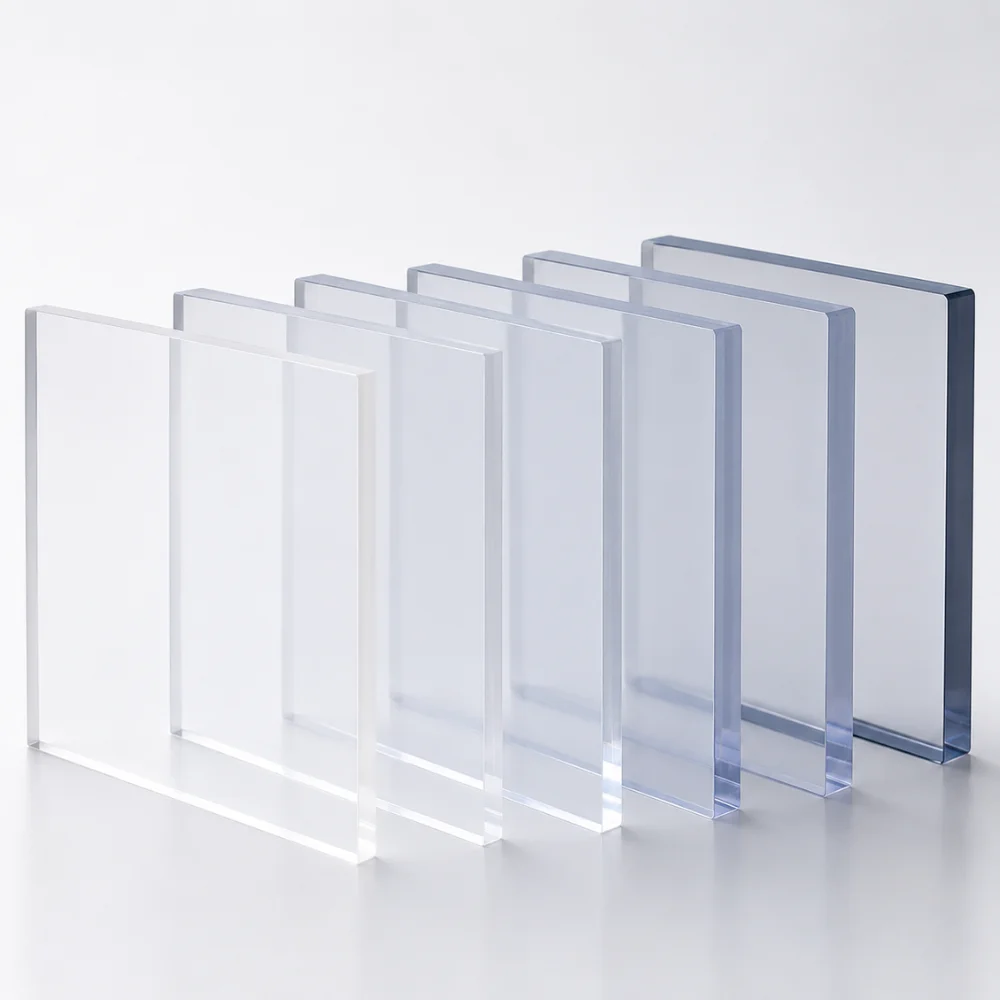
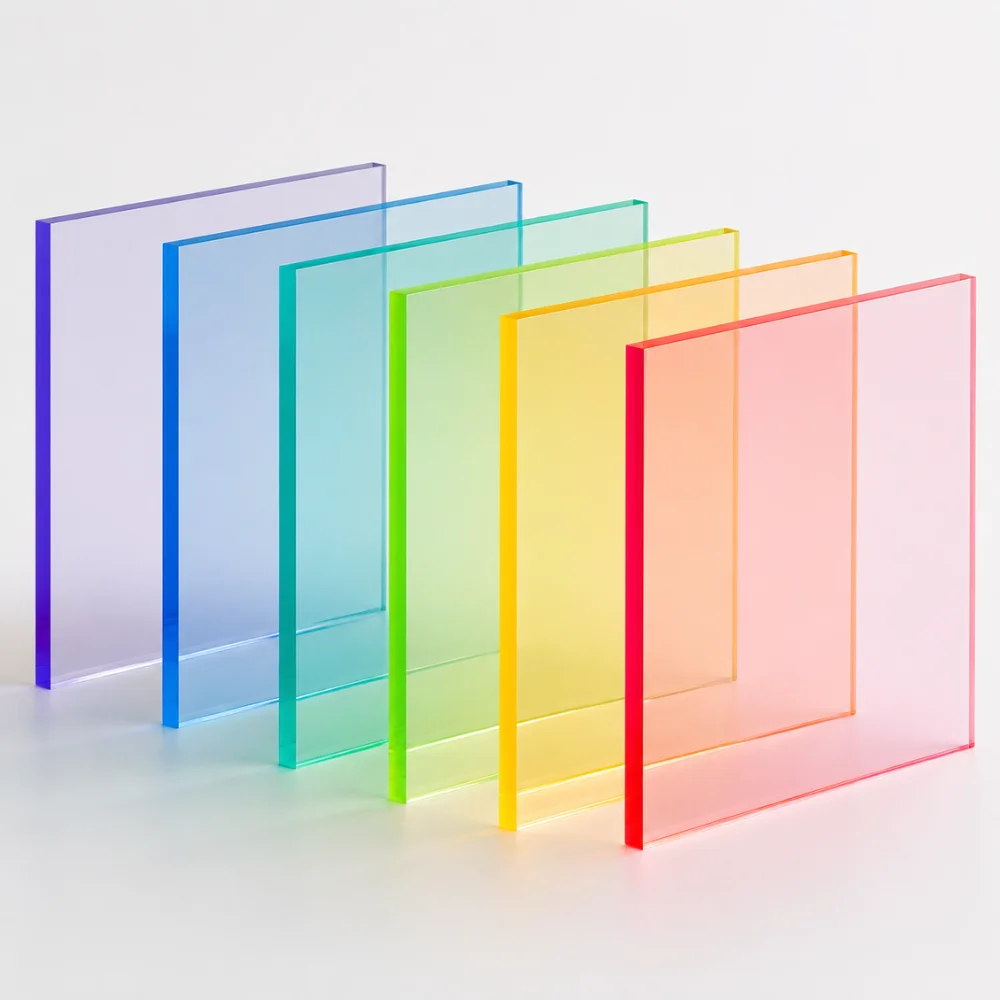
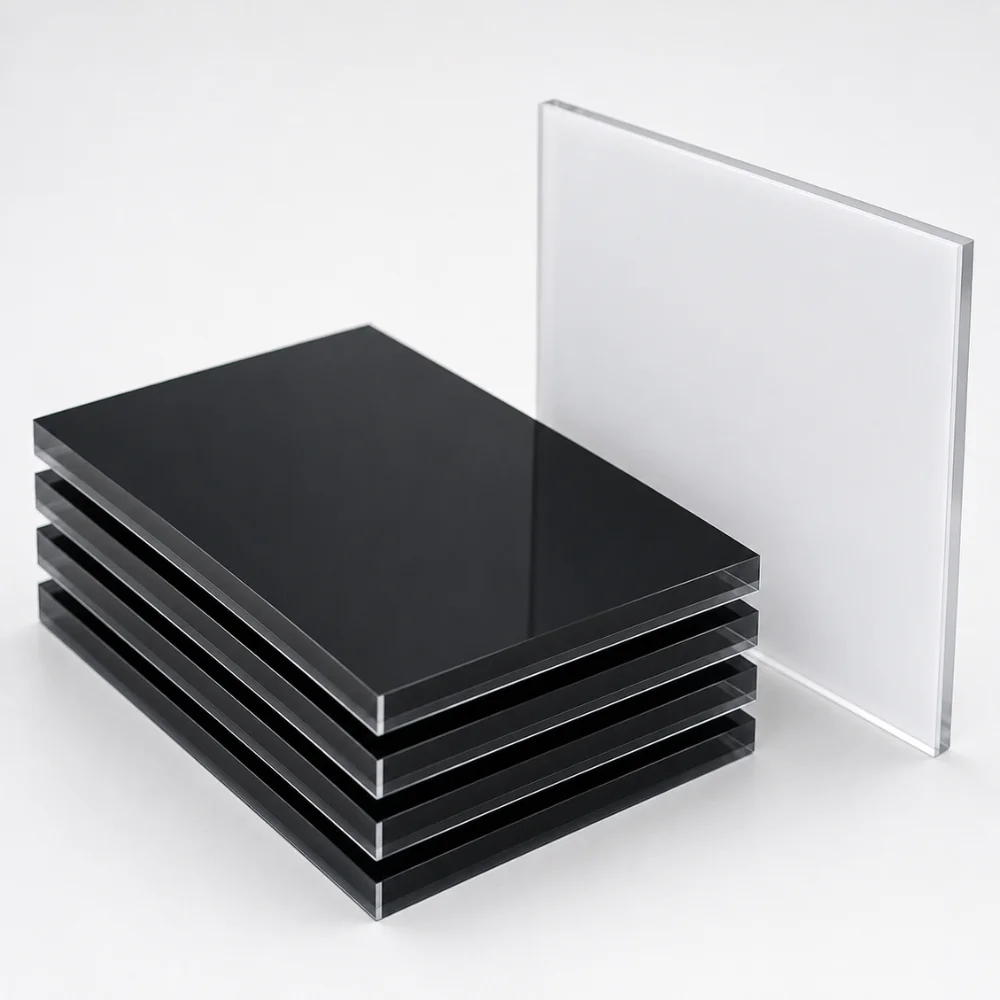
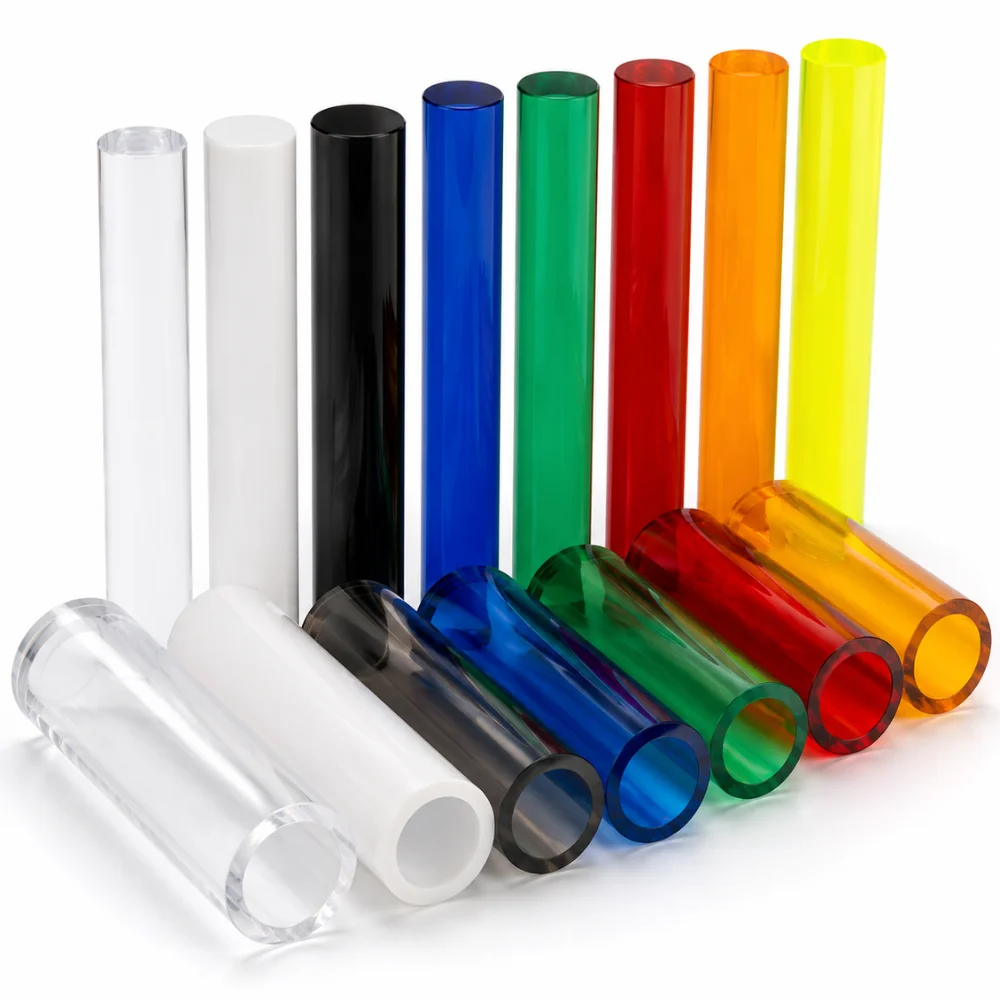
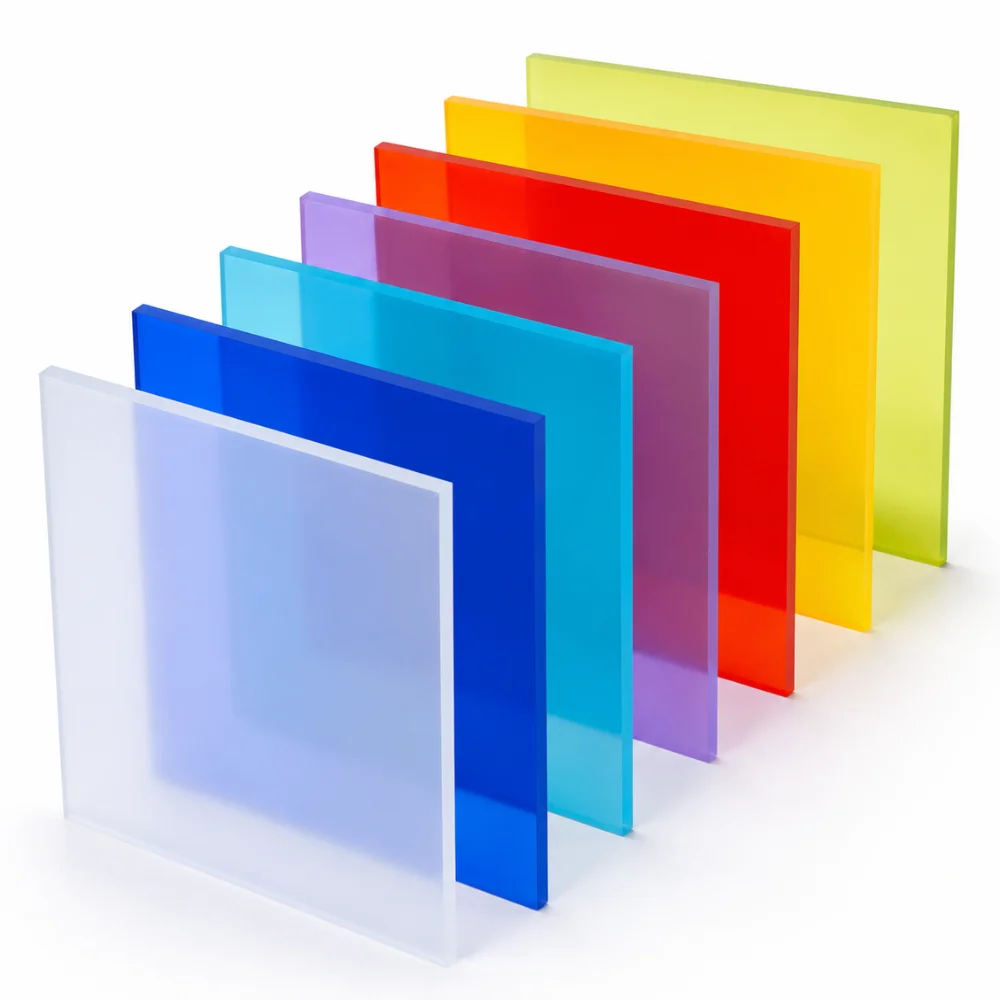
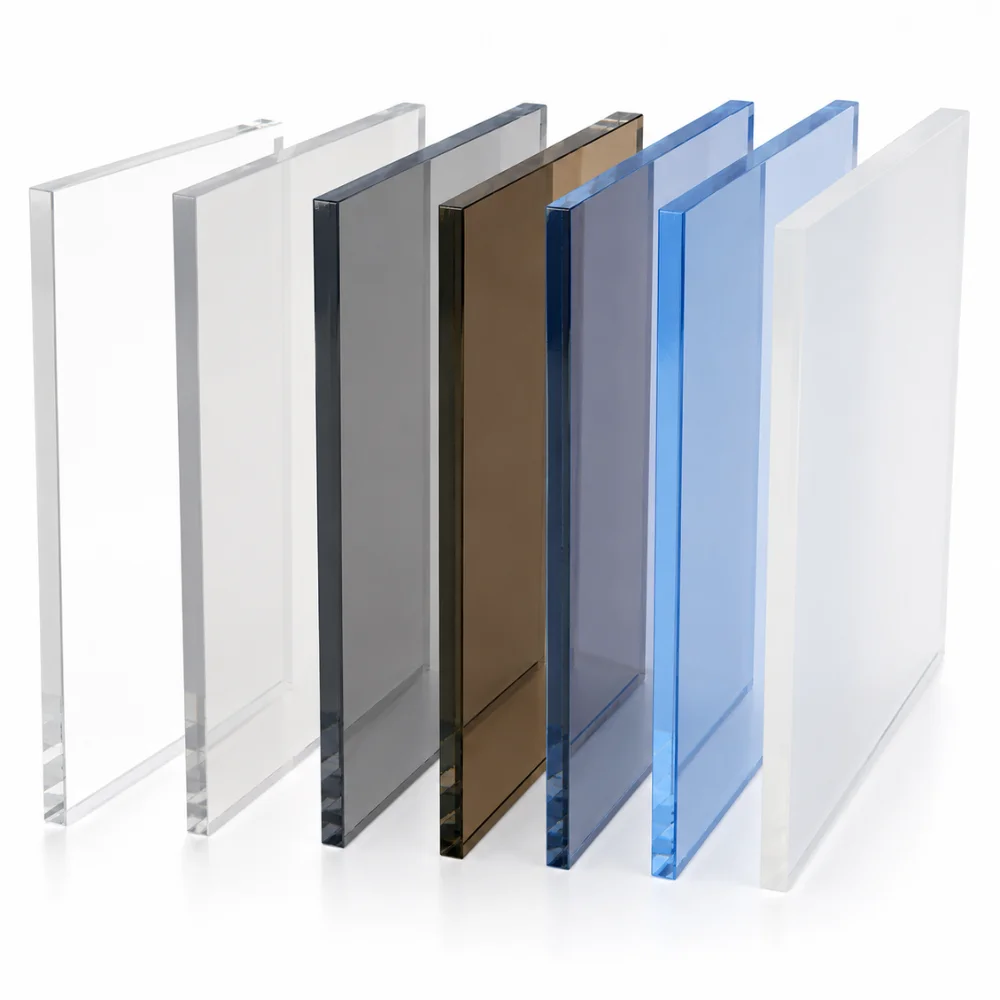
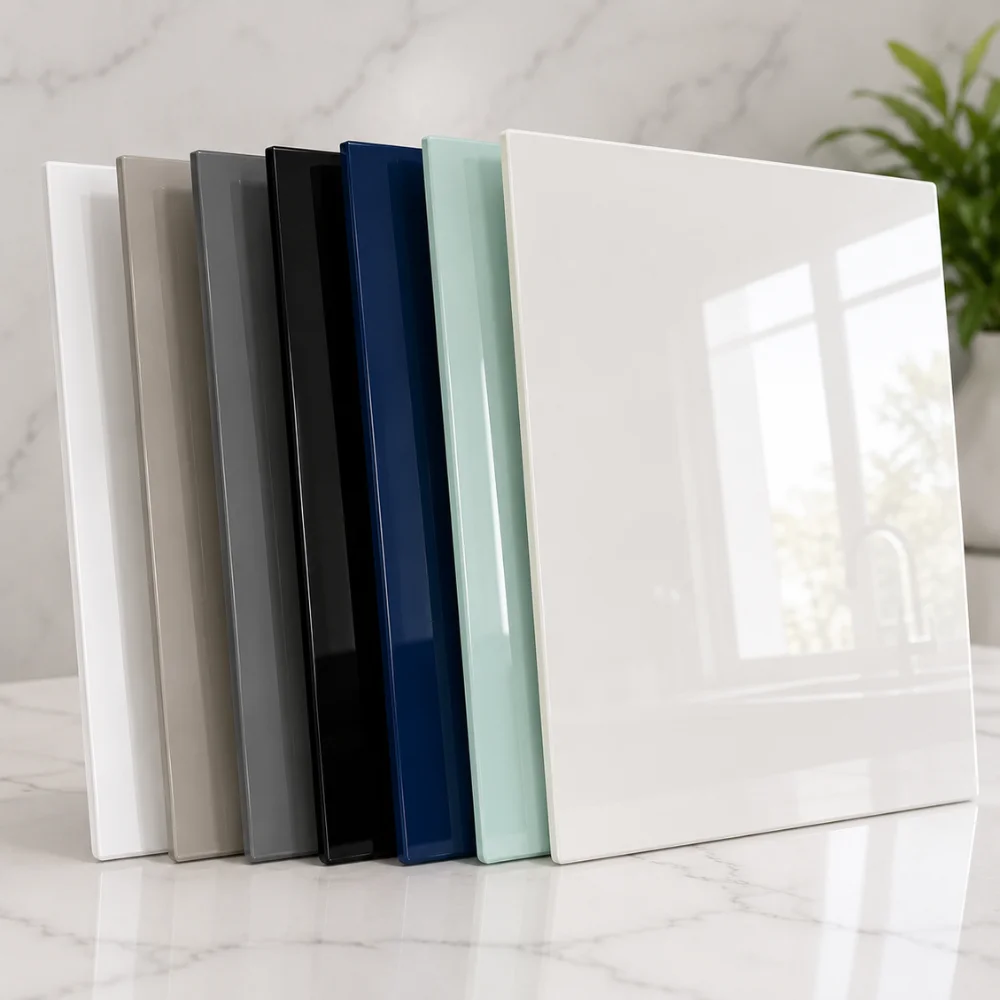
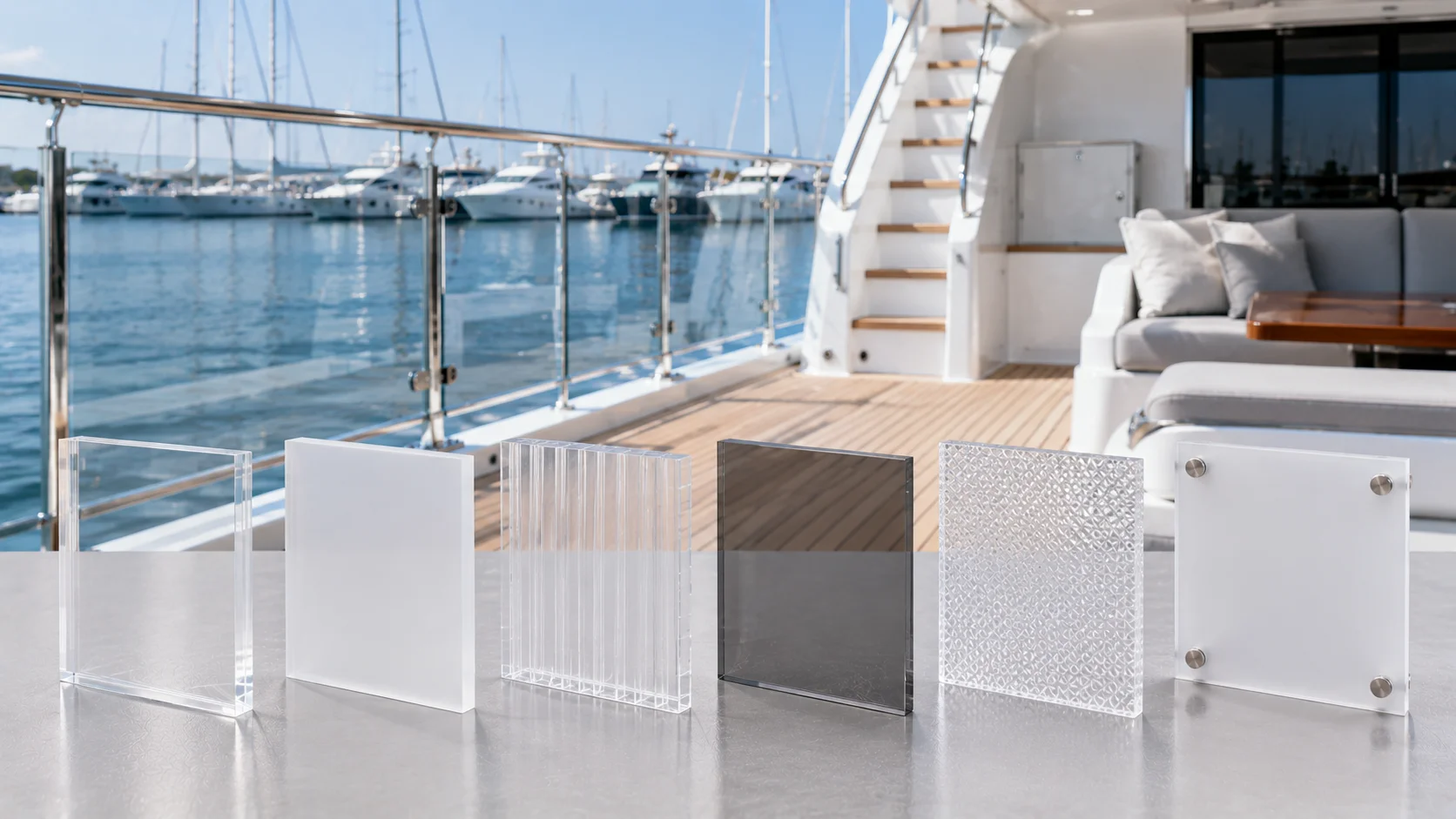
Yes. Acrylic is available in a wide range of options, including:
- Clear
- Opal and translucent
- Solid colours
- Frosted and satin finishes
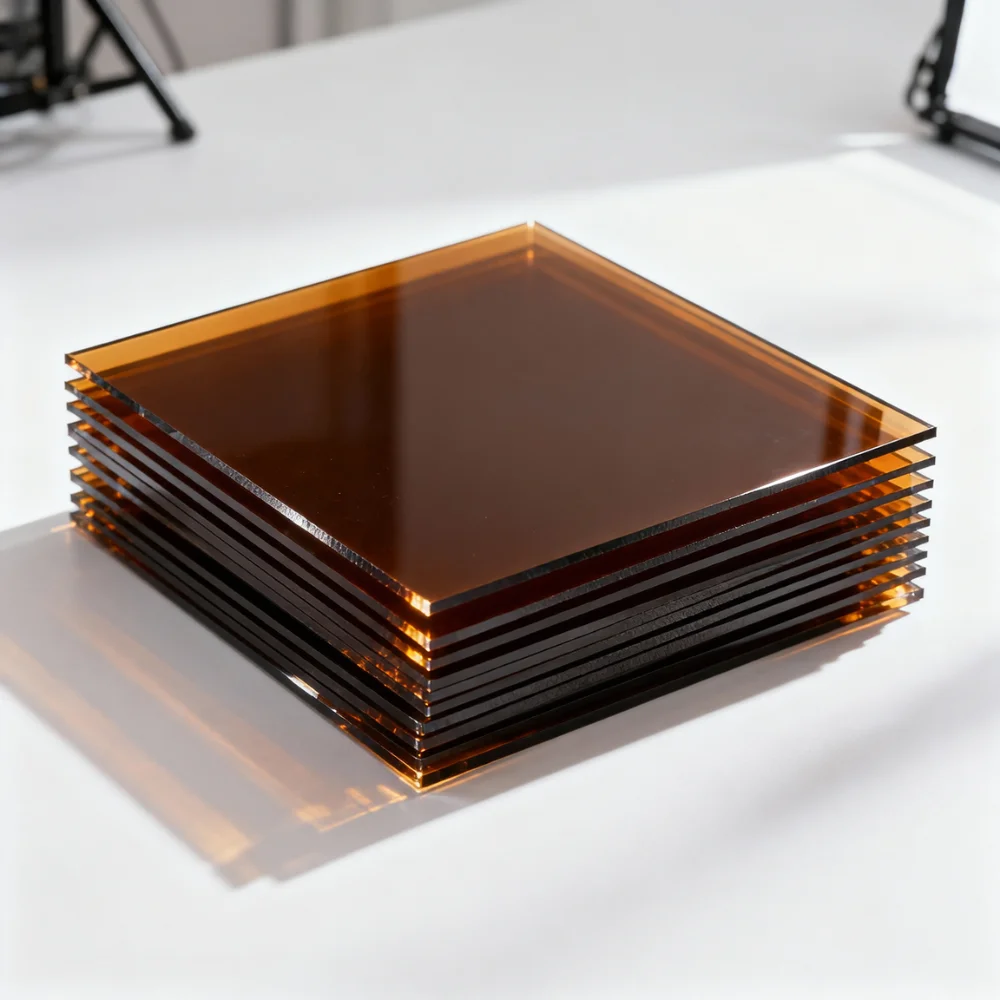
- Tinted and fluorescent colours
- Silver, gold, bronze and coloured mirror
- UV-filtering grades
- Impact-modified grades
- Abrasion-resistant grades
Availability can vary by thickness, sheet size and finish.
The correct thickness depends on the panel size, support spacing, wind or water pressure, expected impact and how the acrylic will be installed.
Small signs and display covers may only require thin sheet, while large windows, shelves, guards and aquariums may need substantially thicker material. Structural or water-retaining applications should always be properly designed and assessed.
Yes. Altius Polymers can supply acrylic as full sheets or cut it to your required dimensions. We can also assist with CNC routing, laser cutting, drilling, polishing, bending, bonding and custom fabrication.
To request a quotation, send us your required dimensions, thickness, colour, quantity, edge finish and any drawings available. Our team can help identify the most suitable acrylic grade for your application.
You can browse and purchase available acrylic products through our website. However, not every sheet size, thickness, colour, finish or specialty grade is displayed online.
If you cannot find the product you need, call our customer service team. Backed by more than 15 years of plastics industry experience, Altius Polymers can help you select the right acrylic for your application.
When contacting us, please provide your required dimensions, thickness, colour, quantity and intended use. We can assist with full sheets, cut-to-size material and custom fabrication.
Give Altius Polymers a call and let us help you find the right product for your project
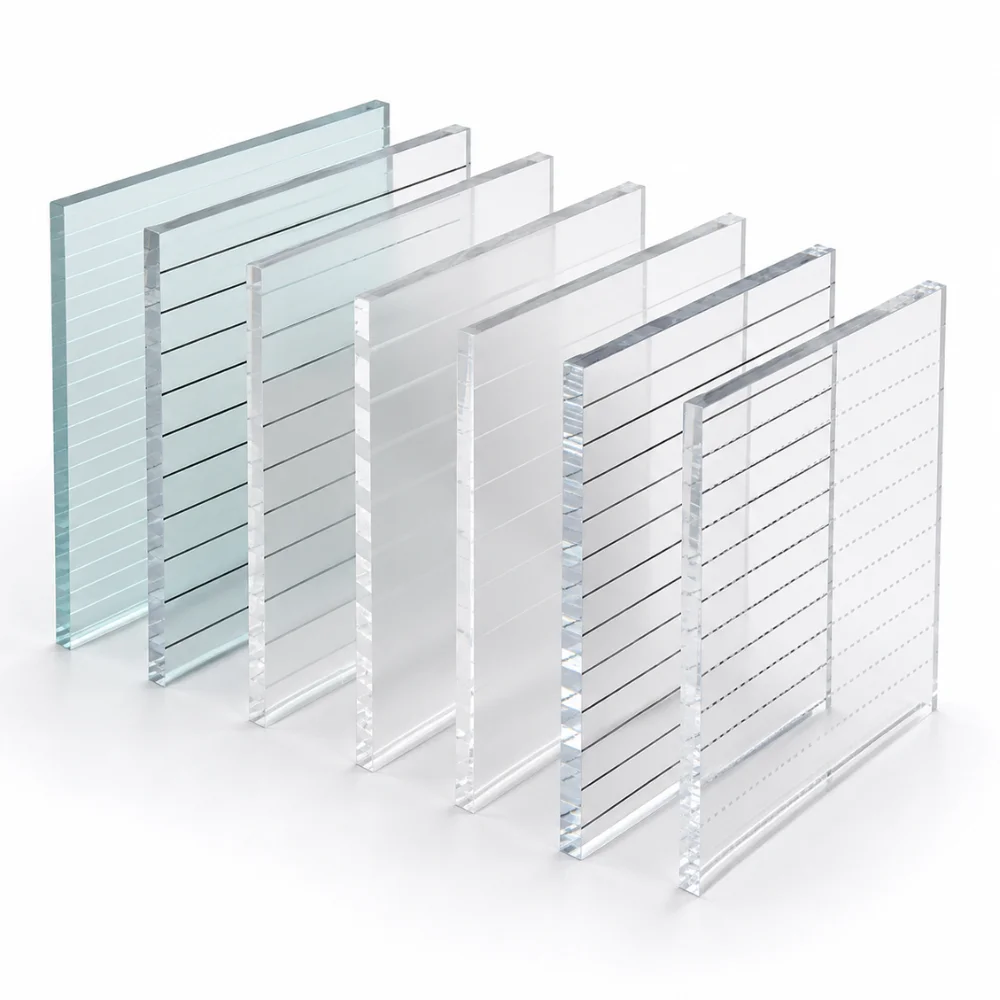
Monolithic acrylic is manufactured as one continuous, solid piece of acrylic. It has no internal bonding layers, providing excellent optical clarity, uniform structural performance and no visible laminate lines. It is commonly preferred for premium aquarium windows, underwater viewing panels, tunnels and other demanding applications.
Multilayer acrylic, also called laminated acrylic, is produced by bonding two or more solid acrylic sheets together under controlled conditions. It offers flexible thickness options and can be a cost-effective solution for certain projects. However, its clarity and structural performance depend heavily on the quality of the bonding process.
Both materials can be suitable for structural applications, but the selection must consider the panel dimensions, water pressure, support system, required shape, optical expectations and project budget.
Multilayer acrylic should not be confused with hollow multiwall roofing sheet, which is unsuitable for aquarium viewing panels.
Yes. Acrylic is widely used for freshwater and saltwater aquariums, from small display tanks to large public aquarium windows, curved panels, cylinders and underwater tunnels.
Aquarium-grade cast acrylic provides:
- Exceptional optical clarity
- A clear view without the green tint commonly associated with thick glass
- Lower weight than glass
- Excellent resistance to breakage
- The ability to create curved and complex shapes
- Good resistance to saltwater and corrosion
- Strong, nearly invisible bonded joints when professionally fabricated
However, not every acrylic sheet is suitable for an aquarium. The acrylic grade and required thickness must be selected through project-specific structural calculations. Water depth, panel dimensions, support conditions, long-term loading, deflection and safety factors must all be considered.
All joints, adhesives, sealants and installation materials must also be compatible with acrylic and suitable for continuous water exposure.
Contact Altius Polymers with your aquarium dimensions, water depth, panel shape and support details. Backed by more than 15 years of plastics industry experience, our team can help you identify the right acrylic solution for your project.
Yes. Acrylic can be professionally bonded to create strong, water-clear and nearly invisible joints. Purpose-formulated reactive acrylic adhesives are particularly suitable for display cases, furniture, architectural features and aquariums.
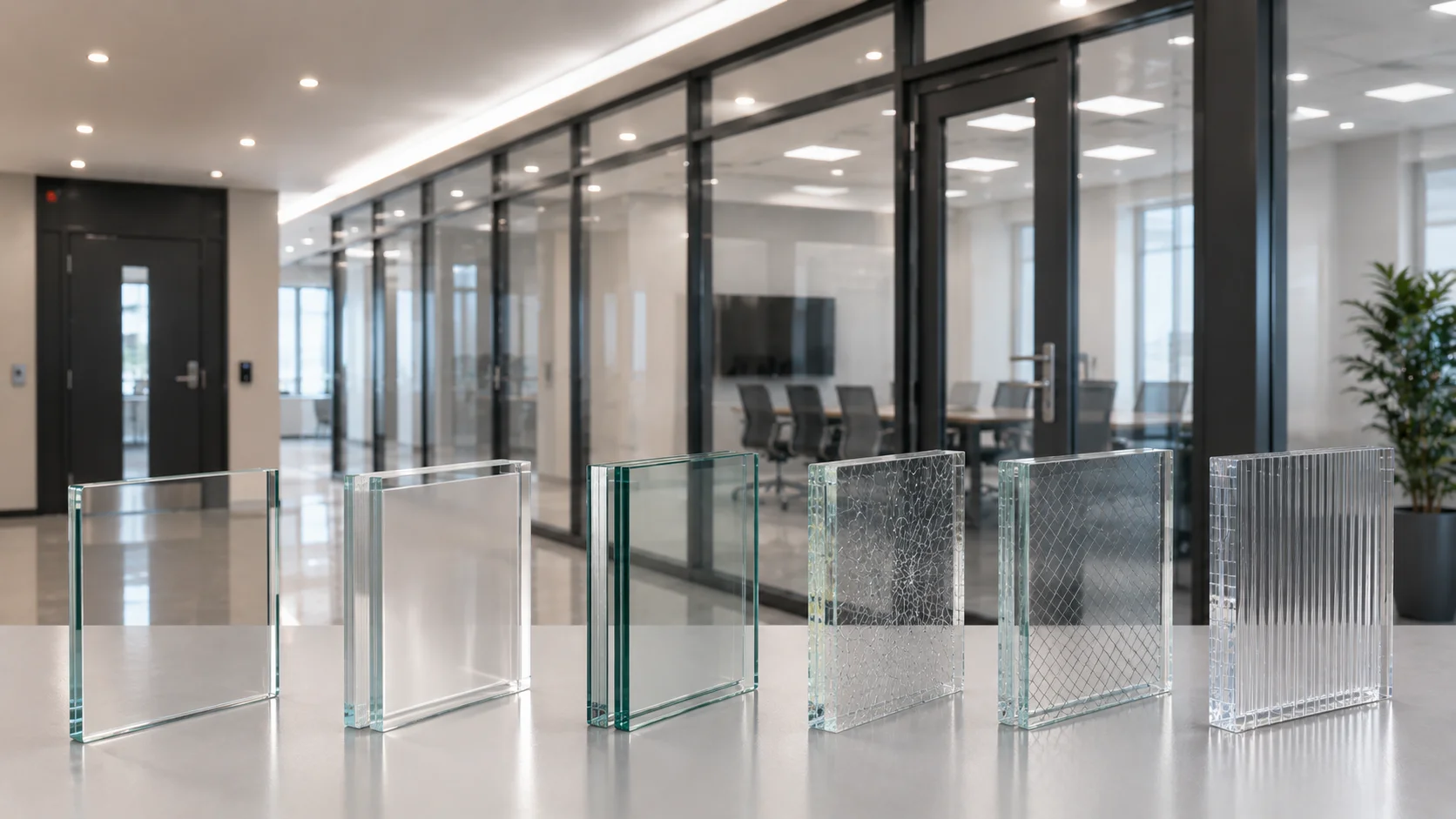
However, the final quality depends on the material preparation and bonding process. Bubbles can appear when air is introduced during mixing or dispensing, the adhesive has not been degassed, the bonding edges are uneven, the joint gap is incorrect or the surfaces contain dust, grease or moisture.
For the best result:
- Machine the bonding edges accurately
- Keep the surfaces clean, dry and free from stress
- Use the correct acrylic-compatible adhesive
- Degas mixed adhesive where recommended
- Maintain a consistent bonding gap
- Introduce the adhesive slowly from one location
- Allow trapped air to escape before the adhesive cures
- Secure the components against movement
- Follow the recommended curing time and conditions
For large surface bonds, one panel should be lowered gradually from one edge so the adhesive spreads evenly and pushes air toward the outside.
A bubble-free appearance does not automatically confirm structural strength. Aquarium, water-retaining and load-bearing joints should always be completed by an experienced acrylic fabricator using an approved bonding system.