Frequently Asked Questions
PVC stands for Polyvinyl Chloride. In industrial sheet and fabrication applications, the term normally refers to rigid, unplasticised PVC-U.
PVC-U combines high stiffness, good chemical resistance, electrical insulation, easy fabrication and favourable flame behaviour.
PVC resin is produced by polymerising vinyl chloride. It is then compounded with stabilisers, processing aids, pigments and other additives before being extruded, pressed or moulded.
The principal forms are:
- PVC-U: Unplasticised, rigid PVC used for tanks, ducts, pipework, guards and fabricated equipment.
- PVC-P: Plasticised, flexible PVC used for curtains, flexible sheet, seals and covers.
- CPVC: Chlorinated PVC developed for higher-temperature pipe and chemical applications.
This FAQ primarily concerns rigid PVC-U.
PVC-U offers:
- High stiffness and good dimensional stability
- Excellent resistance to many acids, alkalis and salts
- Easy hot-air welding
- Excellent solvent-cement and adhesive bonding
- Good printability
- Good electrical insulation
- Flame-retardant or self-extinguishing behaviour in many grades
- A smooth, consistent surface for fabricated equipment and signs
PVC-U is denser than PP or HDPE and normally has a lower maximum continuous operating temperature than PP or PVDF.
Recognised German product families include:
- Röchling TROVIDUR® PVC-U
- SIMONA® PVC-U
- SIMONA PVC-CAW for chemical and tank construction
- Transparent, impact-modified, UV-resistant and coloured specialist grades
The correct product should be selected according to temperature, chemical exposure, outdoor use, fire requirement and any regulatory approval.
Common applications include:
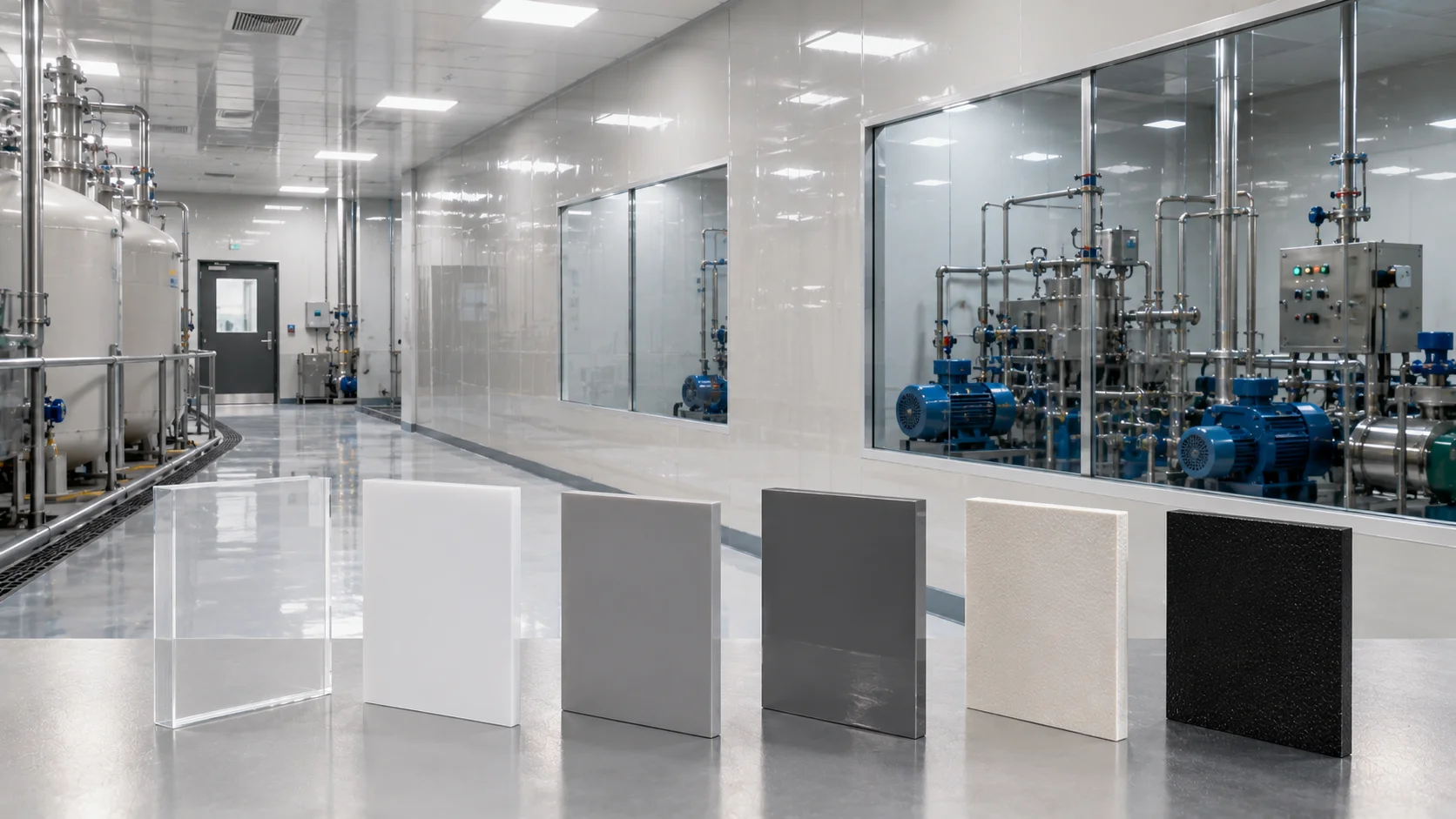
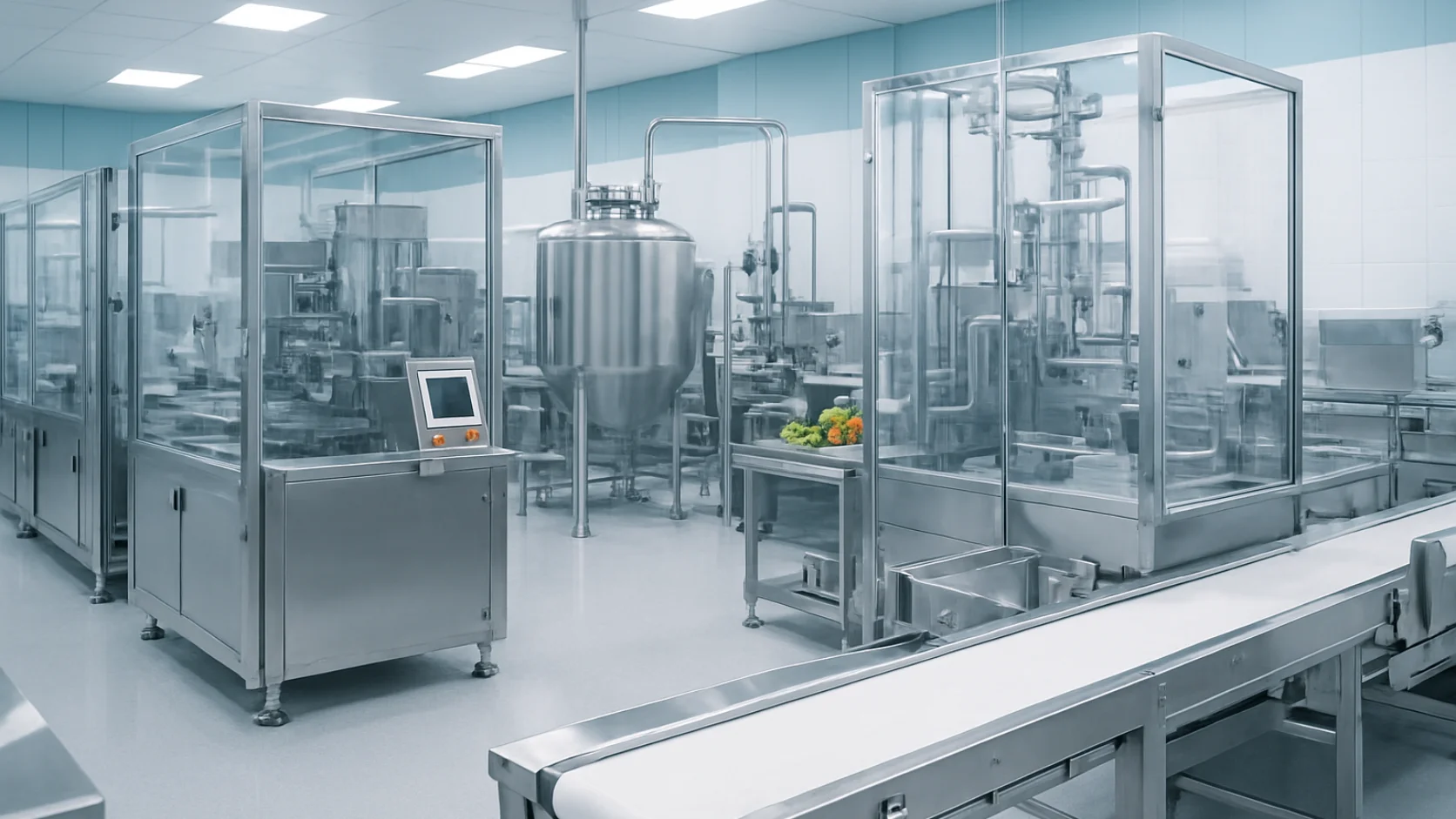
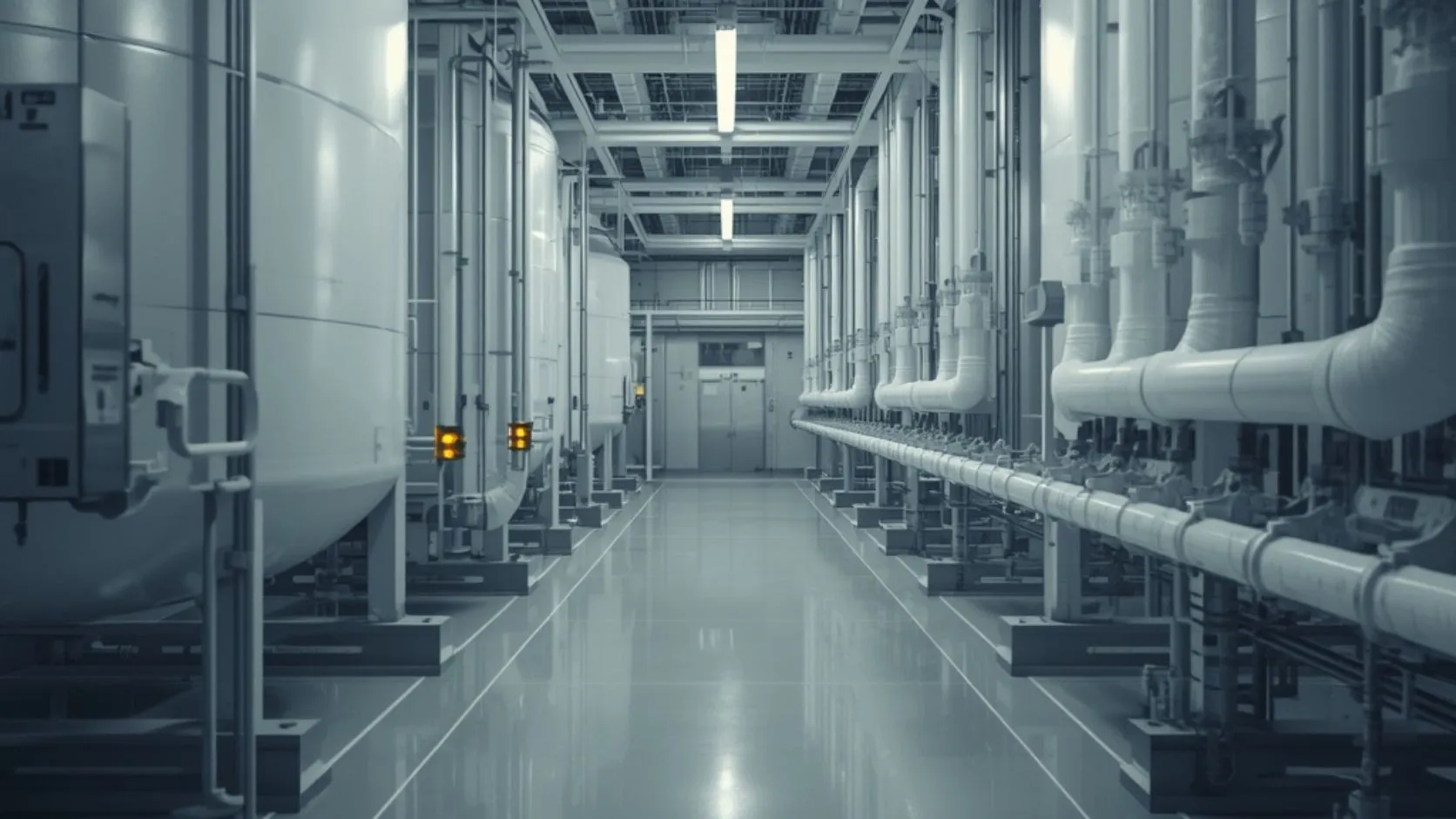
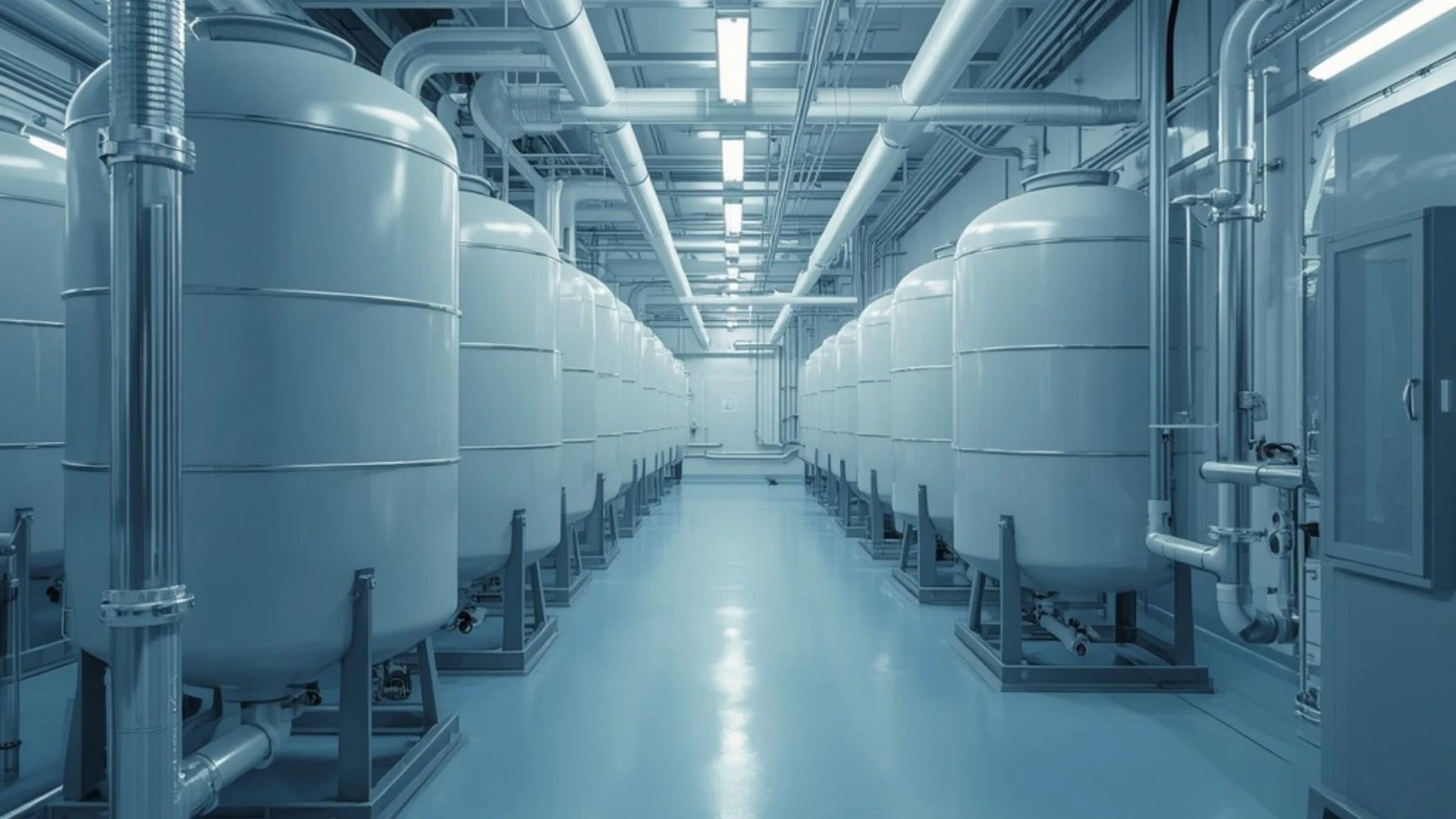
- Chemical tanks and process vessels
- Fume cupboards and ventilation ducts
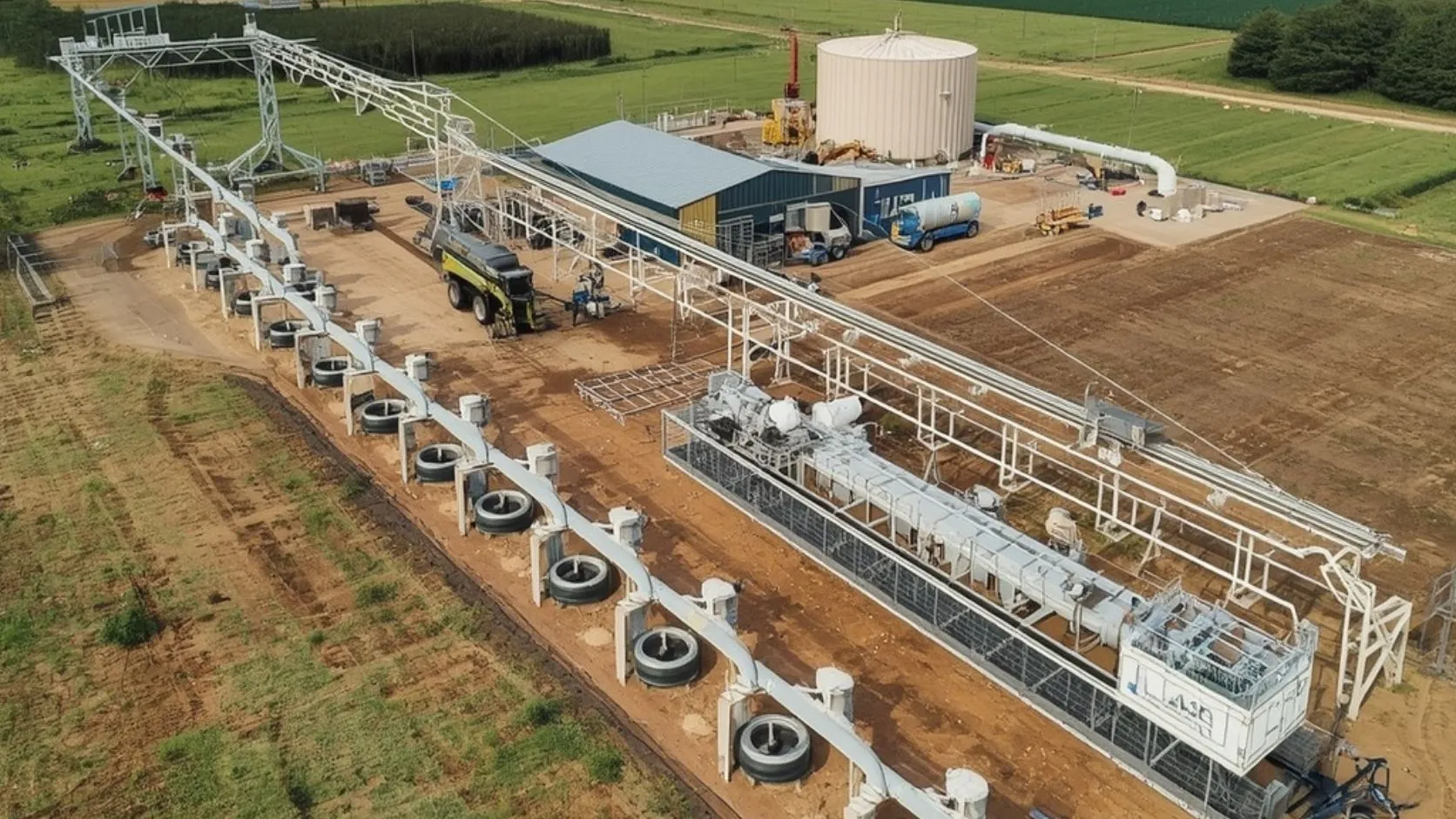
- Water-treatment equipment
- Laboratory equipment
- Electrical panels and insulation
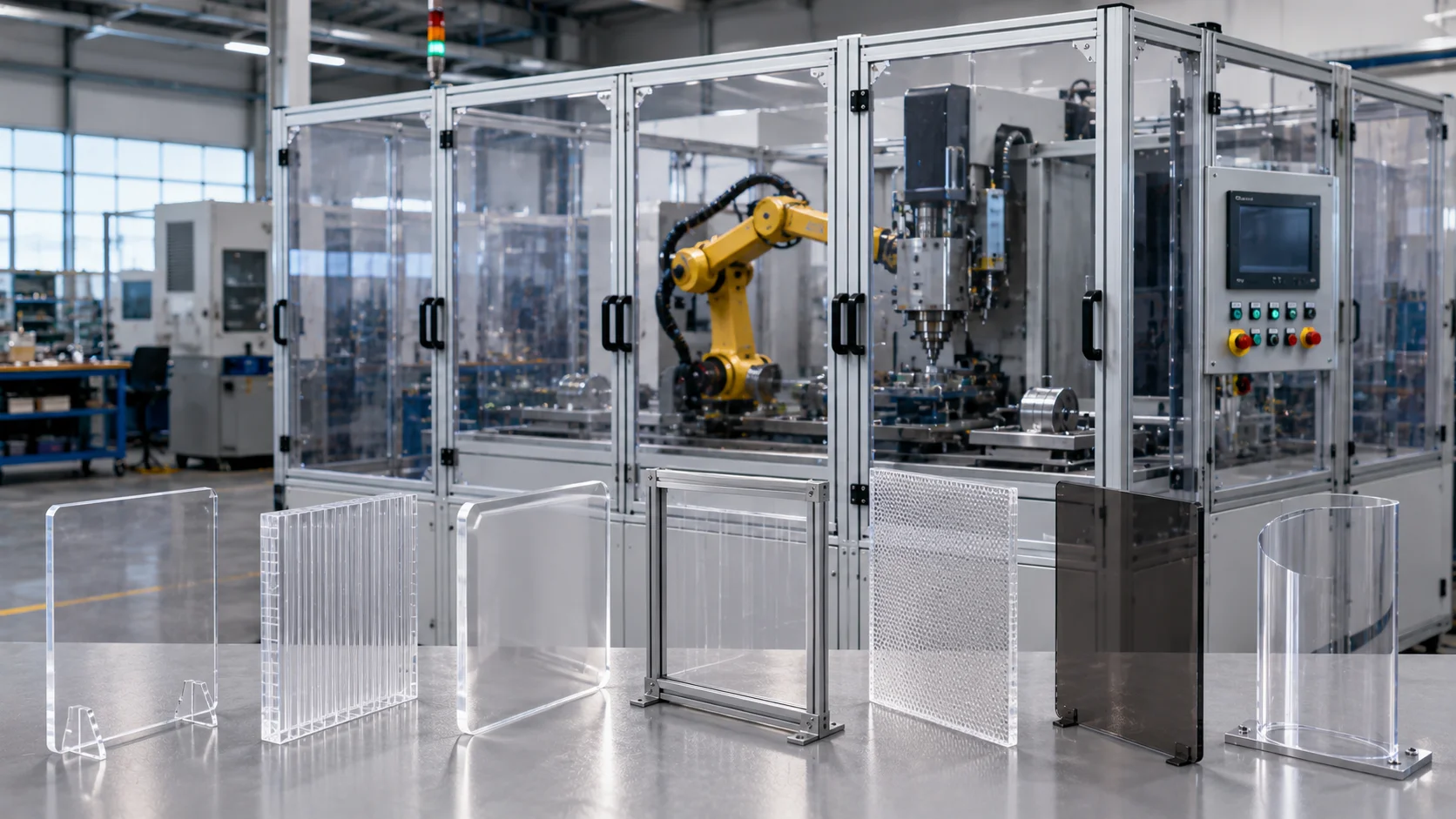
- Machine guards
- Signs, displays and printed panels
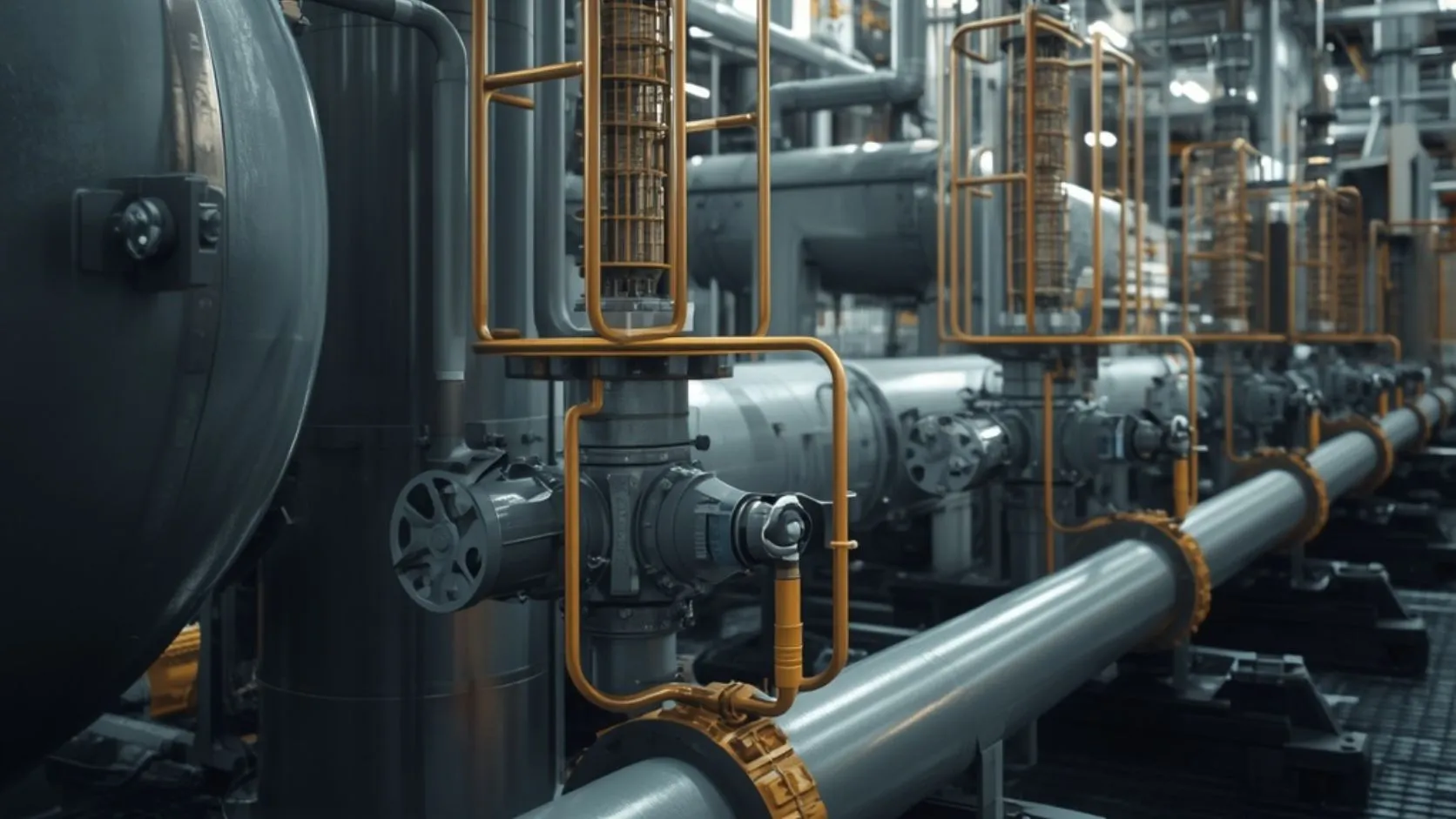
- Pipework and valve components
- Plating and surface-treatment equipment
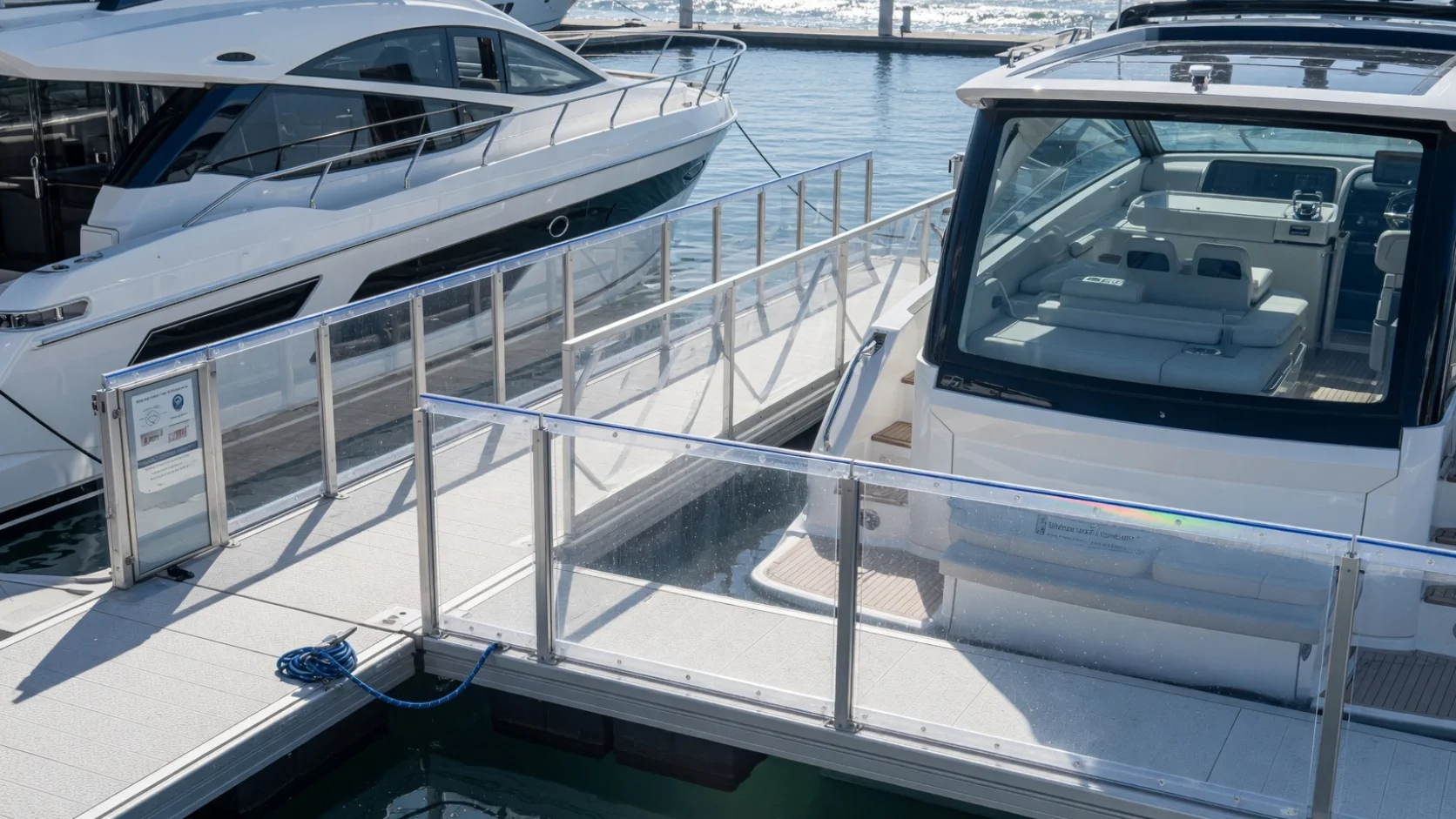
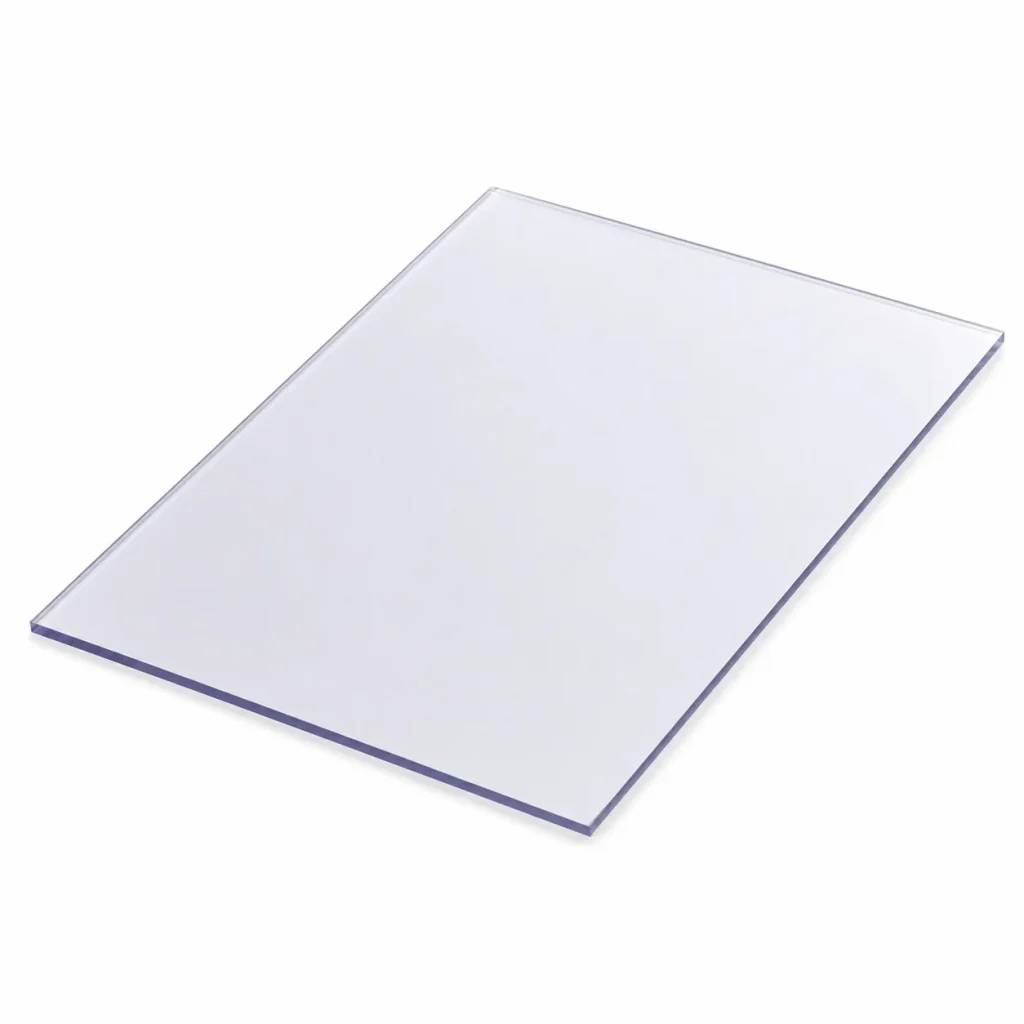
- Transparent inspection guards using an appropriate clear grade
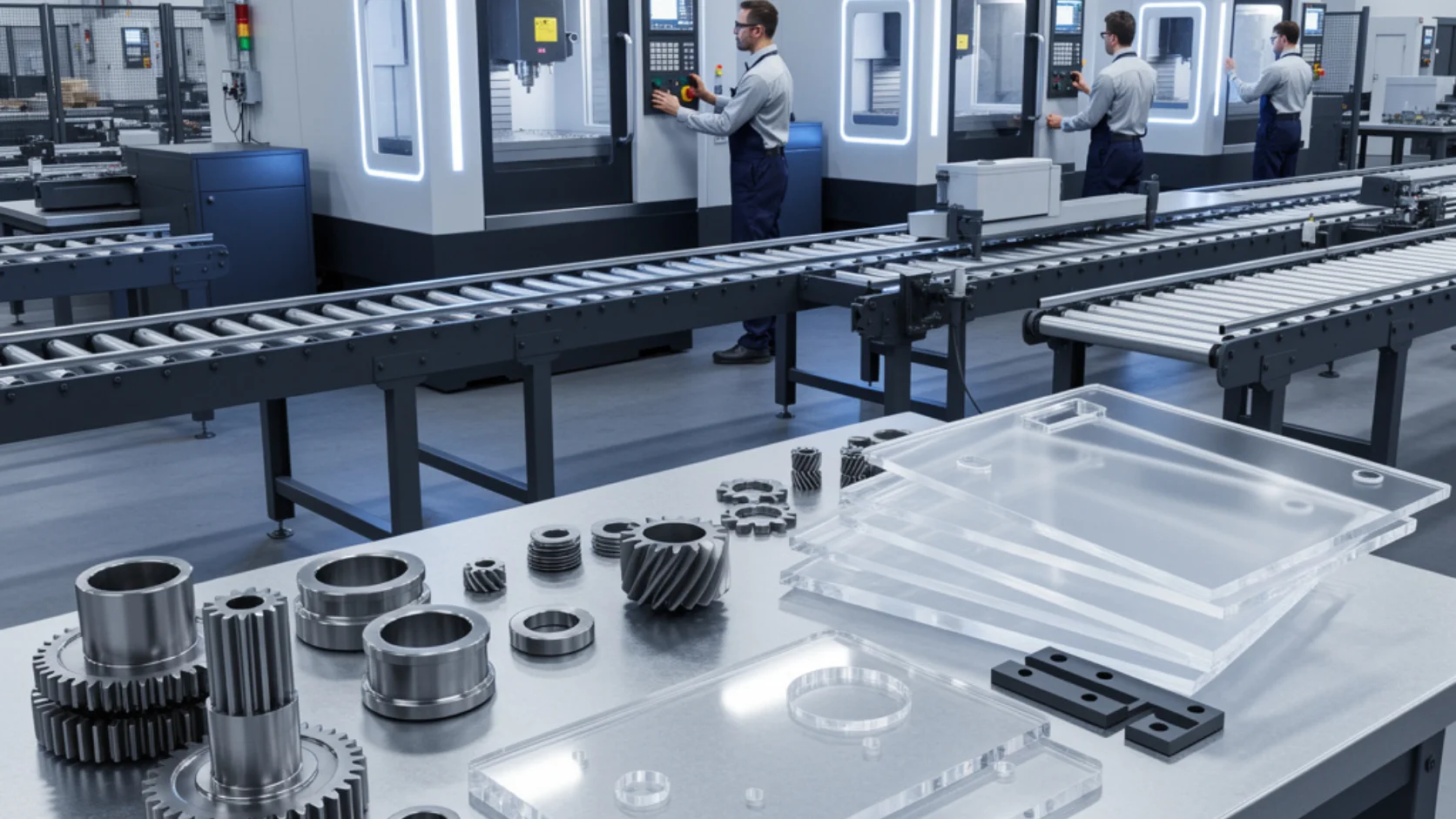
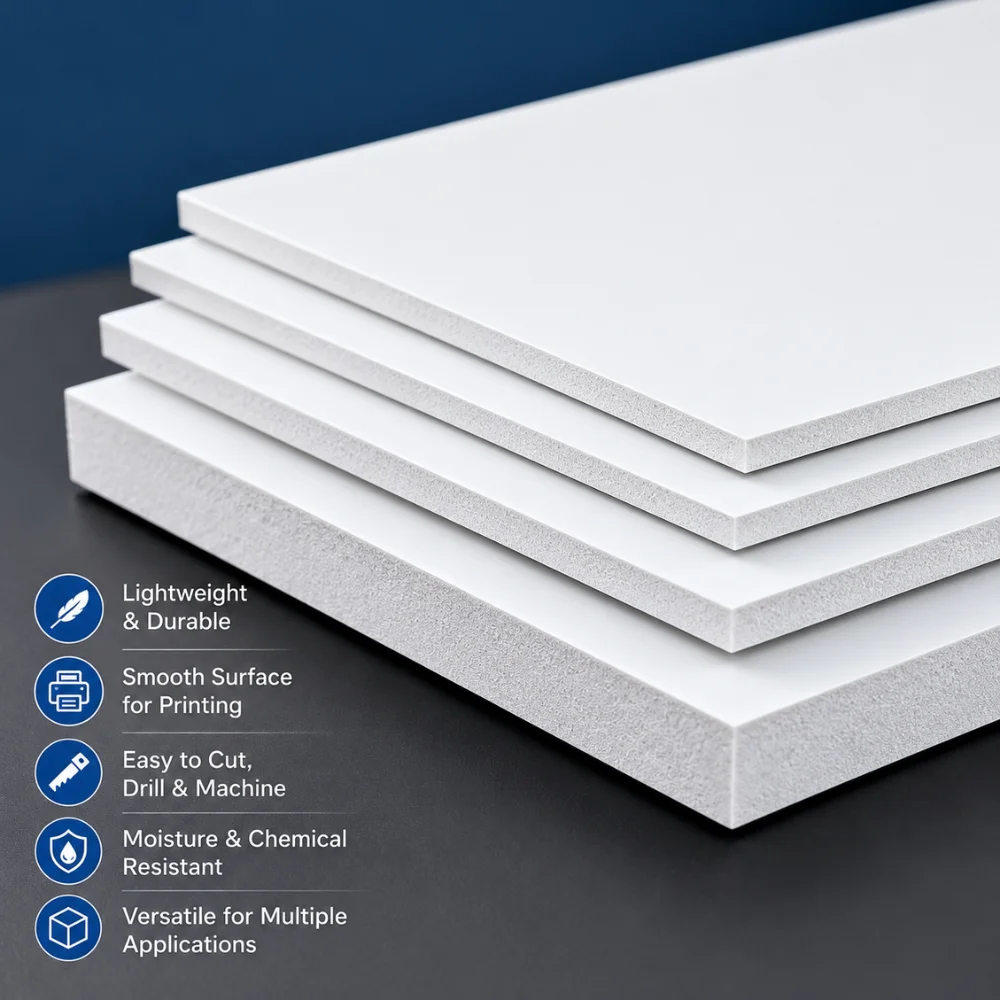
Yes. PVC-U can be saw-cut, drilled, routed, turned and CNC machined. It is one of the easiest industrial thermoplastics to fabricate.
It can be hot-gas welded using compatible PVC welding rod and can also be joined using suitable solvent cement or structural adhesive.
PVC-U sheet can be hot bent or thermoformed using controlled and even heating. Thin sheet may accept a gentle cold bend, but thick sheet can crack or retain excessive stress if folded cold.
Overheating must be avoided. PVC can decompose and release corrosive hydrogen chloride fumes, so appropriate temperature control and extraction are essential.
Yes. PVC-U has good printability and is commonly screen printed, digitally printed or sign printed.
The surface should be clean and free from oil, and the ink must be compatible with rigid PVC. Testing is recommended where the finished product will be exposed to chemicals, abrasion, sunlight or outdoor weathering.
- Dimensional stability: Good, with greater stiffness and lower thermal movement than PP or HDPE.
- Mechanical: Representative TROVIDUR PN values include tensile yield strength around 56 MPa and tensile modulus around 3,000 MPa.
- Chemical: Excellent resistance to many acids, alkalis and salts. Ketones, aromatic solvents and certain chlorinated solvents can attack PVC.
- Fire: Many rigid PVC grades are flame retardant or self-extinguishing, but the exact rating depends on grade and thickness. PVC is not non-combustible and can generate dense smoke and corrosive gases during a fire.
- Electrical: Very good electrical insulation, with conductive and antistatic grades available.
- Temperature: Standard PVC-U is commonly used up to approximately 60°C; the allowable temperature decreases under mechanical or chemical load.
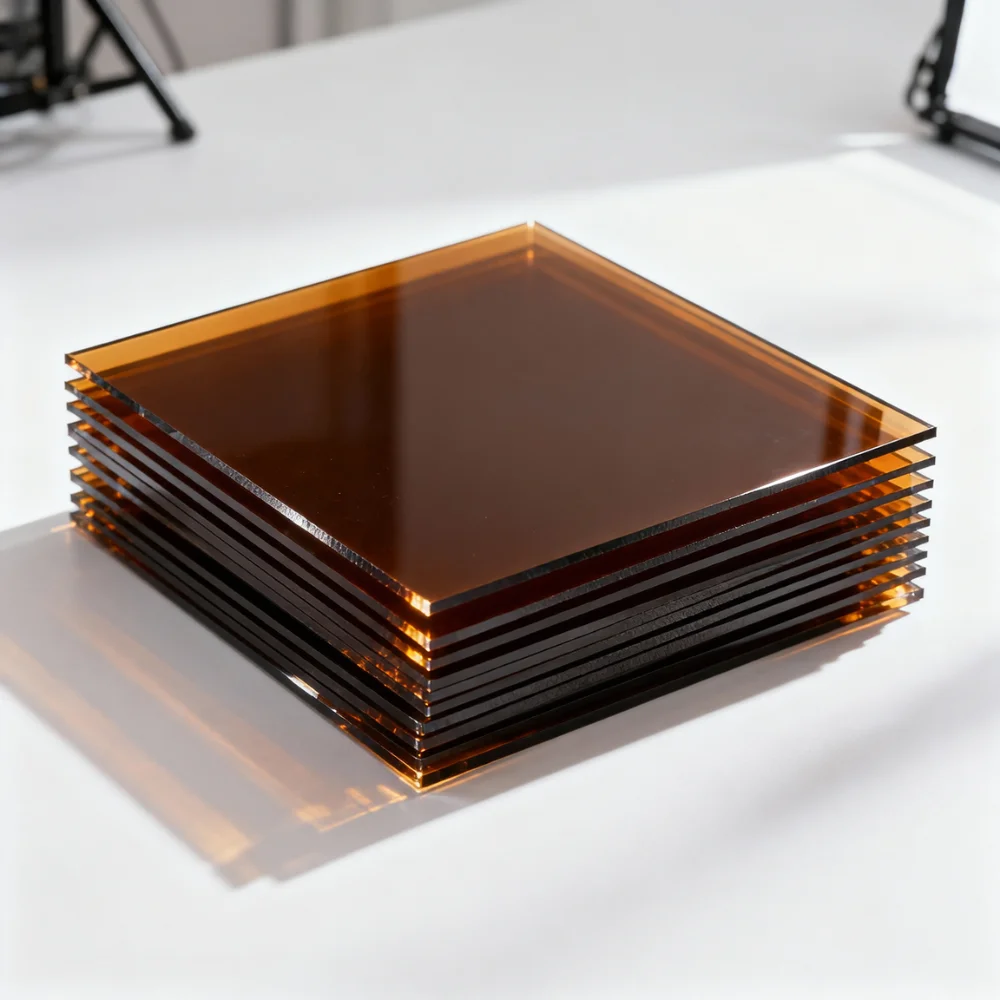
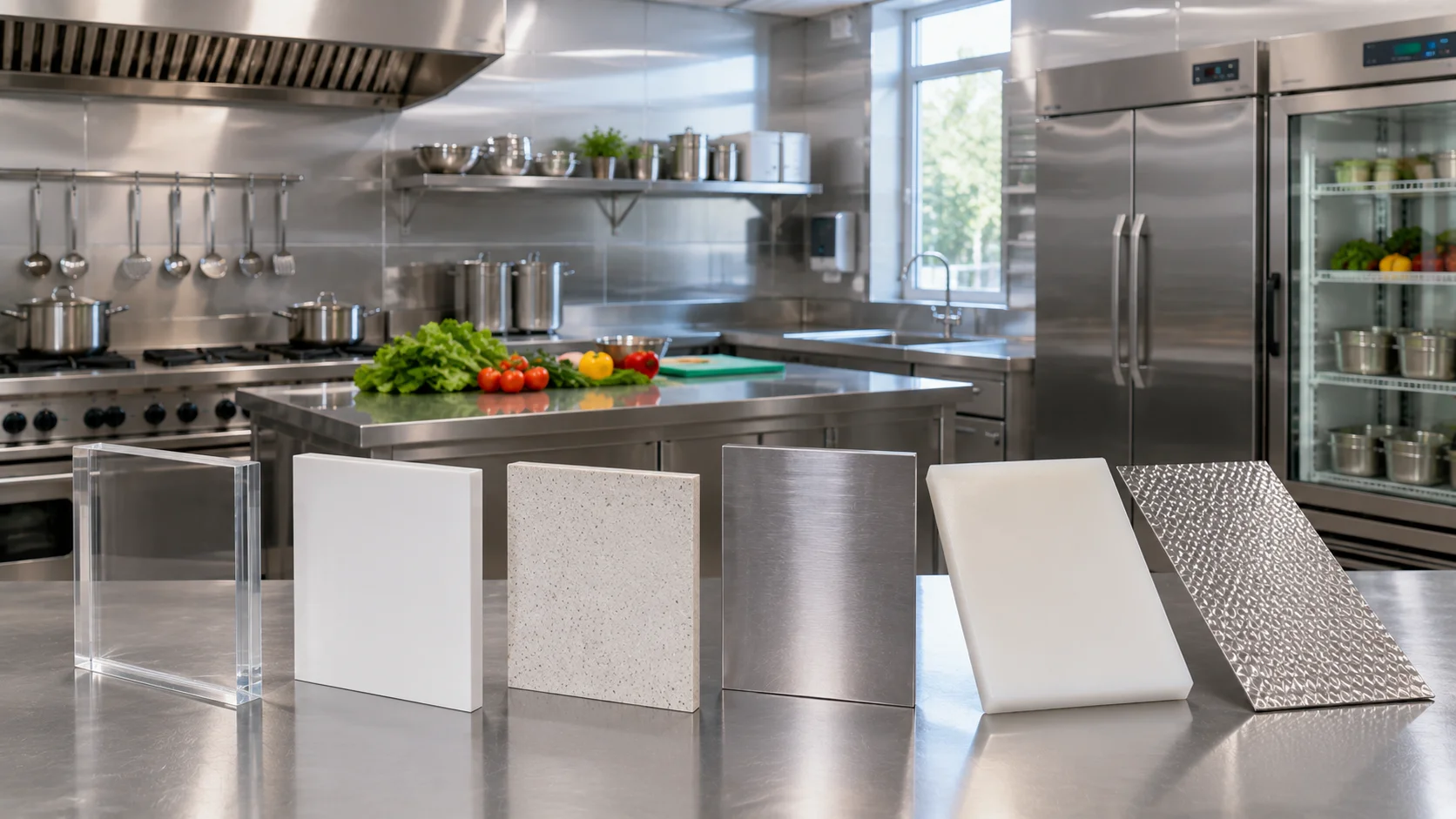
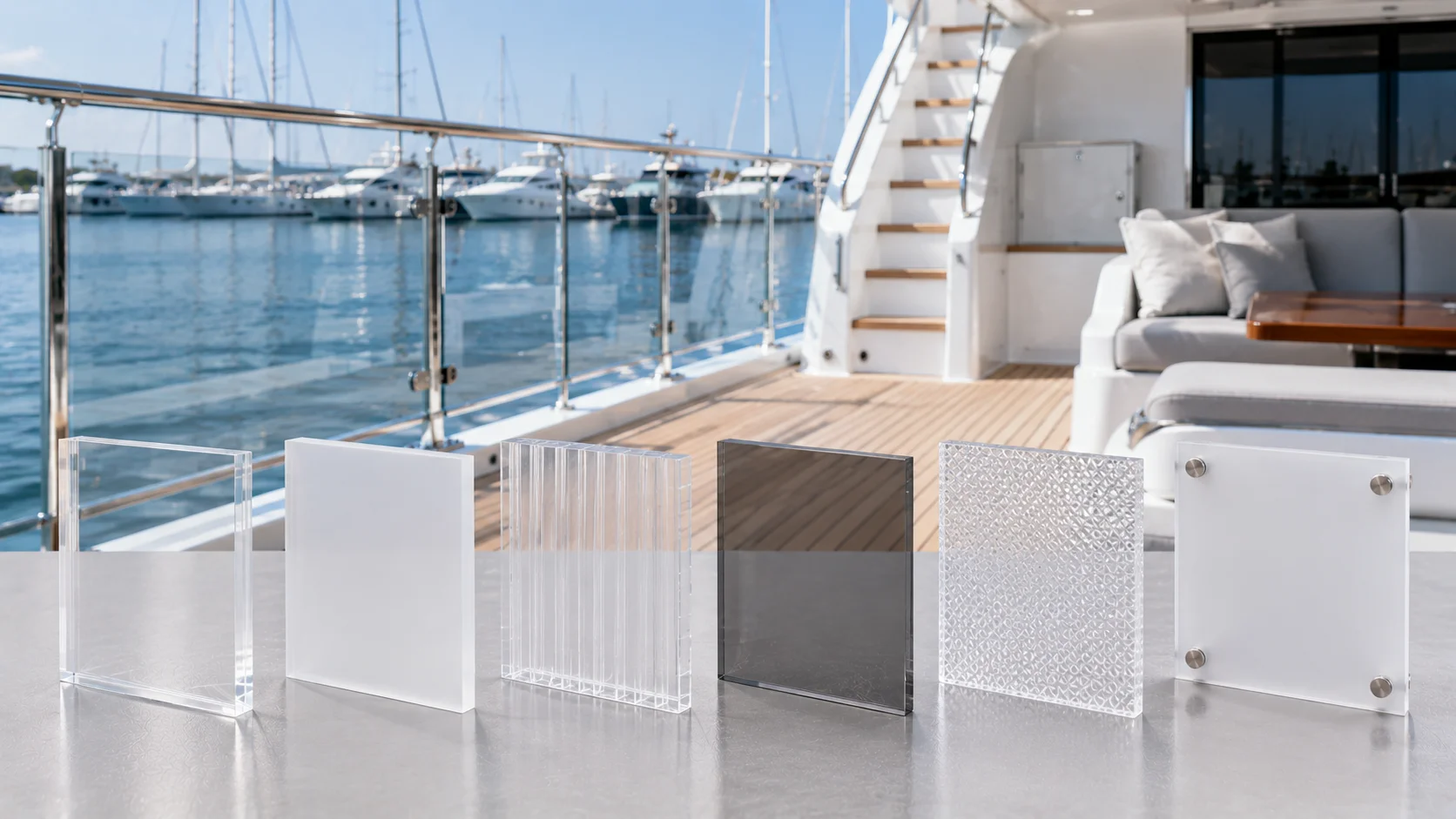
Grey, white, black, red, blue and other colours are available. Clear PVC-U is also produced for guards and inspection panels.
Outdoor applications require a grade specifically identified as UV- and weather-resistant. Colour alone does not confirm outdoor suitability.
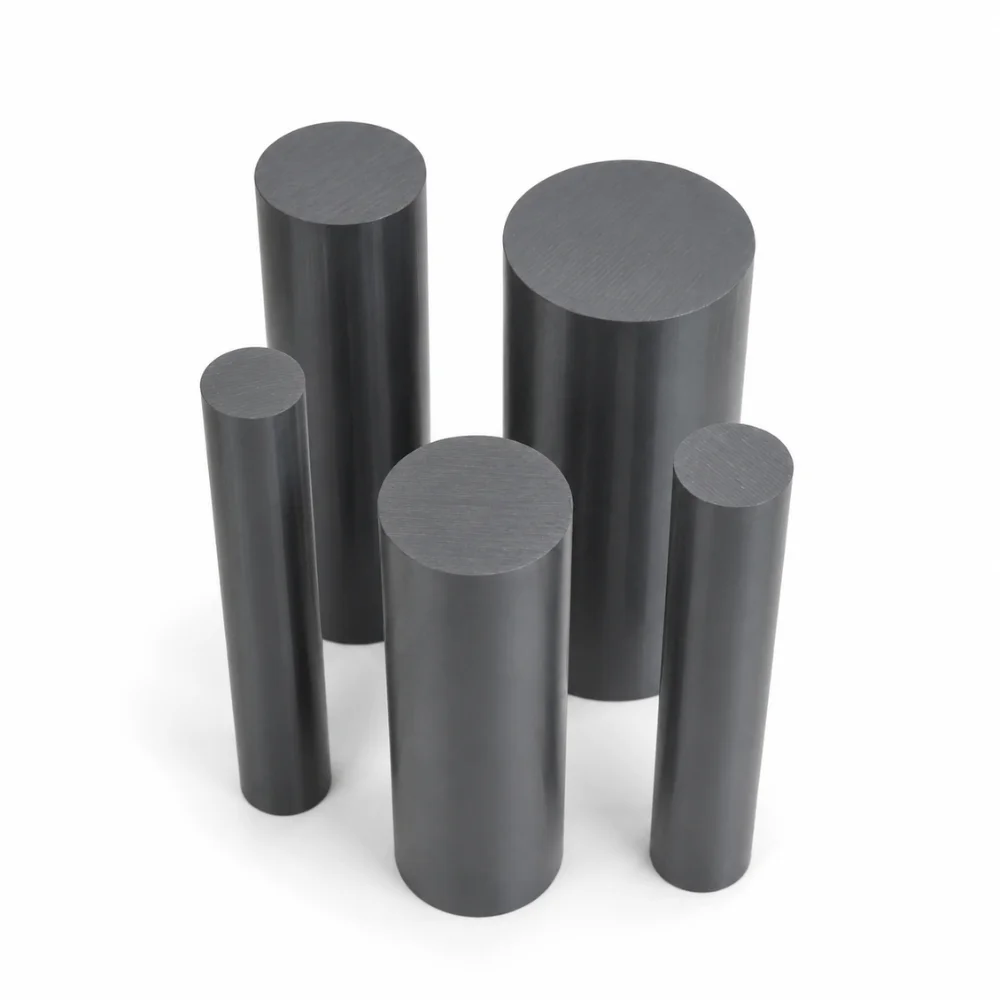
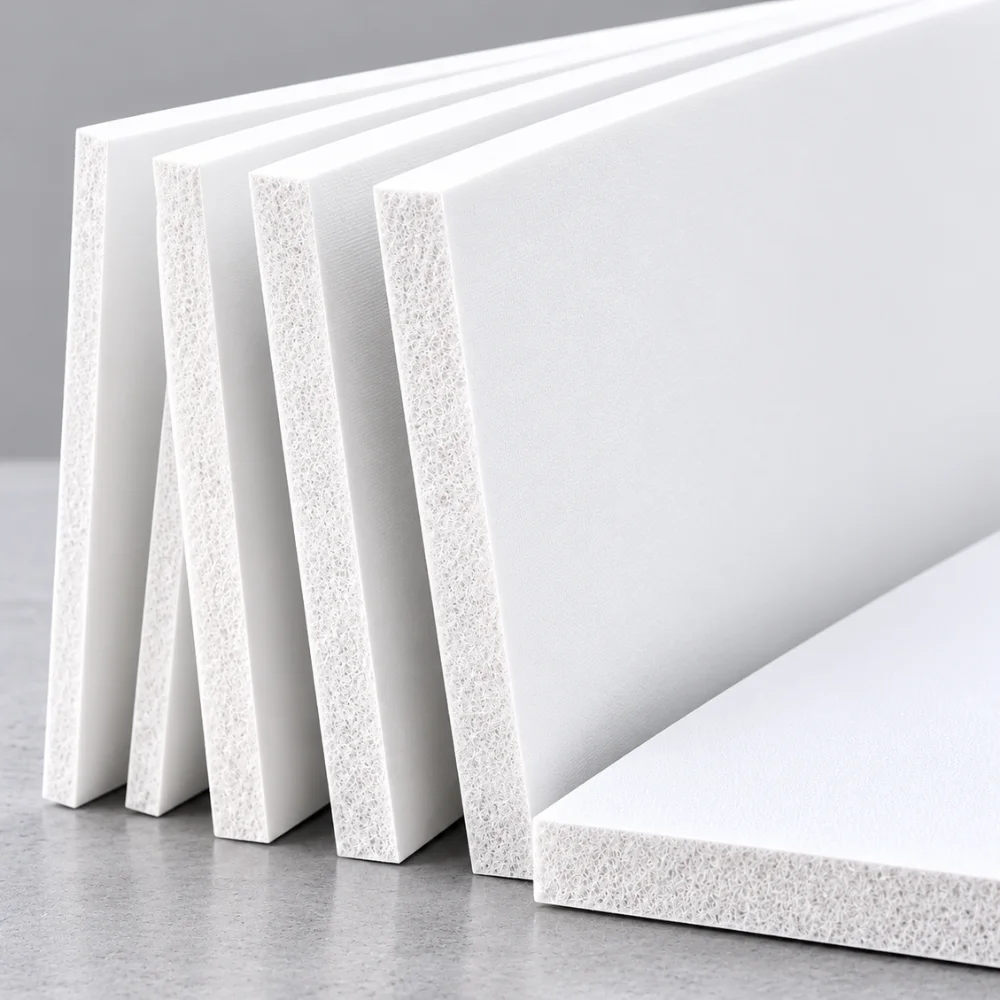
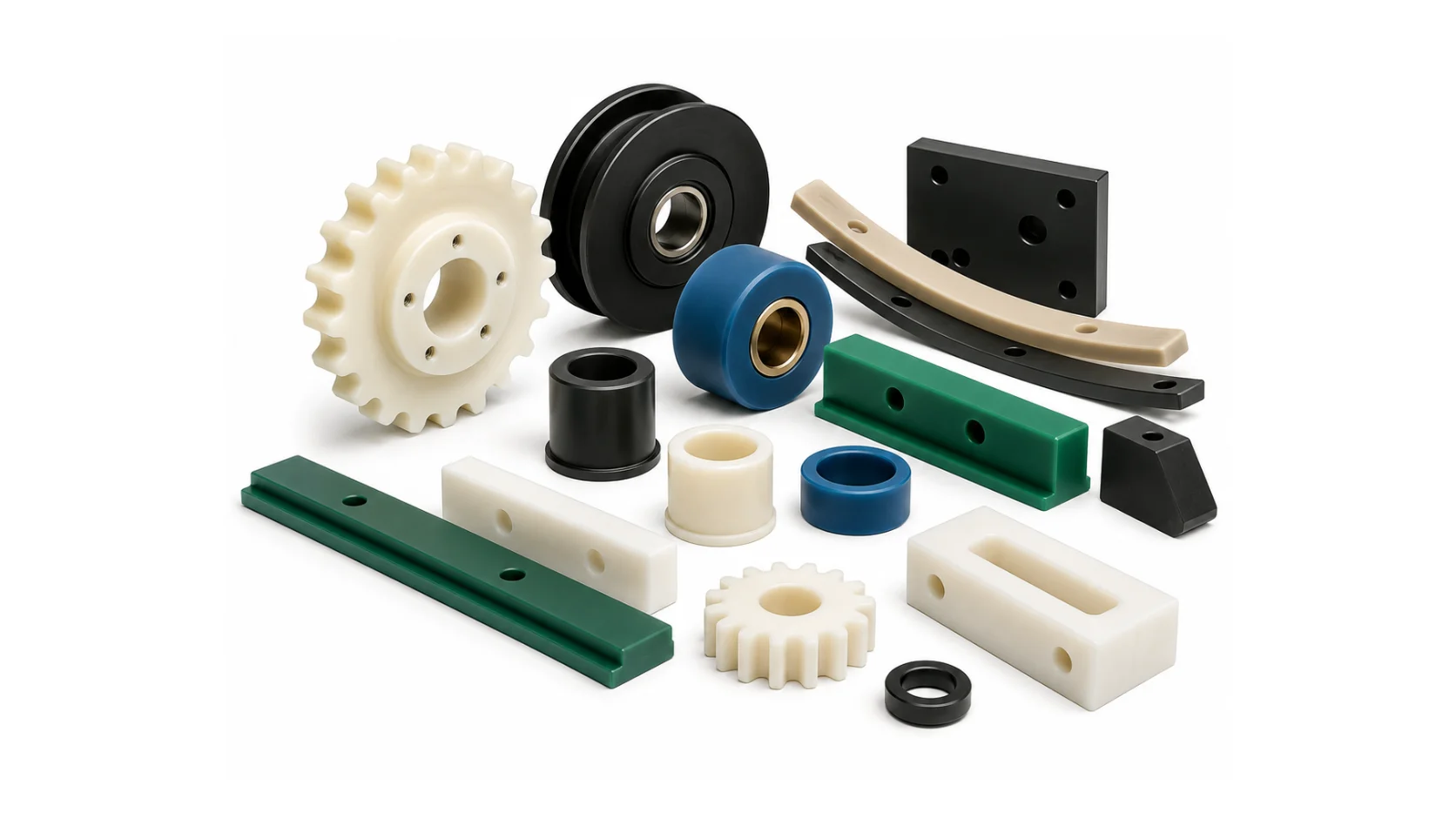
Yes. PVC can be supplied as cut sheet, rod, pipe, welding rod, fabricated components, guards, tanks and CNC-machined parts.
Standard stocked sheet may be supplied as a single cut piece. Non-standard colours, transparent grades, special thicknesses or certified formulations normally require a manufacturing minimum and additional lead time.